Kishimoto Shokudo: My top soba in Okinawa
A bowl of soba in Motobu, with its rural Japanese feel
Haisai! I’m CULT.
Another restaurant in northern Okinawa today. I’ve given myself a new achievement to unlock, after all: visiting every restaurant in Okinawa.
Anyway, today’s spot is Kishimoto Shokudo, and for now.. it serves the best Okinawa soba I’ve tried in Okinawa. Of course, I might find somewhere better if I keep looking. So far, though, it’s my number one. It’s in the north, and a good place to stop on the way to Churaumi Aquarium.
Where to find it
This second branch in Motobu is bigger than the original, with a fairly spacious parking lot too.
The restaurant is in Motobu, in northwestern Okinawa. Lots of Koreans stay at the Orion Hotel here in Motobu. It’s a 10–15-minute drive from Churaumi Aquarium and Bisezaki, so it’s a good place for a meal while visiting the area. ⏰ It’s open daily from 11 a.m. to 4:30 p.m.
I wrote a Python script to add the Google Maps links. I write so many posts that I’ve just automated it now.. I love Python
Kishimoto Shokudo, Yaedake branch: Summary
A good stop on the way to Churaumi Aquarium, and still my favorite Okinawa soba so far.
Details
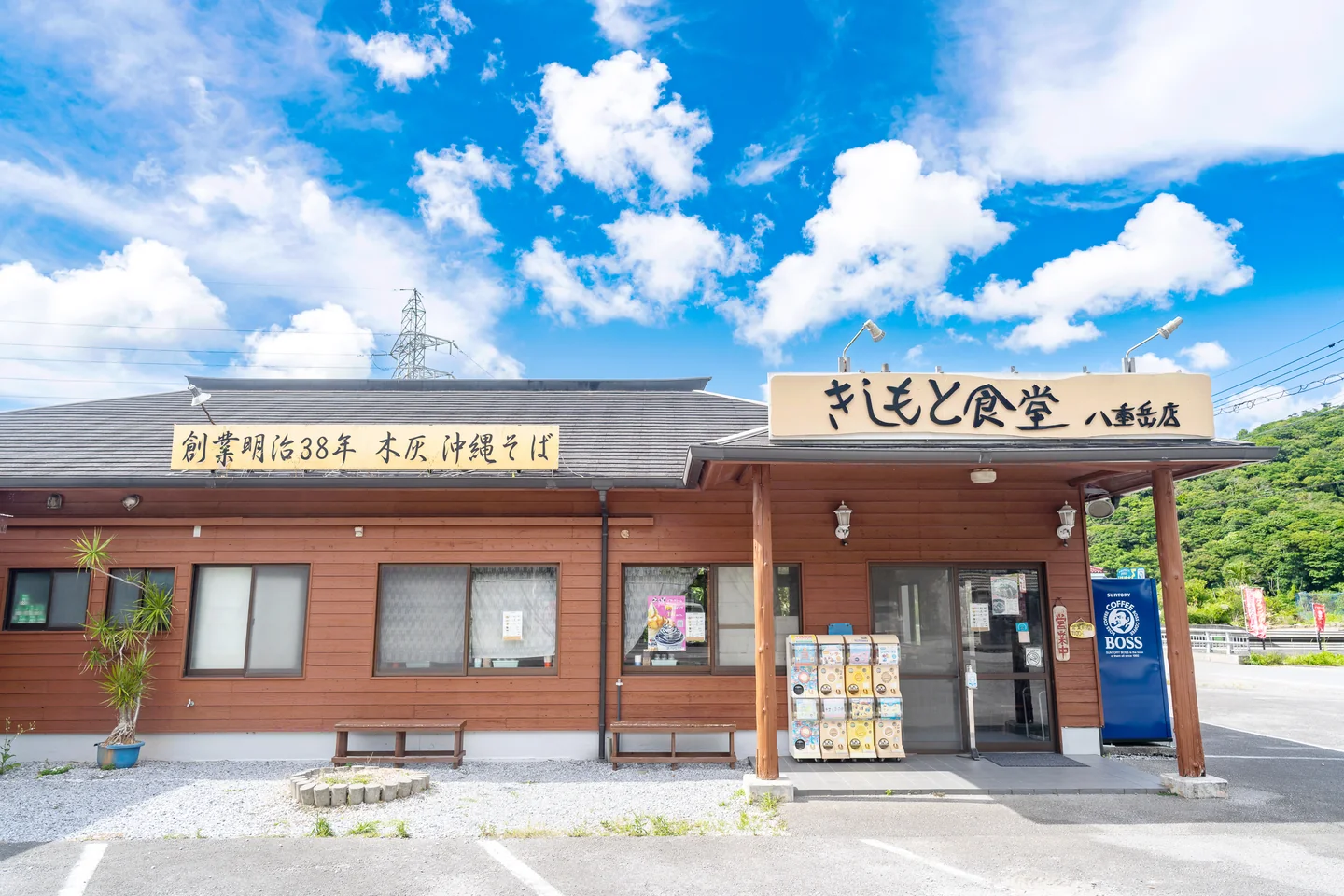
Here’s the outside of the restaurant. Kishimoto Shokudo has a main restaurant elsewhere; this is its second branch. It’s much bigger than the original, and Yaedake Sakuranomori Park is nearby, so you could come for cherry blossoms in spring or a look around rural Japan in summer. This neighborhood at least.. feels a bit like rural Japan. Rather than Okinawa..
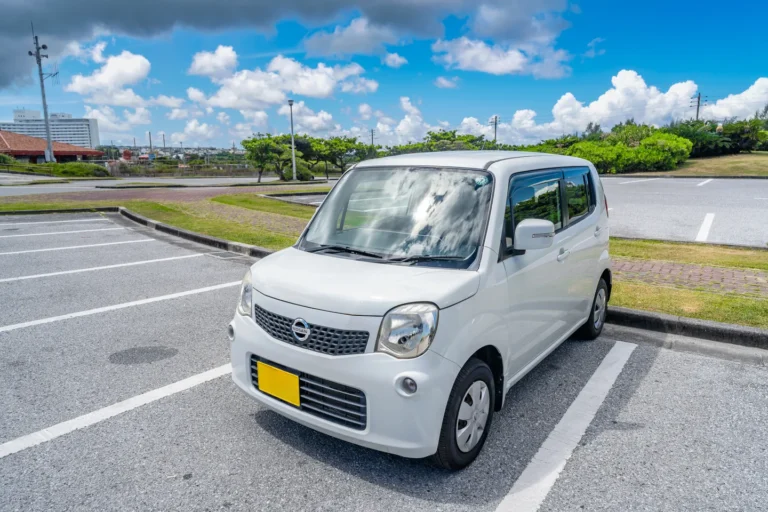
The parking lot is fairly spacious, and the restaurant itself is quite big too.
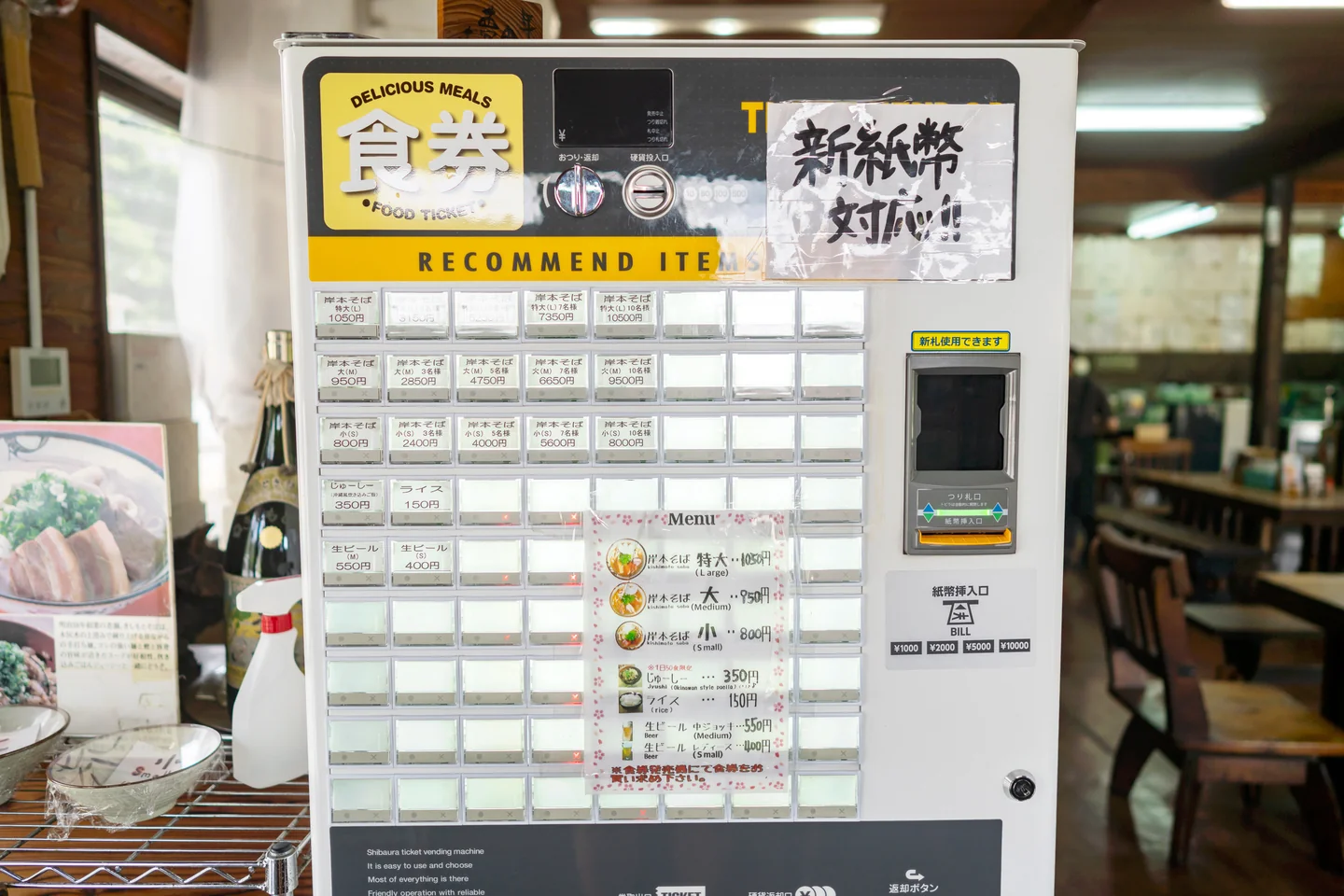
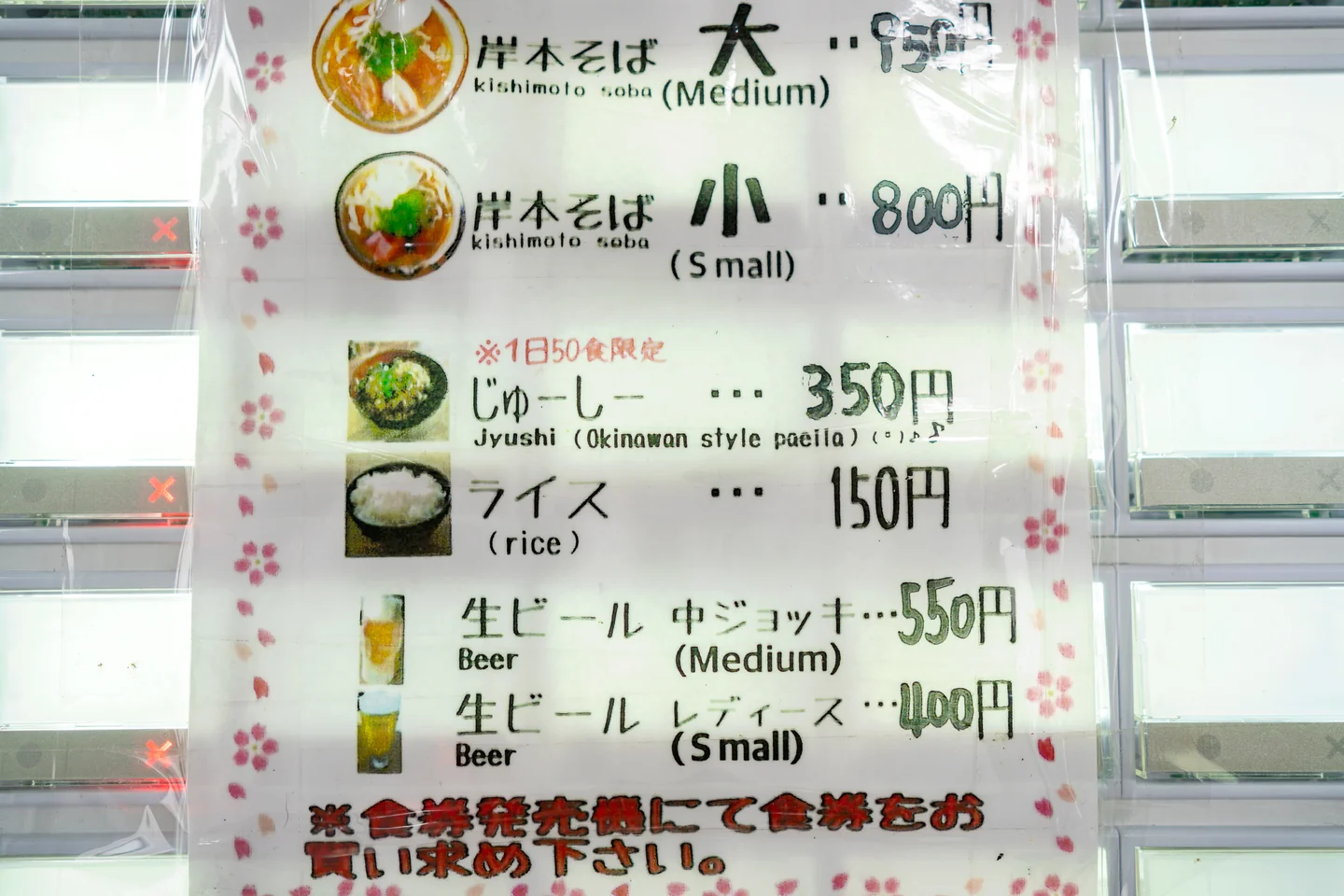
Look at the ticket machine.. and there are buttons for 8,000–9,000 yen.. Those are for ordering several portions at once, rather than expensive dishes. There are just two things to think about here: Okinawa soba and a traditional Okinawan rice dish called jushi. The soba comes in large/medium/small.
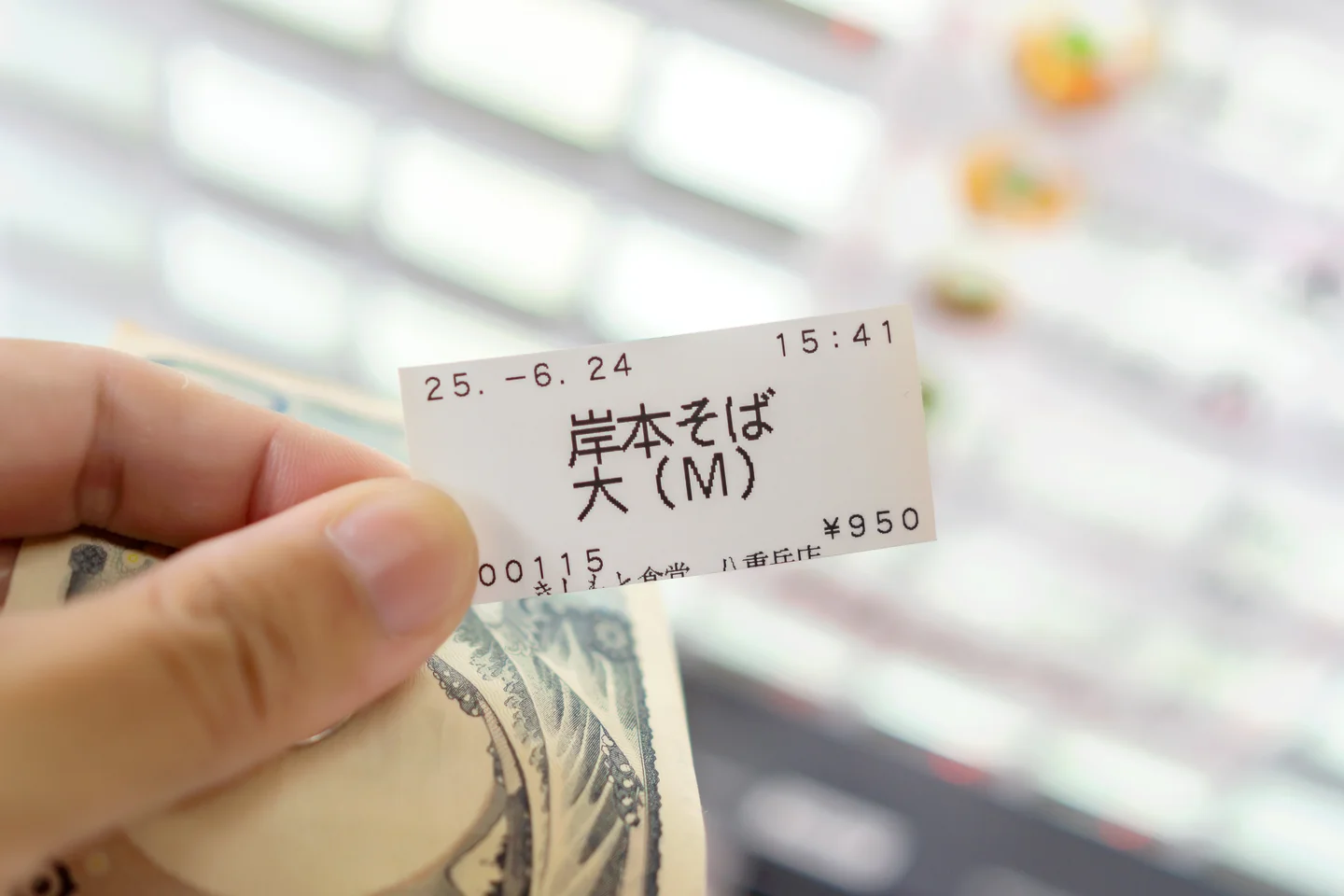
Normally I’d have gone for the large, but I ordered a medium because I was going to have jushi with it. They said they’d run out of jushi that day, so I thought I wouldn’t get any.. then they gave me some on the house..
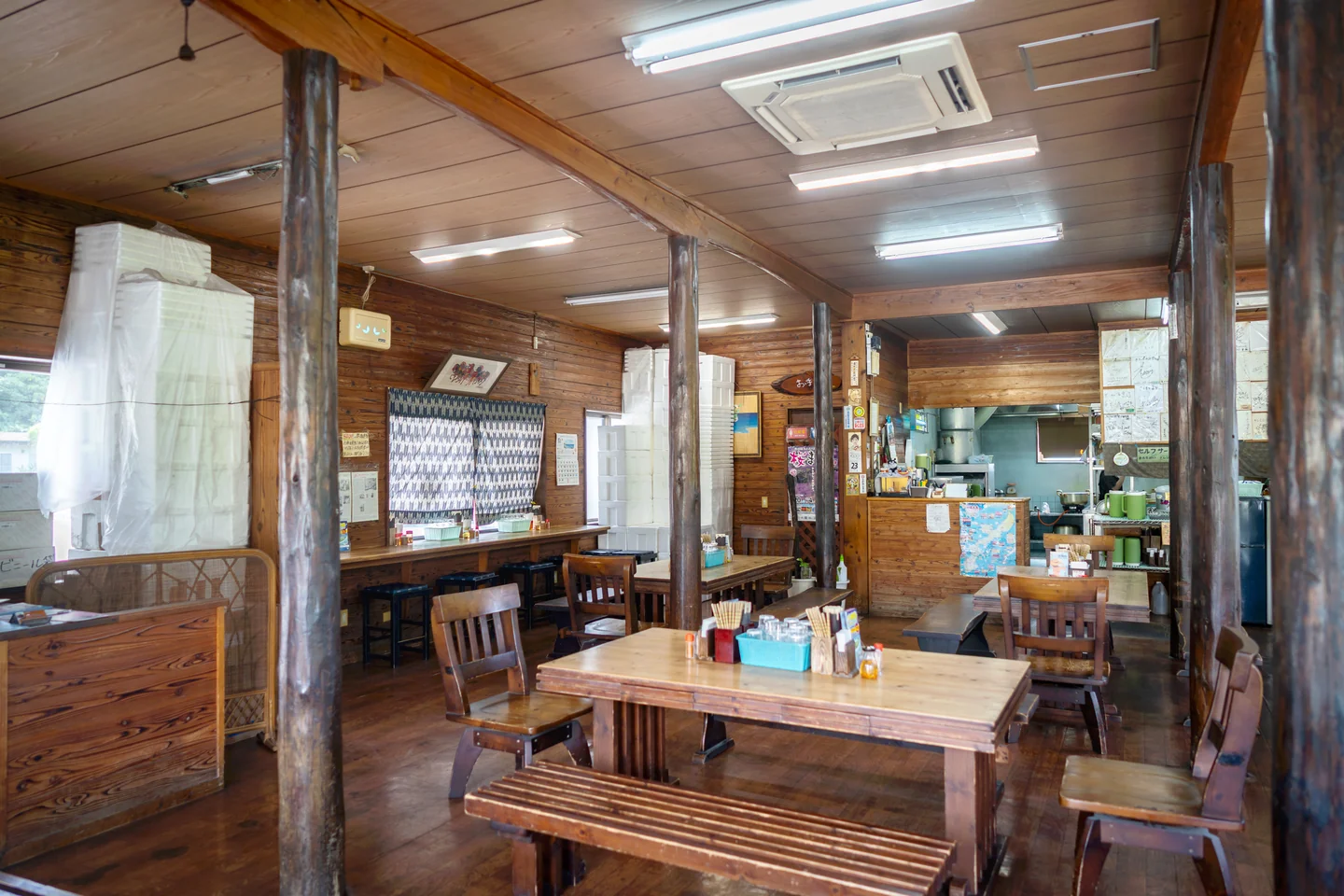
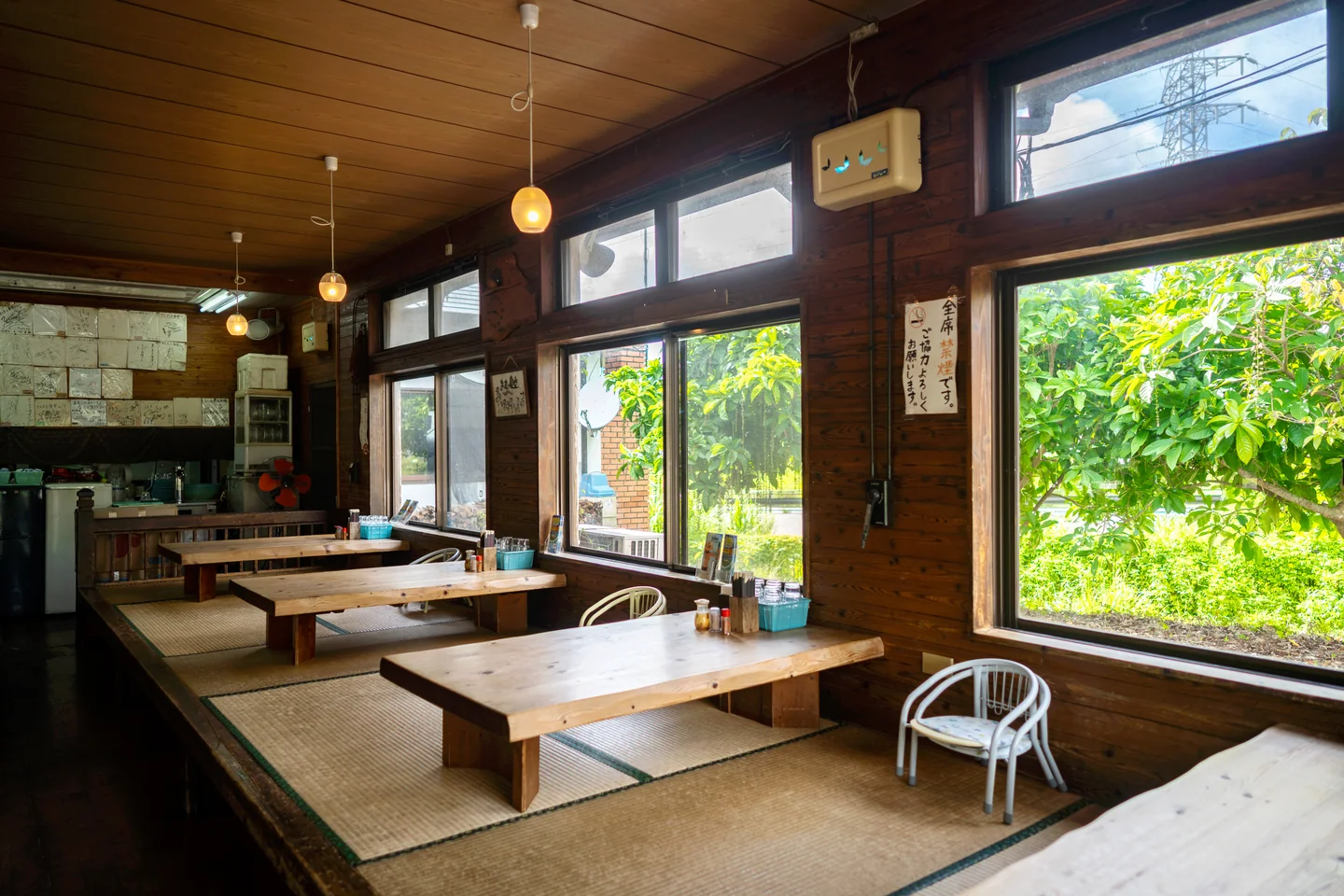
Here’s the inside of the restaurant. Quite a handsome wooden building.
Okinawa soba and jushi
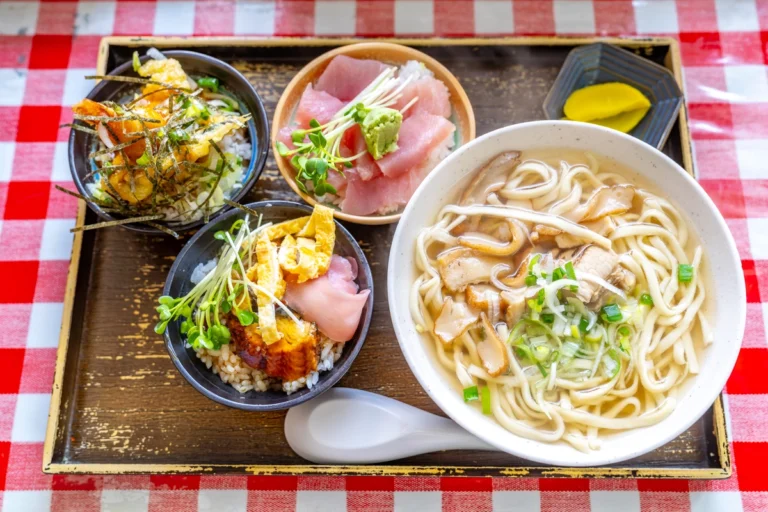
I chose medium soba and had it with jushi, which I thought had sold out but was given on the house.
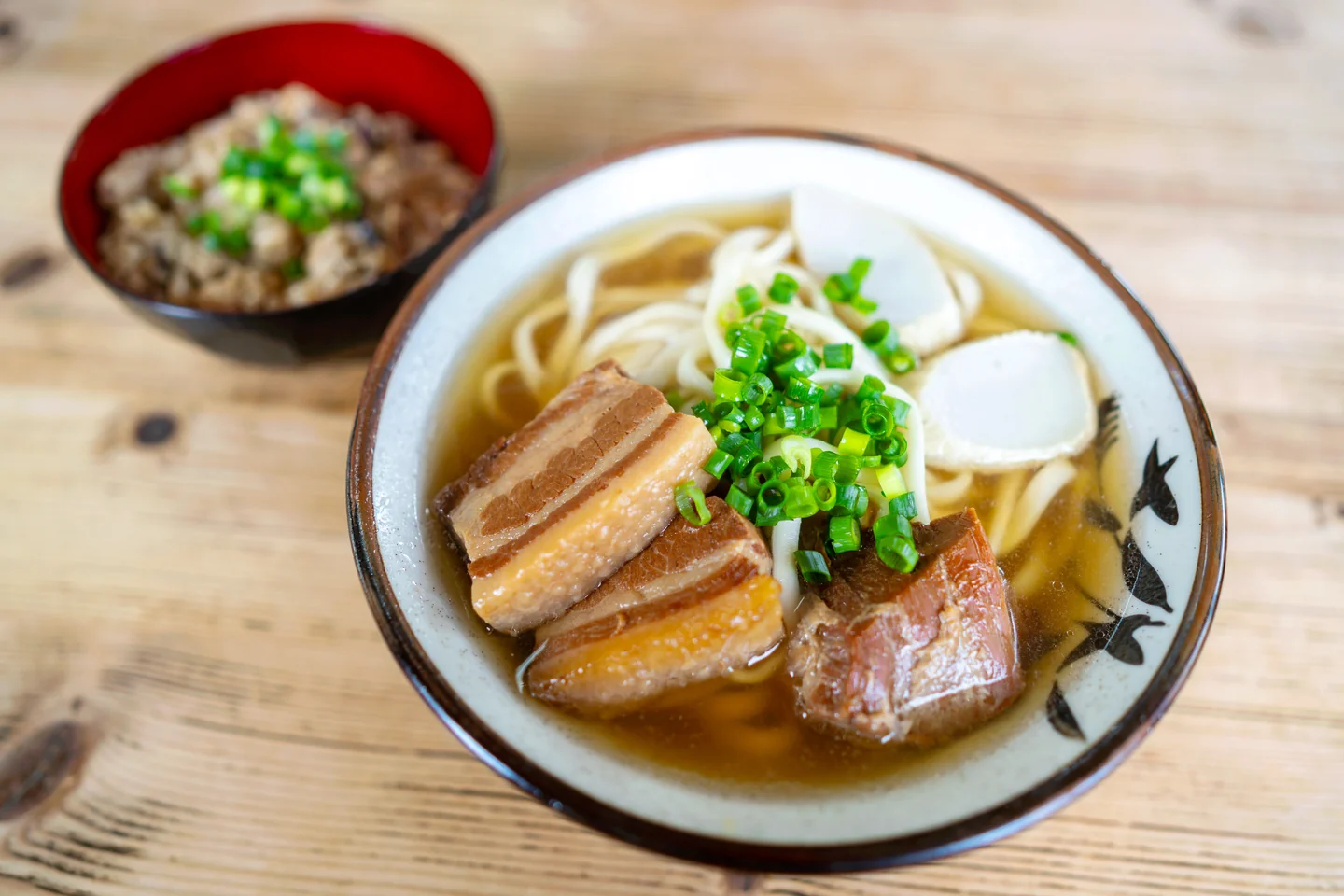
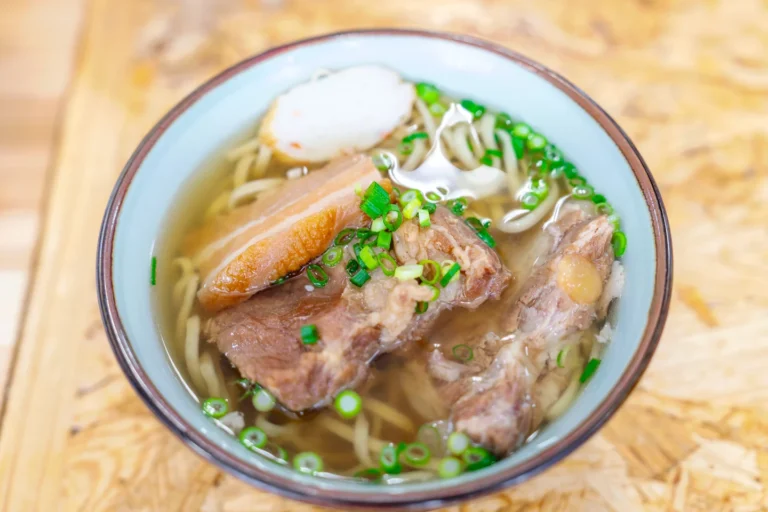
The Okinawa soba at Kishimoto Shokudo is a kind of soki soba. The style topped with braised pork belly. I’ve tried making Okinawa soba at home, and that braised pork belly, rafute, is the most expensive ingredient. And Kishimoto Shokudo’s soki soba comes topped with rafute. Soki and rafute are actually different ingredients, but in Okinawa they just lump it all together as soki soba.
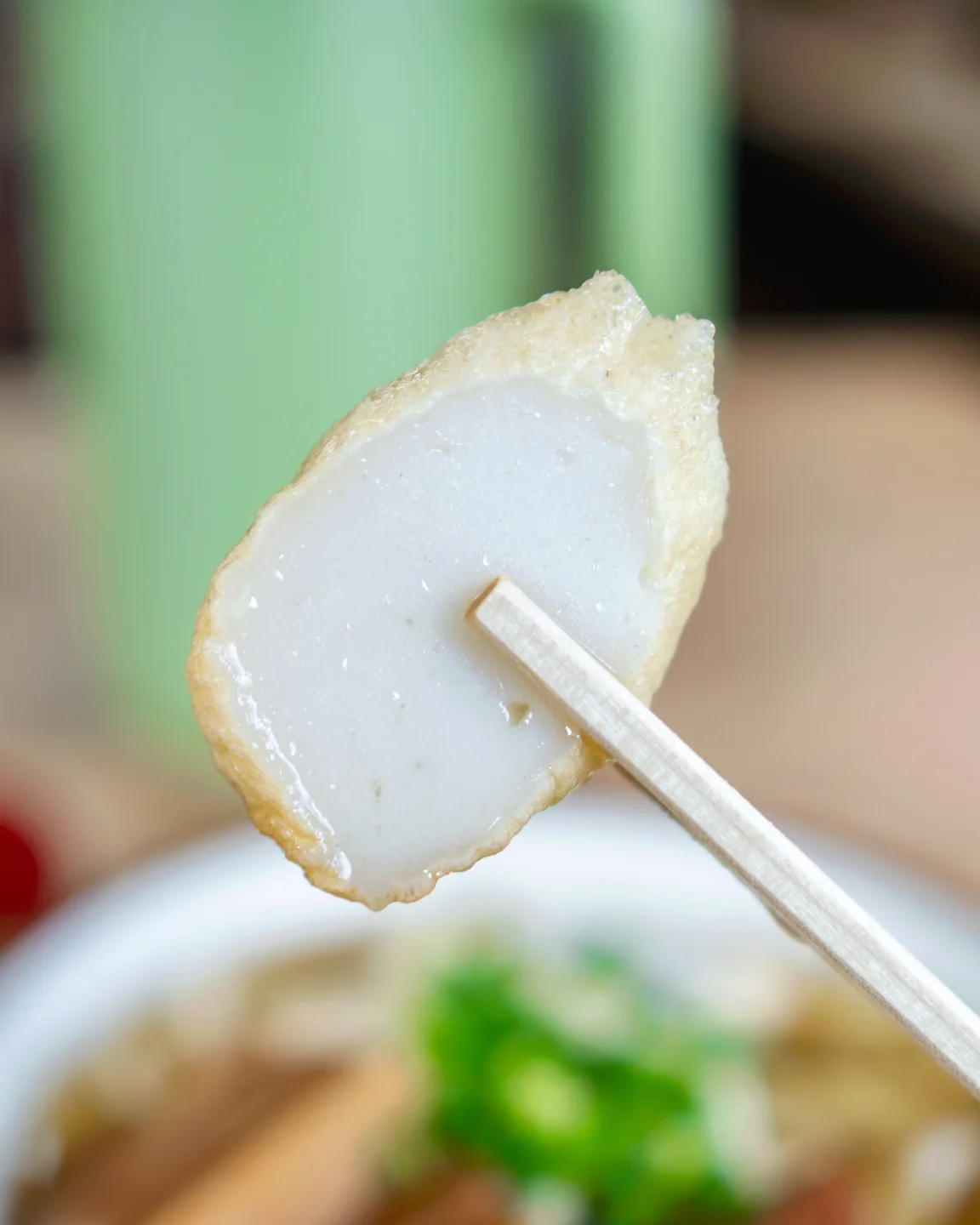
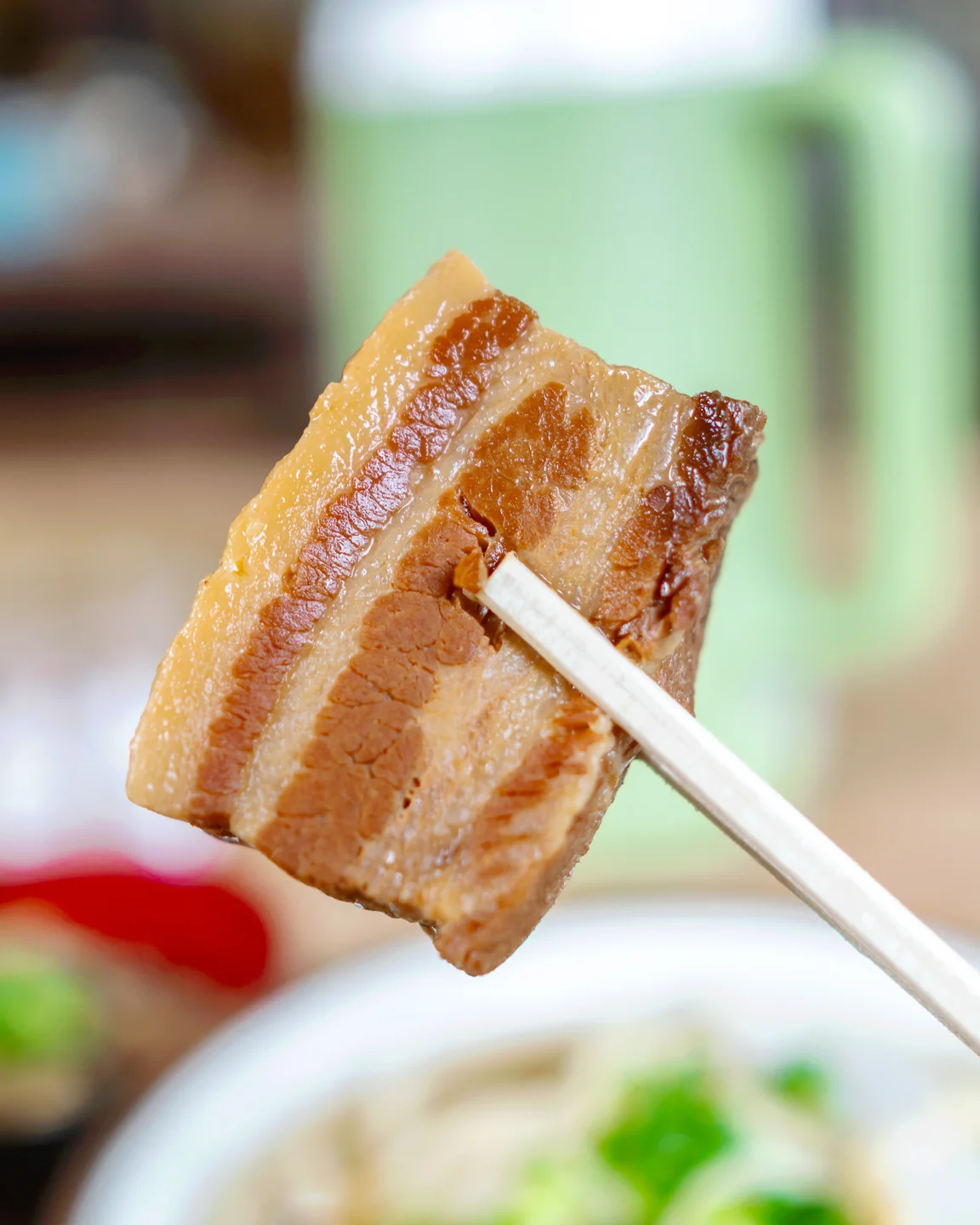
The toppings are fish cake and rafute. Rafute is a traditional Okinawan dish of pork belly braised with soy sauce, sugar and awamori, Okinawa’s traditional liquor. In Korean terms, think seasoned pork belly. How could that possibly taste bad?
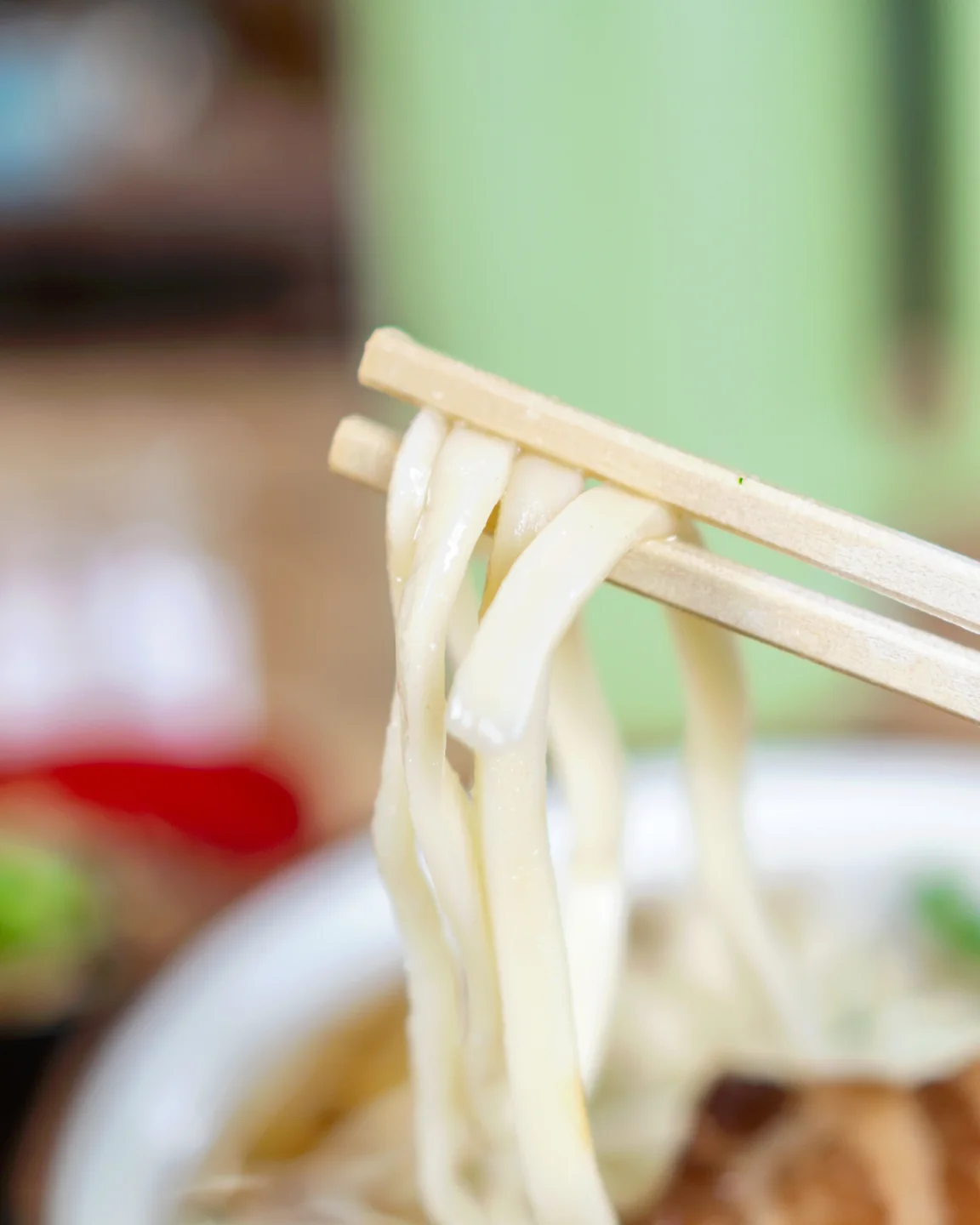
And the biggest issue is.. the noodles here.. They’re Okinawan-style. But they’ve met us halfway a little. Older Koreans really hate fully traditional Okinawan noodles, but these aren’t quite that traditional style: they’re cooked a little longer.
Even so, they’re still not the sort of noodles older diners would like. I thought they were really good.
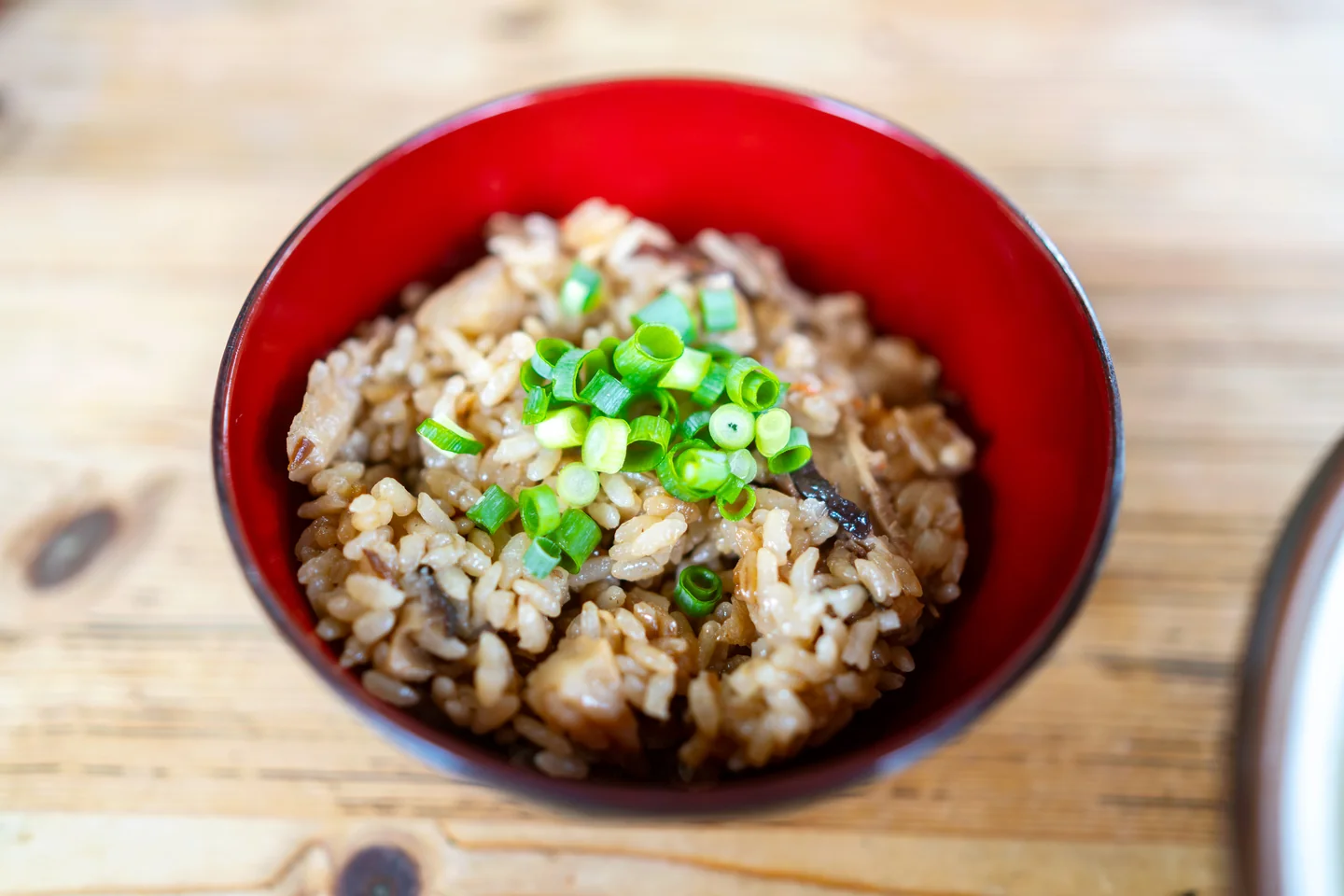
This is jushi, Okinawan-style multigrain rice.
It’s just the rice Okinawans eat as a staple, so reading a Google review saying it wasn’t as tasty as expected gave me.. a lot to think about. Imagine a foreign visitor coming to Korea, eating plain white rice and leaving a comment saying, “It wasn’t as tasty as I expected.” What would a Korean reading that think?
Well.. it does get me thinking.
Anyway, it’s rice made with things like shiitake mushrooms, carrots, konjac and crown daisy, lightly seasoned with soy sauce. Just try it as a taste of what Okinawans eat. It’s an everyday rice staple, so it isn’t particularly strongly seasoned.
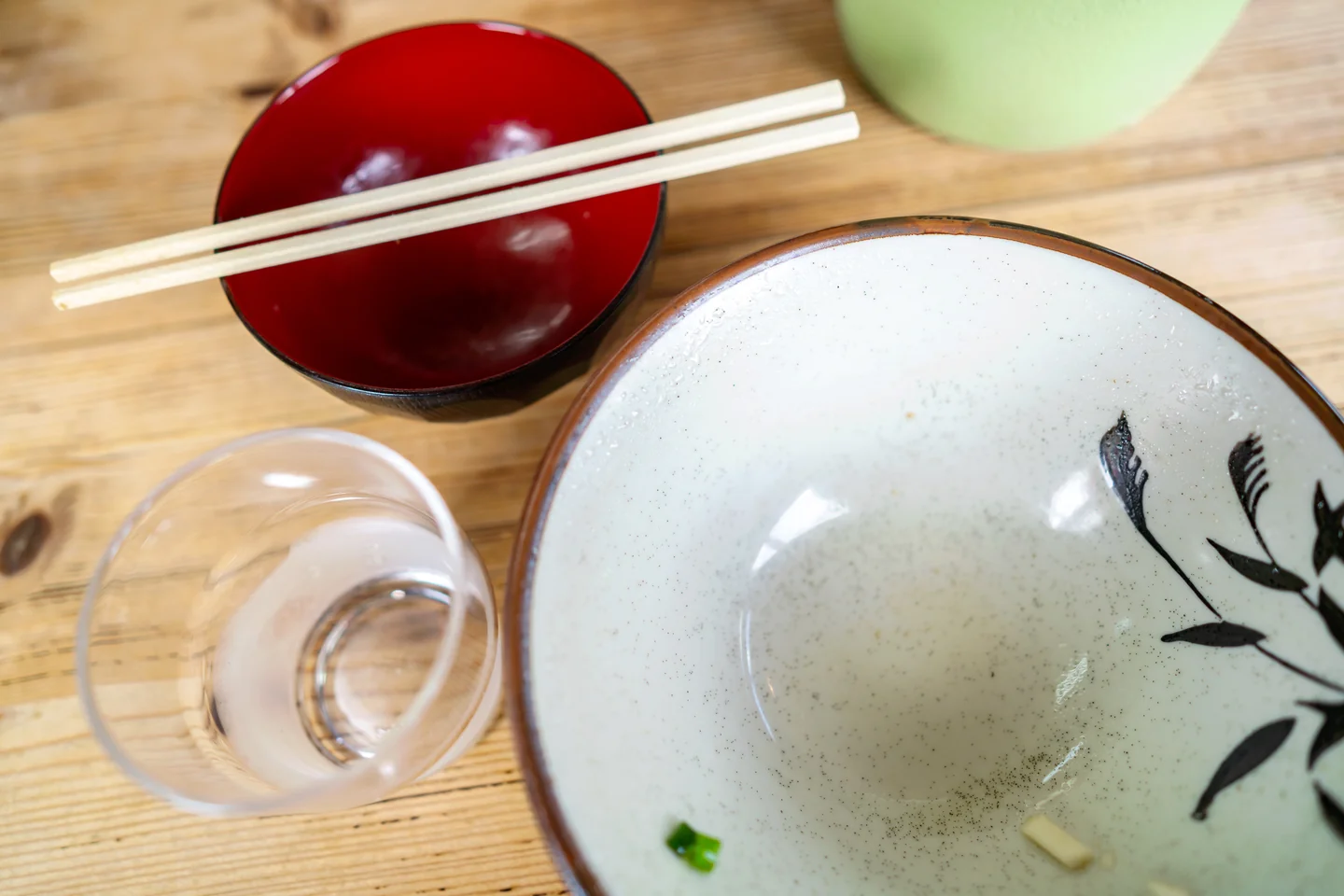
Anyway, I really enjoyed the meal. I’ve been to lots of soba places in Okinawa, and I think this one does it best. For something a little more casual,, with Okinawa soba that’s easier for older diners to eat, go to Yuunami in Naha. They cook the noodles until they’re very soft, so older diners can enjoy them too.
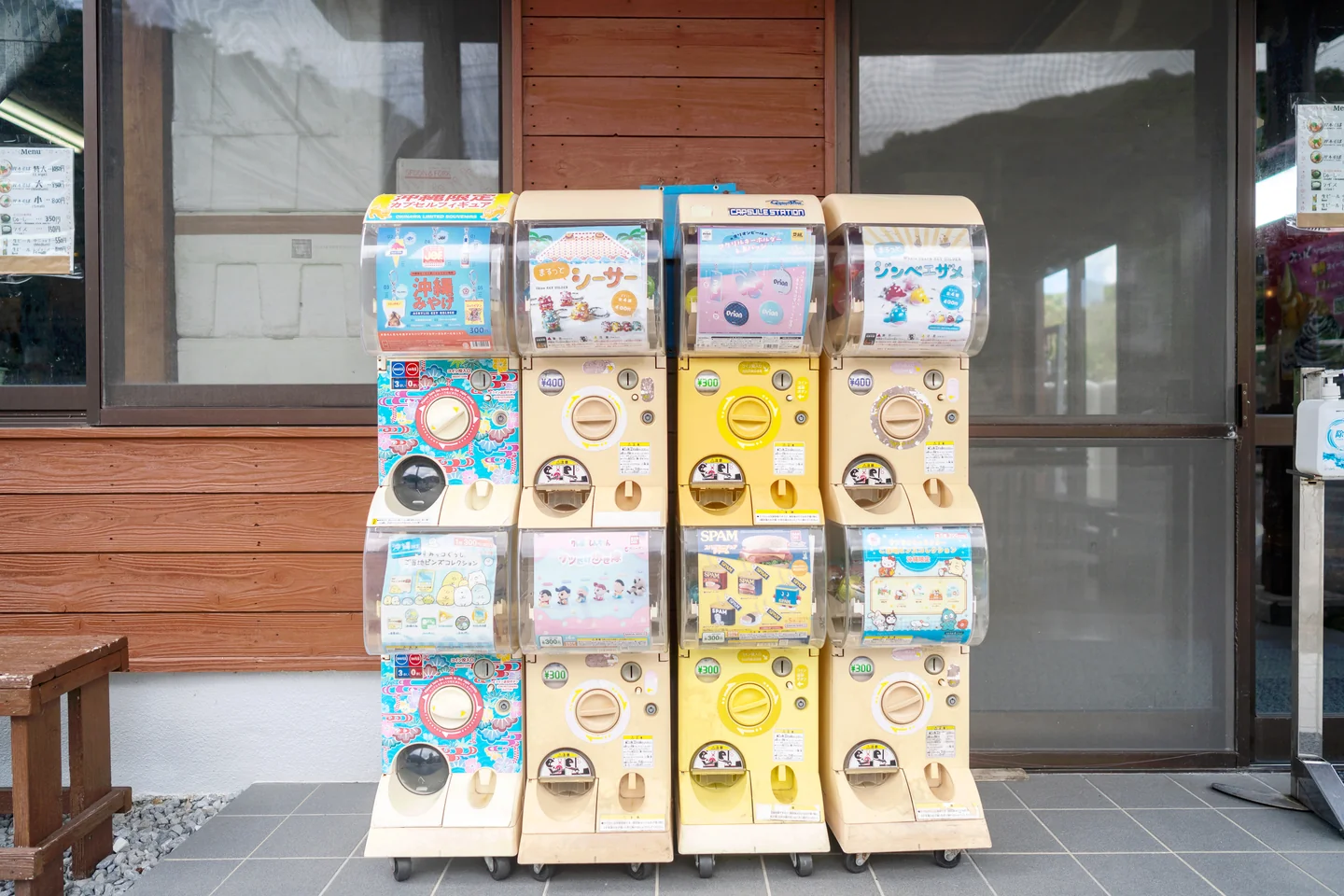
That’s all for today. Give it a try if you’re traveling around northern Okinawa.
- The original restaurant is elsewhere; Yaedake is the second branch. It is bigger than the original and close to Yaedake Sakuranomori Park.
- The restaurant has a fairly spacious parking lot. The restaurant itself is quite big too, so it may feel different if you go expecting a small place.
- They let you order several portions at once. A single bowl of soba does not cost that much; just choose the size you want: large, medium or small.
- The hours listed when I visited were 11 a.m. to 4:30 p.m. daily. It is a 10–15-minute drive from Churaumi Aquarium and Bisezaki, so it is a good option for a daytime meal while visiting the area.
- It is an everyday rice staple, so it is not particularly strongly seasoned. It is multigrain rice made with things like shiitake mushrooms, carrots, konjac and crown daisy, lightly seasoned with soy sauce.
- They said they had run out of jushi on the day I visited. I thought I wouldn't get any, but they gave me some on the house, so don't go expecting that to happen every time.