Miyakojima souvenirs: Local specialties from the airport
Unpacking souvenirs at home after shopping for Miyako local specialties
Haisai! I’m CULT.
Today I’m talking about shopping for Miyakojima local specialties. These are things I bought on my last business trip. I chose only Miyakojima products, leaving out anything from Okinawa, so consider picking some up before heading home from Miyako Island. Just to be clear, I left out all the Okinawa products.
Shopping at the airport
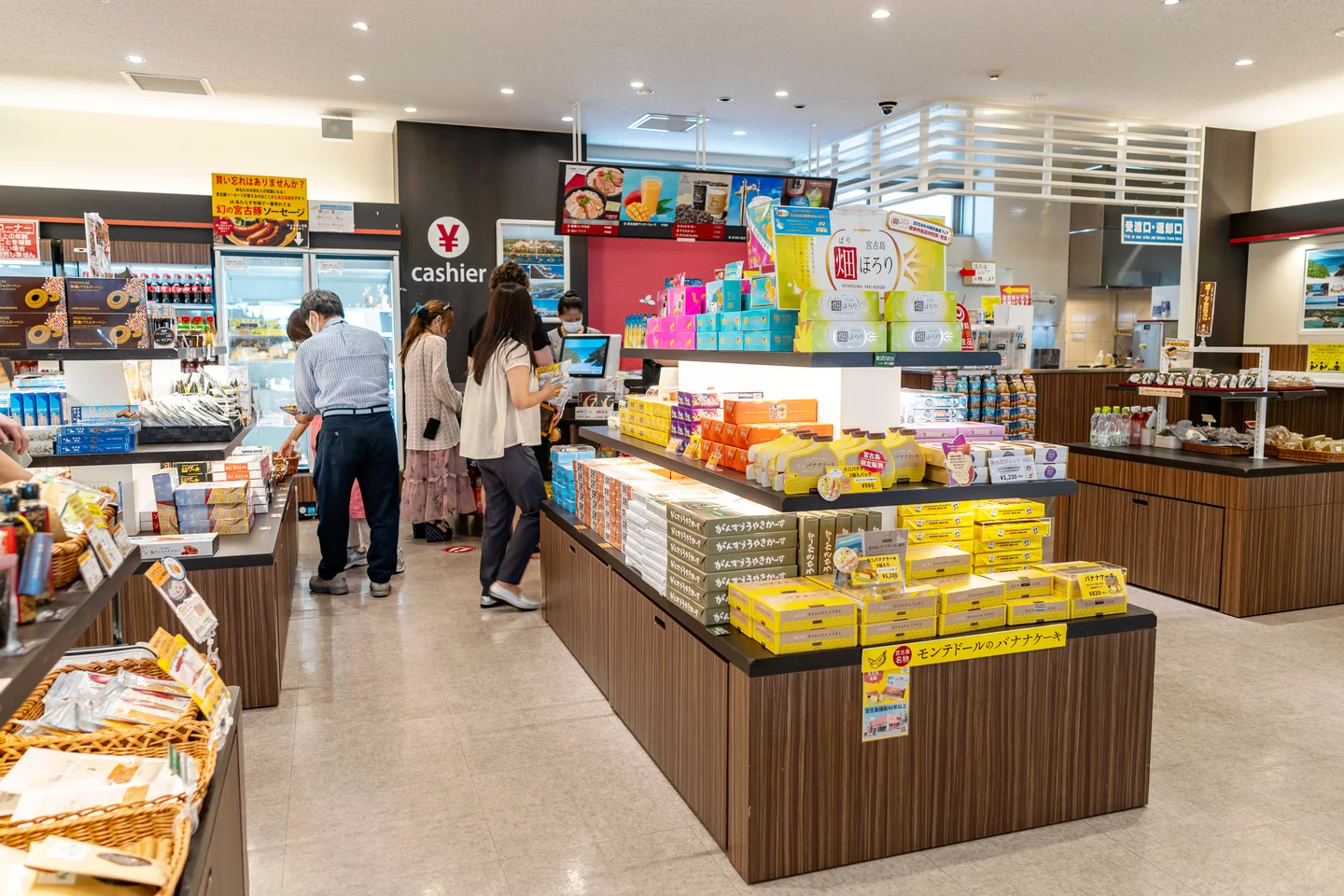
I found few souvenir shops while exploring the island, so I kept things simple and shopped at the airport.
Miyakojima souvenir shopping list at a glance
I chose only Miyako products and left out those from Okinawa. Have a look for ideas on what to buy before heading home.
Details


I’ve explored pretty much every corner of Miyako Island.. but.. how do I put it.. I didn’t find nearly as many souvenir shops as in Okinawa. The shops were small and only sold their own collaboration products. Even when something was a Miyako product.. it was all so scattered that I’d need to gather those finds into a separate post later.
So keep things simple.. buy at the airport. There’s nothing particularly unusual there.. just plenty of Miyako local specialties.
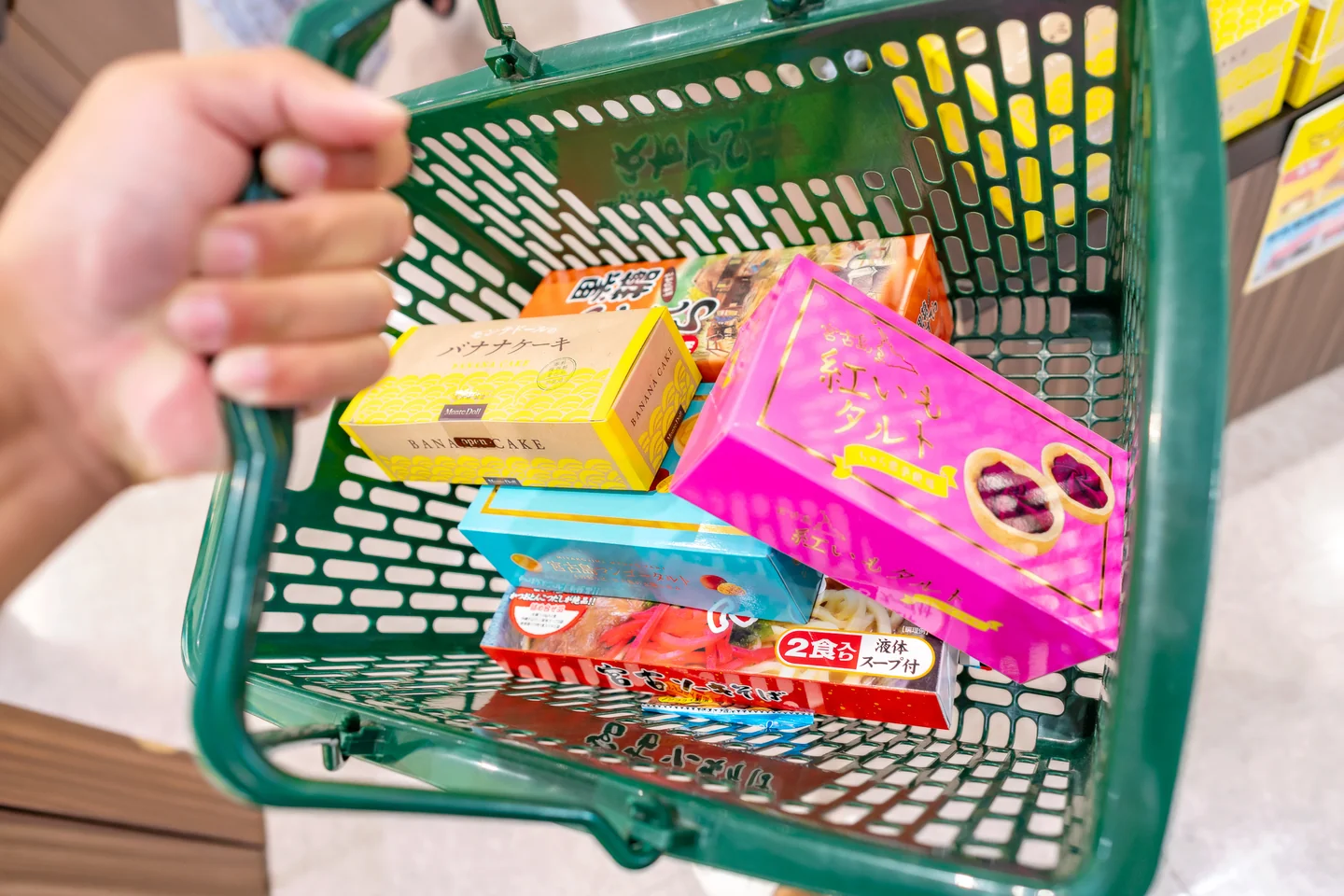
Here’s roughly what I bought.
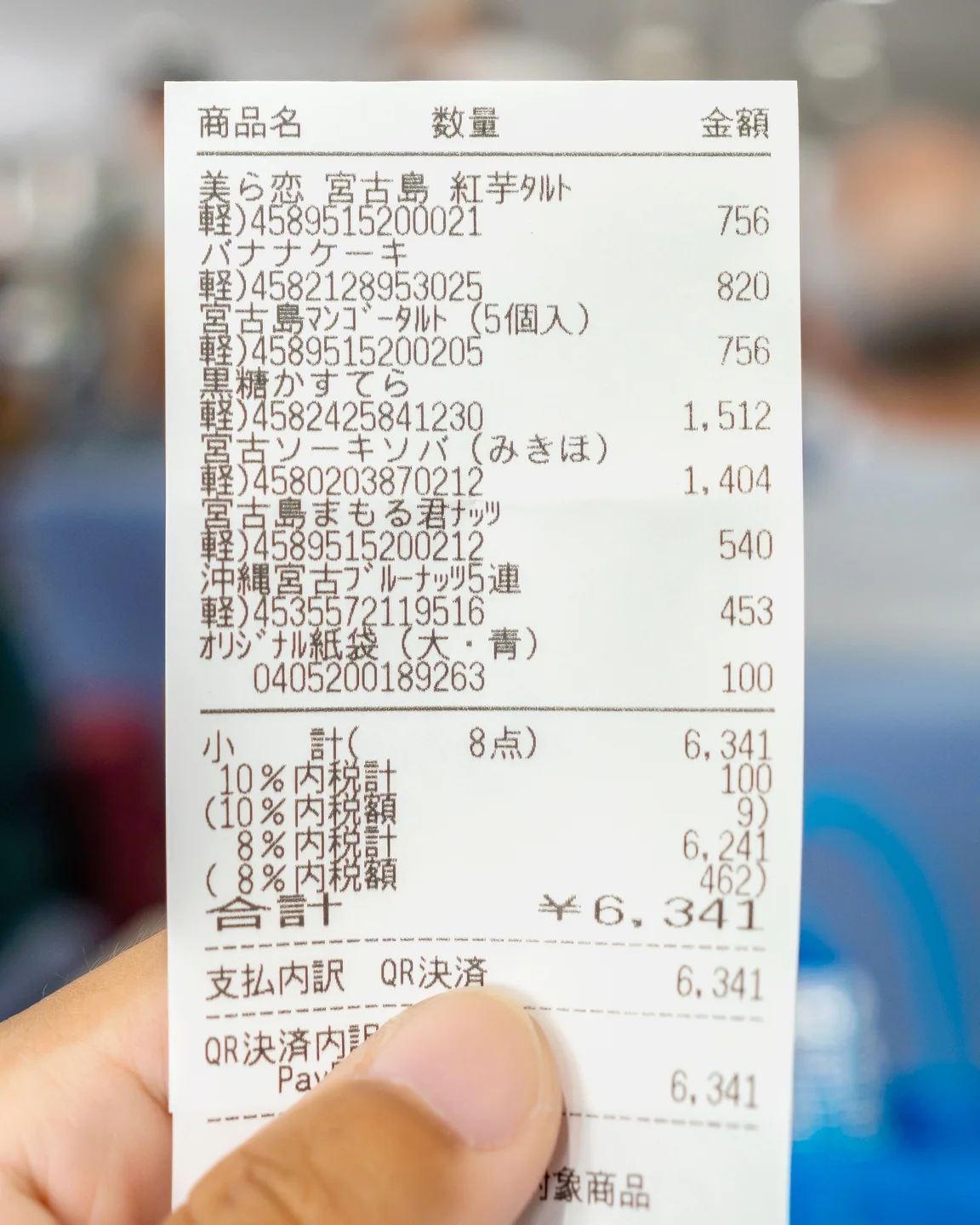
I took a separate photo of the receipt like this.
Unpacking everything at home
Packaging only tells you so much. After trying everything at home, I found some I’d definitely buy again and others that weren’t to my taste.
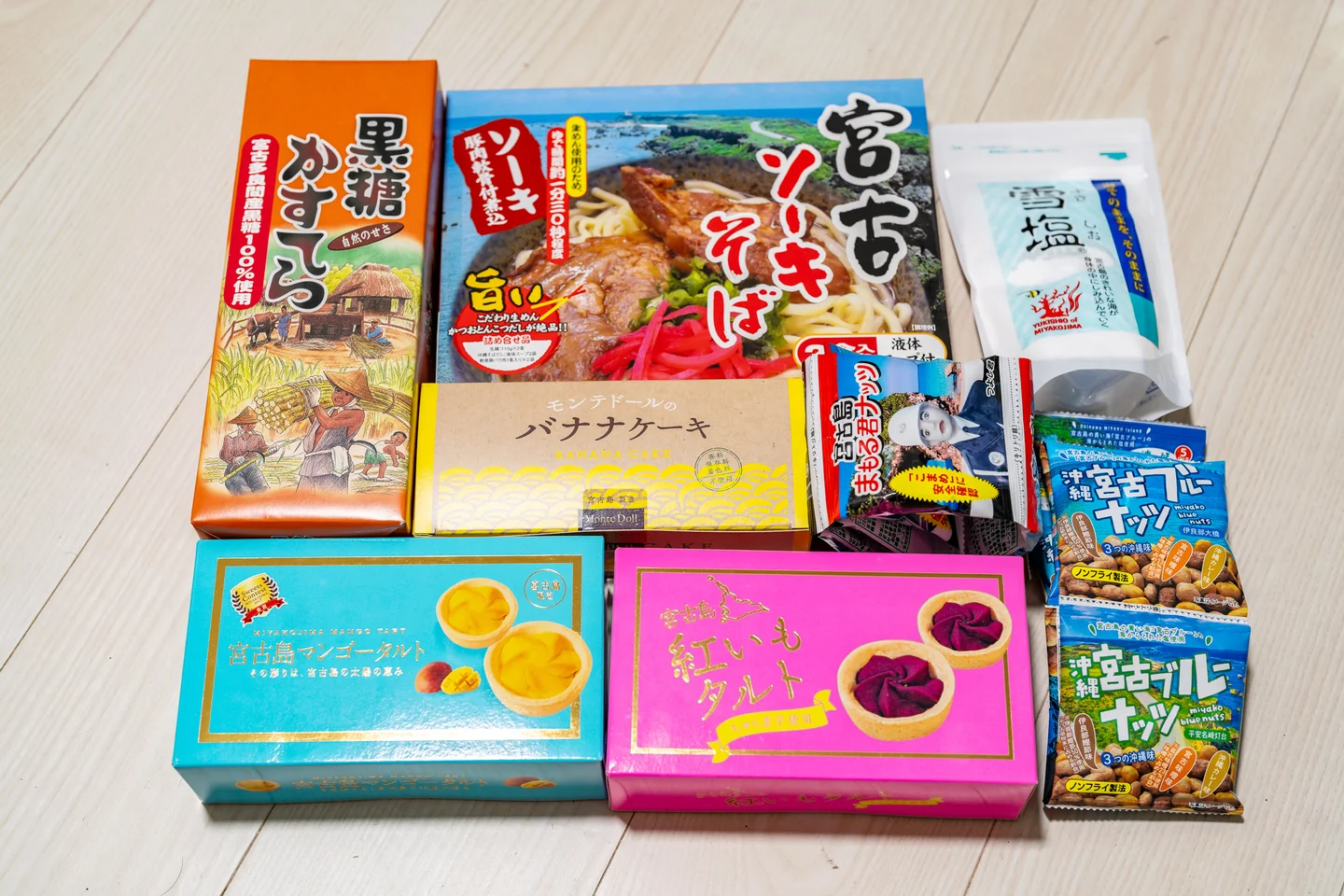
Here’s everything I bought. The Miyako salt at the top right.. I bought that separately at a supermarket. It’s really expensive on Okinawa’s main island too.. I thought it’d be cheaper in Miyako.. but the price was exactly the same..
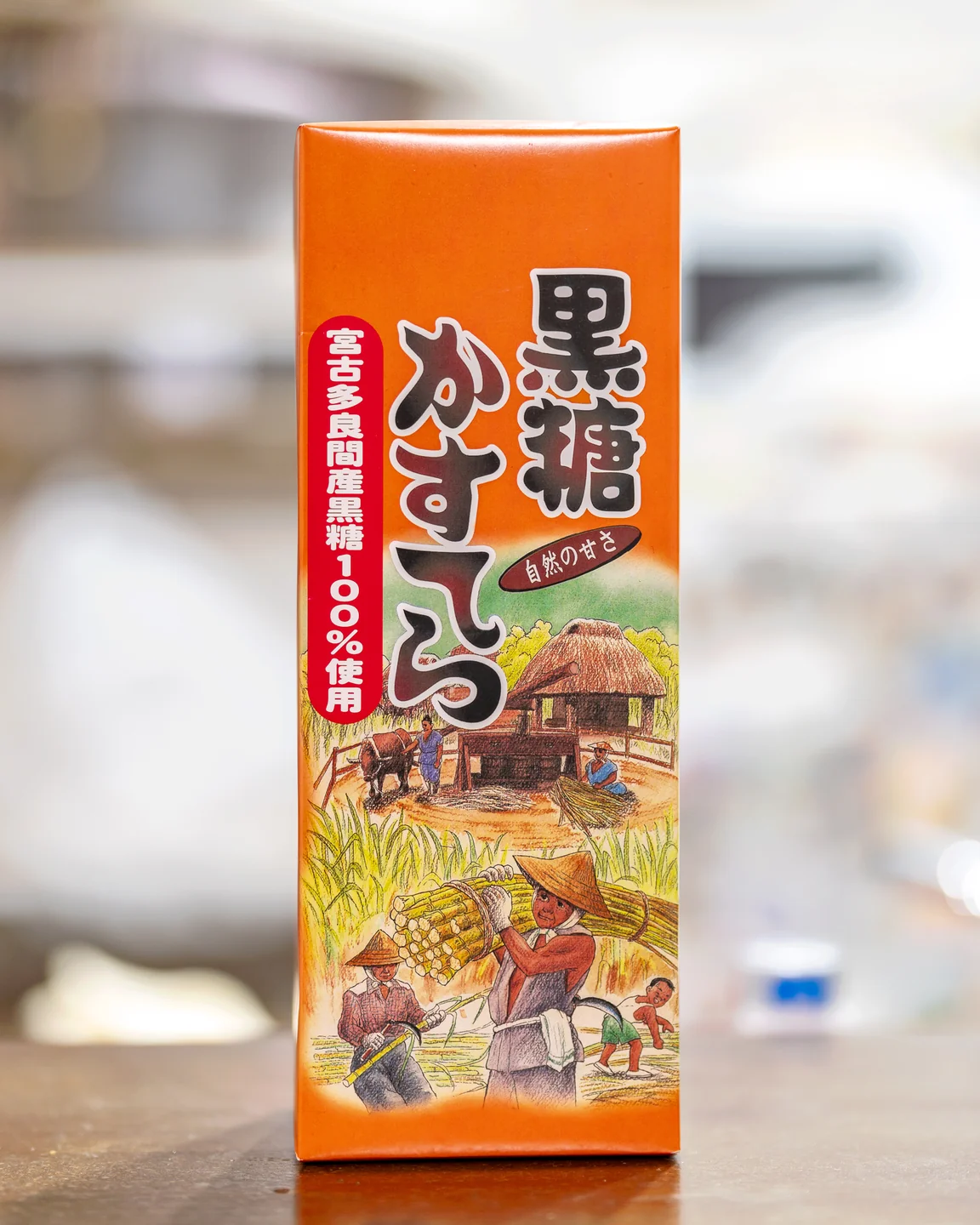
It’s called kasitella in Korean, kasutera in Japanese.
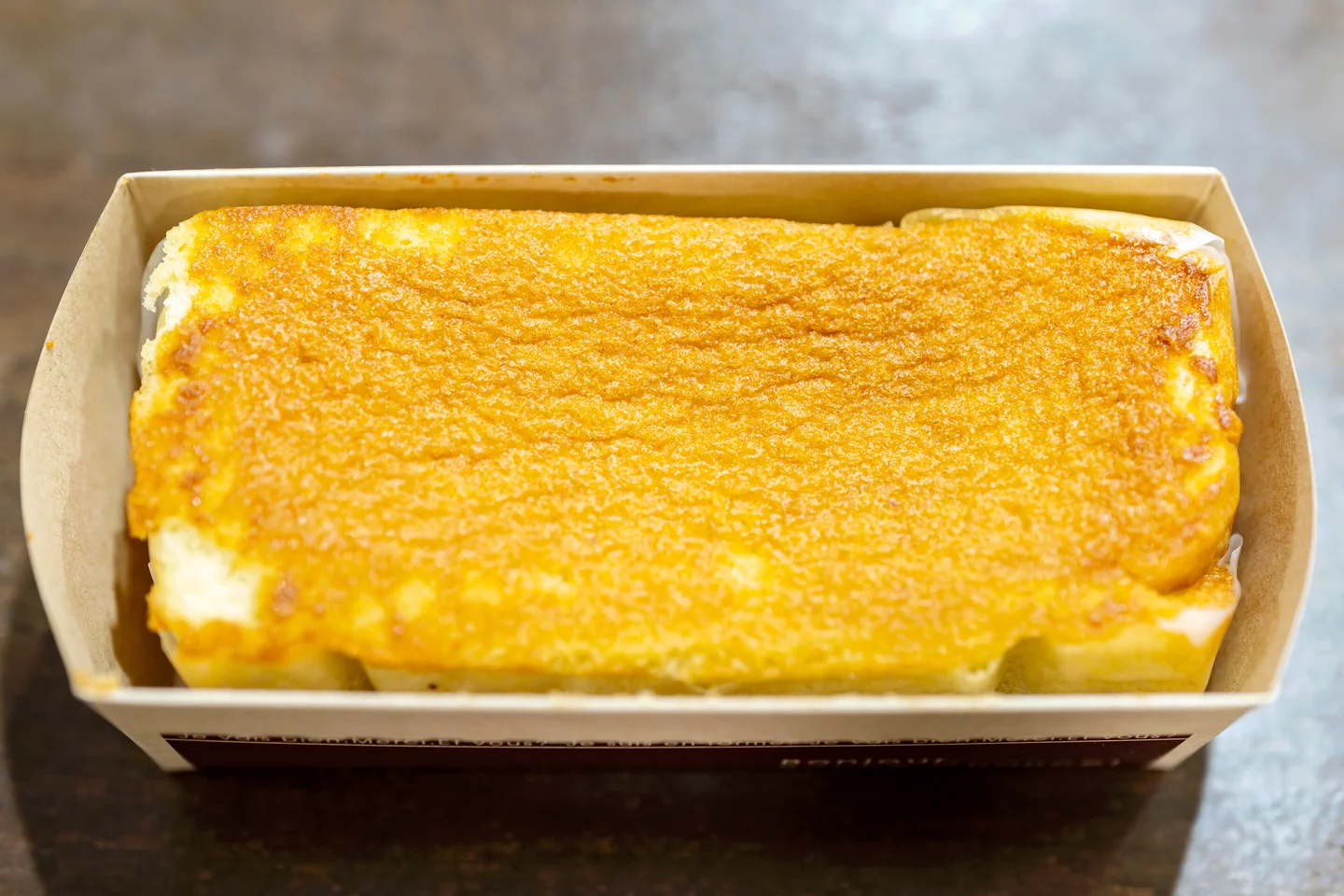
This one.. is castella topped with brown sugar from Miyako. Taking the photos, I realized I was starting with a highlight,
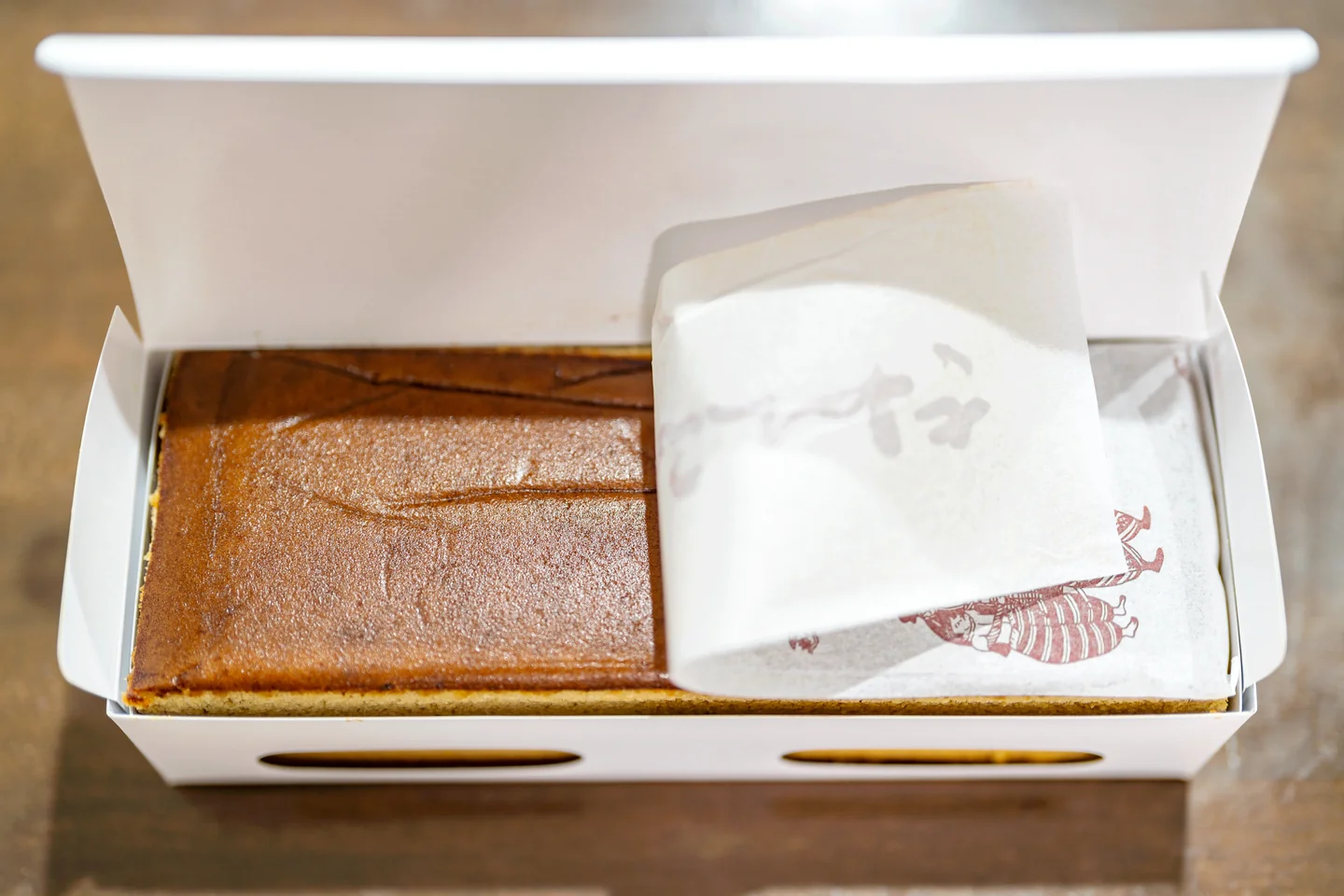
It’s not much different from regular castella. Just the usual Japanese castella packaging.
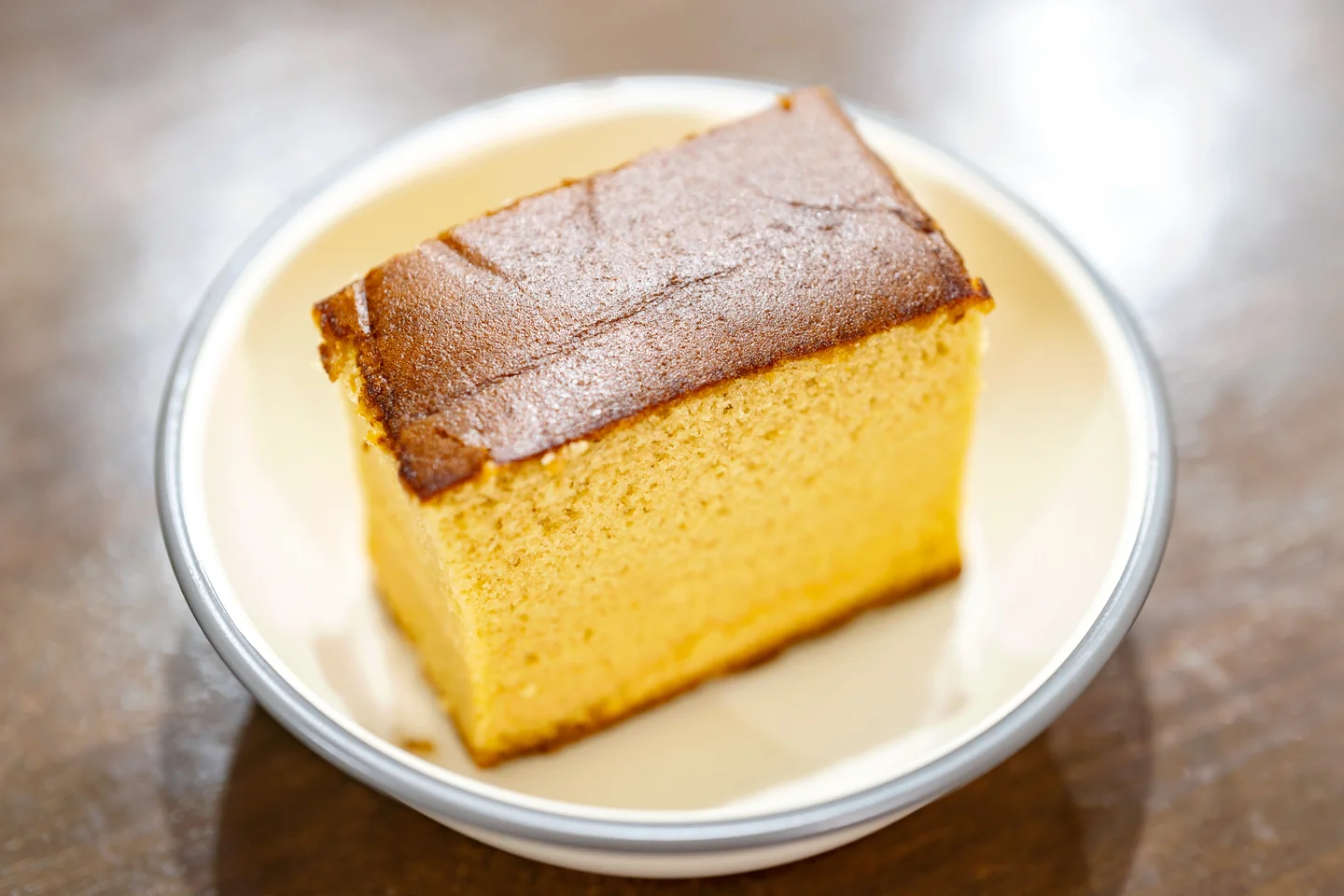
This is good. Brown sugar is so sweet that the castella is pretty sweet too. It would make a nice gift, though it’s a bit expensive at 1,512 yen. Given the taste, I think that’s fair.. There’s quite a lot, too. I think I ate it over about a week, a little each day. This one gets my recommendation.
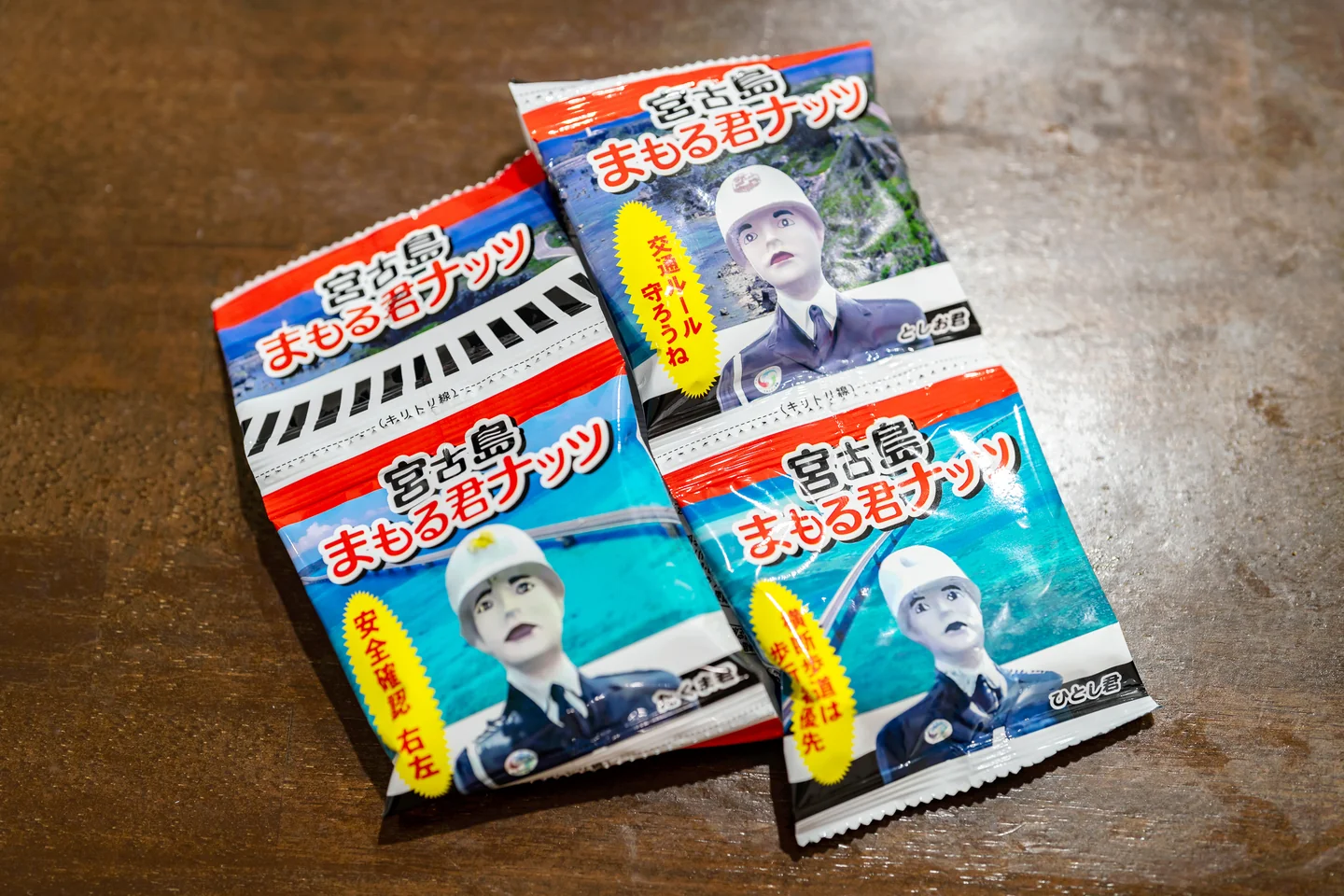
Mamoru-kun Nuts are a fried snack made with peanuts + brown sugar. These are seriously good. A must-buy 😀
After getting back to Okinawa and finishing them.. I looked for other fried peanut + brown sugar snacks.. but none tasted like these. They cost 540 yen and come in a strip of connected snack bags.
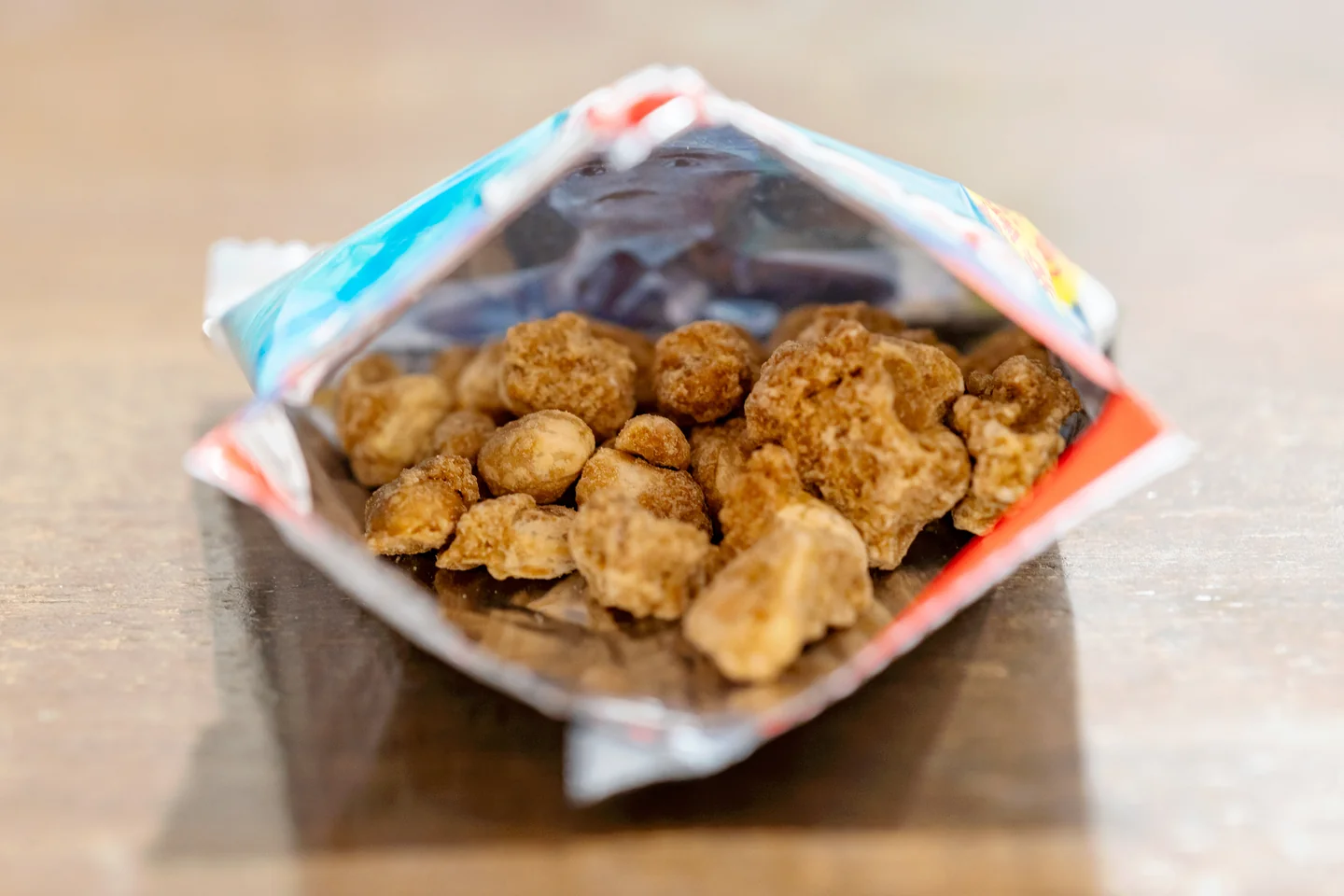
These fried brown sugar snacks.. all seem to have irregular shapes. I didn’t expect much when I first saw them, but they turned out to be really good.. You have to buy these.
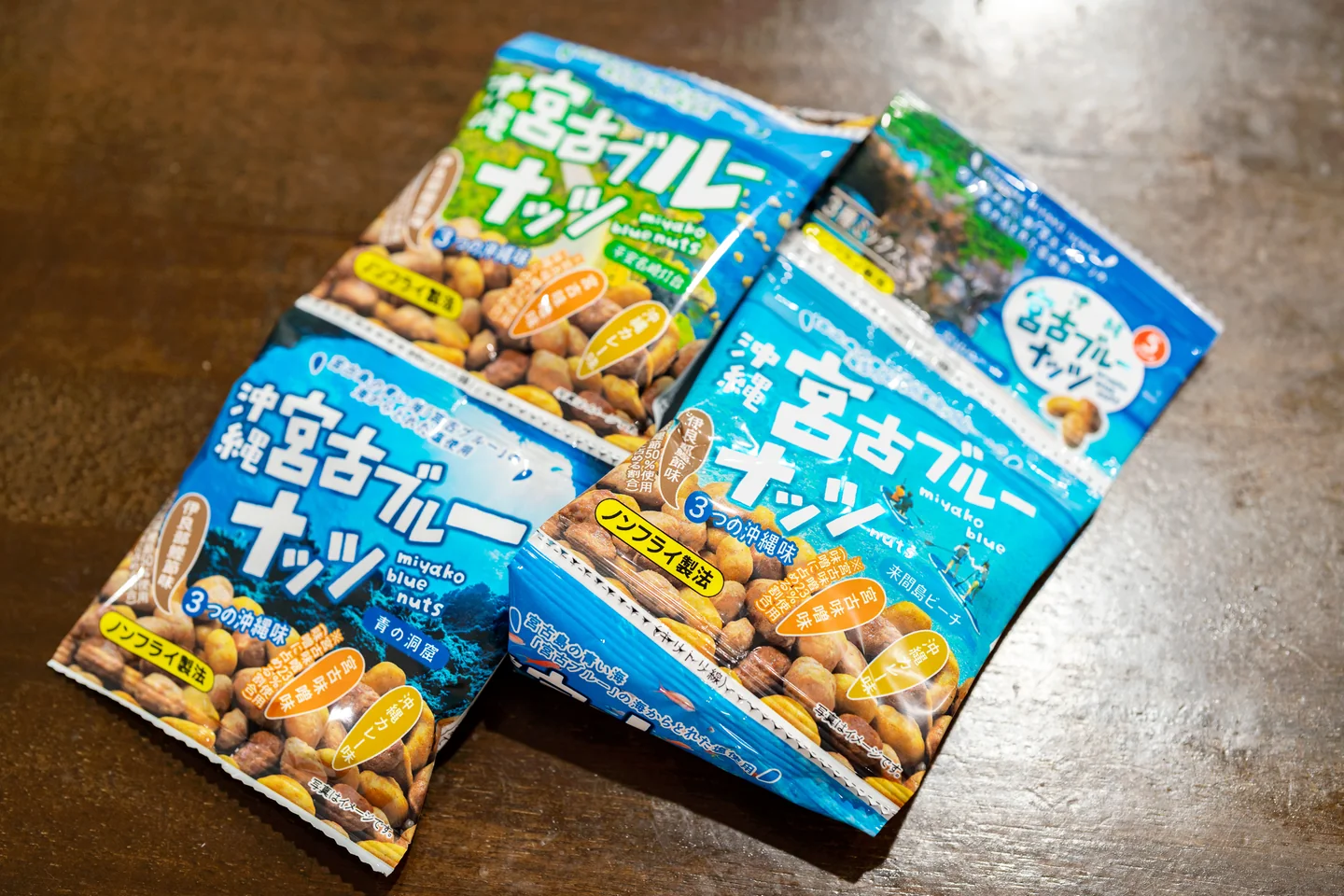
This product is called Miyako Blue Nuts.. Hmm.. I’ve had something like this in Korea.
It’s a roasted snack made with peanuts, salt and something else. I’ve definitely tasted this in Korea. The price is 453 yen.
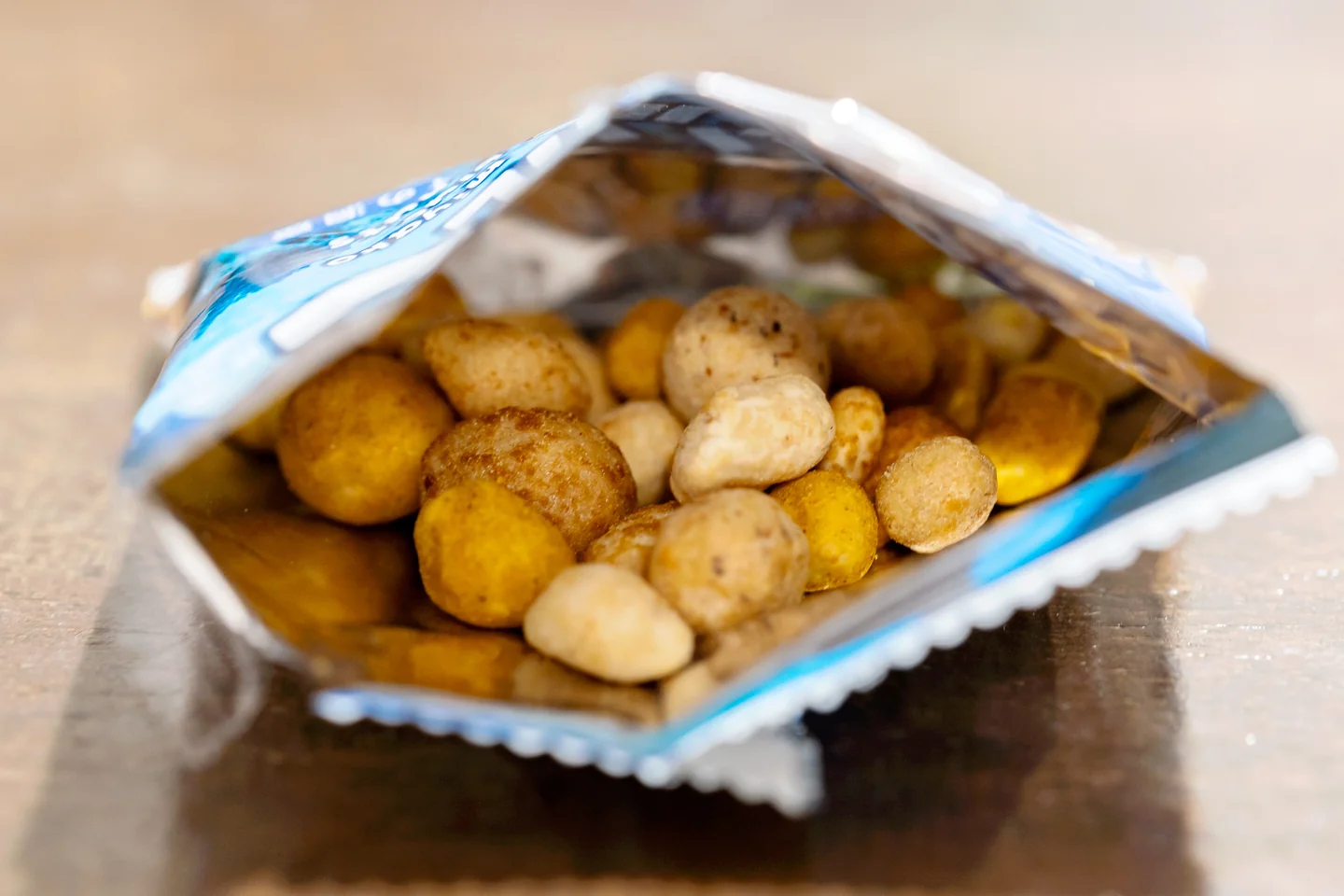
They’re good.. but Mamoru-kun Nuts make much more of an impression.. so if you’re only buying one, I’d recommend those.
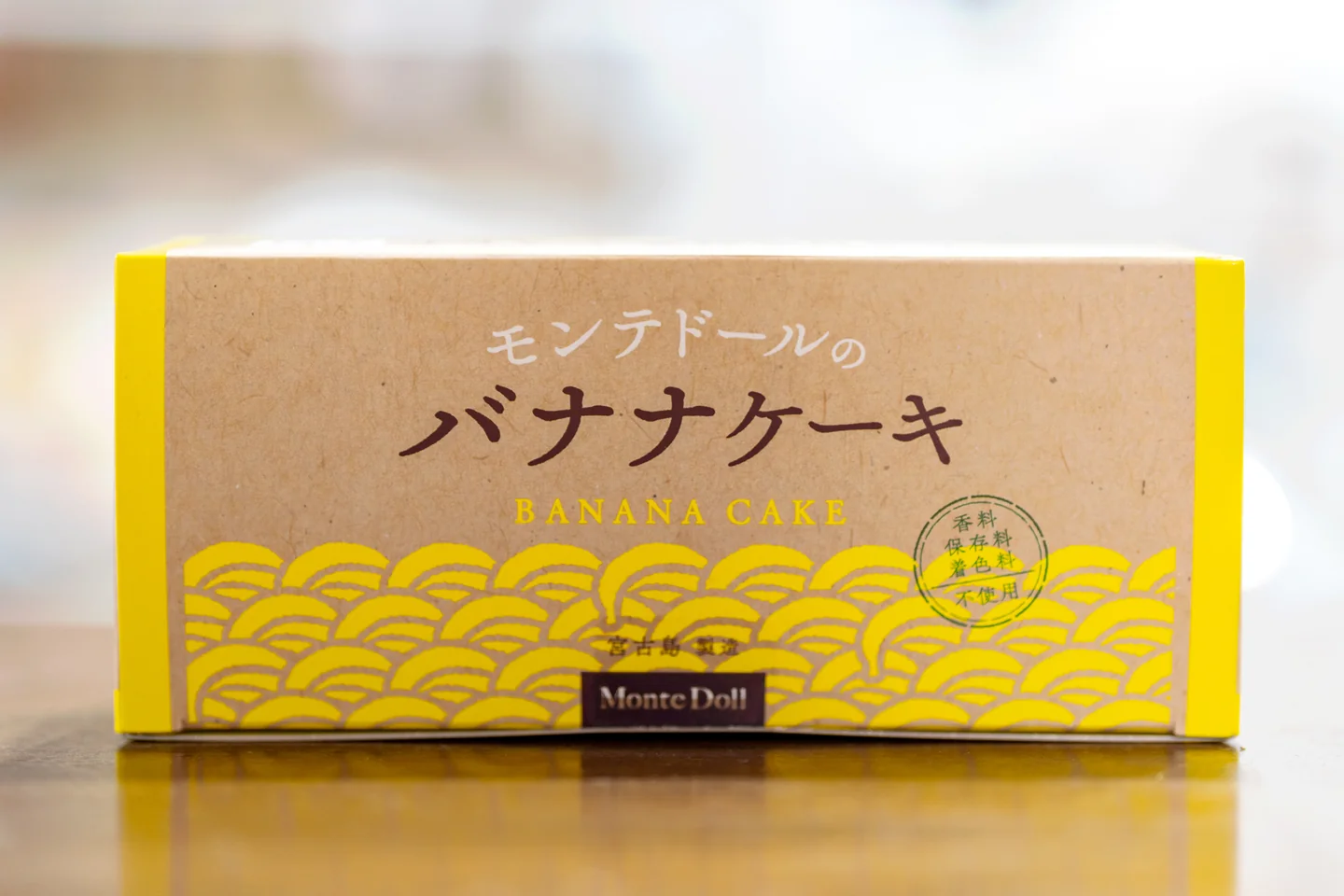
Next is the banana cake. 820 yen.
Hmm.. the packaging is really pretty, which is nice.. and it’s inexpensive..
But it’s not for me. The cake has a strong banana aroma.. but the taste is a bit neither here nor there, like I’m not quite eating cake or a banana. Your tastes may differ, but personally, I wouldn’t recommend it.
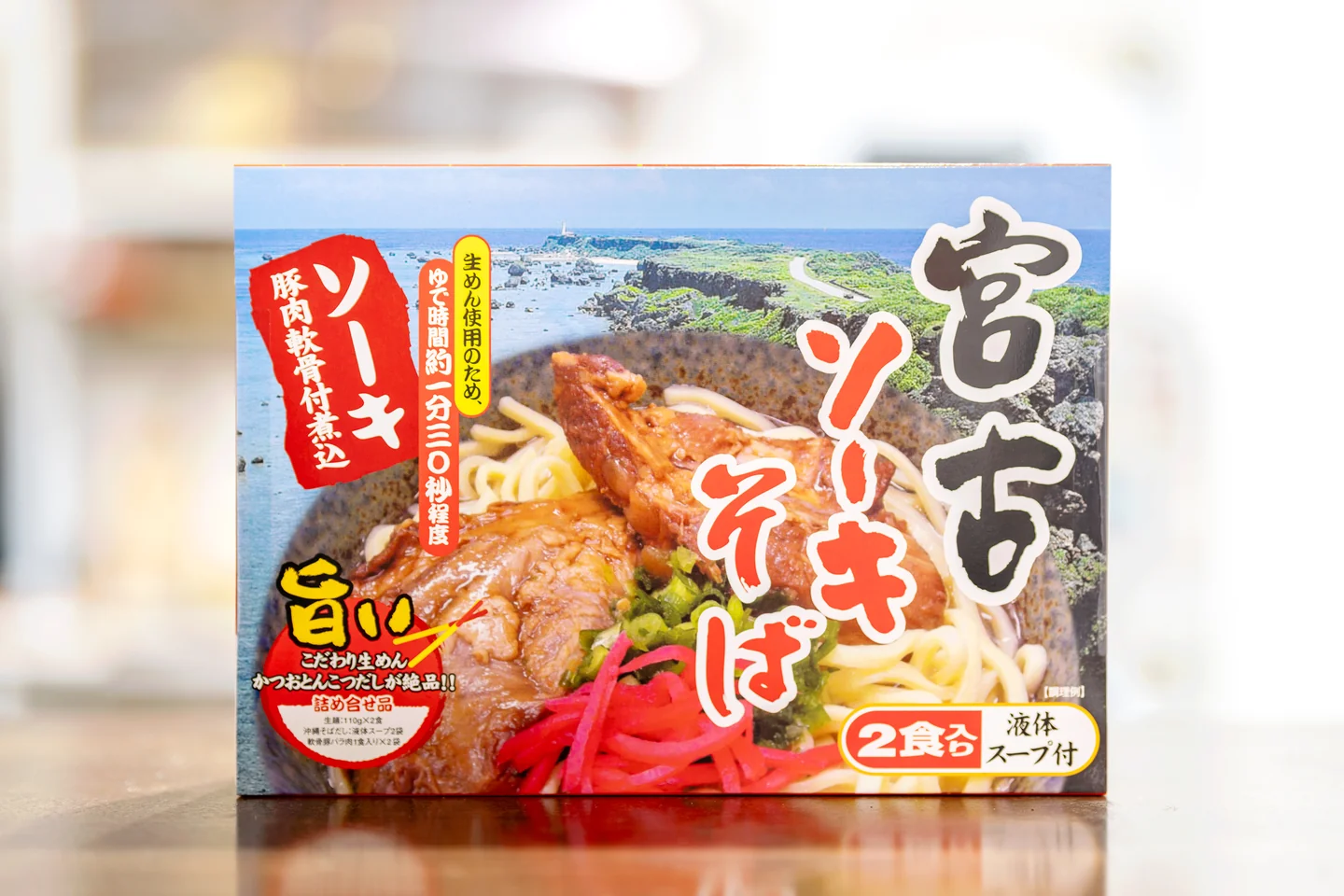
This one.. you can’t buy it to take home. It’ll all be confiscated when you arrive at Incheon Airport (인천공항).
If you want to buy some, get the meat-free version.. There is one.
The price is 1,404 yen.. Whoa.. pricey..
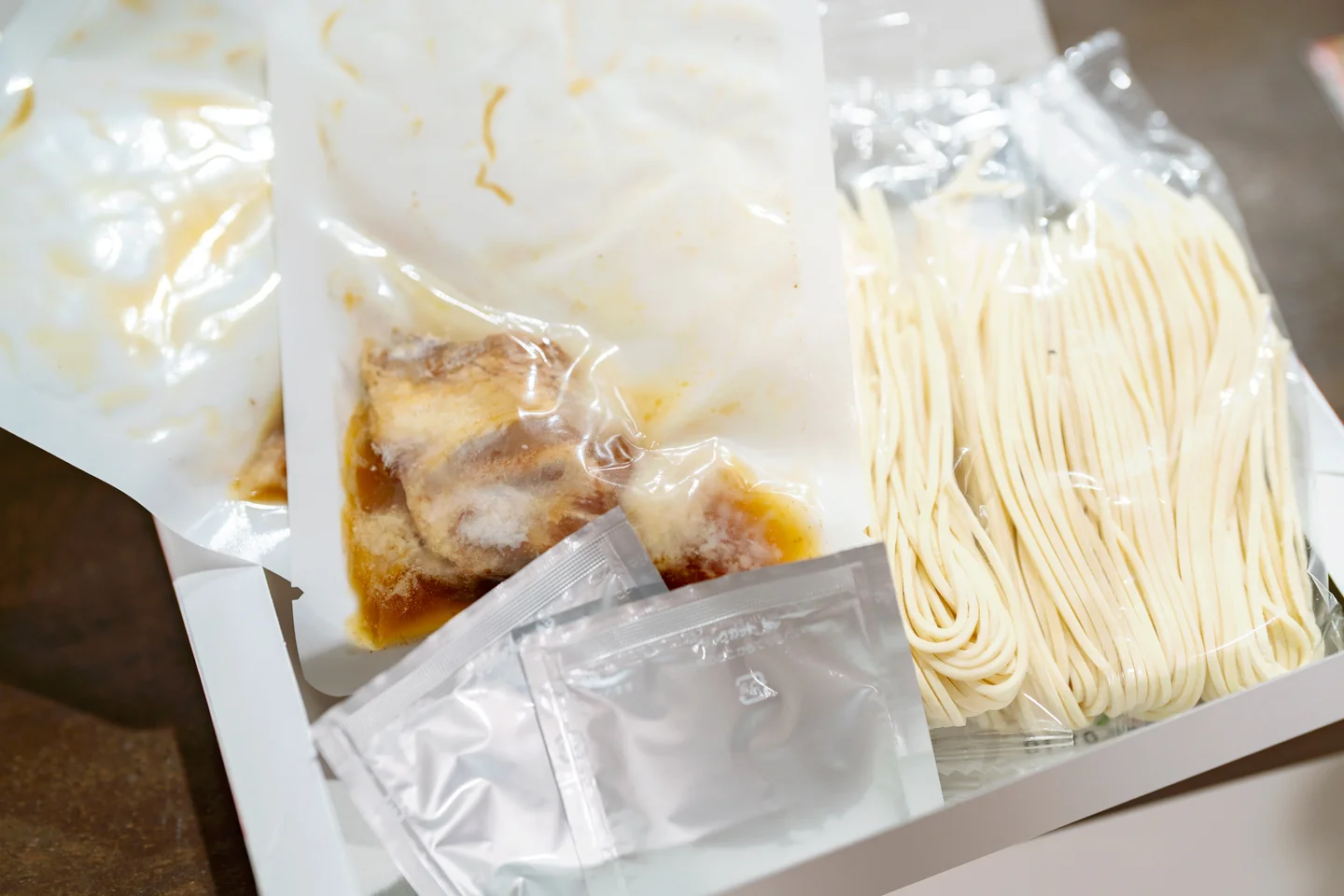
The meat comes in a retort pouch.
Retort-packed, steamed or broken down at the quantum level, you absolutely can’t bring it into Korea. Next time I feature this, I’ll try the meat-free version.
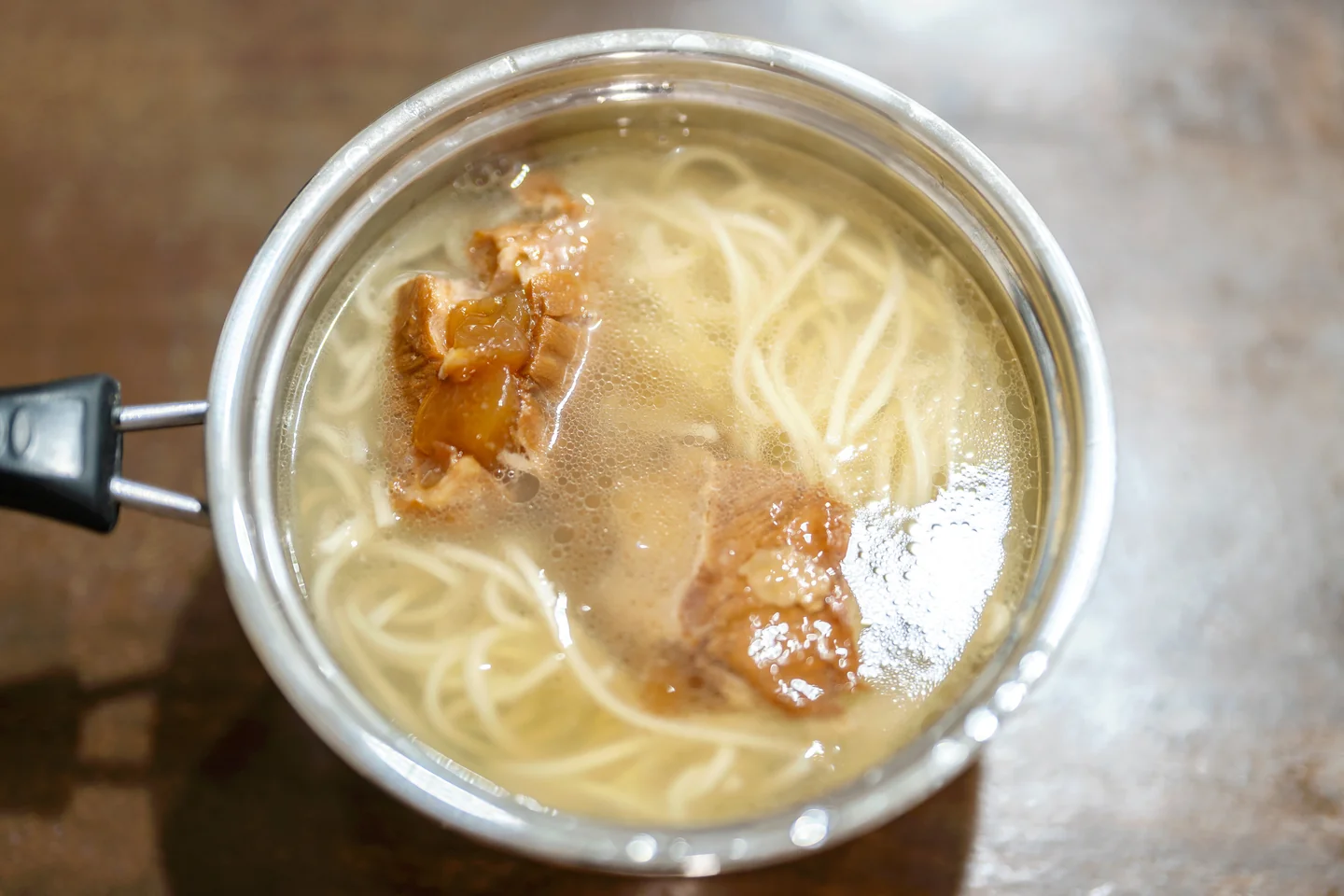
I made it at home following the instructions and tried it.
It looks like the noodles are swimming in a river, but I used much less water than the recipe said. Okinawa soba always comes in a river of broth. If you’ve had it on a trip to Okinawa, you’ll know what I mean. All the soba around here comes in a river of broth.
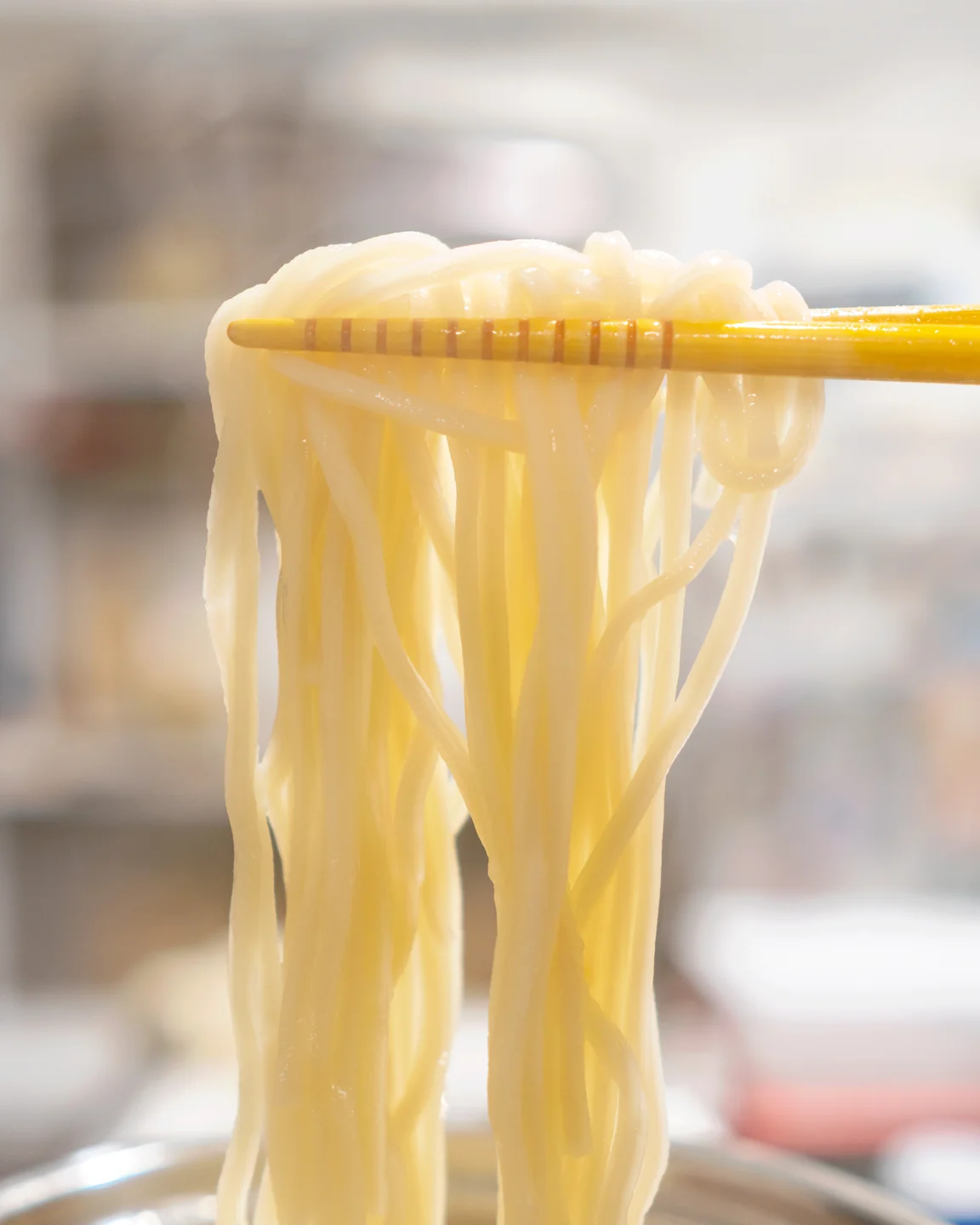
All the Miyako soba I ate in Miyakojima.. had noodles that went beyond chewy and felt slightly undercooked, like Saengsaeng Udon noodles straight out of the pack without boiling them. Much more so than in Okinawa.. but these noodles weren’t as firm as the Miyako soba I had.. They just had the texture of regular Okinawa soba noodles.
Hmm.. for Okinawa soba.. whether in Miyako or Okinawa, just eat it at a restaurant..
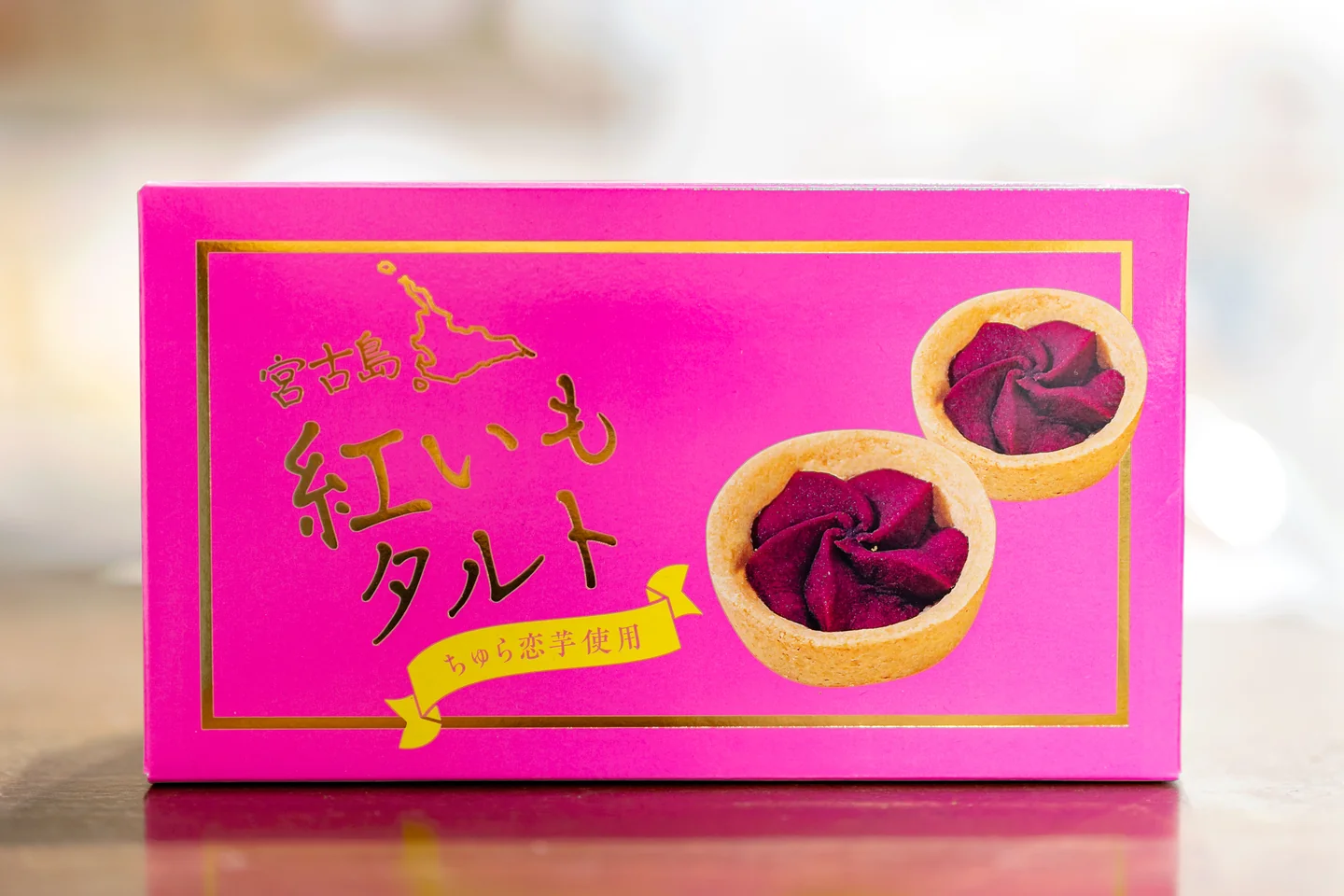
Next are the beniimo tarts.
They’re made with purple sweet potatoes grown in Okinawa and around Taiwan. Purple sweet potatoes are sweeter than regular sweet potatoes. They aren’t generally eaten as they are. Farms grow them to be made into bread, cookies and tarts like these for sale, so you don’t often get to try them at restaurants. It’s rare, but some bento shops include fried beniimo in their bento boxes. The price is 756 yen.
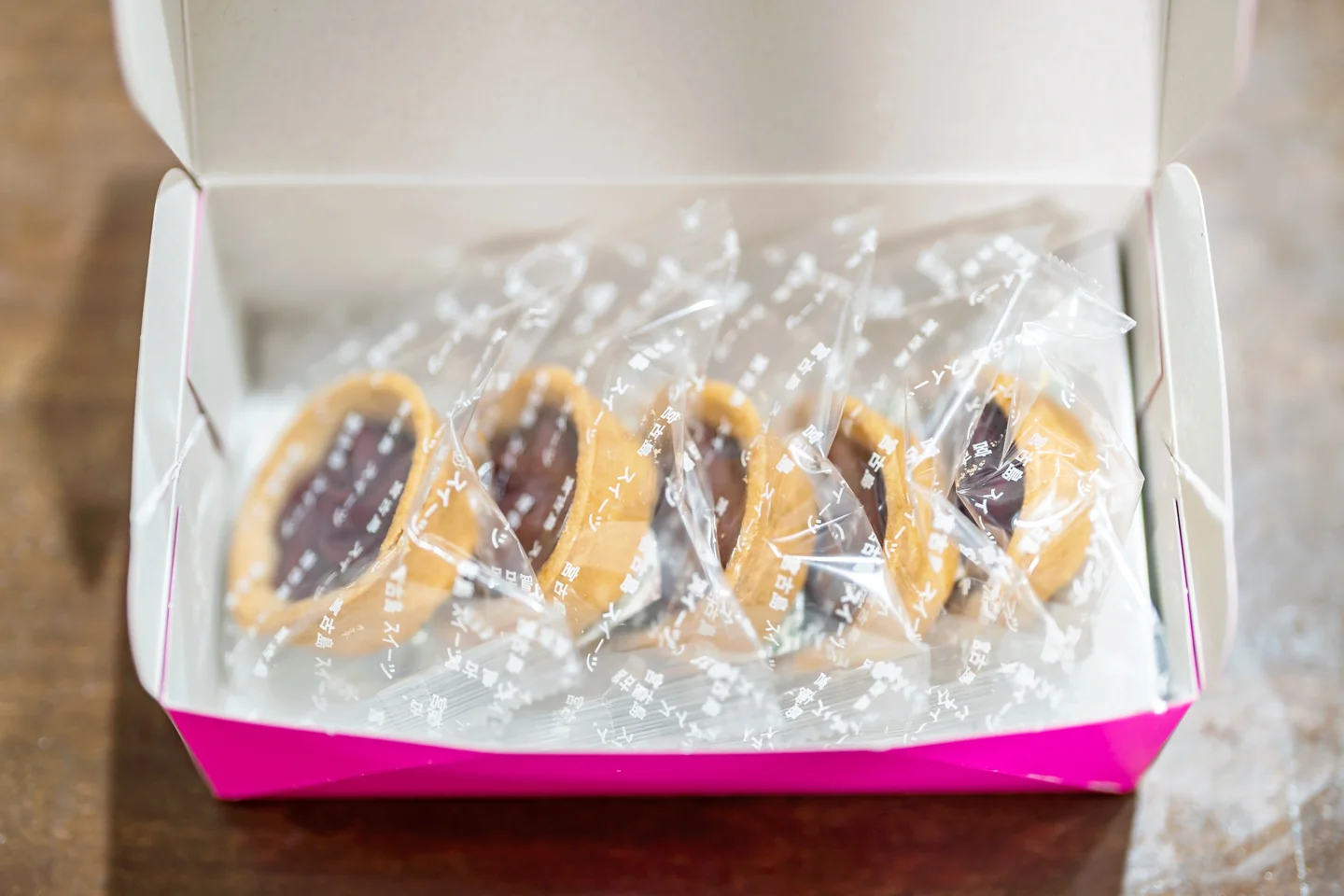
There are five purple sweet potato tarts in the box.
These too.. at 756 yen, I think they’re a bit expensive to hand out freely to friends and acquaintances.
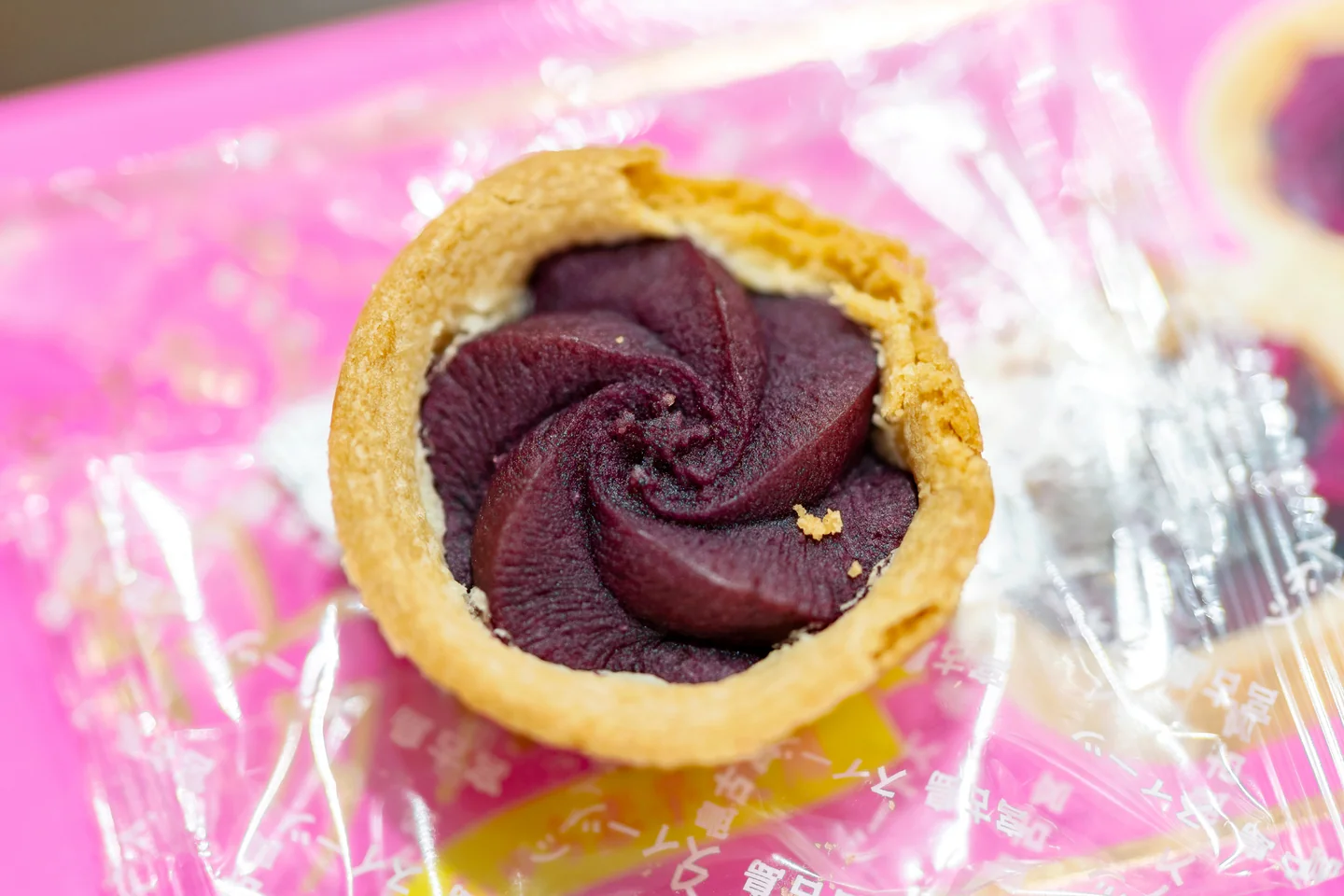
A sweet tart with a taste of Okinawa.
Beniimo tarts are practically a must-buy for visitors to Okinawa. These are made with purple sweet potatoes grown in Miyako, so they’re different again from the ones on Okinawa’s main island.
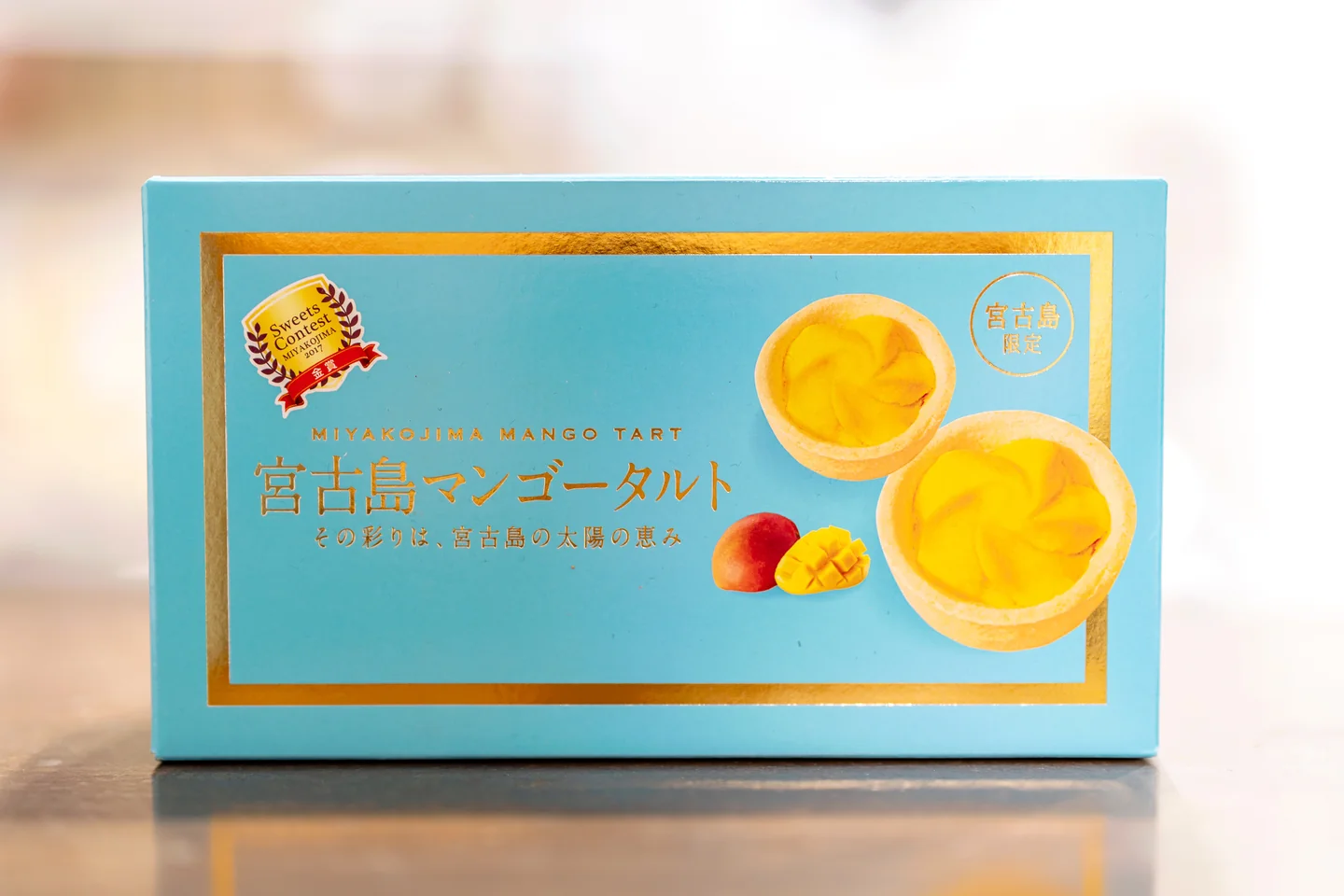
These are mango tarts.
There are mango farms in Miyakojima. A staff member at Santa Barbara Resort told me roughly where one was.. but I was so exhausted at the time that I had no intention of going.. Being so far south, Miyakojima produces plenty of tropical fruit.
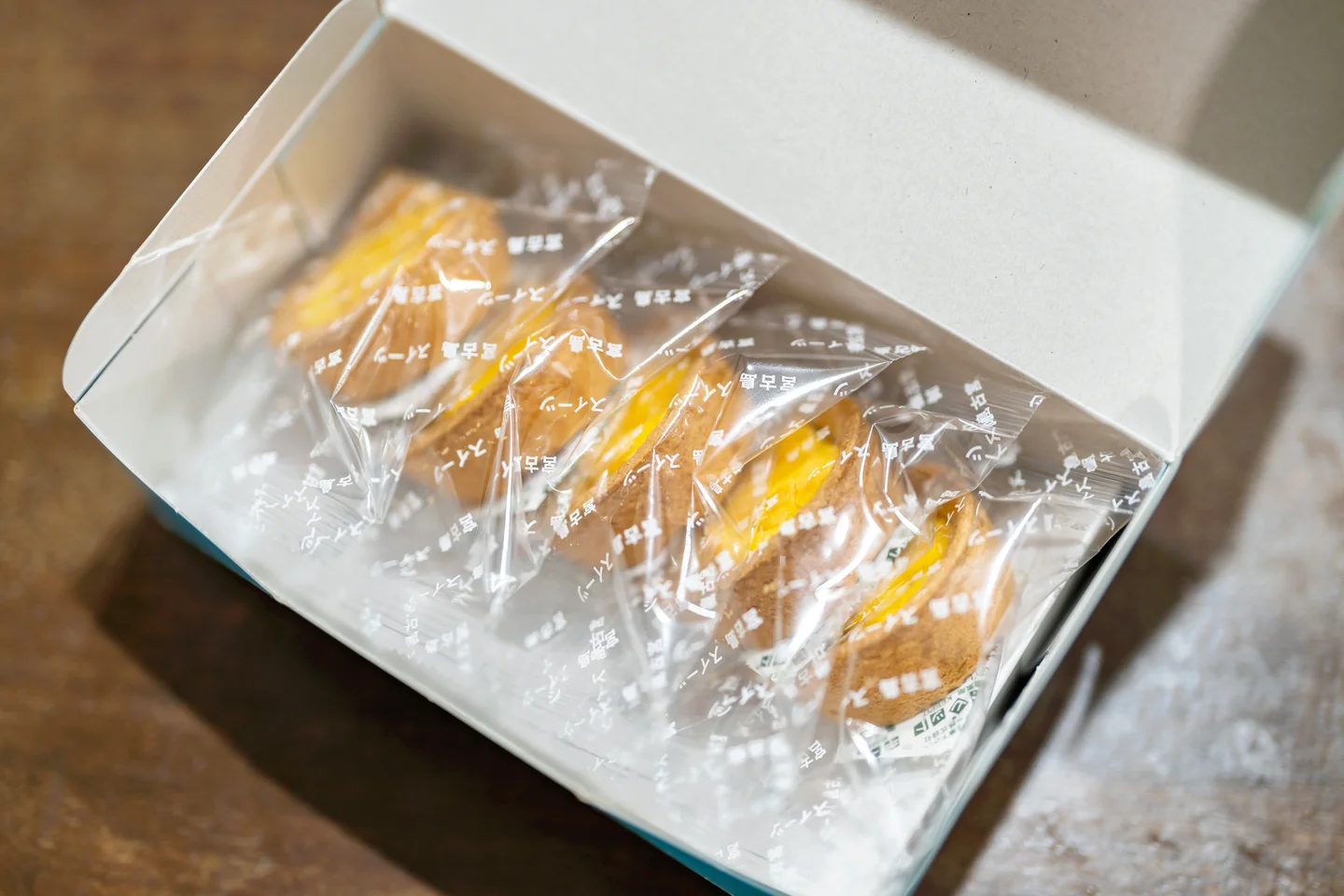
There are five, each individually wrapped.
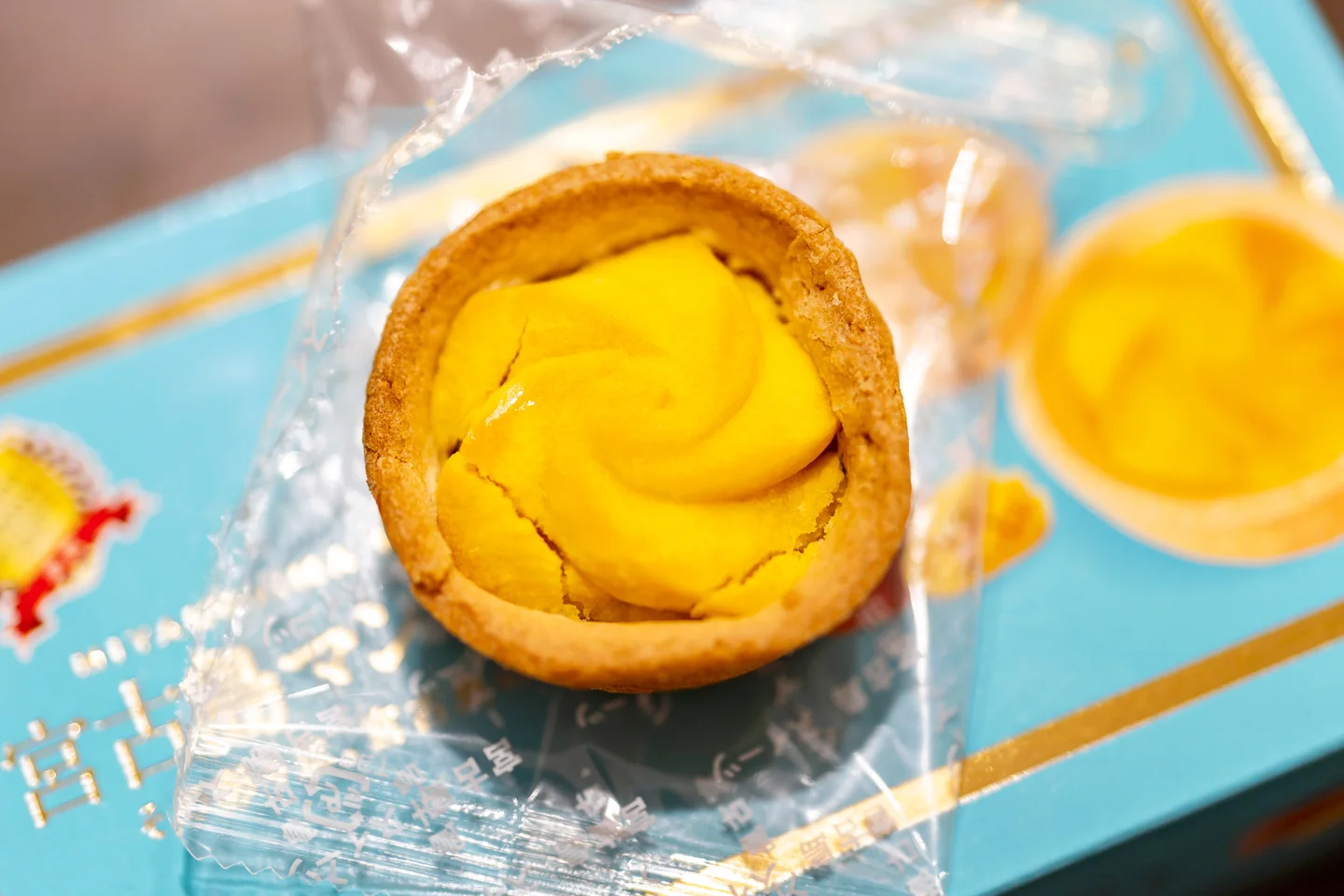
They’re not exactly mind-blowing. Just tarts that taste of mango.
They’d probably make a nice gift for someone who likes mangoes. I don’t think Miyako-grown mangoes are imported into Korea. They all get eaten on the domestic market, leaving none to export.
One extra
I bought Yukishio separately before heading to the airport. When I poured some out, the salt looked just like flour.
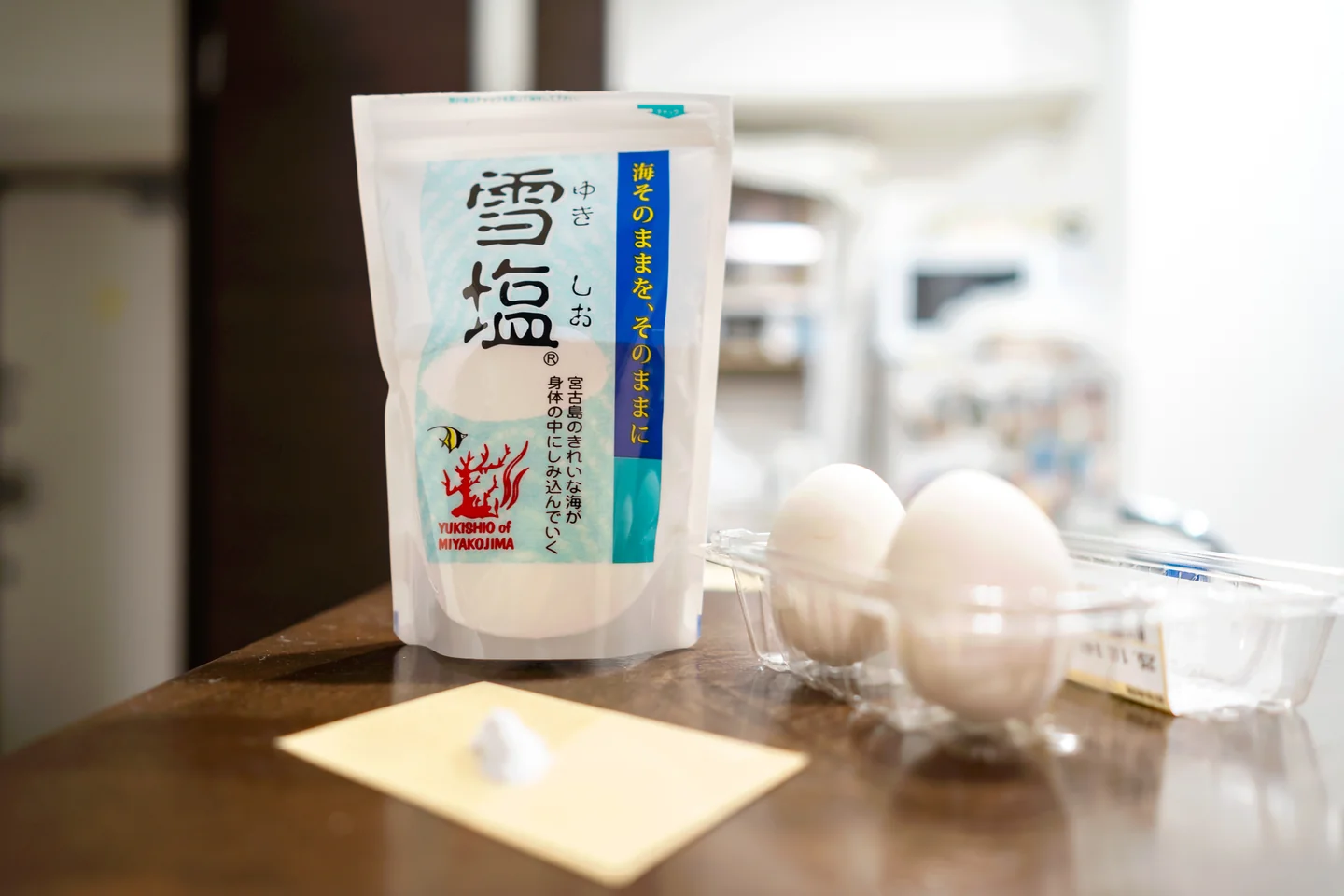
This is Miyako Yukishio, which I bought separately before going to the airport. Snow salt. How much was it again.. 830 yen, maybe.. The most expensive of salts.. faaancy salt.
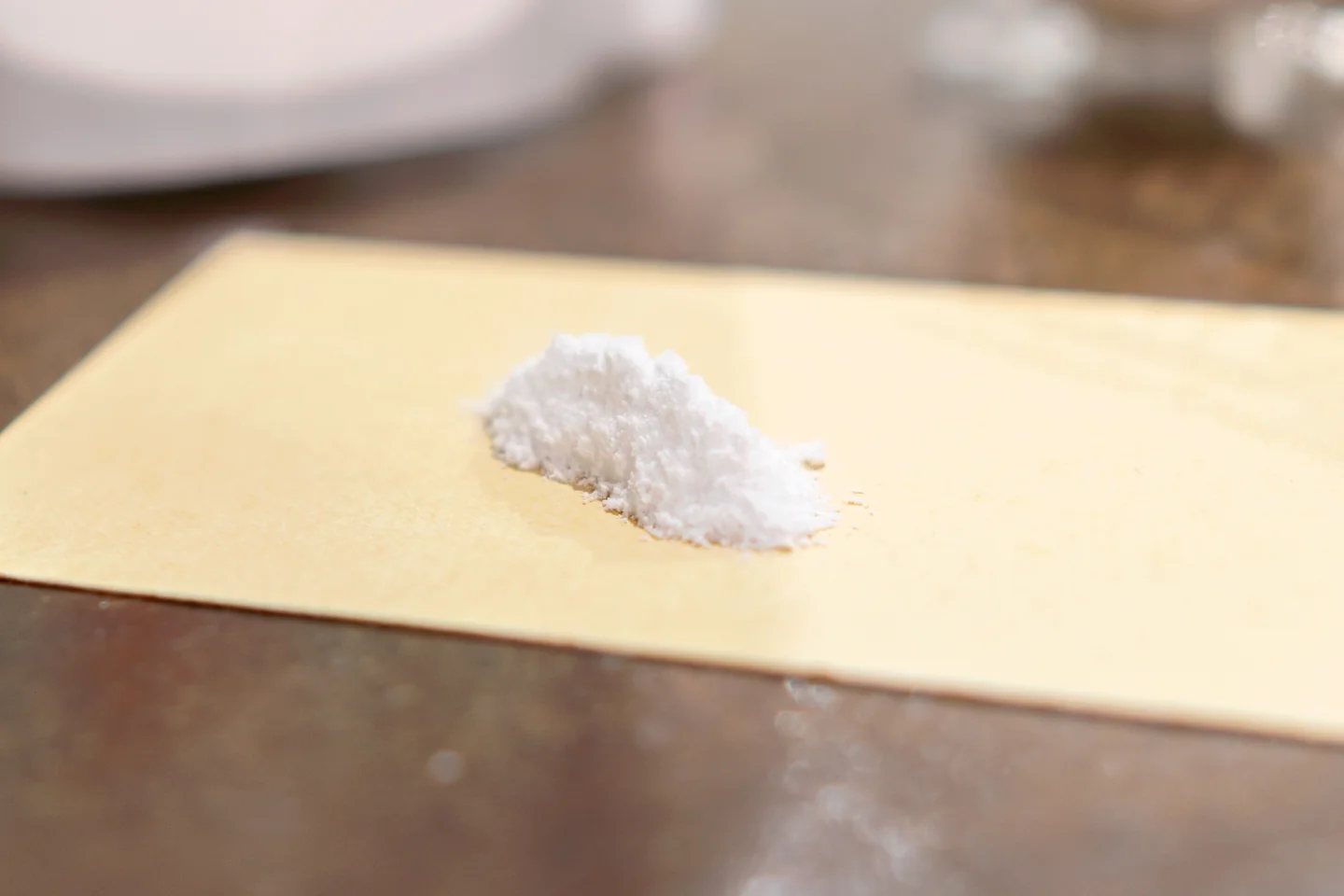
Poured out.. it looks a bit like some dangerous drug.. but it’s salt with the texture of flour.
Apparently, you use it as a finishing salt rather than for everyday seasoning. You know when a dish needs a little more salt at the end? That’s what it’s for. It hasn’t been specially processed or anything.. It’s because everything on Miyako Island, from the salt to the sand, is naturally broken down into very fine particles. A local specialty that reflects the island’s character.
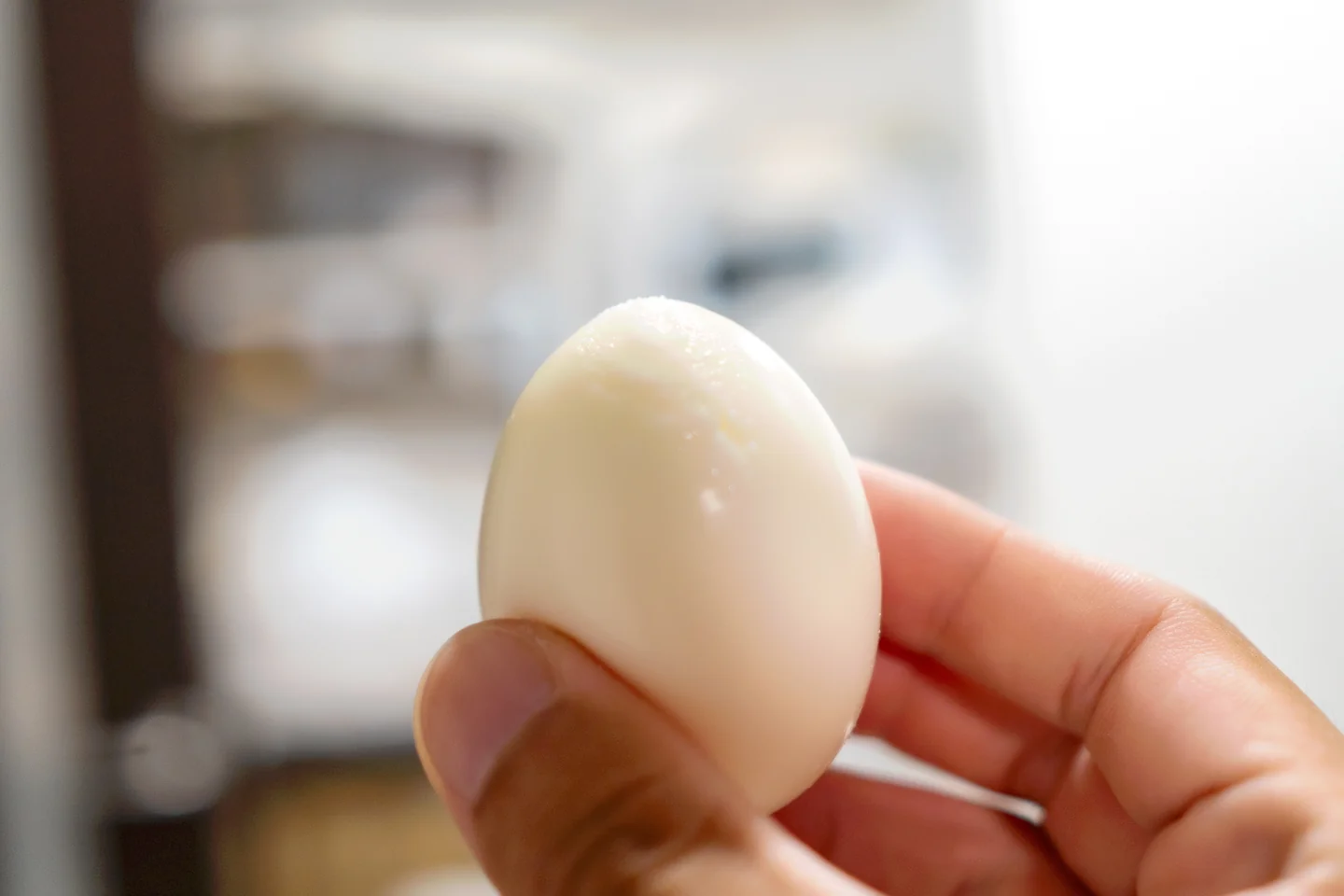
I was incredibly busy all through October.. so I wasn’t doing any cooking.. I just tried it on a boiled egg. Even with plenty on, it doesn’t taste very salty. I’ll try using it to finish a dish next time I cook.
- They're a roasted snack made with peanuts, salt and other ingredients, with a taste I'd had in Korea too. They're good, but Mamoru-kun Nuts were far more memorable.
- It had a strong banana aroma, but the taste was neither quite cake nor banana, so it wasn't for me. The packaging is pretty, but tastes differ.
- The noodles I ate in Miyako went beyond chewy and felt slightly undercooked, but these were just like regular Okinawa soba noodles. I'd recommend eating soba at a restaurant.
- The box I bought contained five individually wrapped tarts. They’re simply tarts with a mango flavor, so they’d make a nice gift for someone who likes mangoes.
- The Miyako salt I bought at a supermarket cost the same as it did on Okinawa's main island. I'd thought it would be cheaper in Miyako, but it wasn't.
- Apparently, you sprinkle it on as a finishing salt when a dish needs a little more salt. I tried it on a boiled egg, and even with plenty on, it didn't taste very salty.