
Nissan Roox: A Day in an Okinawa Rental Kei Car
A little kei car I drove around Okinawa, even hauling things for a move
Haisai! I’m CULT.
Today, I’m reviewing a kei car for an ultra, ultra, ultra-cheap trip to Okinawa, with costs cut to the bone. Japanese kei cars are very different from Korean small cars. For starters, the cabin is.. much roomier. Visibility is so good that I think even someone who hasn’t driven since getting their license could reverse into a parking space easily.
Today’s car is the Nissan Roox.
When I rented it, the daily rate was 3,990 yen, plus extra insurance. If you have an accident, the rental company can’t rent the car out while it’s being repaired, right? They’ll charge you for that lost business, and NOC insurance covers it. Pretty much essential. It was another 1,000 yen per day, bringing the actual daily rental cost to 4,990 yen. About 49,000 KRW.
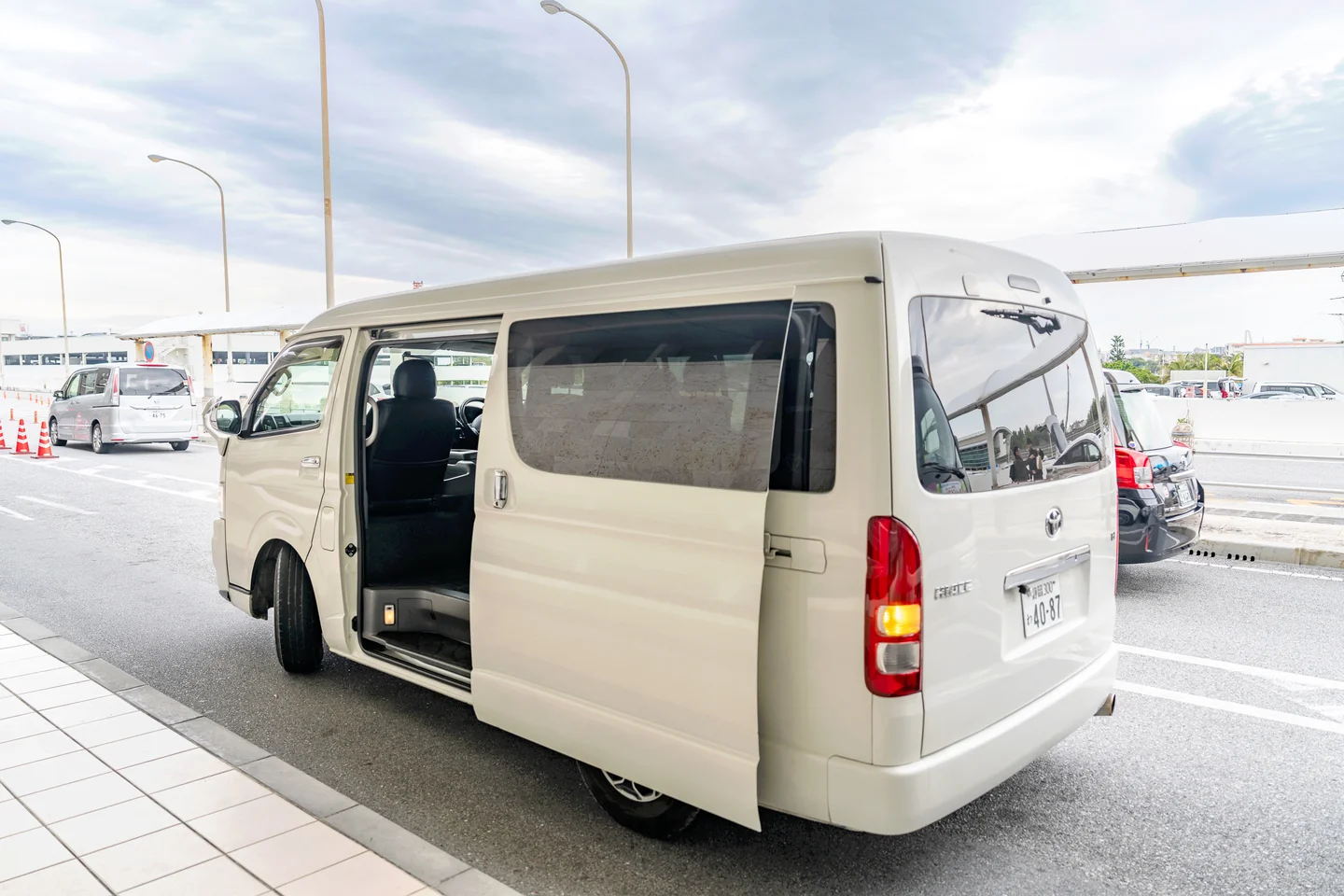
Once you’ve booked, you’ll need to contact them on the rental day before getting picked up at the airport. As I explained in an earlier post, if the driver parks on the third floor of Okinawa’s airport, an attendant gets angry and tells them to leave. Then they have to keep circling around to the first floor and back, so message them on KakaoTalk around the time you leave the arrivals hall. They’ll send the pickup vehicle then. It takes about 15–20 minutes, roughly as long as you’ll need to walk to the pickup point, so there’s not much to worry about.
They stay in touch on KakaoTalk after you book, so it’s easy 😀
Nissan Roox Summary
With suitcases, I’d say three people at most, and parking was easy.
Details
When they message you on KakaoTalk saying they’re near a particular exit, the driver will be there looking for you. Confirm your name and hop in! They usually send a vehicle sized for your group and the amount of luggage they expect you’ll have.
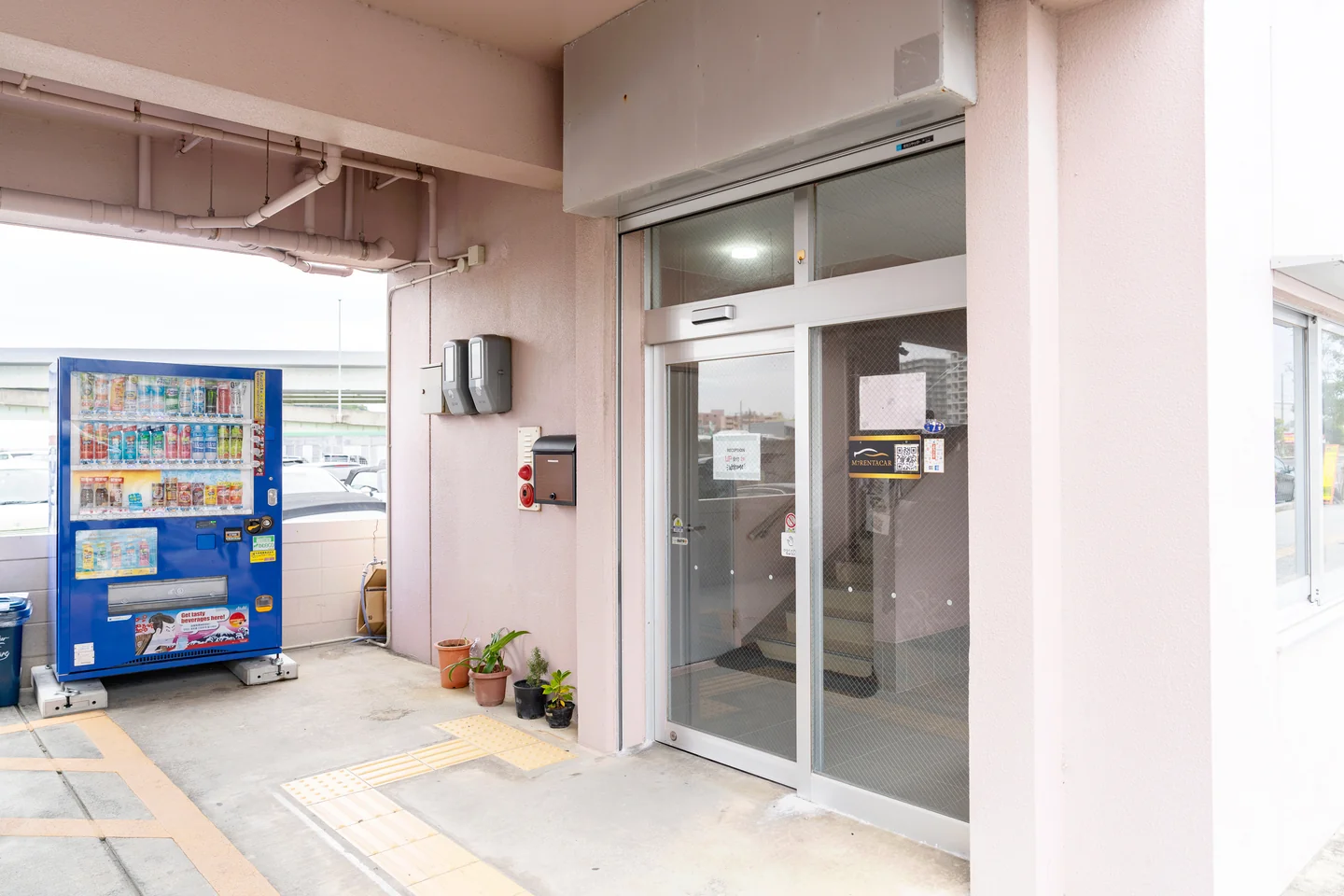
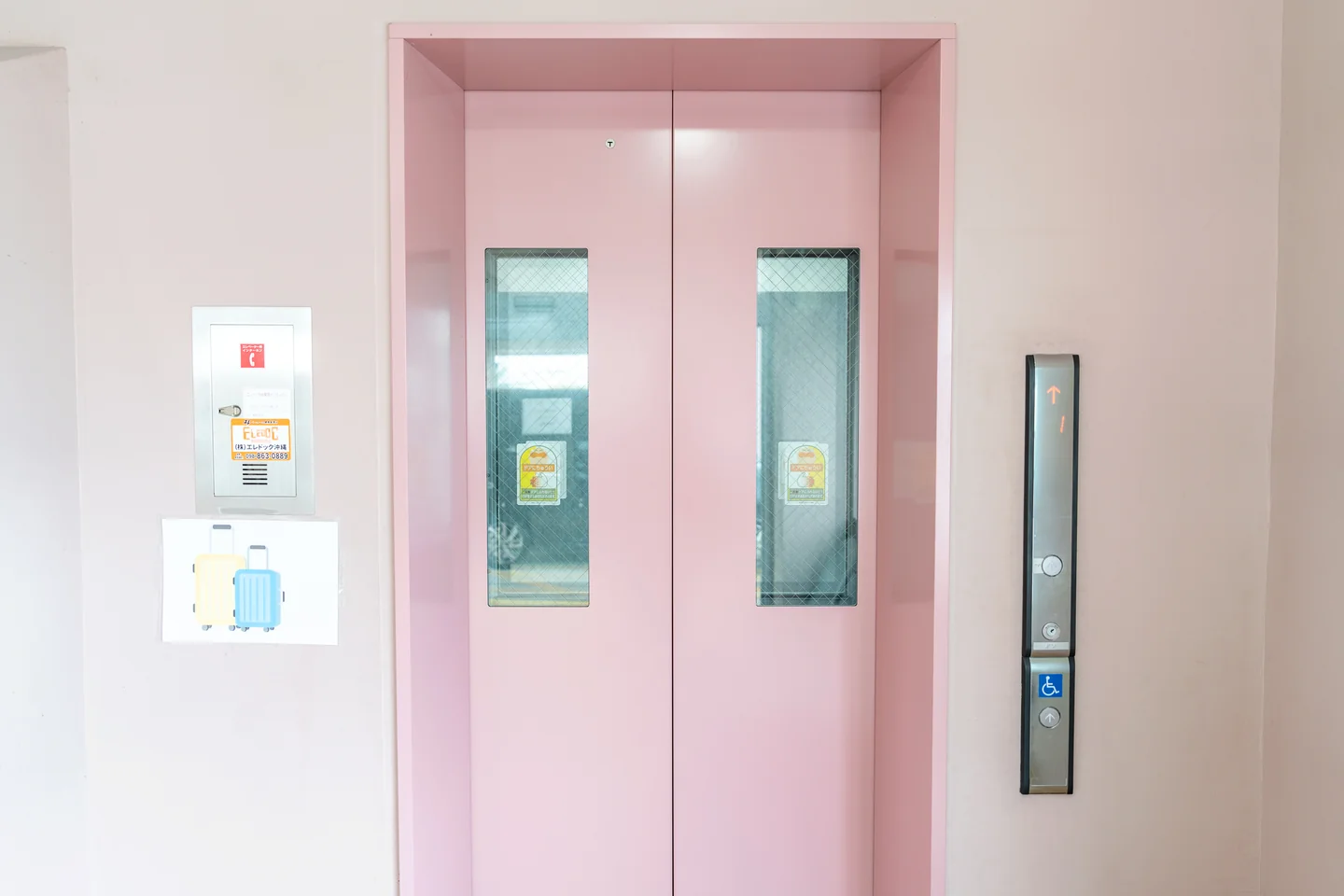
Today’s rental company is M7 Rent-a-Car, and they have their own office like this.
The cheapest rental places are really just a shipping container with a parking lot attached.. but this one’s a fairly sizable operation. The cars you see inside the building aren’t all of them; the lot behind the building is full of rental cars too. Follow a staff member up to the second floor..
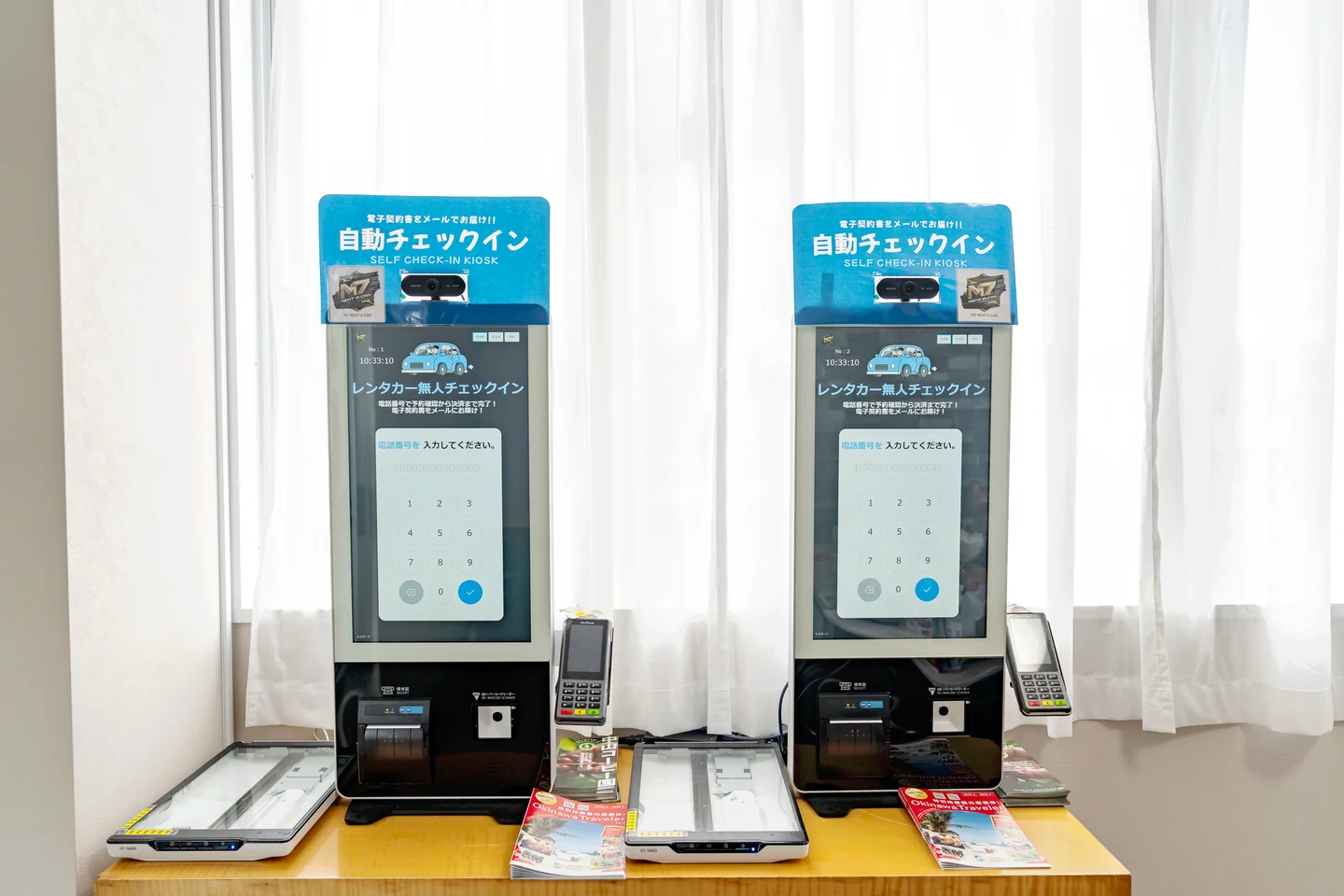
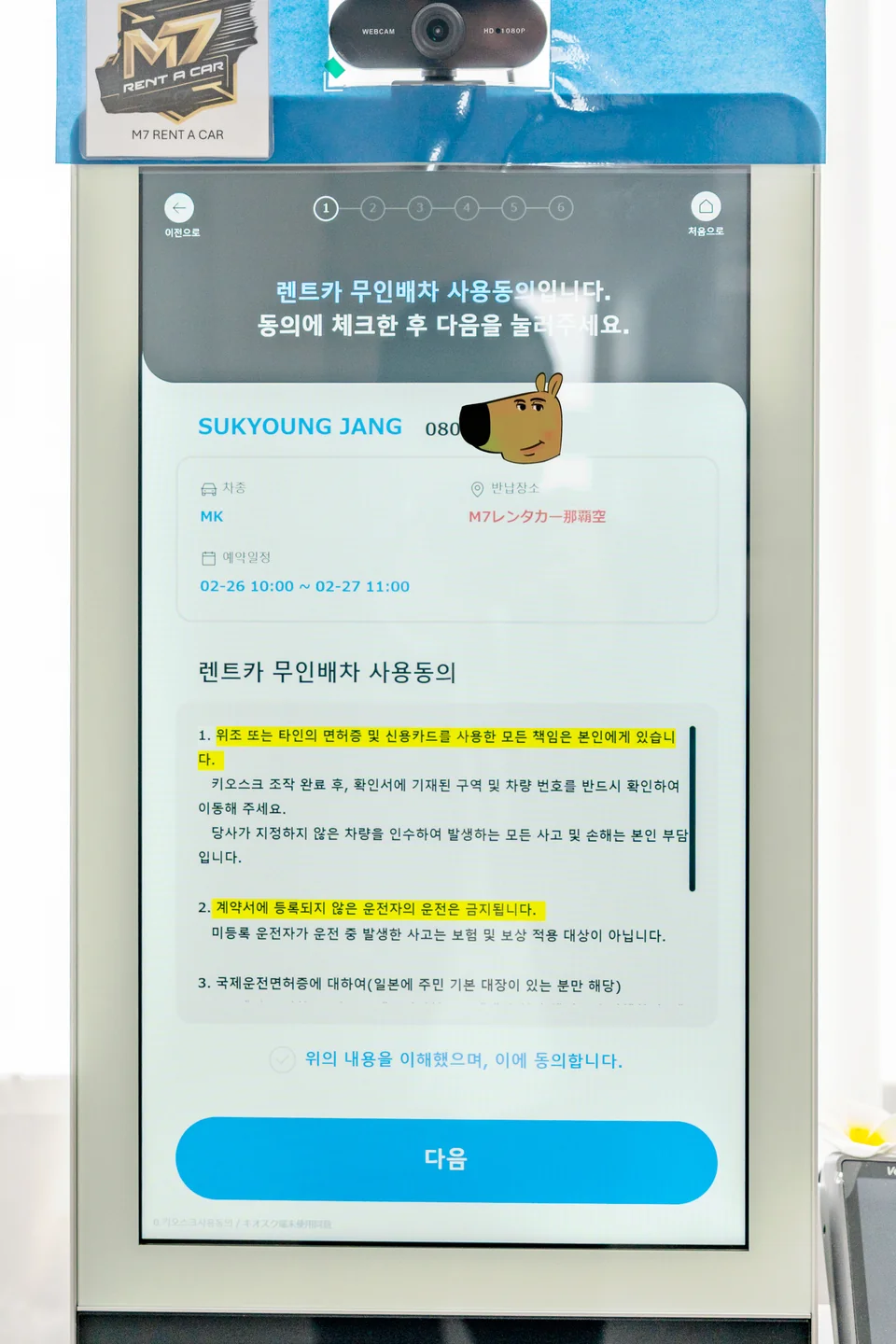
This is where you register. You’ll need to scan your International Driving Permit and passport.
The kiosks support Korean. I’m told the owner is Korean and there are Korean staff too, but when I visited, the only staff there looked European. I just spoke English, and there were no problems. When I review rental companies, I check whether the staff can speak English if no one who speaks Korean is available.
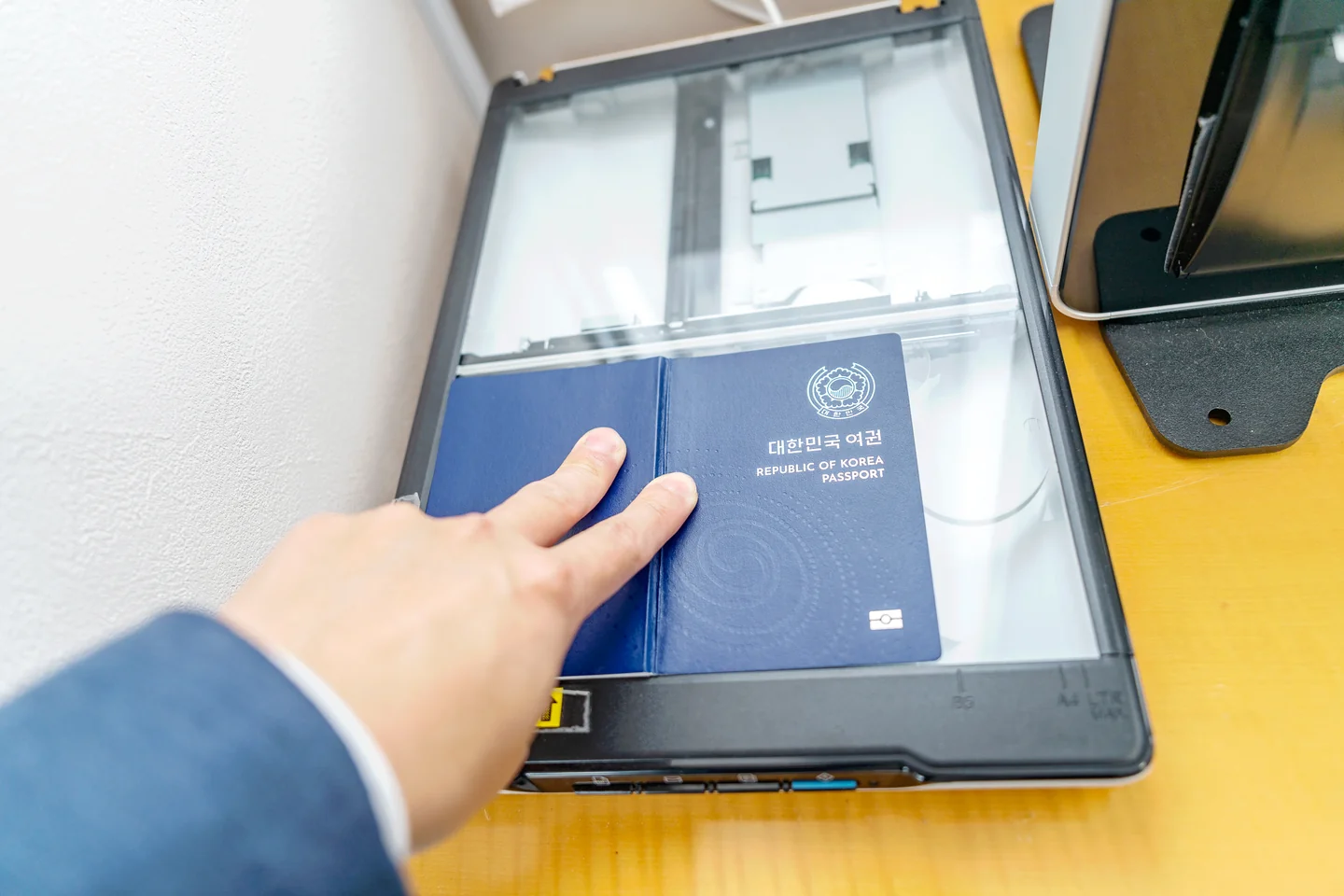
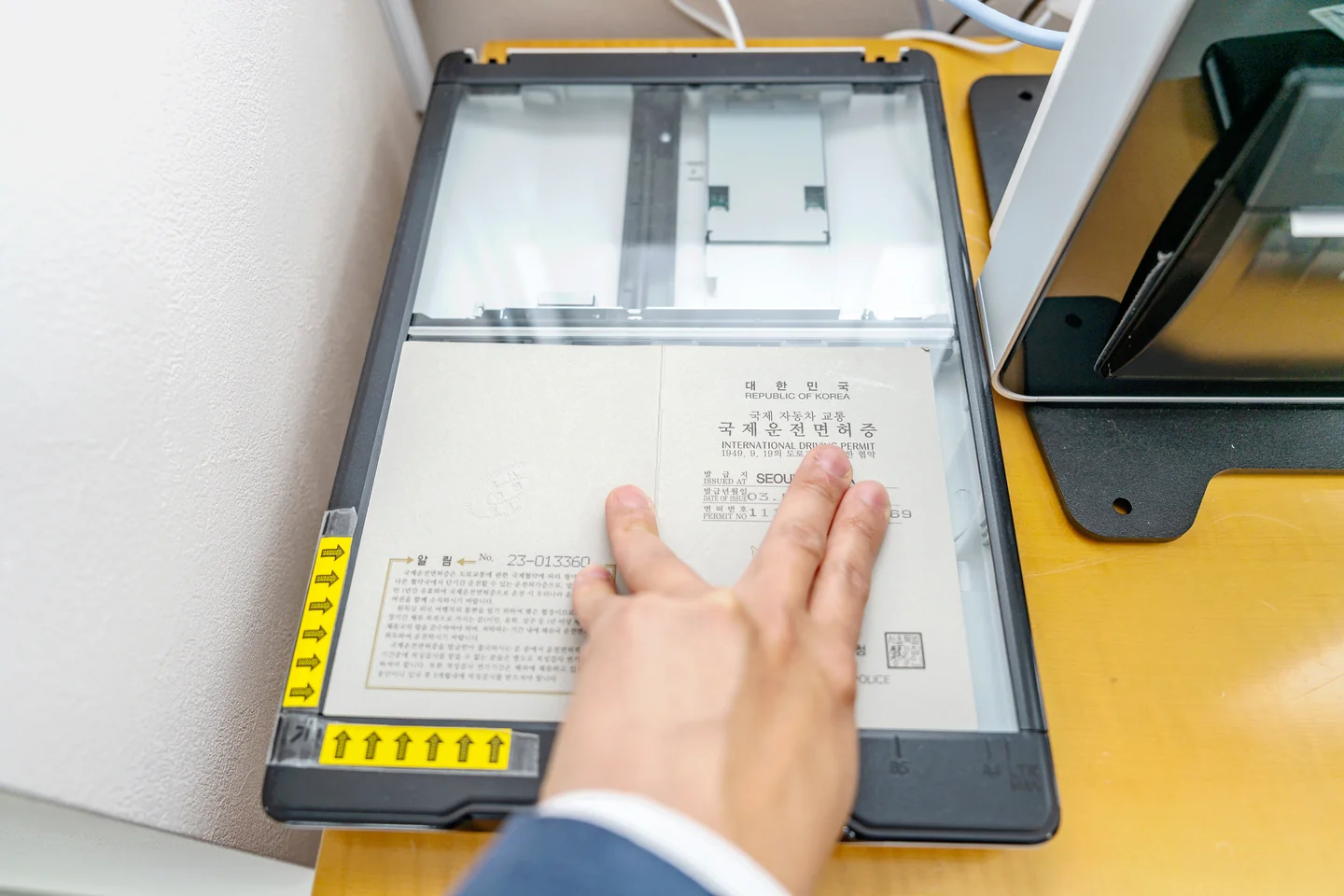
Everyone’s careful about their personal information, right? These days, passports and International Driving Permits don’t show the last digits of your resident registration number. Just mentioning it because everyone’s so concerned about privacy lately..
At school, I was always studying things like personal information protection law, identifying network attackers, and digital forensics.. Just thinking about it now gives me a headache.
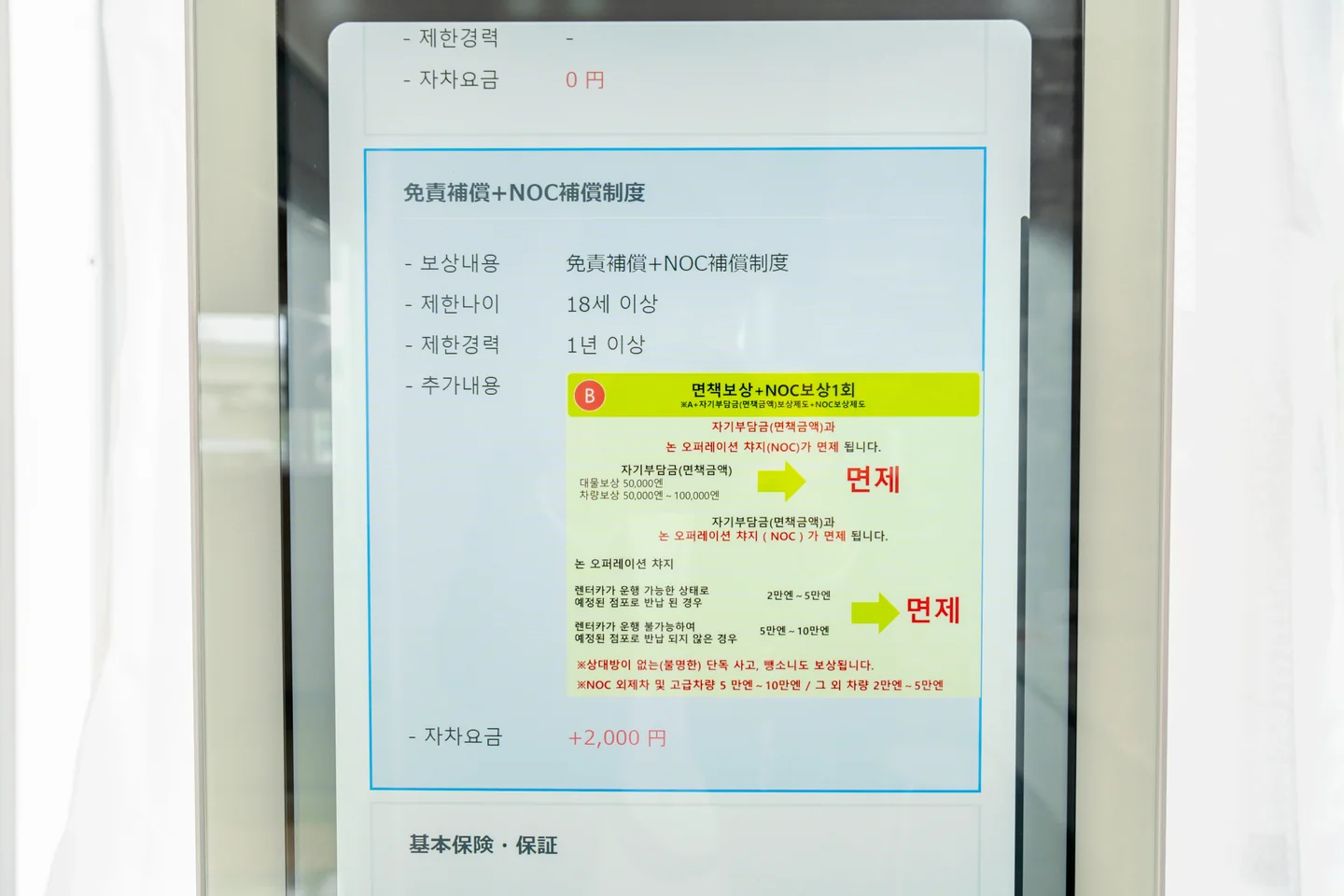
You can pay in advance when you book.. but I deliberately didn’t, to show you that you can do it at the kiosk..
If you can’t be bothered, just.. pay for everything when you book.
By the way, anyone with an International Driving Permit can drive the car. If there are four of you, all four can drive. The insurance covers the vehicle rather than individual drivers.
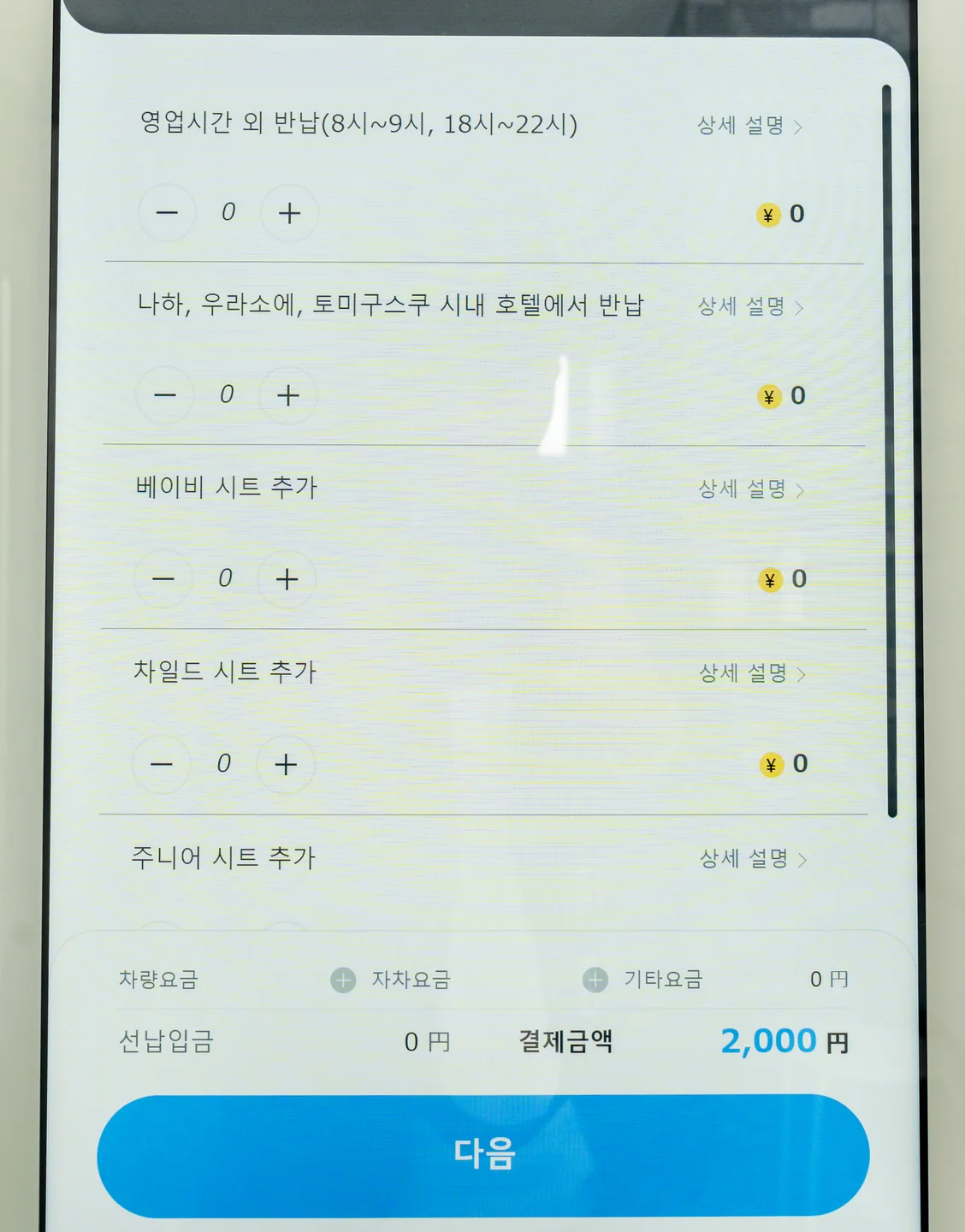
You can also leave the car at your hotel and ask them to collect it. It’s a bit expensive, though.
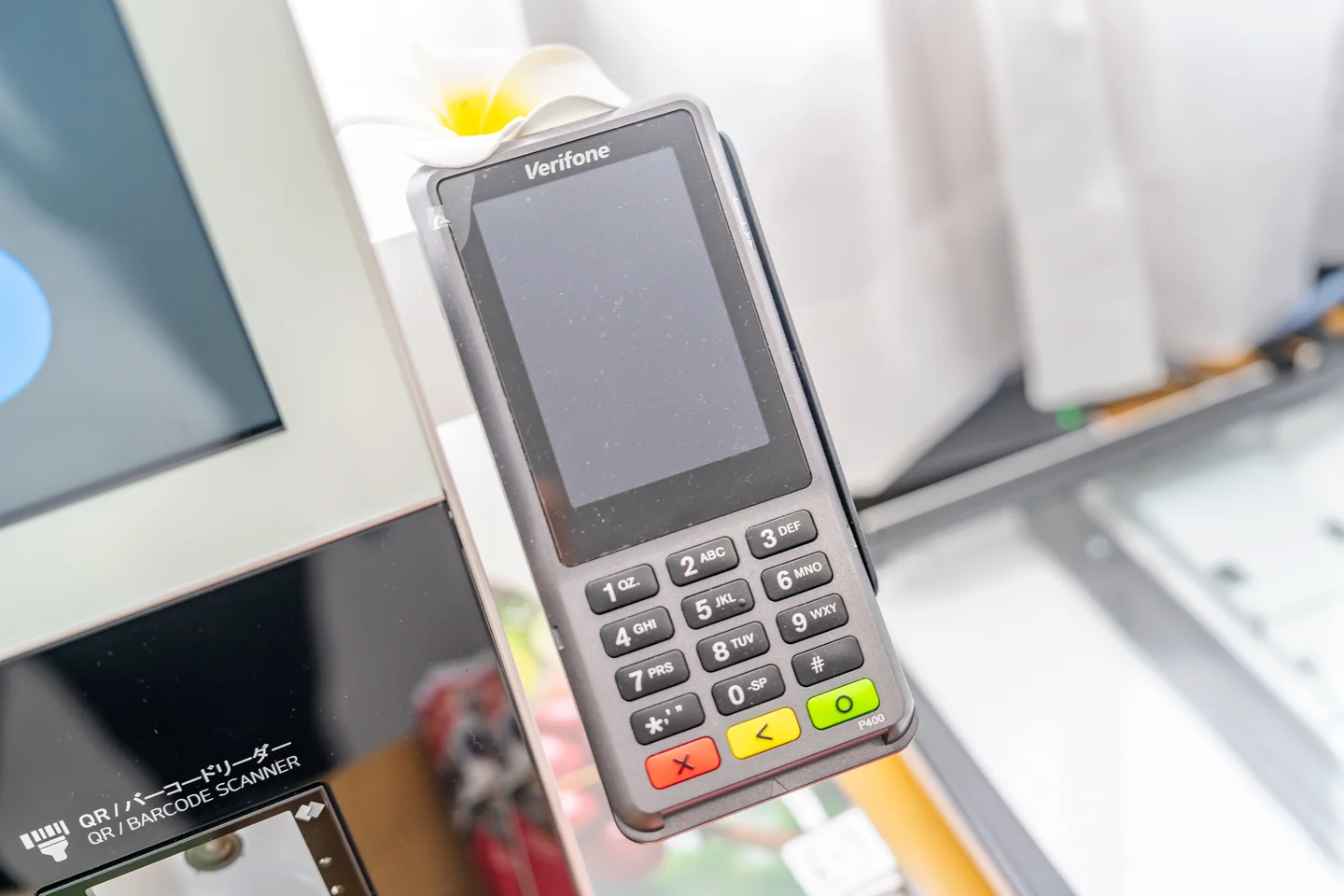
You can pay by card too. I just used Apple Pay. If Apple Pay works, that means travel cards like Toss, Travlog, SOL Travel, and Travel Wallet work too.
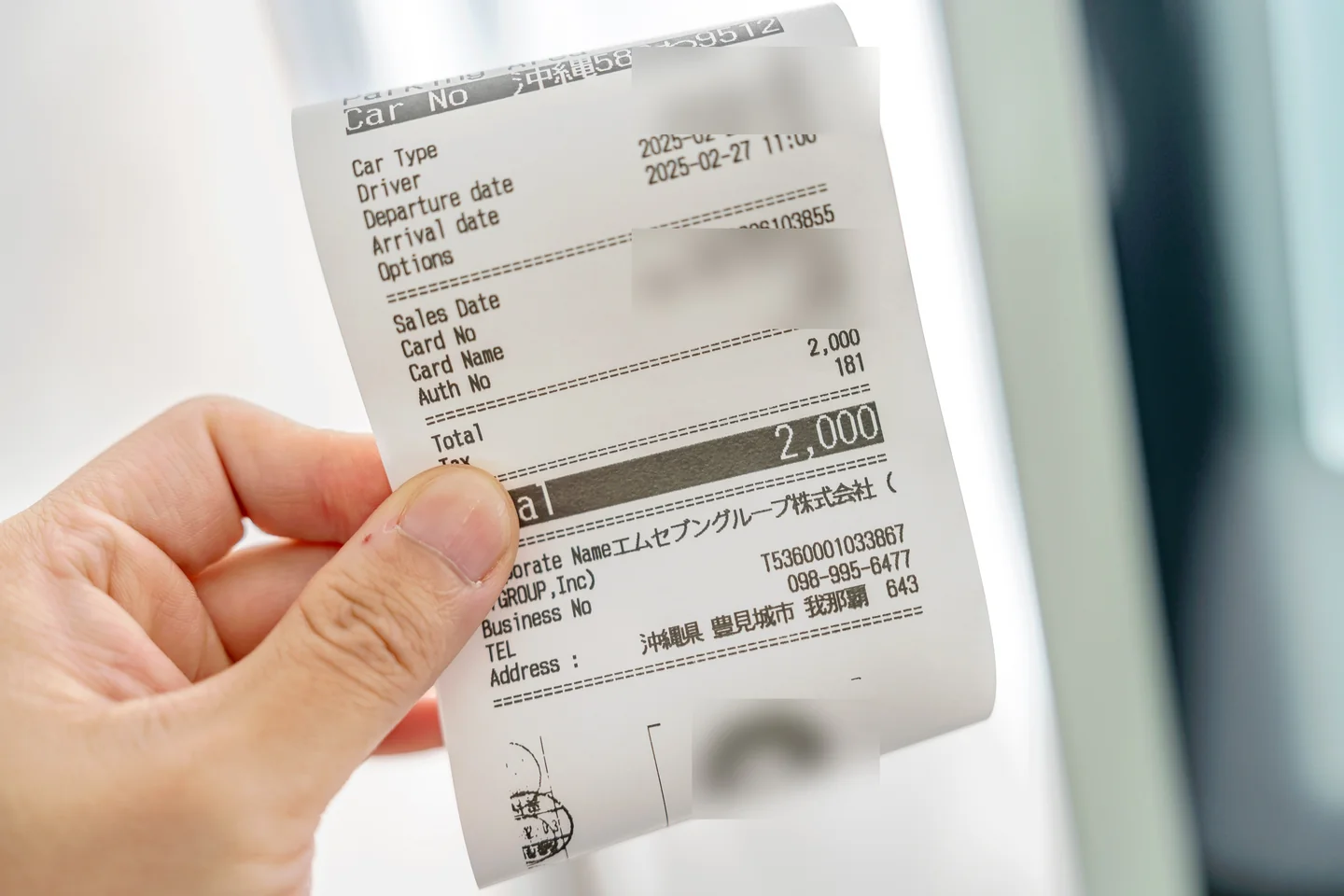
I paid an extra 2,000 yen.
Not too keen on having my photo printed on the receipt too 😀
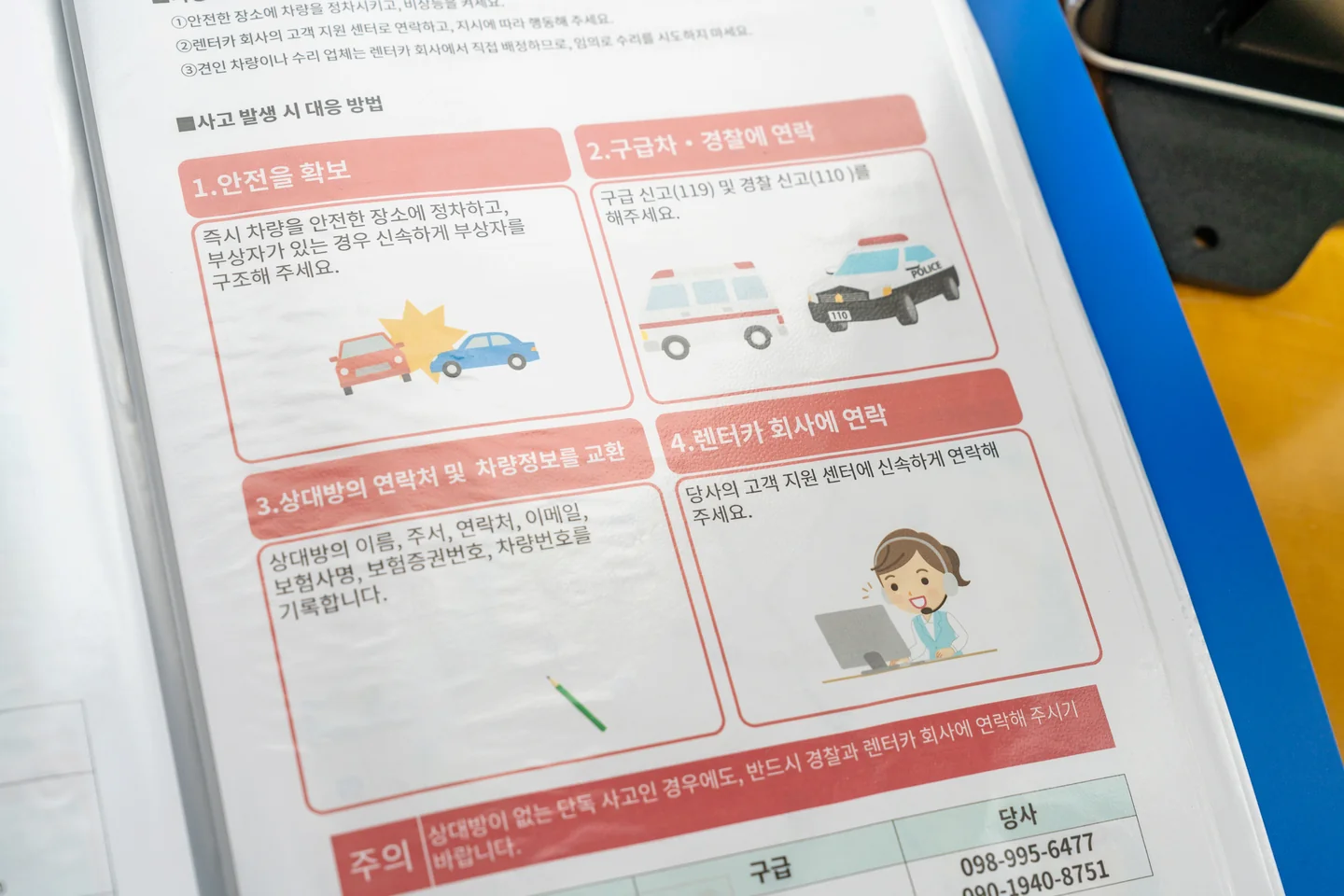
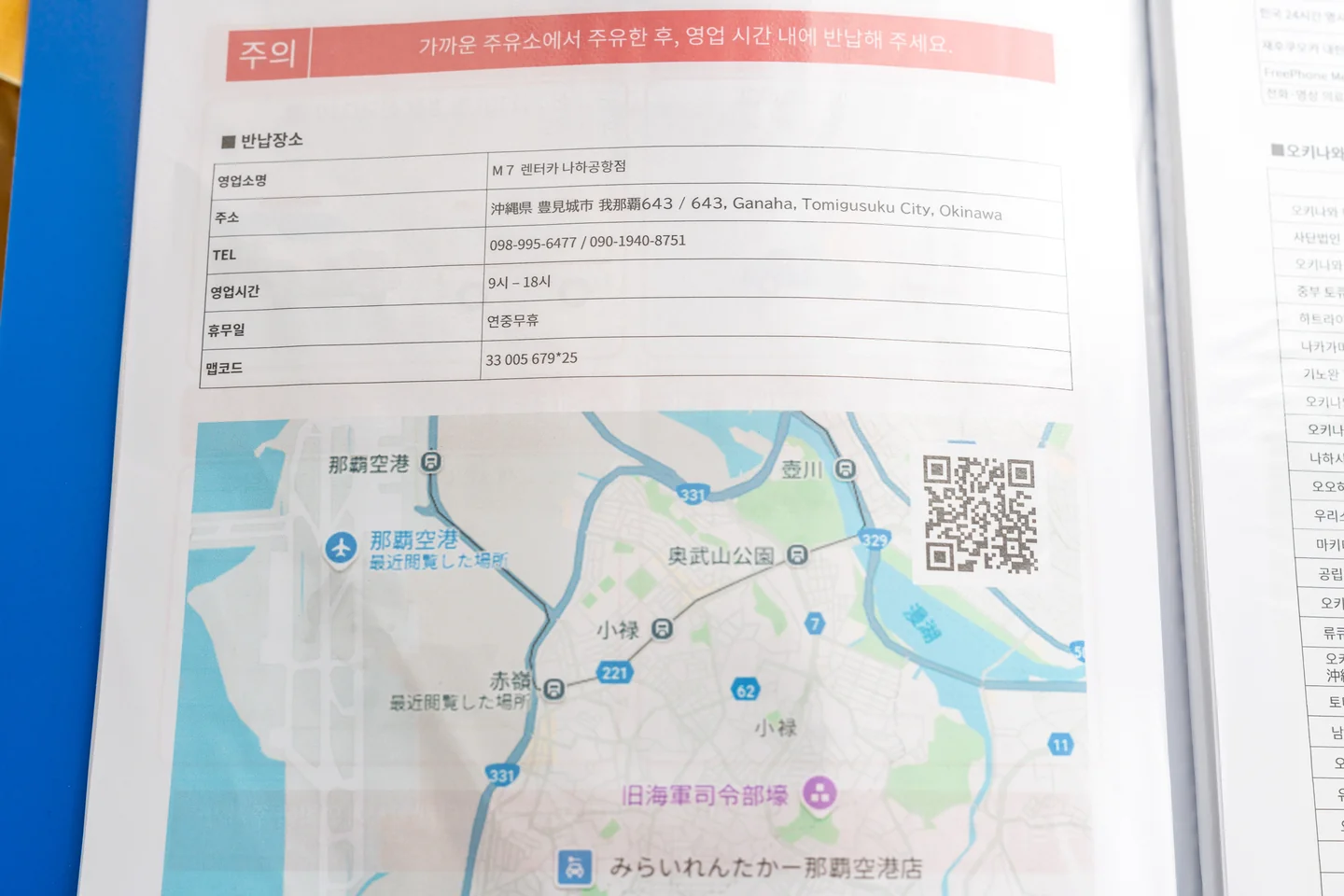
There’s information on what to do after an accident and a cheap gas station nearby. The QR code on the receipt also links to the detailed rental agreement and insurance coverage.
M7 Rent-a-Car and Obaksa Rent-a-Car are both Korean-run, so if you have an accident, you can ask whichever is easier for help. Having more ways to get help is always a good thing.
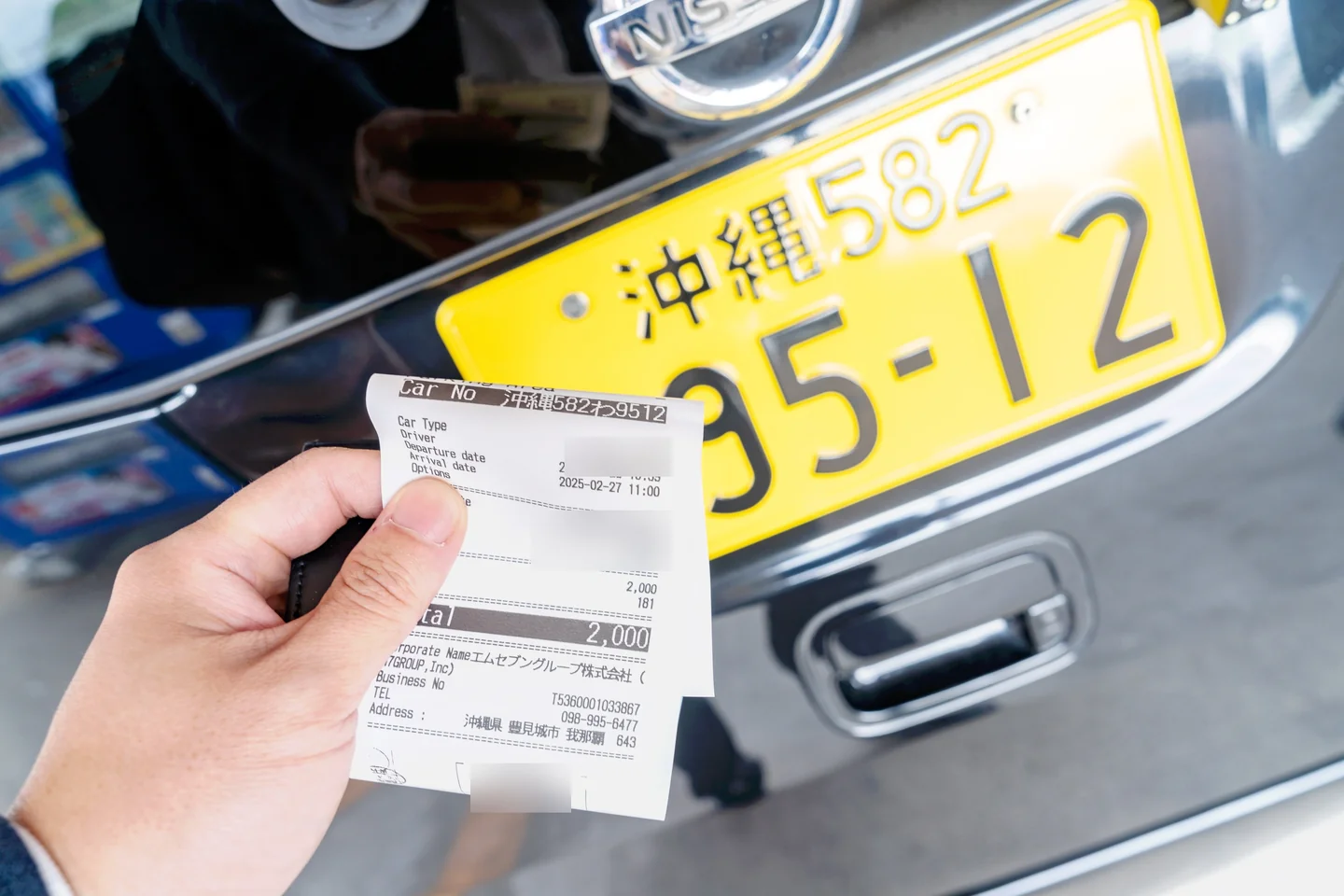
Check the vehicle registration number on the receipt. The staff will explain everything anyway. This rental car is.. so cheap that you can’t expect anything amazing. It’s a bit old too, so it suits travelers who really want to keep costs down.
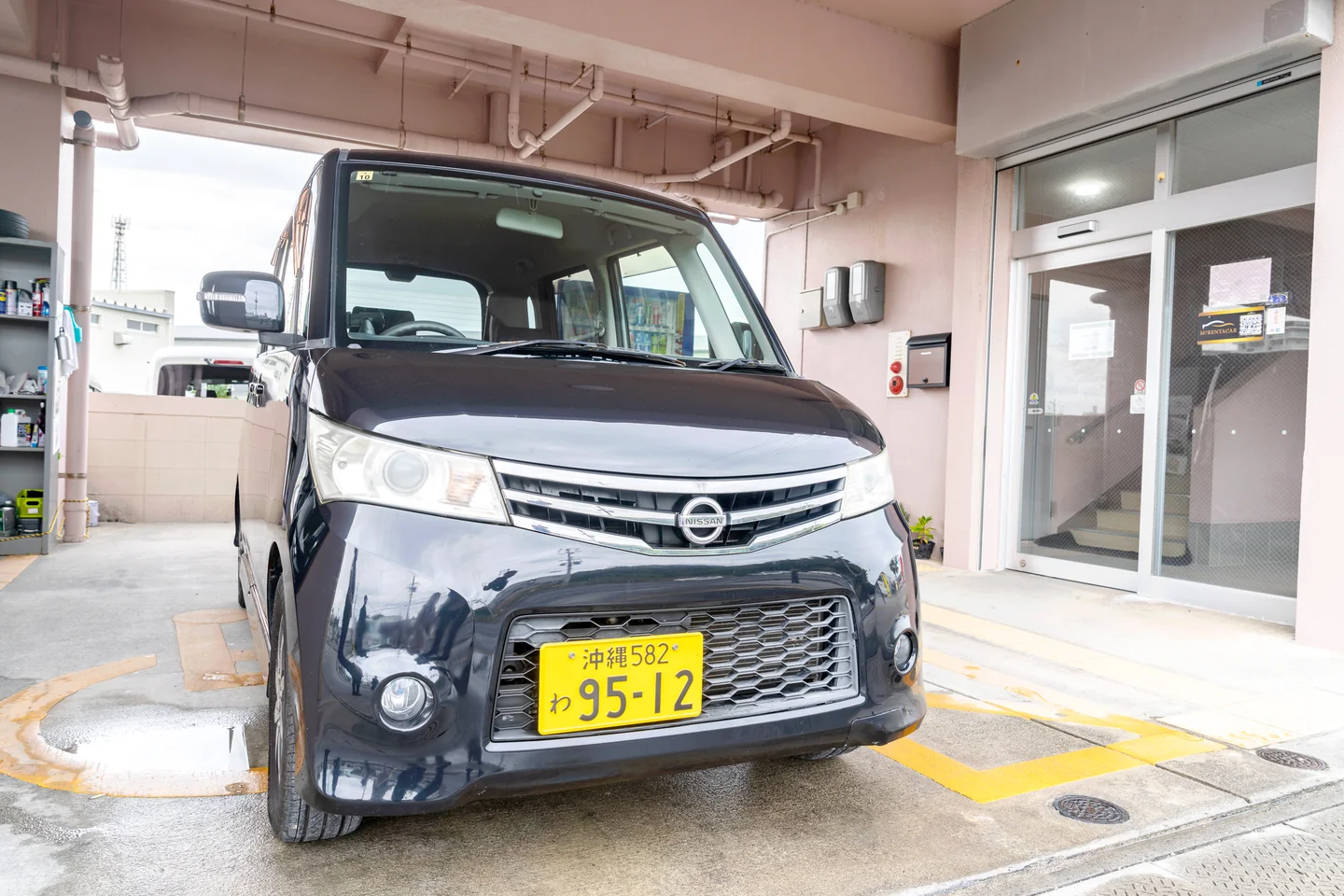
Feel free to take photos of any scratches. The car was a little old, so the staff didn’t seem too bothered ~_~
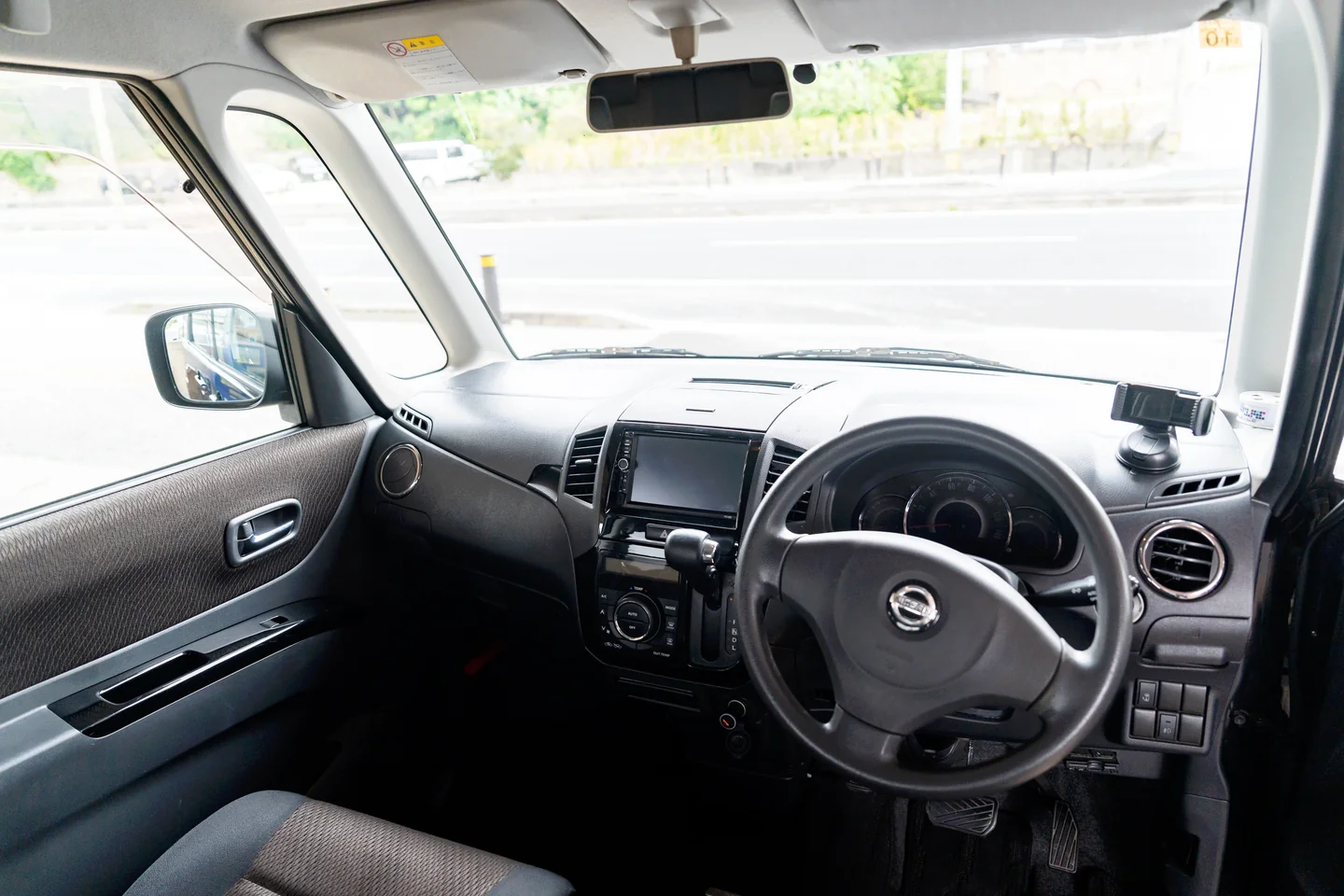
First, the cabin is.. much roomier than the Yaris, the most popular choice among Koreans. They call it a kei car, but inside it feels like a minivan. One of our company cars is a Serena, you know? It’s a minivan, and the seats in this are just as wide and big.
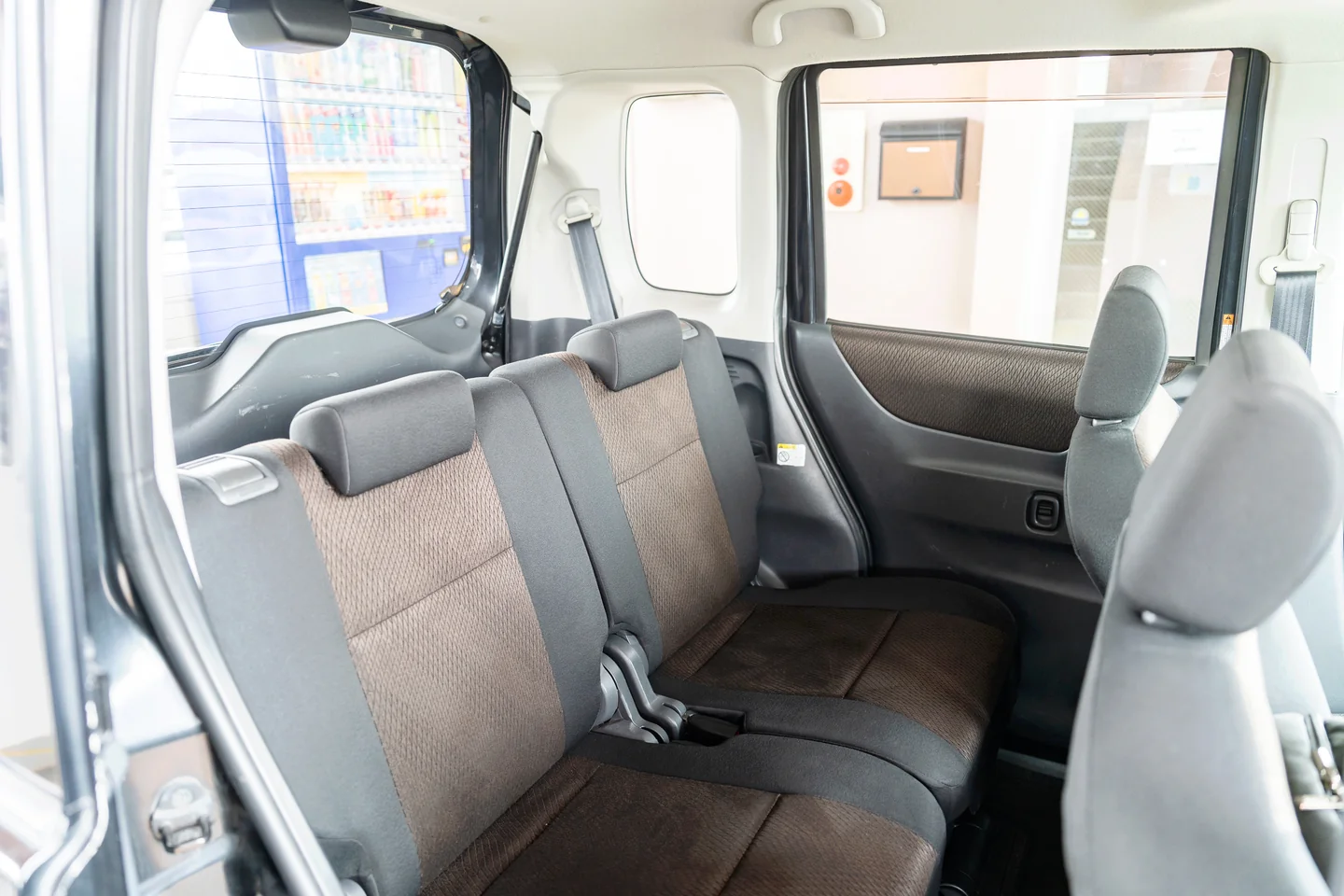
It does seat four.. but I wouldn’t recommend having four people in it. You won’t fit everyone’s suitcases. I think three people at most is best.
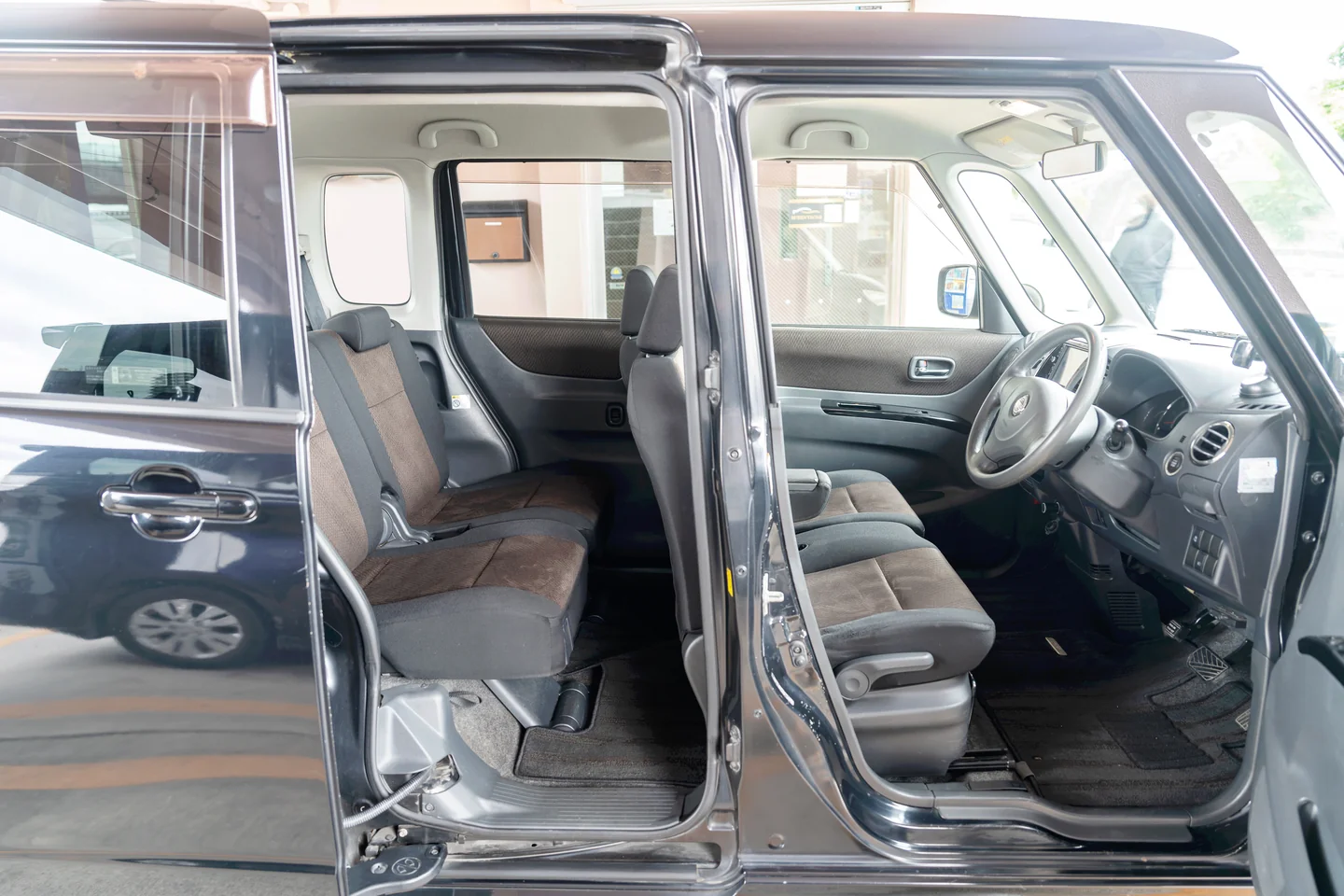
There are no power sliding doors. But the doors are light and easy to open.
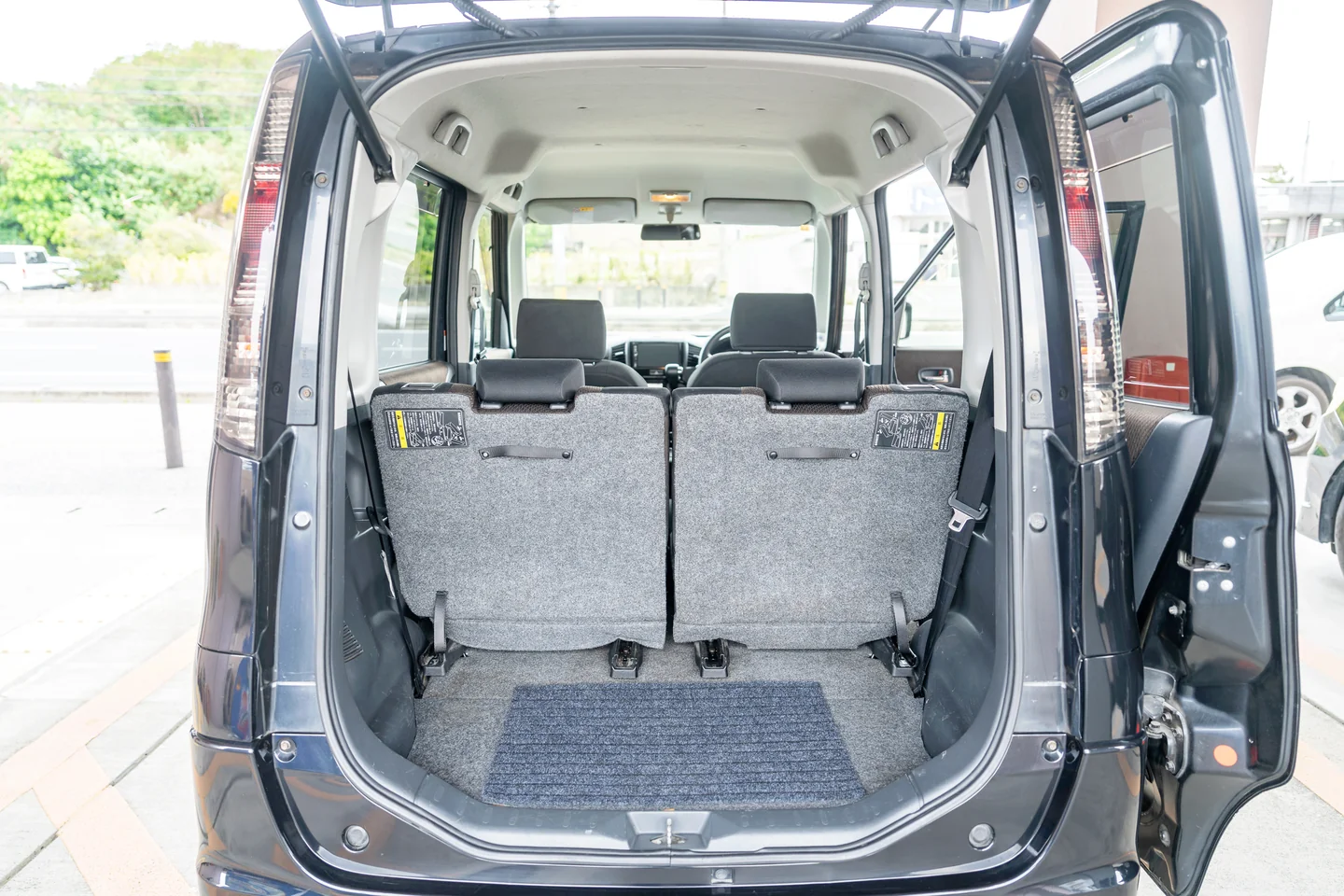
The trunk.. looks like it would be full with about one large 28-inch suitcase and two 20-inch carry-on suitcases..
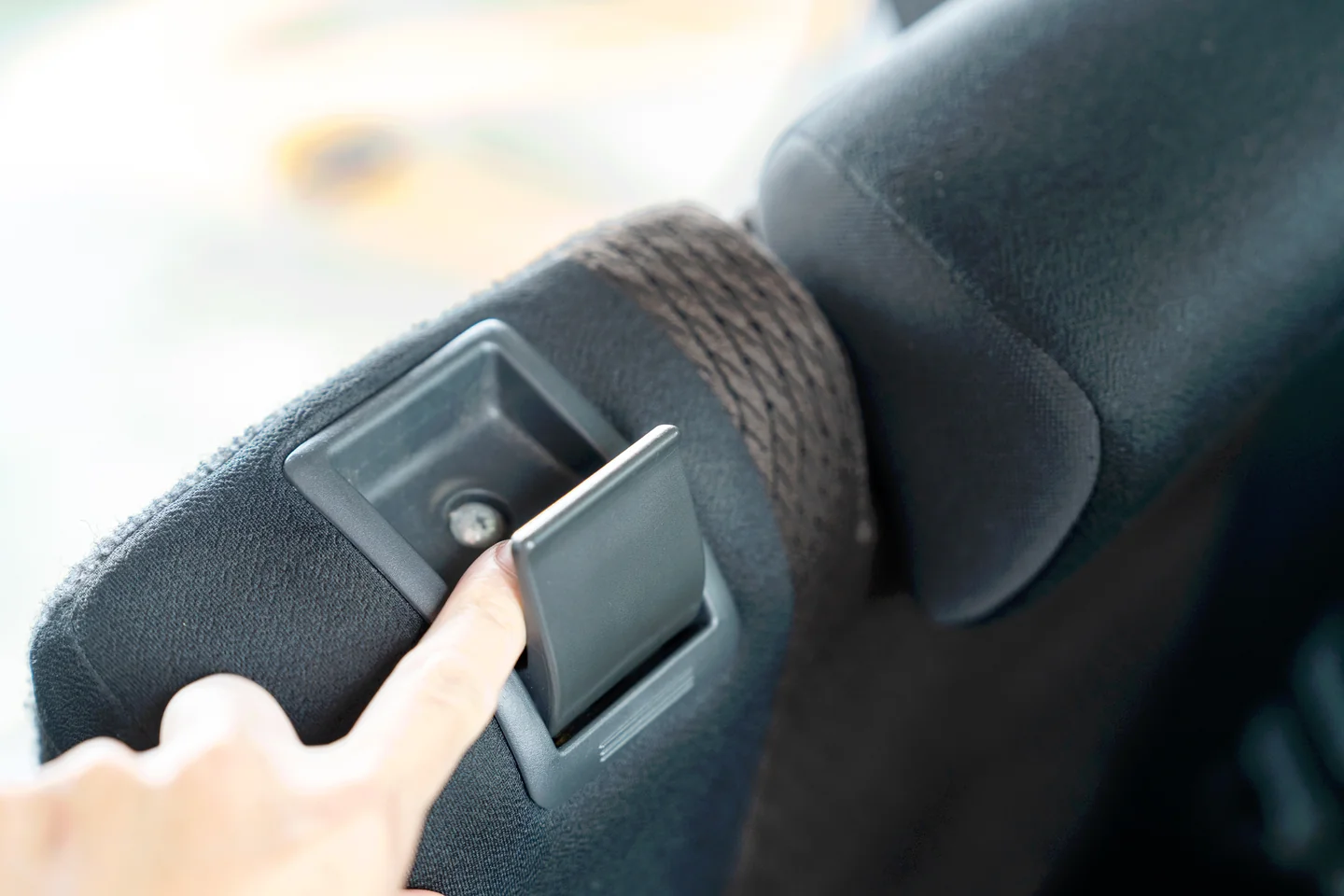
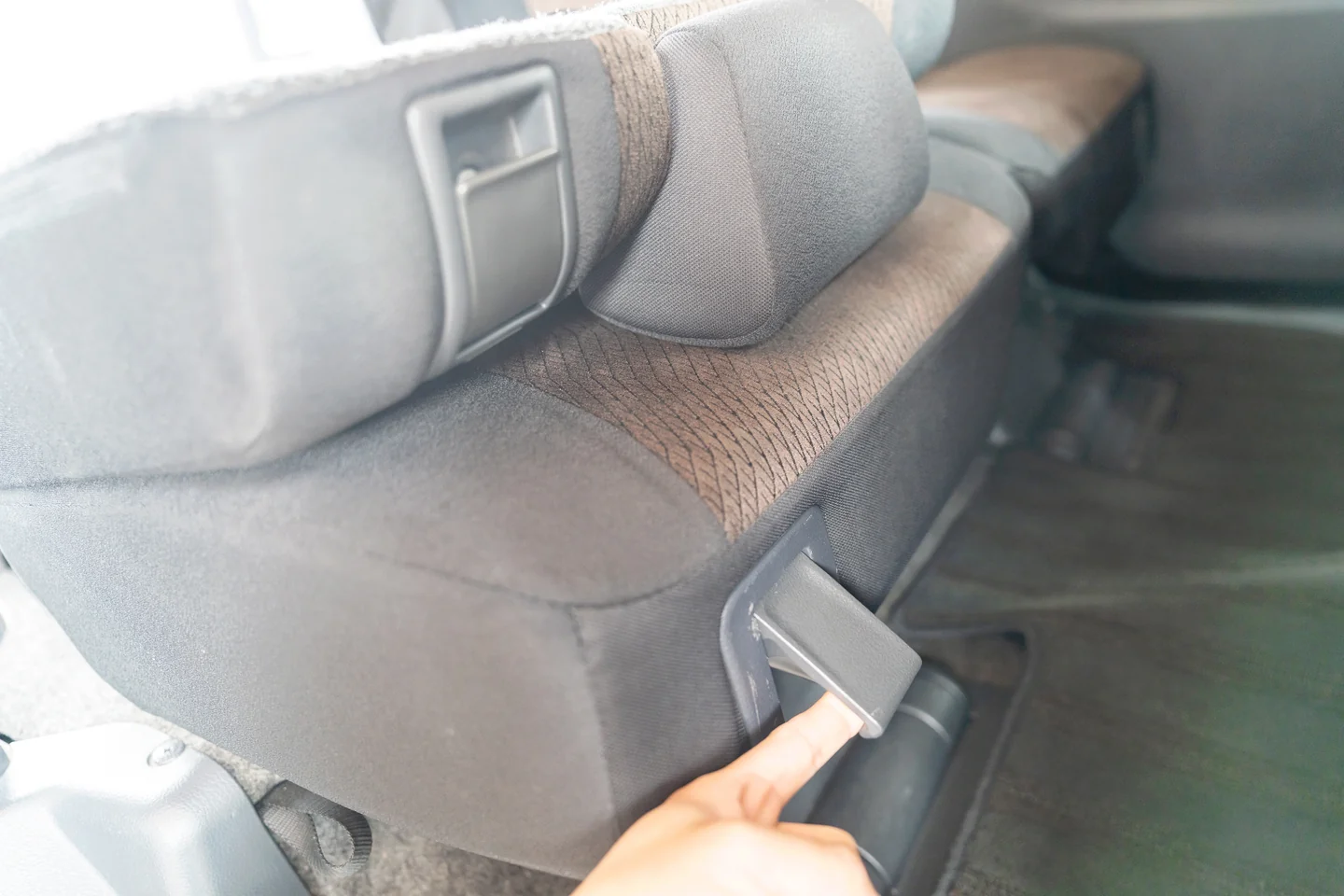
If you need more room, fold the seat down. Pull the upper lever to fold the backrest forward, and pull the lower lever to slide the seat forward.
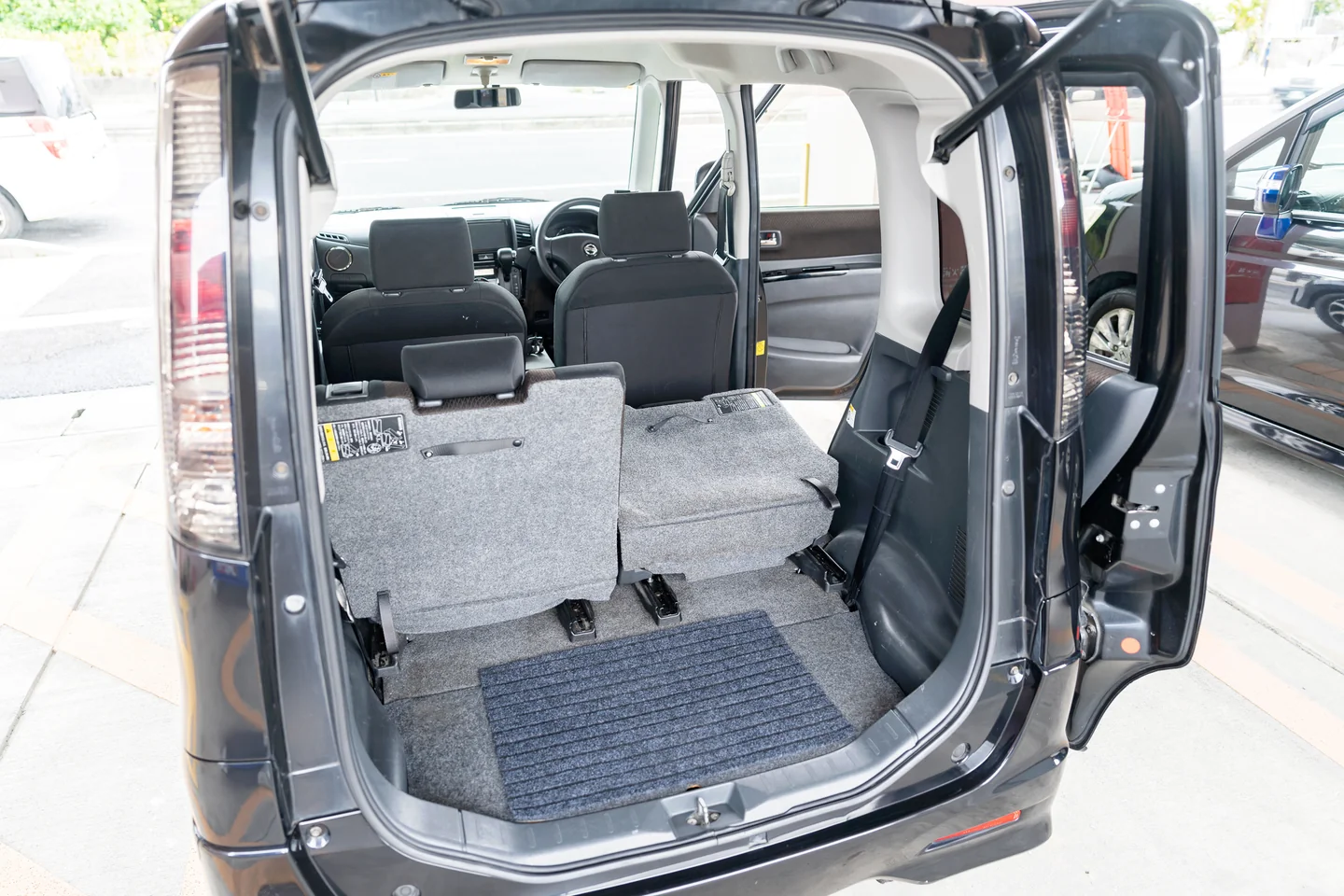
Fold one seat out of the way like this, and you can fit more luggage.
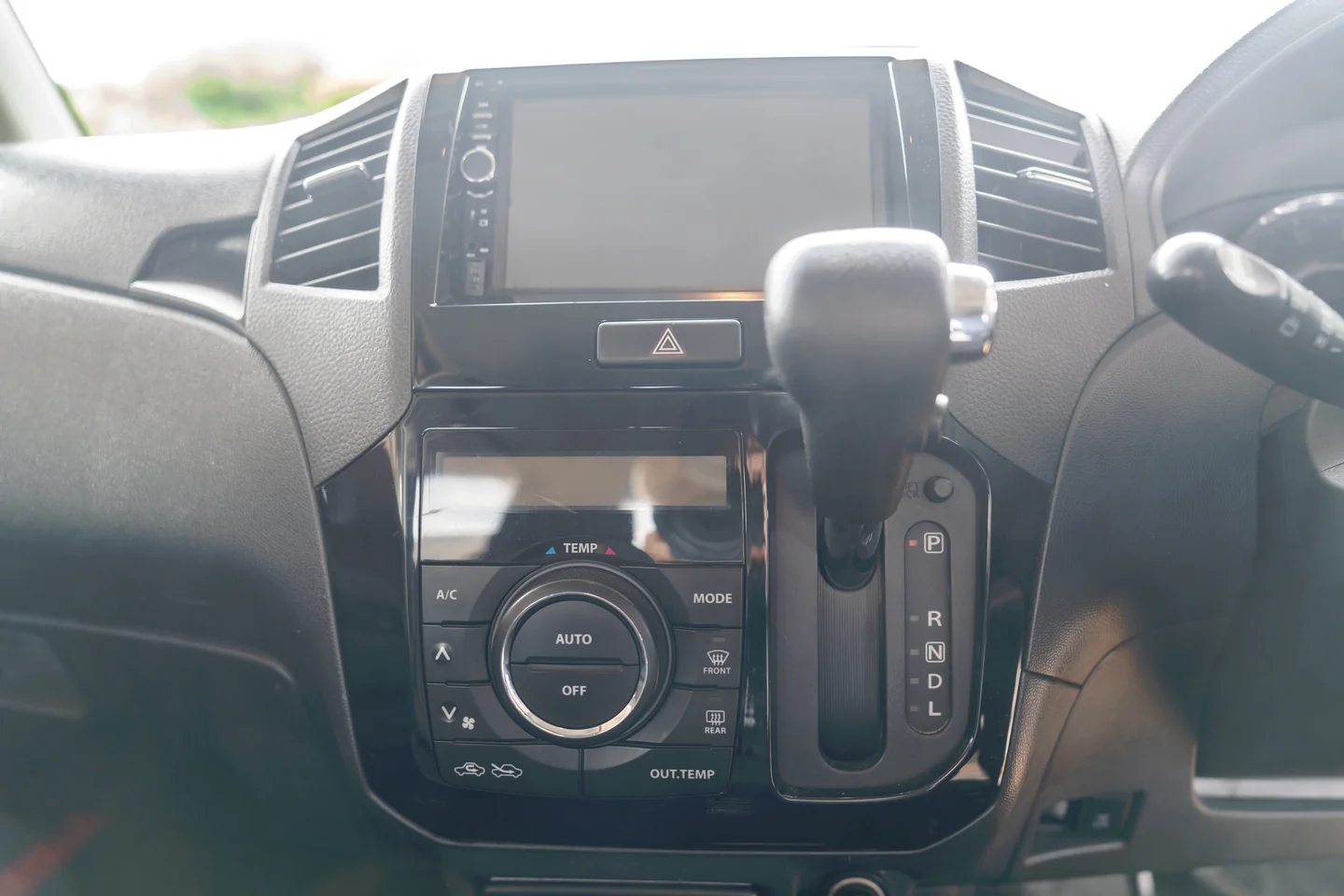
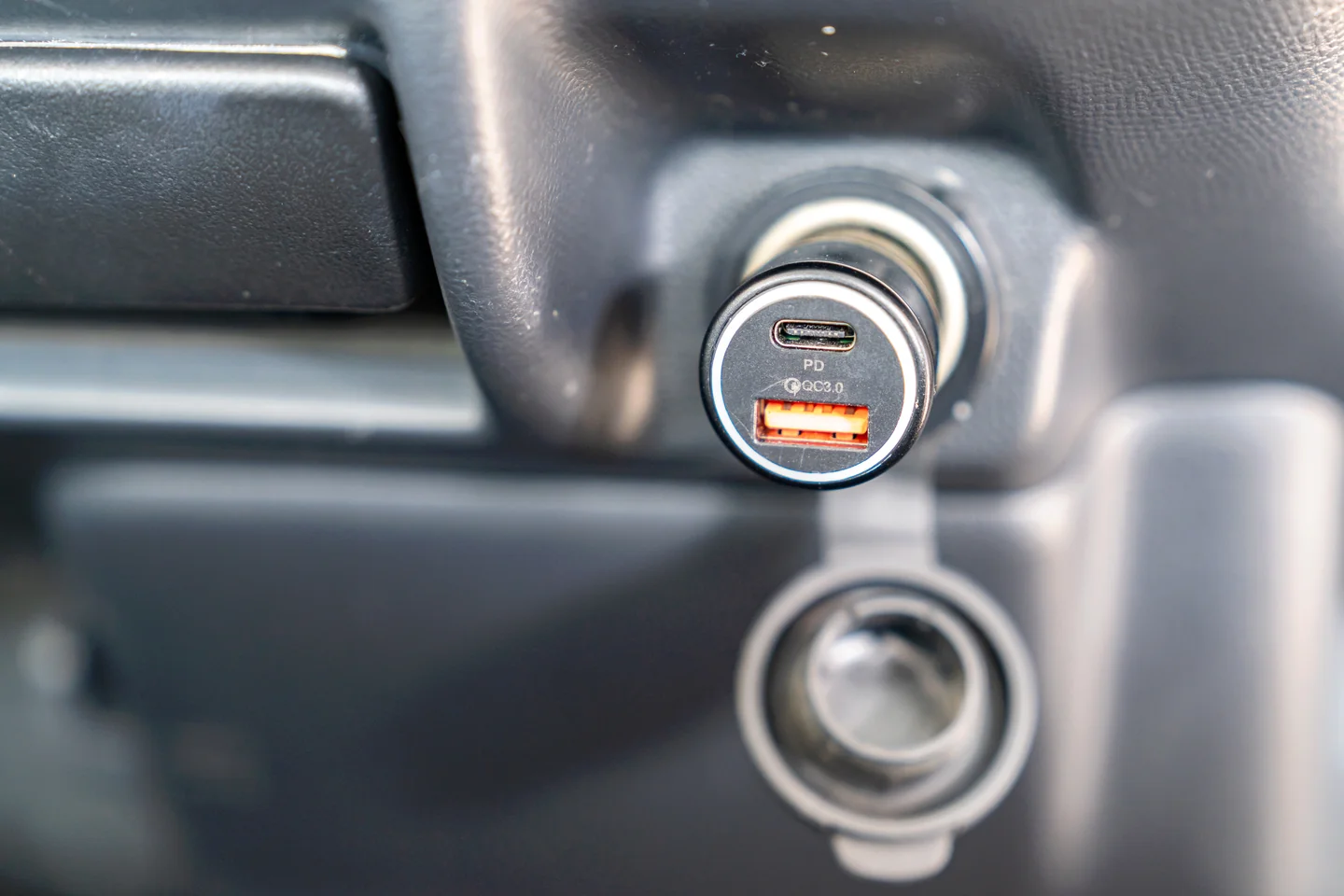
It all looks pretty familiar to me. As I said earlier.. it’s an older car, so it feels a little dated compared with the popular Yaris and Aqua these days. You’ll also need to bring your own charging cable.
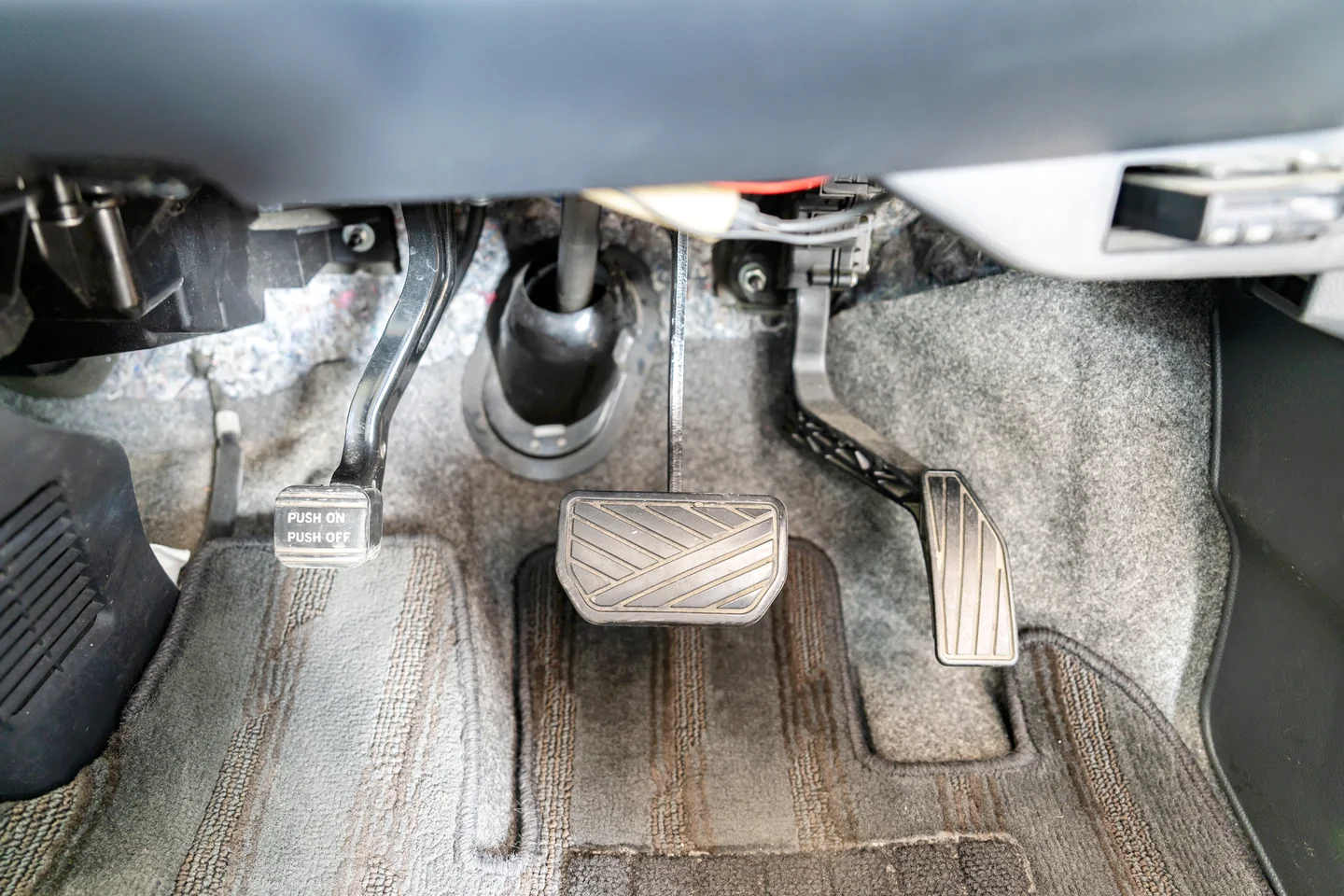
You know what these are, right? Parking brake on the left, regular brake in the middle, accelerator on the right.
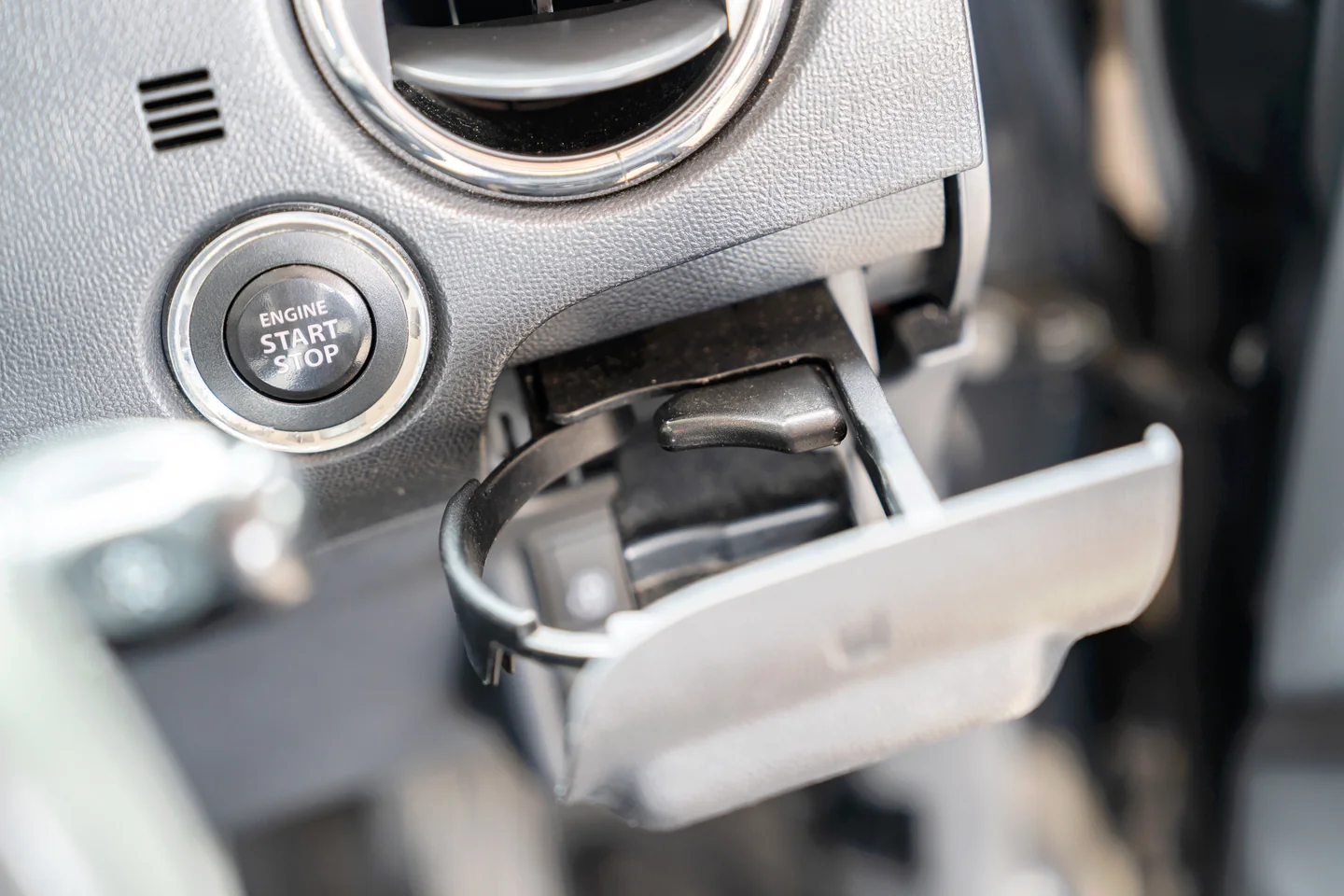
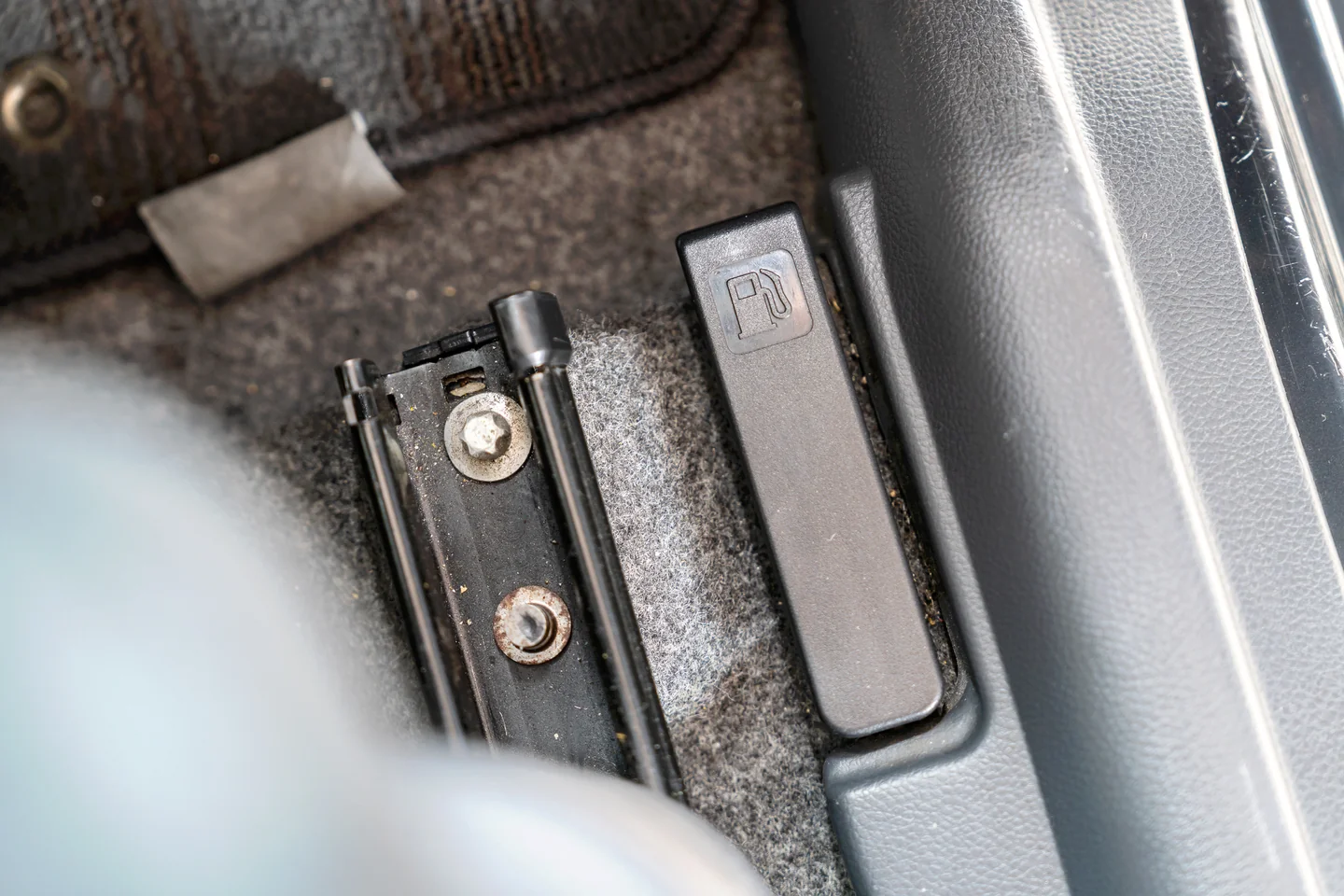
Press on the right side at the front, and a cup holder pops out. The fuel door release lever is low down to the right of the driver’s seat. Pull it to open the fuel door.
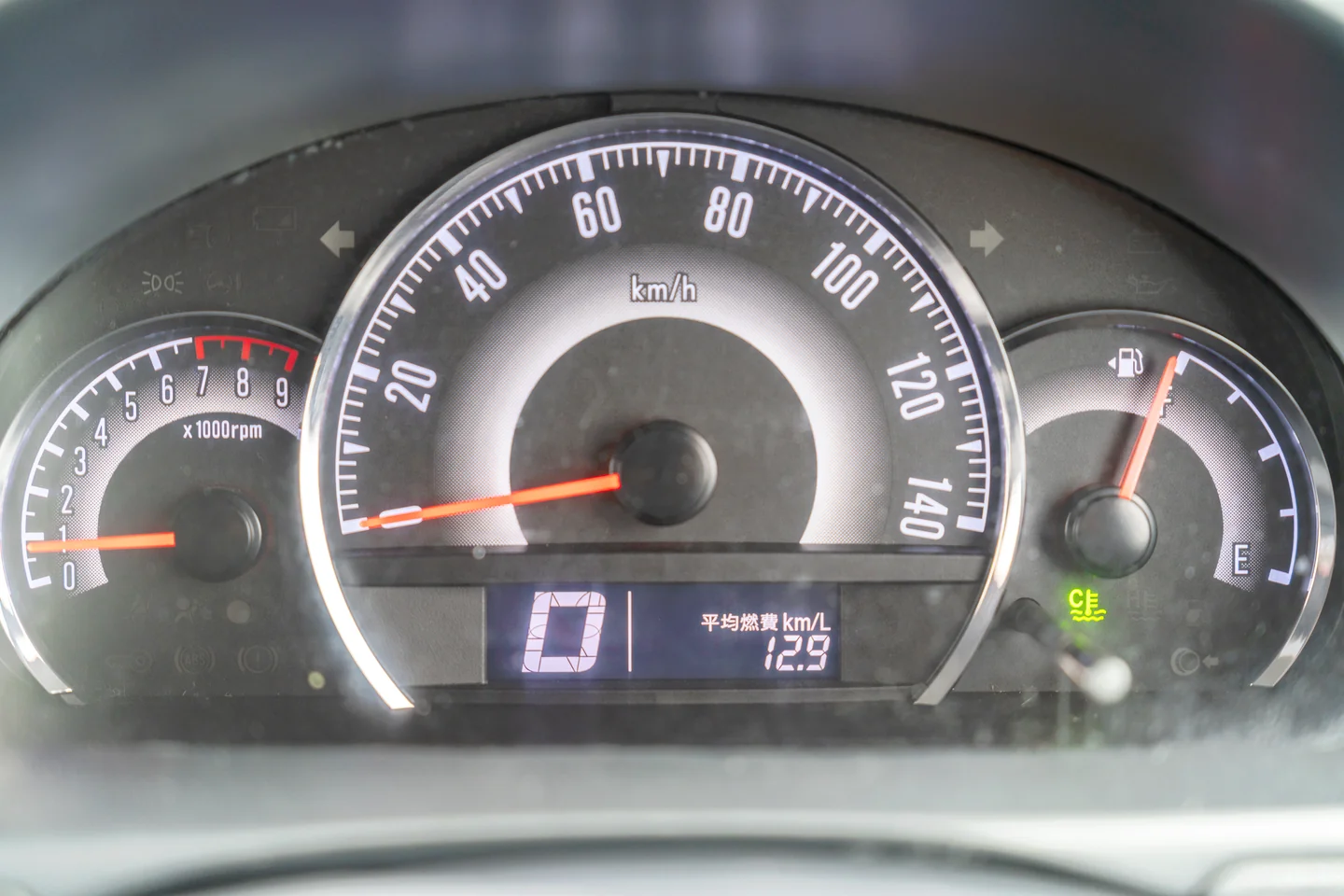
If a car with a 650cc engine is getting 12.9 km/L, it seems someone was doing a lot of hard accelerating and braking. By the time I returned it, it was up to 13.2 km/L..
Beginners can drive this car too, by the way. Experienced drivers, though, might find it a bit annoying. Because.. as I said, a 650cc engine.. So little power, it makes you drive safely…
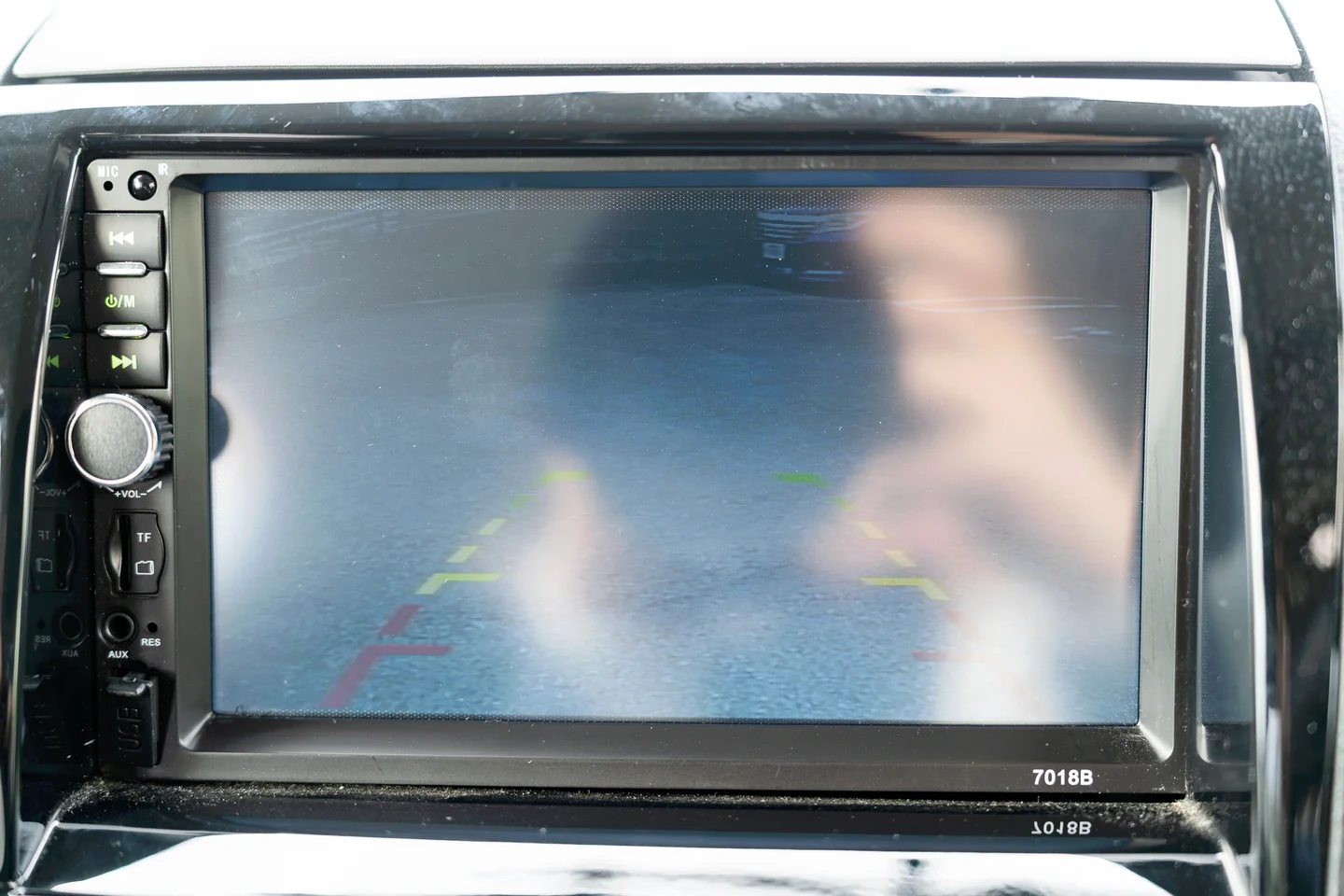
It has a rear camera! But the best thing about boxy kei cars is.. they’re incredibly easy to park. If you’re a new driver or your spatial awareness isn’t great.. just turn your head and look. With a boxy kei car, you can see in every direction through the windows.
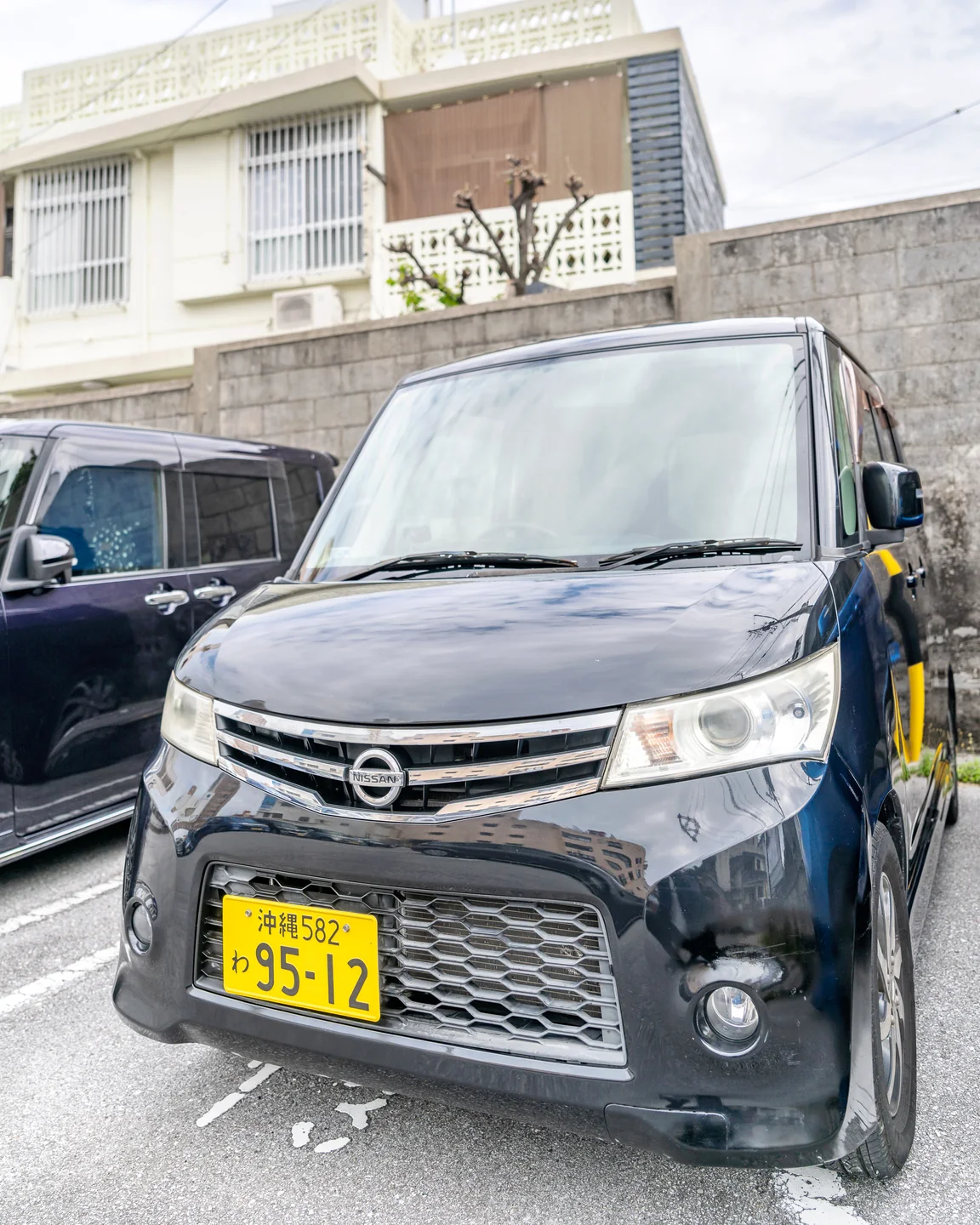
Here it is the next day.
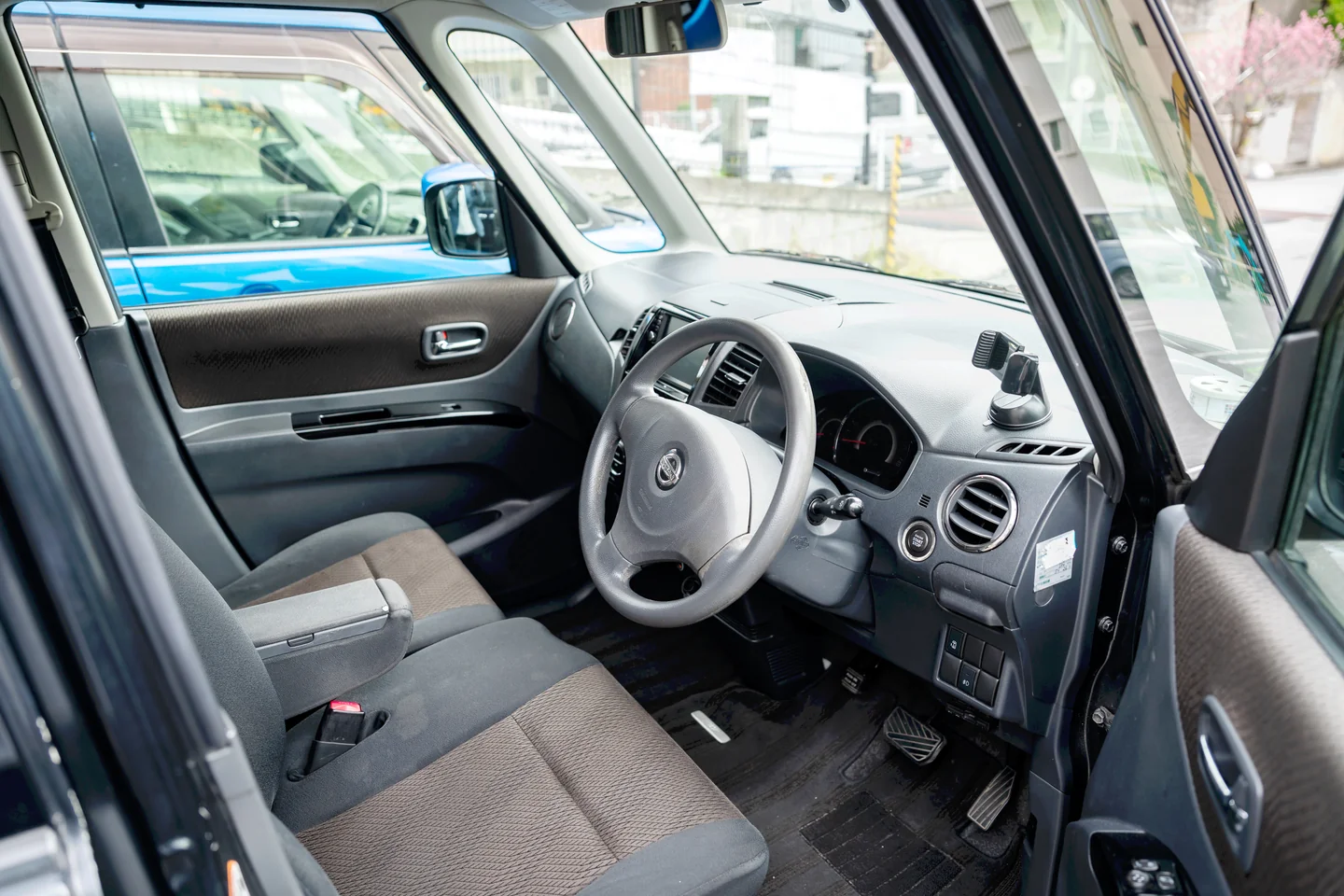
It’s morning, but.. the sun has already made the cabin hot. Time to air it out a little..
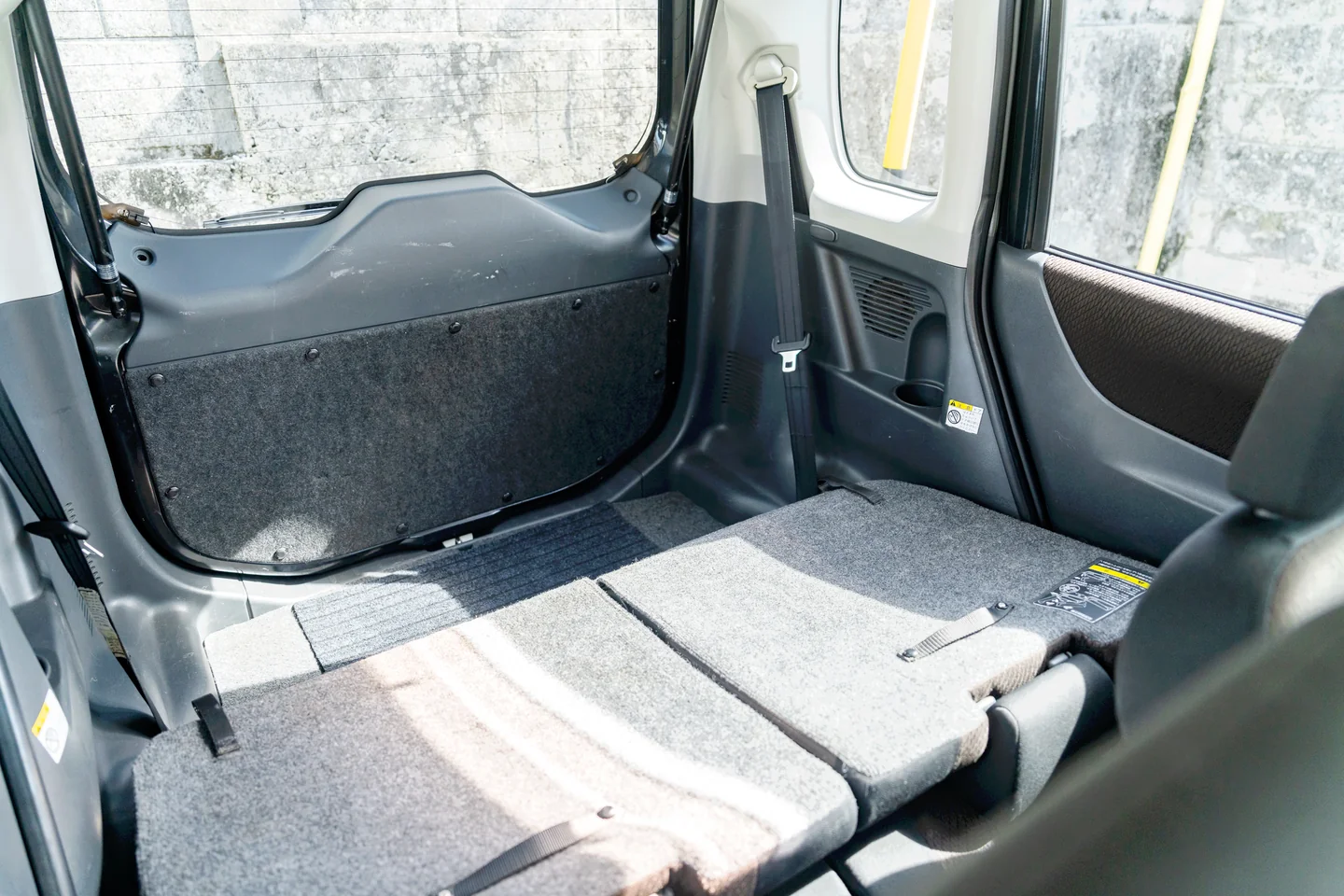
Both rear seats are folded down because I used it to haul things for a move yesterday. Fold them both, and there’s a huge amount of storage space.
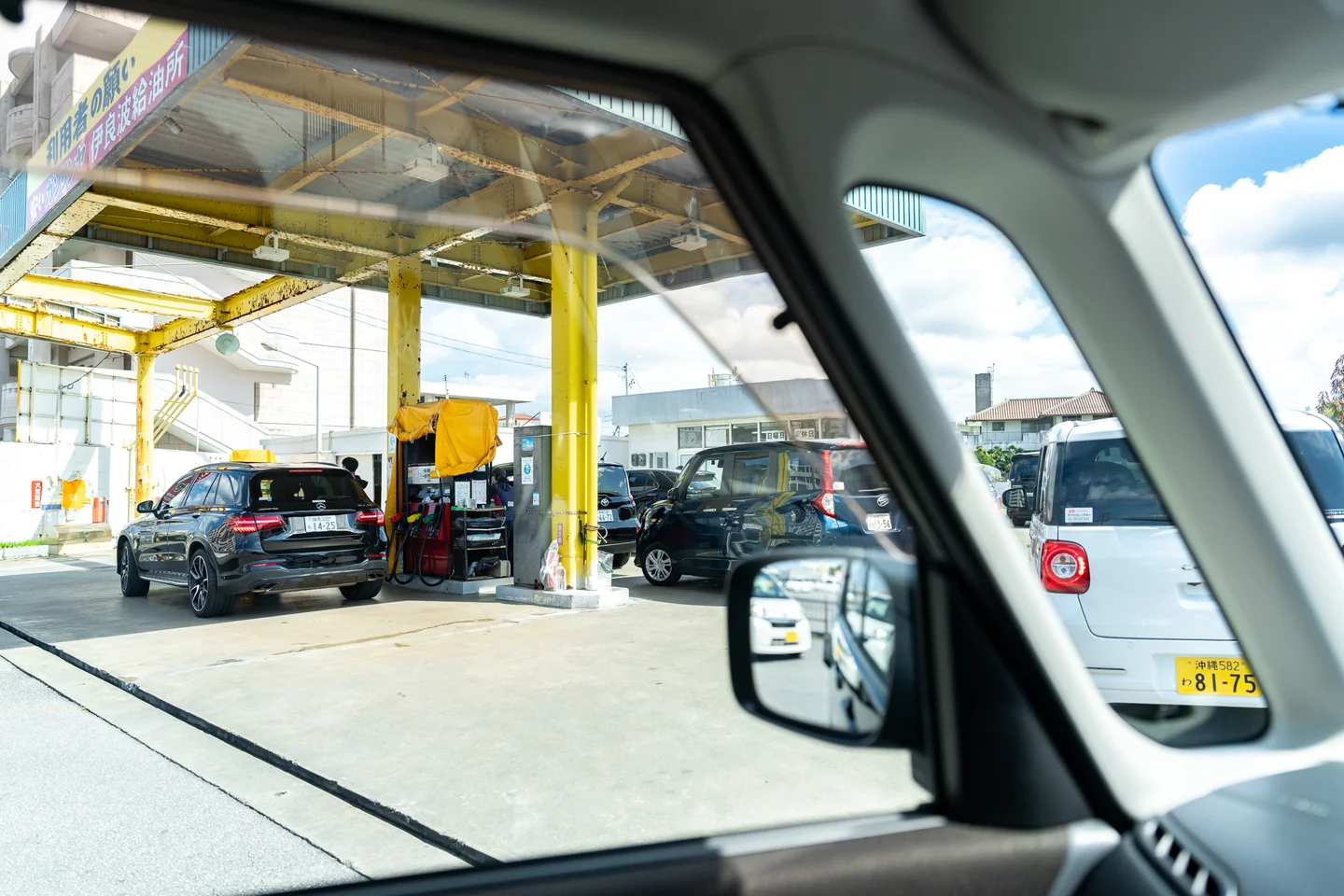
This is the gas station the rental company recommended.
They said it was the cheapest, so I went. It really was cheap..
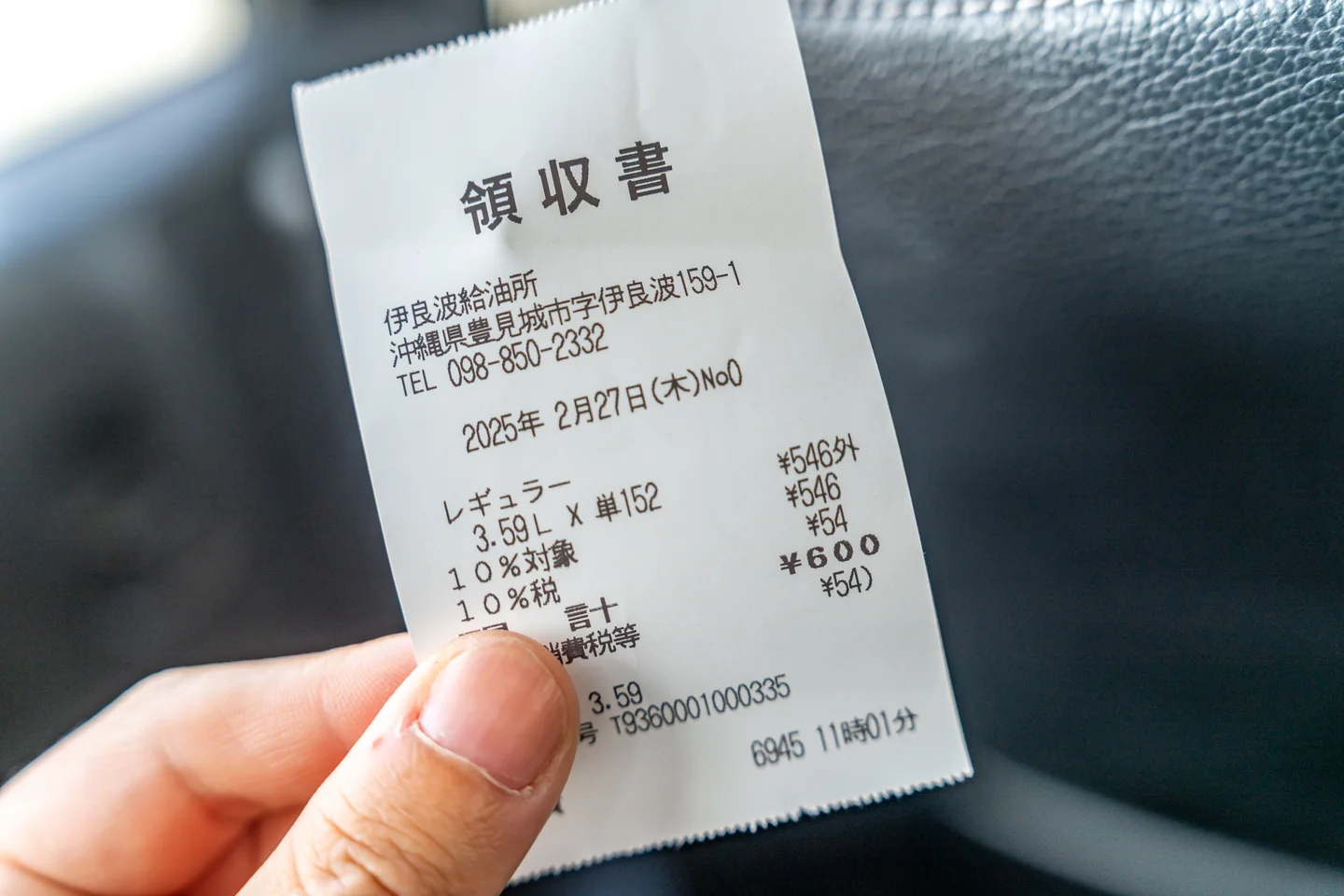
I drove from Naha to American Village and back, then hauled things for a move, and the fuel came to 600 yen.
Folks, when I rented this car, the bus from Naha to American Village was 880 yen. A round trip was 1,760 yen.. If you’re going to take the bus, you might as well rent a kei car..
Returning the Car
They checked the car’s condition and fuel, then gave me a free ride to the airport.
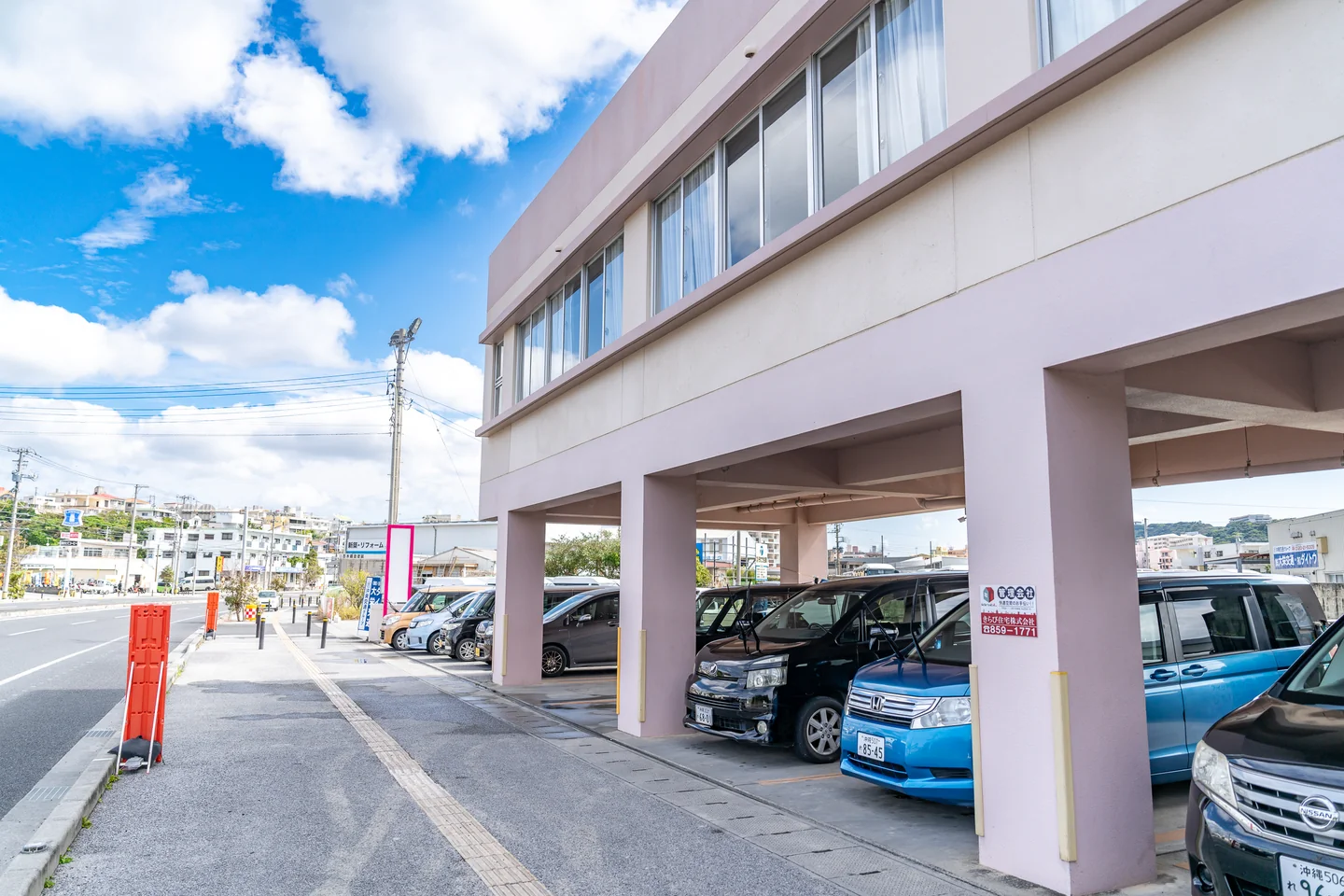
For the return.. they give the car a quick check and see if you’ve filled the tank. With a brand-new car that’s only been on the road a few months, they’d probably inspect it very closely. But this one.. was a little old, so the check felt pretty casual.. -_-;;
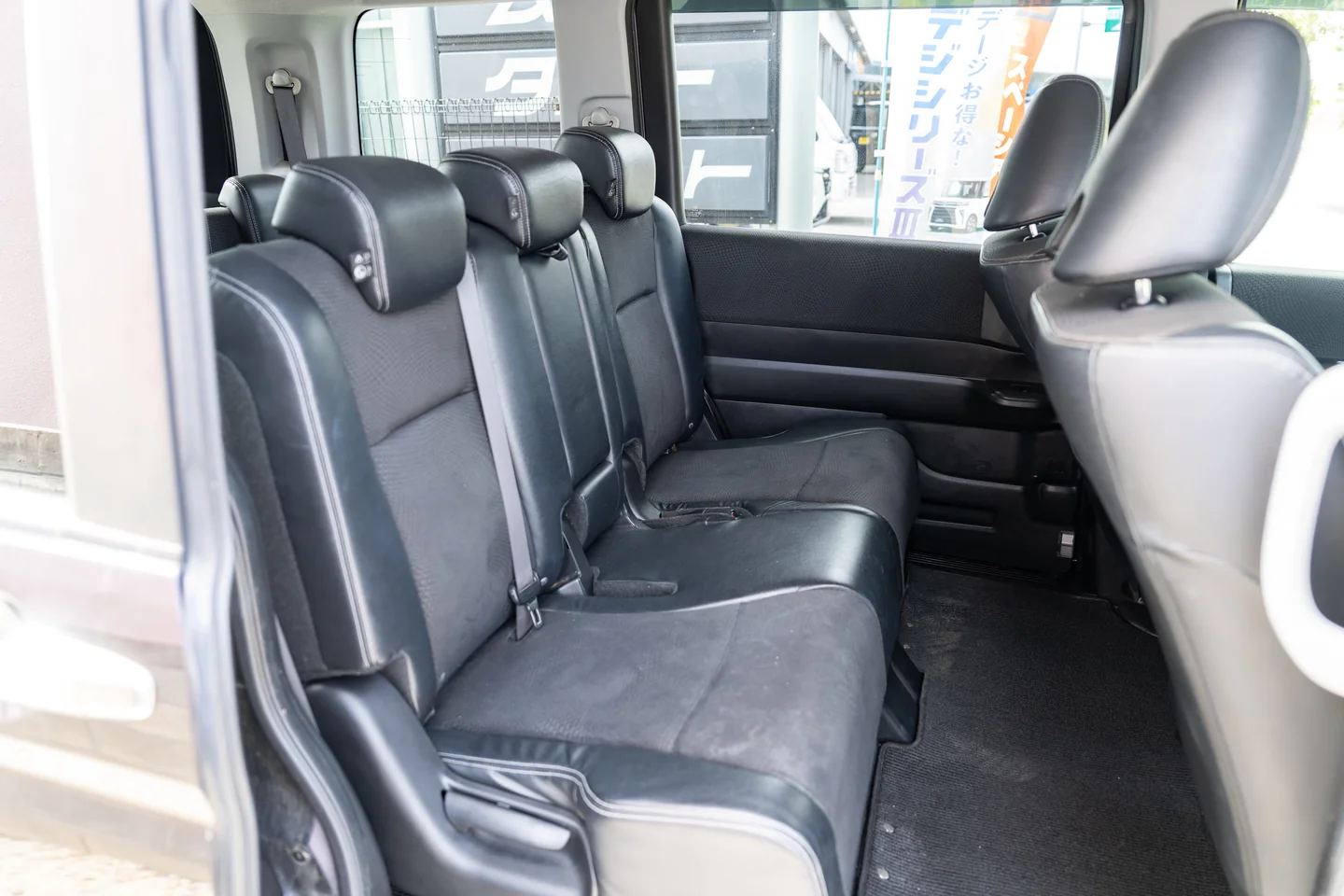
After returning the car, I took their free passenger transfer to the airport. I had something to do at the airport, so that’s where I went, but if you ask to be dropped off at a nearby monorail station, they’ll take you there too.
Summary
I found it worth driving for a budget trip, even if it was a little underpowered.
All right, let’s sum it up.
Pros: Low cost, makes you drive safely, easy parking, roomy cabin
Cons: Underpowered. The car was a little old (ones in good condition cost twice as much)
Who would I recommend it to.. Beginner drivers and people looking for a budget trip. And.. if you’re the type who takes on challenges like getting 20 km/L out of a Hyundai Santa Fe, I think this might be a fun car to try
- Use the KakaoTalk conversation they continue after you book, and message them around the time you leave the arrivals hall on your rental day. They'll send the pickup vehicle then. It takes about 15–20 minutes, so allow for the time you'll need to walk to the pickup point.
- When I visited, they supported Korean, and I registered at a kiosk. The process includes scanning your International Driving Permit and passport.
- The trunk was about full with one large 28-inch suitcase and two 20-inch carry-on suitcases. If you have more luggage, fold the rear seats to make more room.
- Bring your own charging cable. The car I rented was an older model and felt dated compared with the popular Yaris and Aqua these days.
- The car I rented didn't have power sliding doors. Still, I found the doors light and easy to open.
- When I used them, all four people in a group could drive as long as they had International Driving Permits. The insurance covered the vehicle rather than individual drivers.
- You return the car to the rental company, and they take just the passengers to the airport. They don't collect the car at the airport.