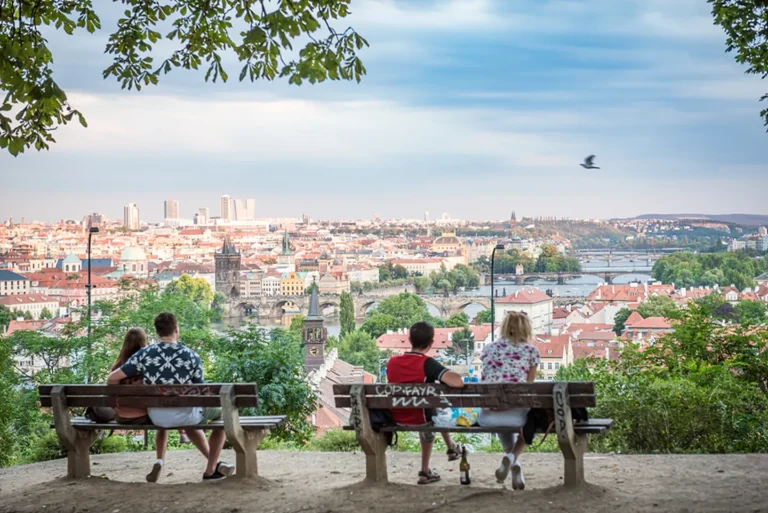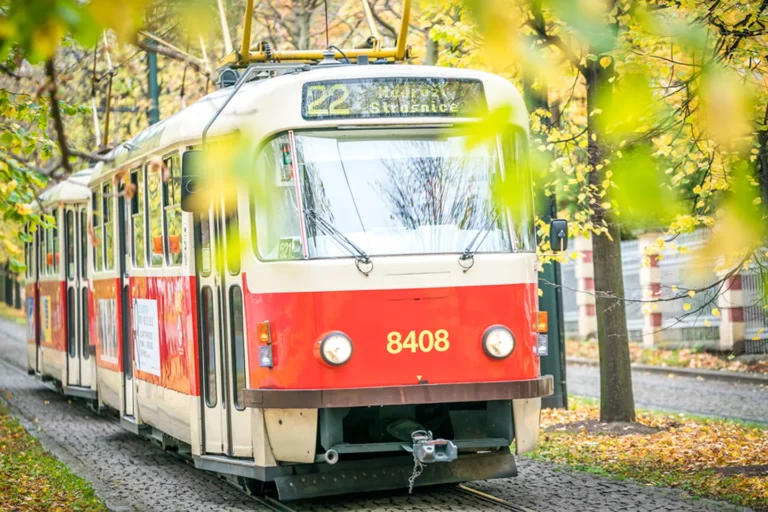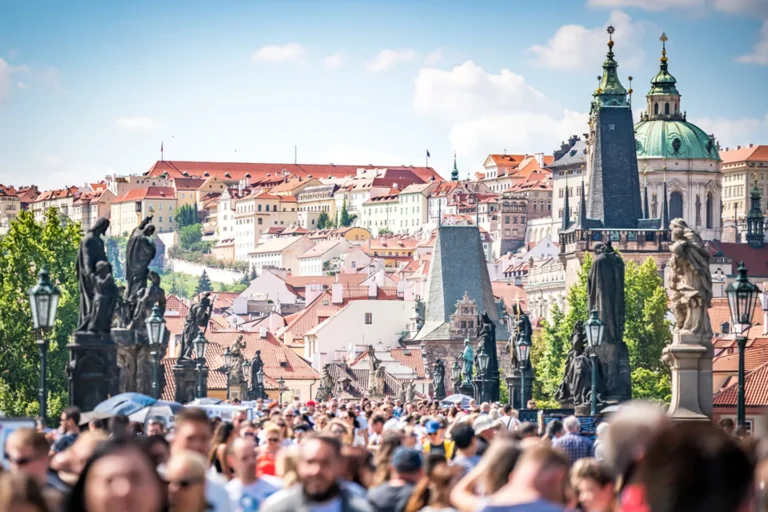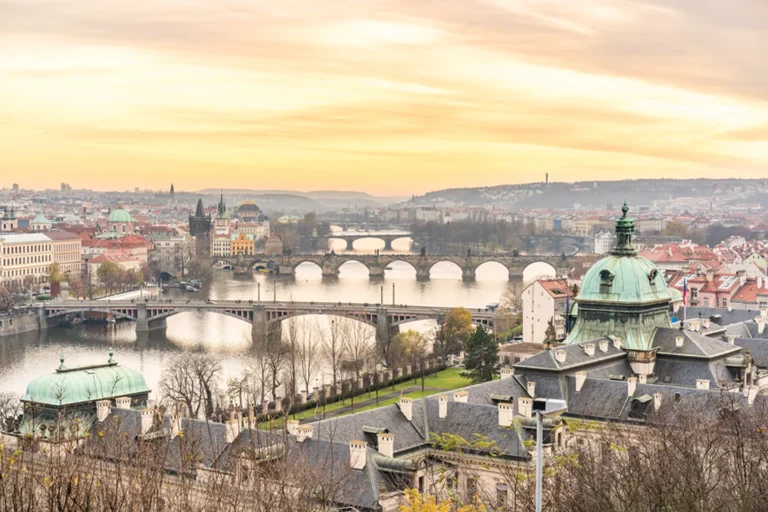
Prague weather
Characteristics of Prague weather and the best times to travel
Dobrý den! This is CULT.
When preparing for a trip to Prague you might wonder what clothes to pack, what the monthly weather patterns are like, and what to see and where to go. First, the Czech city of Prague has four distinct seasons: spring, summer, autumn, and winter. It’s also a Northern Hemisphere city near latitude 50°N, so days are very long in summer and very short in winter. If you plan your Prague itinerary without considering the monthly weather characteristics, you may encounter scenes at famous attractions or photo spots that look very different from what you expected.
Therefore, when preparing for Prague, don’t just look at average temperatures or clothing — consider day length, rainfall amount and frequency, and felt temperature together.
- About the author: CULT (Korean pen name Seok Young, author). I have worked as a Prague-based photographer for 11 years and wrote more than 4,000 Prague travel posts on the NAVER blog. I briefly left Prague to gain OTA business experience in Okinawa, Japan, and now run Cultravel Prague while preparing content for Okinawa and Gyeongju.
Features of Prague weather
Details
Prague sits between an oceanic temperate climate and a continental climate. What that means is it’s a very traveler-friendly climate. I’m Korean, I’ve lived in Czechia and Japan, and I’ve traveled widely, but I think no city is as blessed with climate as Prague.
Except for winter from January to March, it’s very pleasant for travel most of the year. Recently there have been heatwaves in summer, but because summer is relatively dry, the discomfort is less than in midsummer Osaka, Tokyo, or Daegu. December is winter, but the lively Christmas markets help take away some of the cold-season feeling.
Because the four seasons are distinct, the clothing you need changes slightly each season. Read this post carefully and you’ll be better prepared for an easier, more comfortable Prague trip.
Spring in Prague
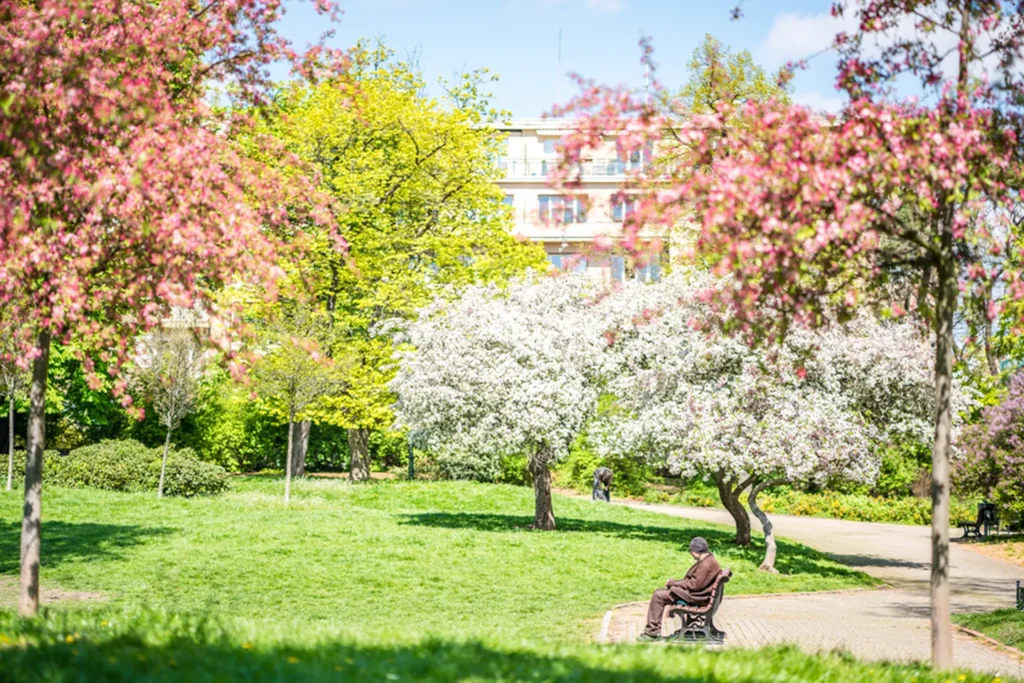
Spring in Prague covers March, April, and May.
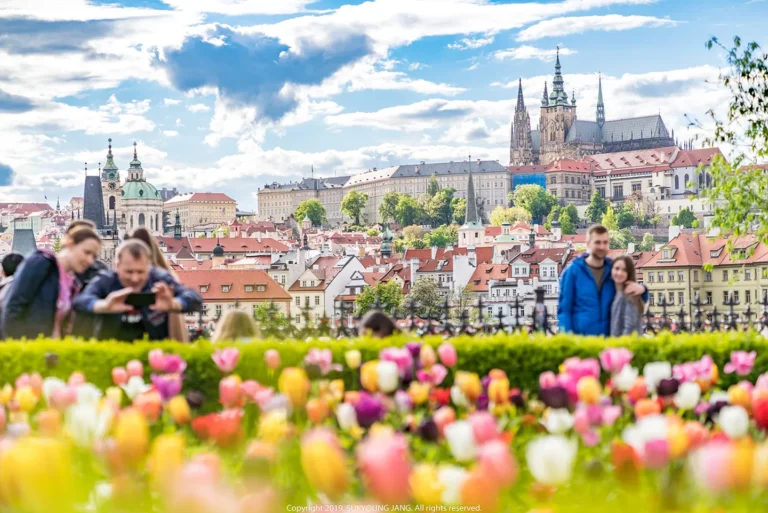
After a winter of heavy clouds, you’ll start seeing blue skies and fluffy cotton-candy clouds that lift your mood. Spring flowers bloom all over Prague, and famous restaurants and cafés that were closed or under renovation during winter, and the beautiful gardens around Pražský hrad (Prague Castle) are getting ready to welcome visitors.
It’s the time when you can swap thick long puffer coats and heavy gloves for light down jackets or stylish wool coats that photograph well. However, from mid-March to mid-April pollen is abundant, so if you have pollen allergies you should avoid that period.
March weather in Prague
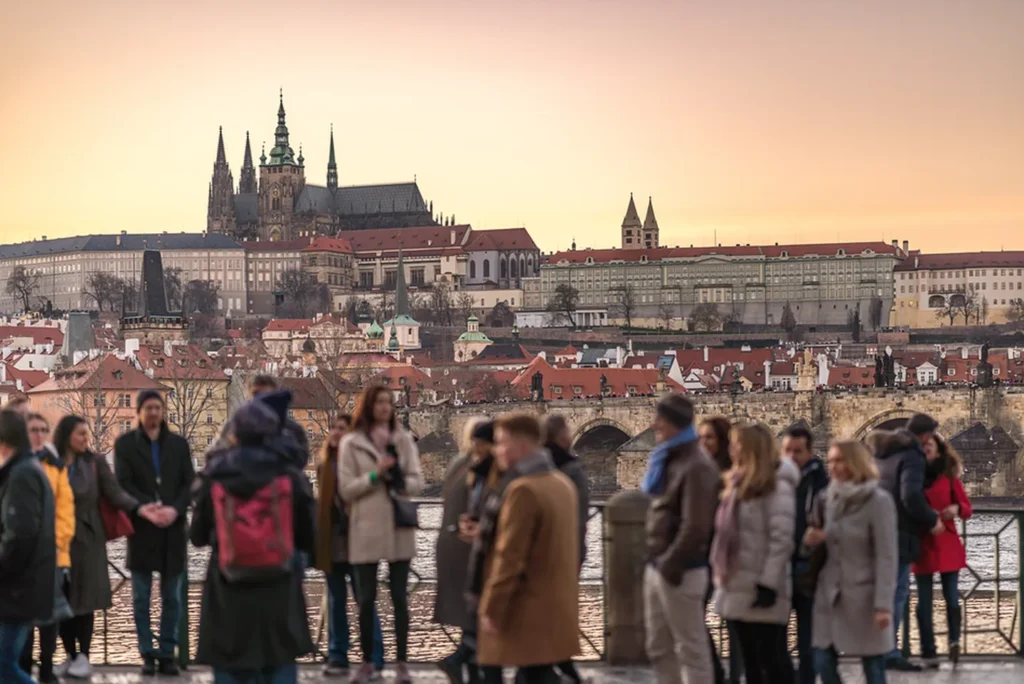
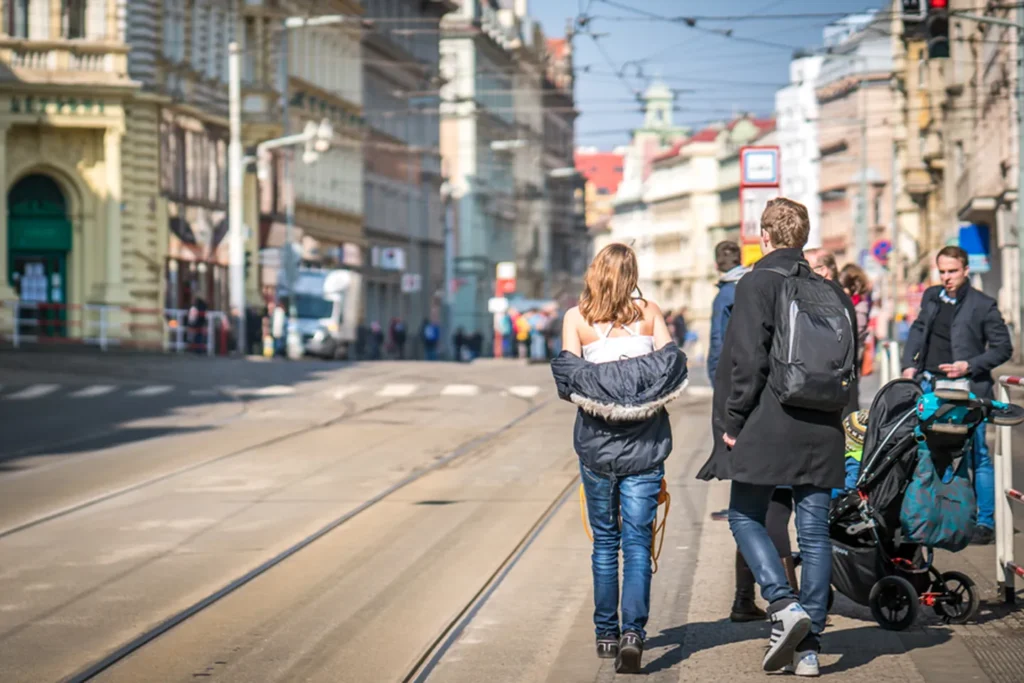
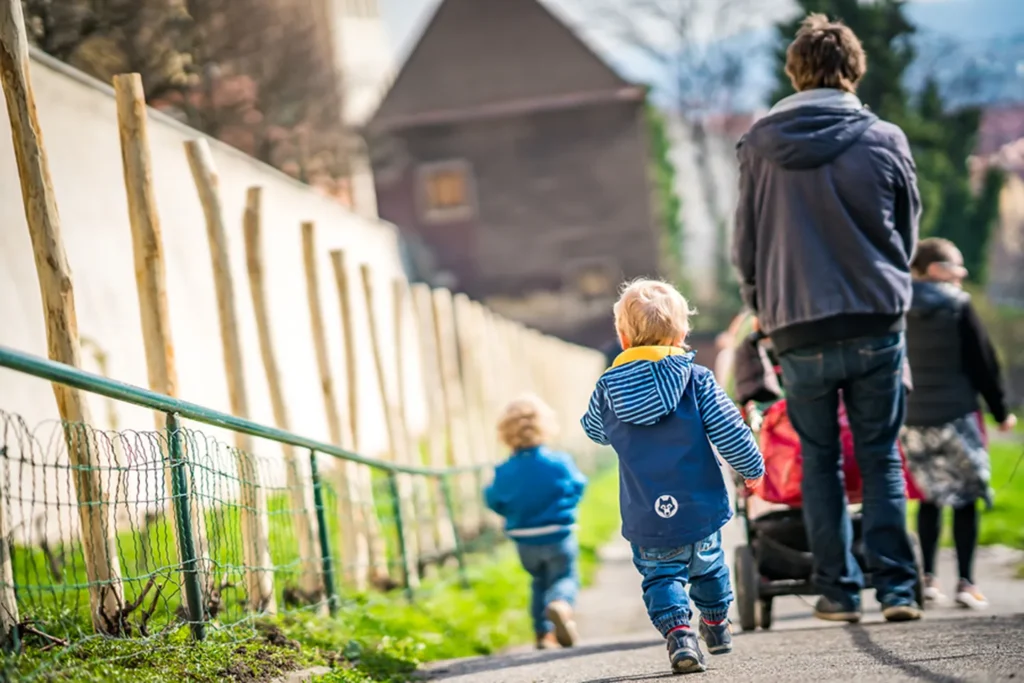
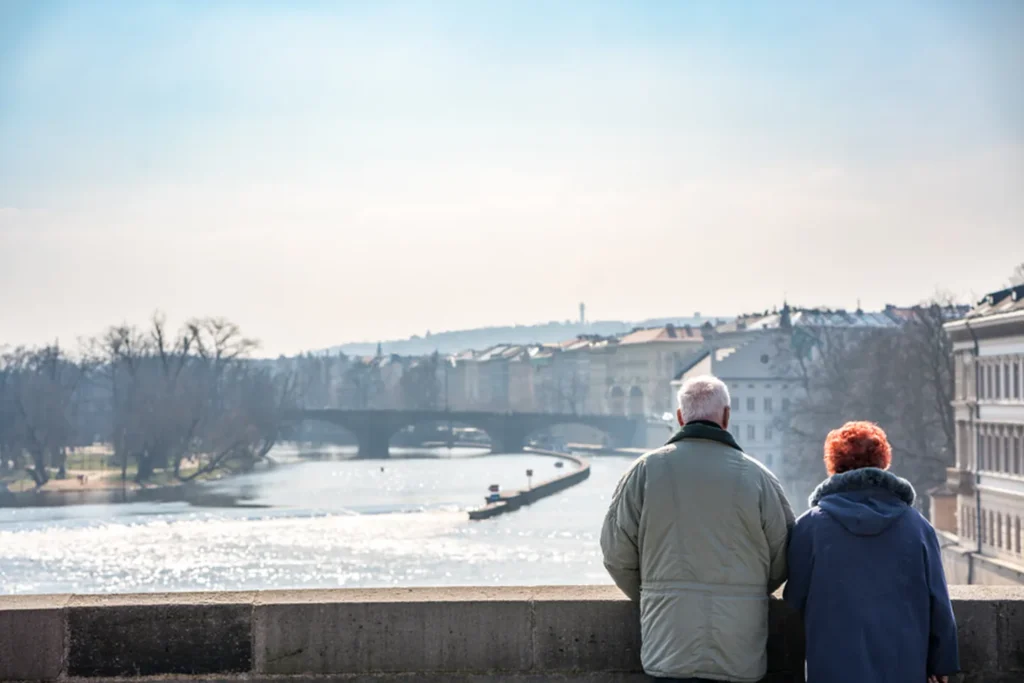
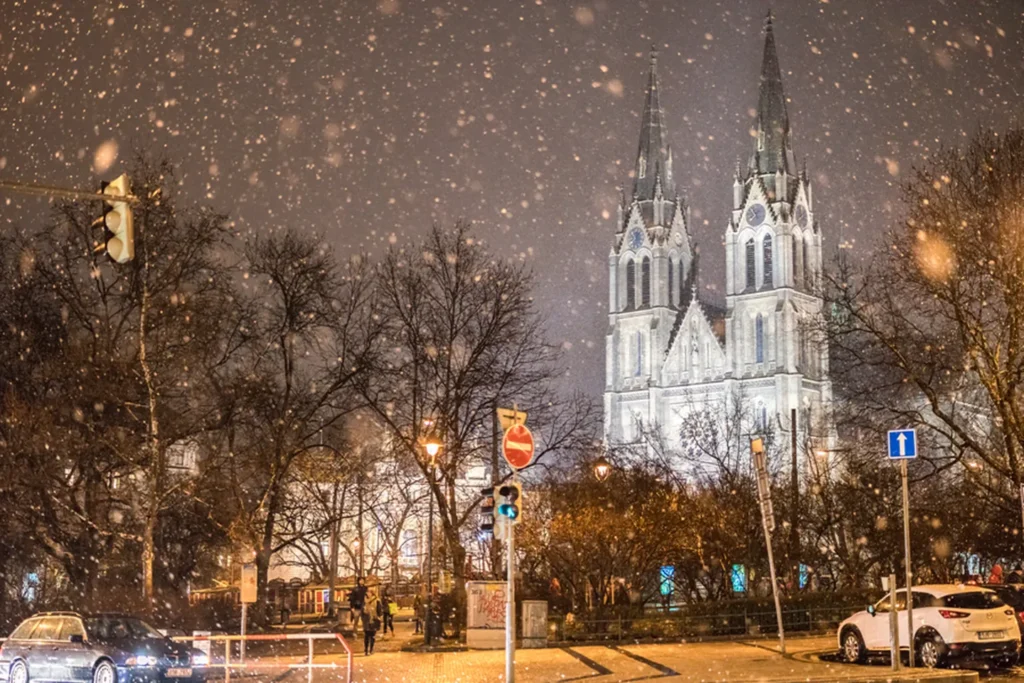
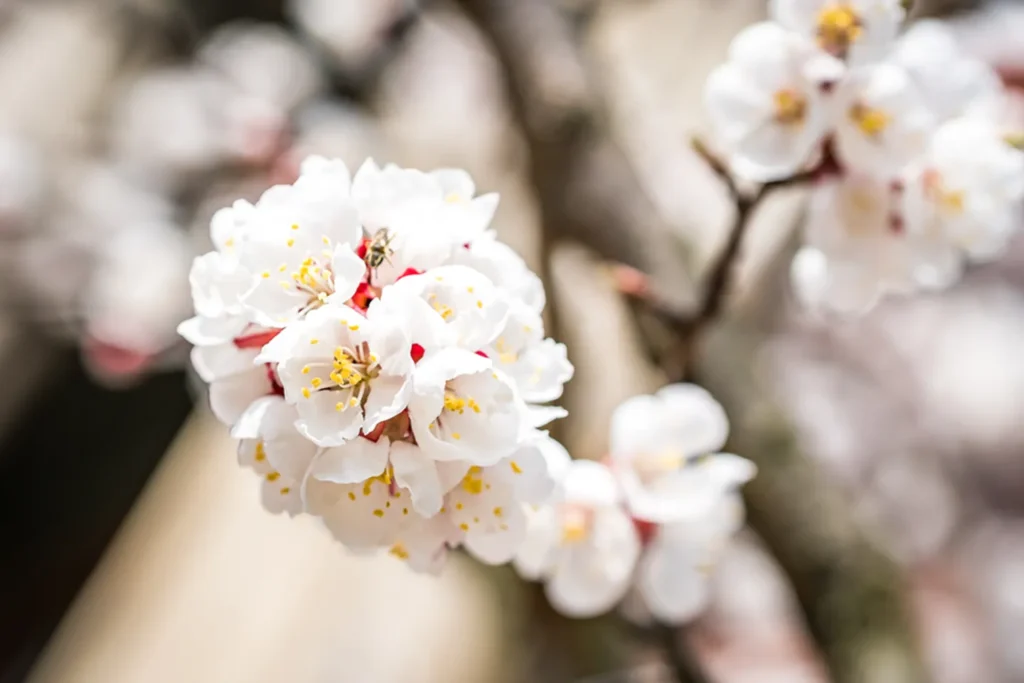
March in Prague is a mix of winter and spring.
Temperatures are still cold, but spring flowers begin to appear and sunny days outnumber cloudy ones. There’s a small chance of snow, but it usually doesn’t accumulate and melts within an hour or two. If you see snow during a March trip, think of it as a brief winter experience.
Over the past 10 years the average high has been about 10.5°C and the average low about 1.1°C, so subzero temperatures tend to occur late at night or early morning — unless you get up very early to photograph at sunrise on Charles Bridge, you probably won’t encounter those extremes.
January and February are very cold, but from March temperatures gradually warm, making it increasingly suitable for traveling with small children or older adults.
Mid to late March is cherry blossom season, but there aren’t many cherry trees in central Prague. If you take a tram or a public bike to the north and visit the Trojská Zahrada (Trojská Garden), you can enjoy cherry blossom viewing. [Czech Prague weather: More on March]
April weather in Prague
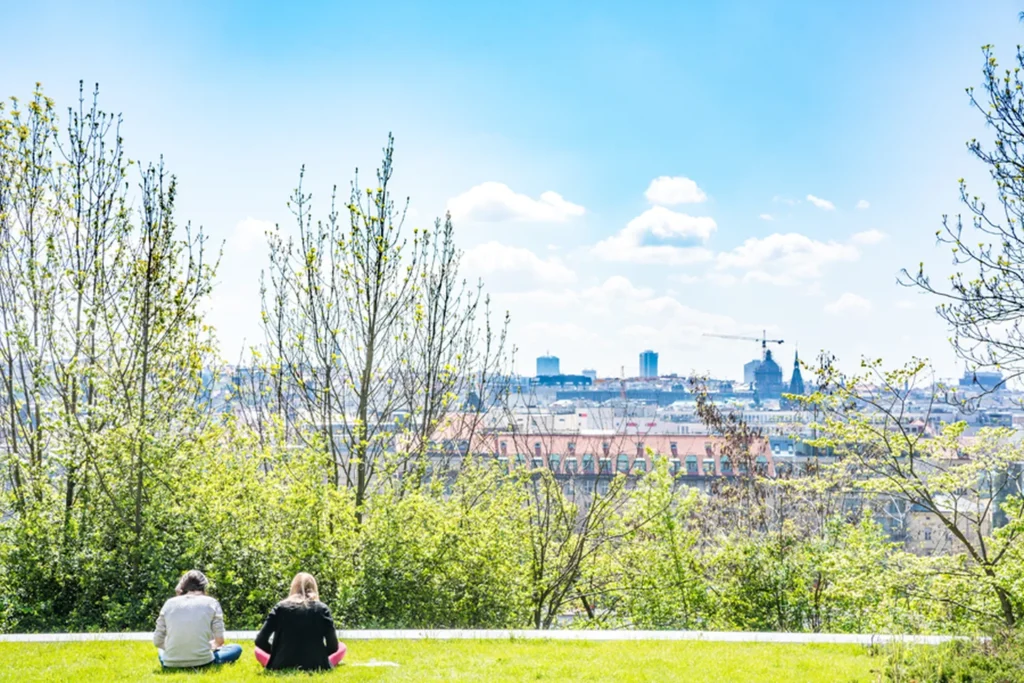
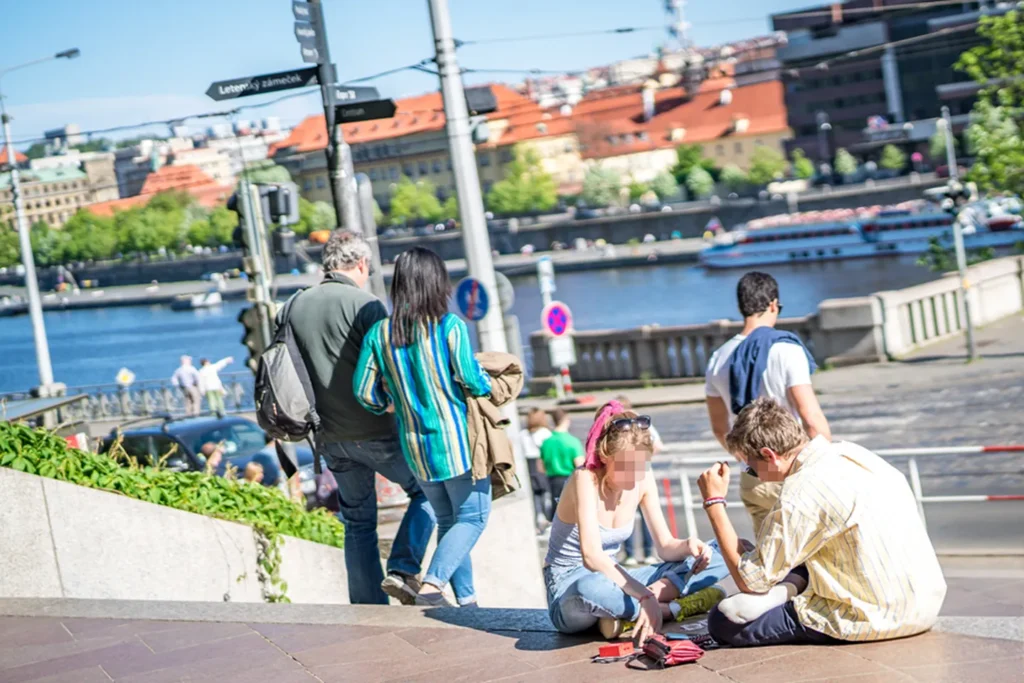
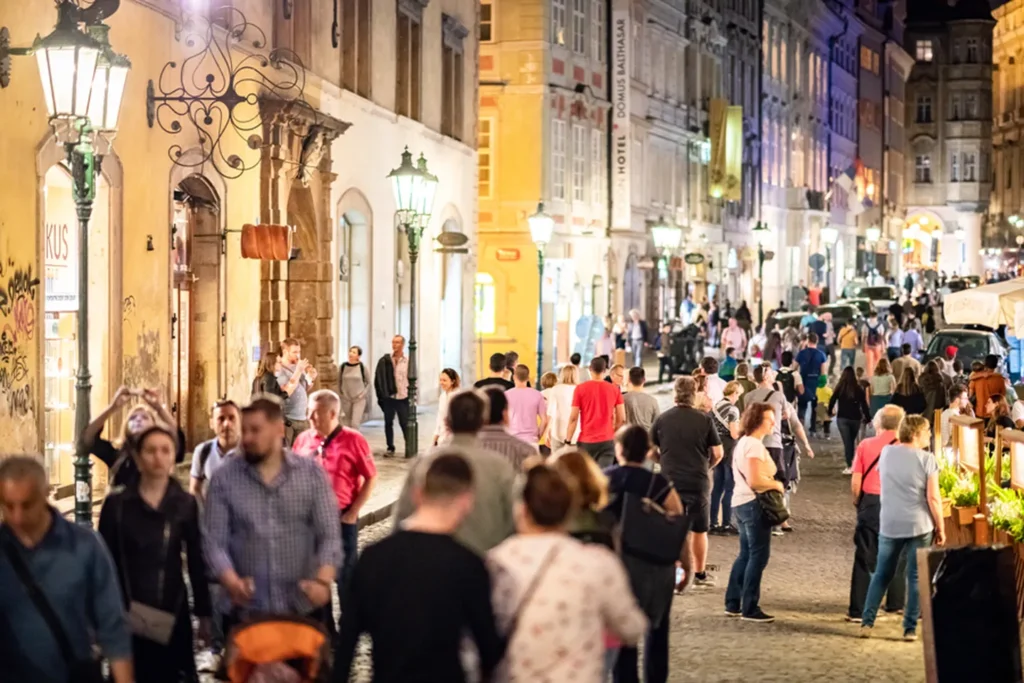
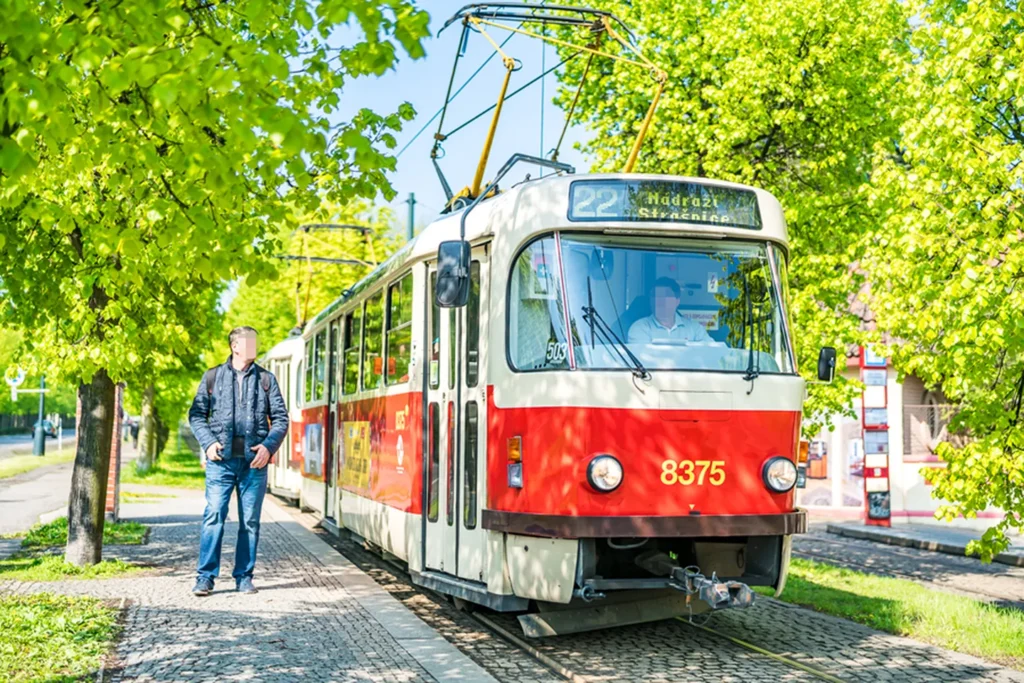

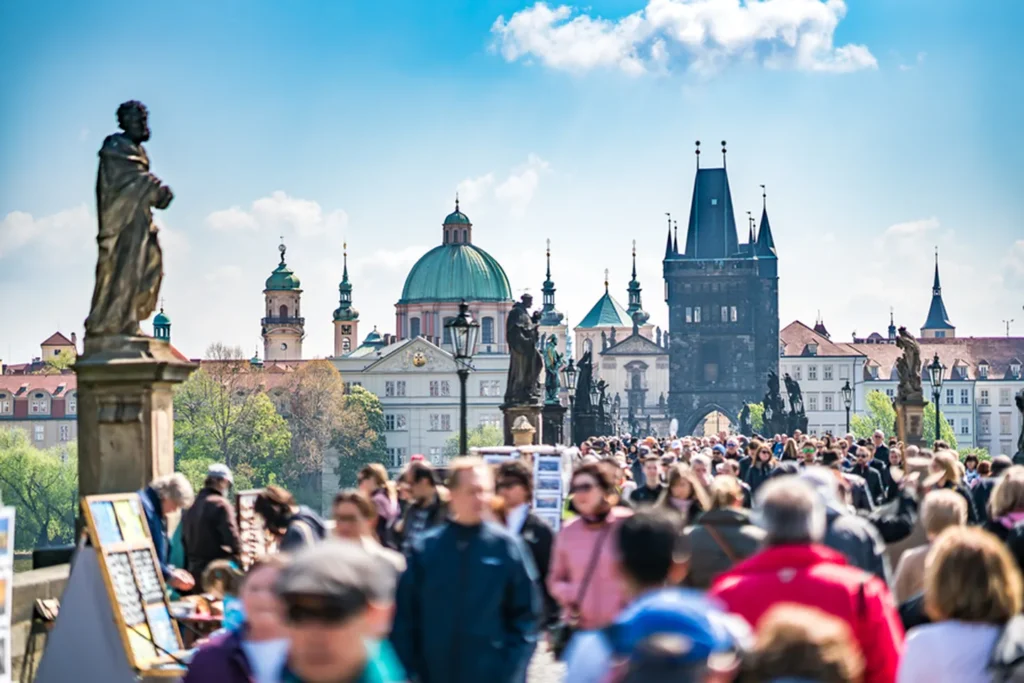
April is when spring really announces itself.
When you wander Prague you’ll often see forsythia and plum blossoms. The flowers that were beautiful in March can turn into a pollen storm in April, so if you have pollen allergies bring a mask in early April.
Over the past 10 years the average high has been about 15.3°C and the average low about 4.6°C, which means it’s rare to experience subzero temperatures from April onward. Some days can even reach above 25°C, so pack sleeveless tops or short sleeves for those warm spells. You’ll still need an outer layer, though; if it’s warm at midday carry your coat rather than leaving it behind because nights remain chilly.
From April 1 the Zahrada Na valech (Southern Garden on the castle walls) and the Královská zahrada (Royal Garden) at Prague Castle open. These gardens offer beautiful views over Prague and are well worth a visit if you have time. They are usually open from April 1 to October 31, roughly 10:00–18:00 (closing times vary by month), but events or maintenance can close them on certain days, so check Prague Castle’s website. [Czech Prague weather: More on April]
- Prague Castle official: Southern gardens opening notice
- Prague Castle official: Royal Garden opening notice
May weather in Prague
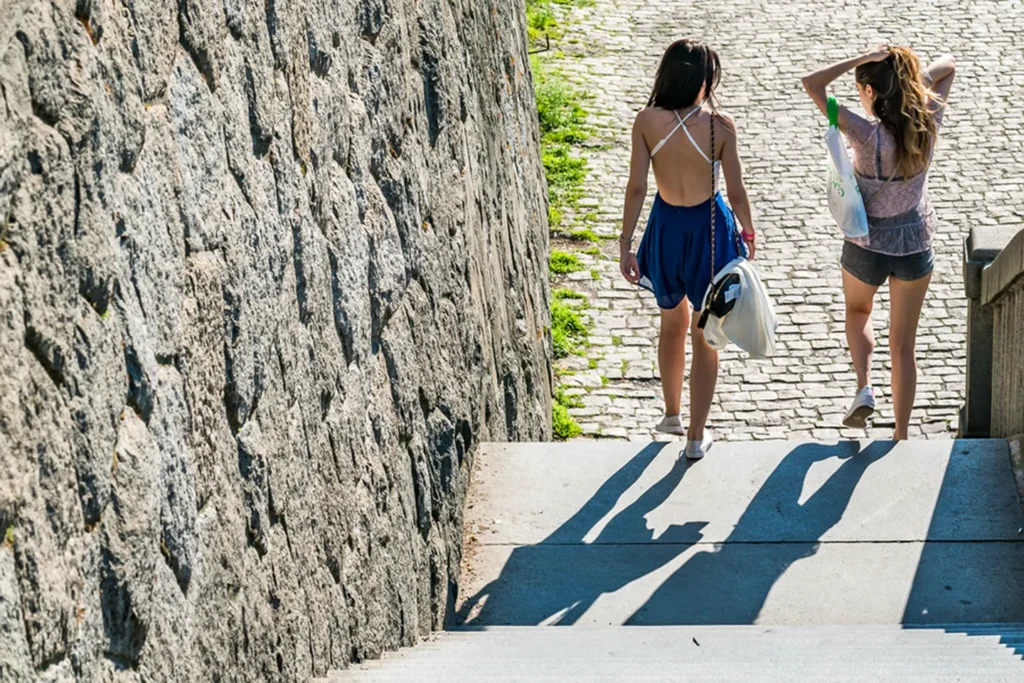
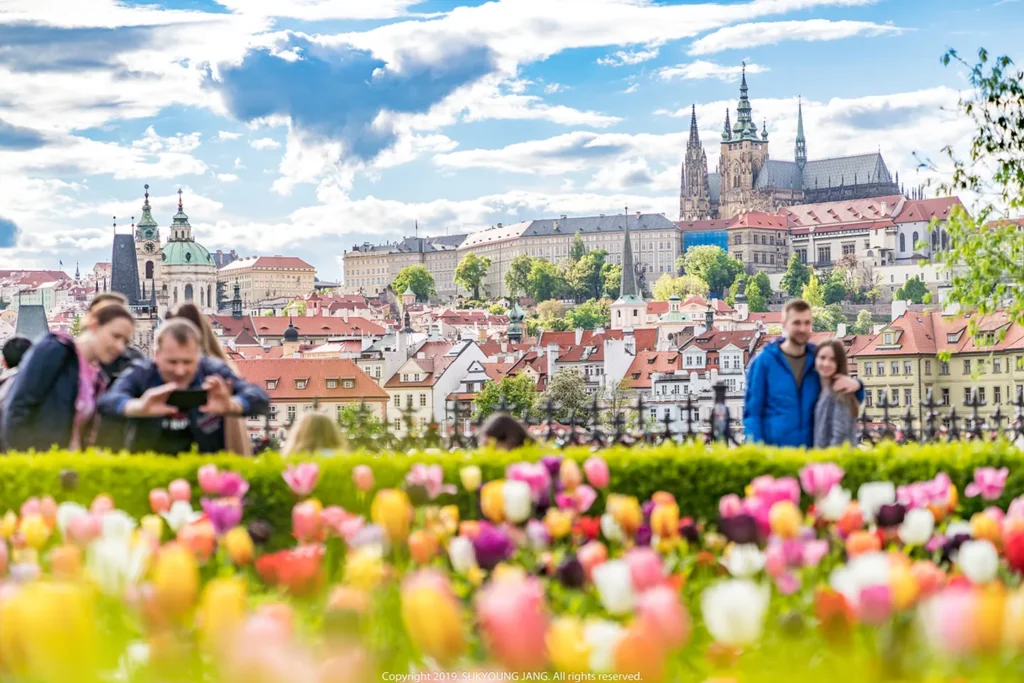
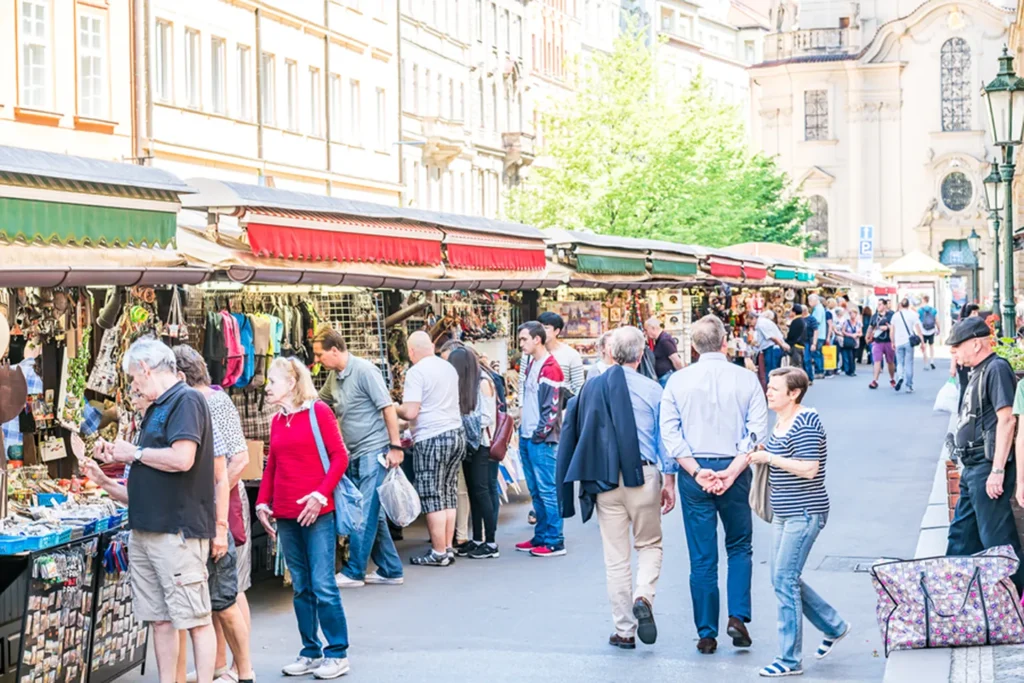

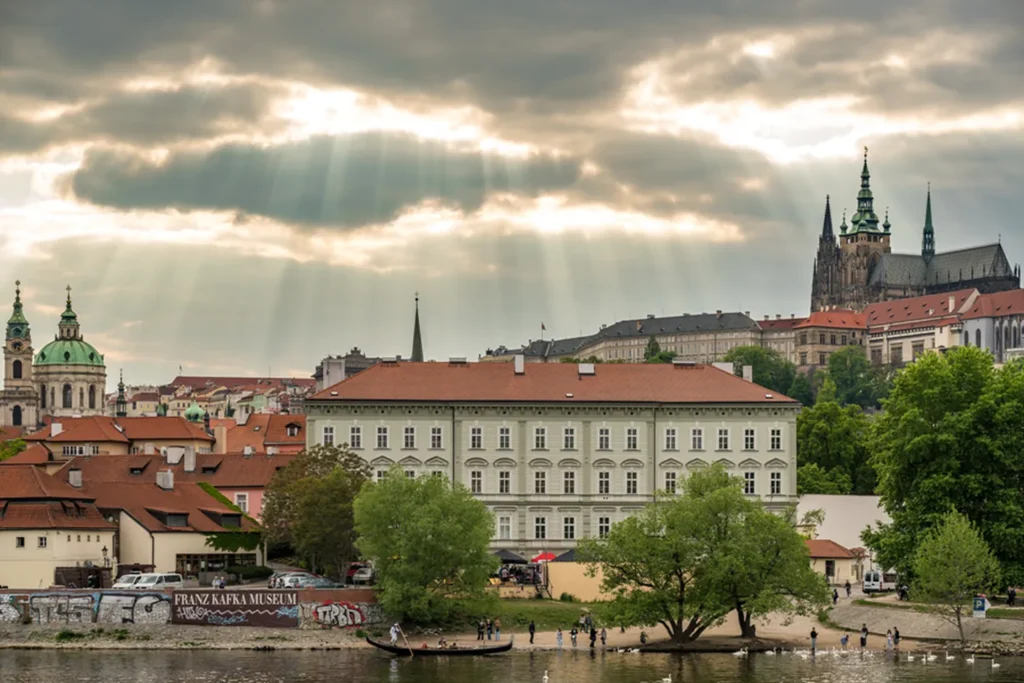
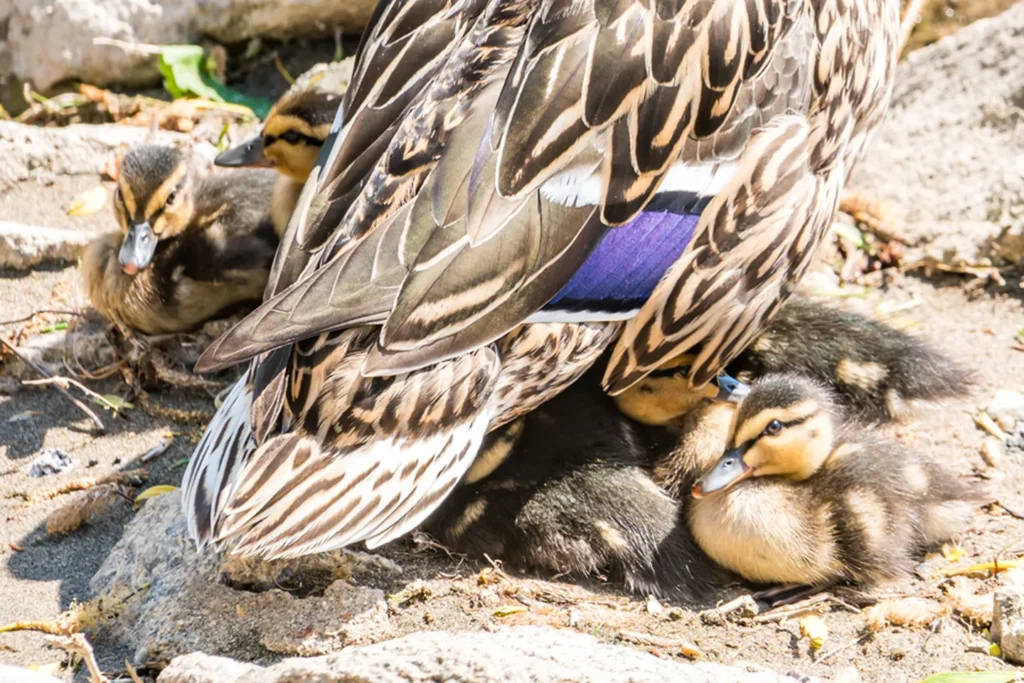
May is arguably the peak of Prague’s beauty.
It’s my top recommended time to visit. Nights still require a coat, but days are mild and soft; pretty flowers are everywhere, and sunlight through the blue sky and clouds makes you feel blessed on your trip.
Over the past 10 years the average high has been about 19.8°C and the average low about 9.2°C, which is ideal for travel. A 9.2°C low might sound chilly, but that’s usually during sleeping hours, and many days reach over 25°C at midday, so pack a light coat plus summer clothes.
May is great for traveling with young children — watching ducklings and cygnets can be a memorable activity. Park Cihelná is a good spot to see ducks and swans raising their young, and nearby Vojanovy sady even has peacocks. Kids love it, so if you visit Prague in May try to stop by. [Czech Prague weather: More on May]
Summer in Prague
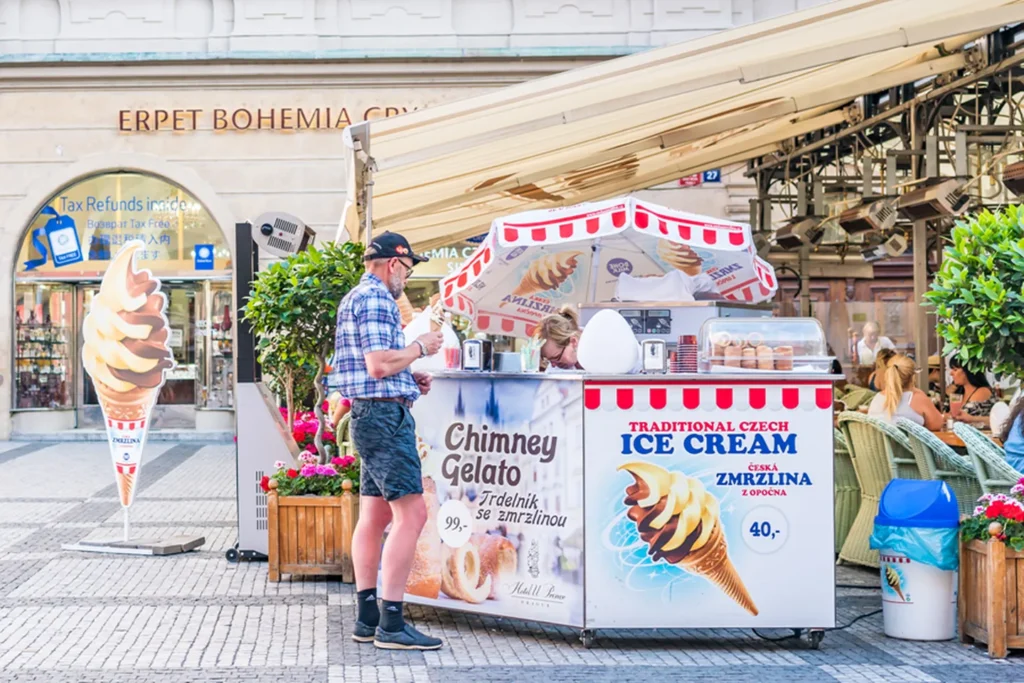
Summer in Prague covers June, July, and August.
Temperatures can rise to around 30°C, and in 2026 heatwaves reached 38–40°C on two days in July and three days in August. On heatwave days, indoor activities like museum or café tours are a good option, or you can cool off at the Petynka Swimming Pool.
Prague summers are a bit unusual: you shouldn’t pack only summer clothes. June especially has large day–night temperature swings. It can reach 30°C by day, then drop below 18°C at night. In my couple photo shoots I’ve seen brides wear backless dresses for daytime shoots but then have to cancel evening shoots because they were too cold. In July and August the diurnal range decreases somewhat, but those who feel the cold easily will still need a coat.
June weather in Prague
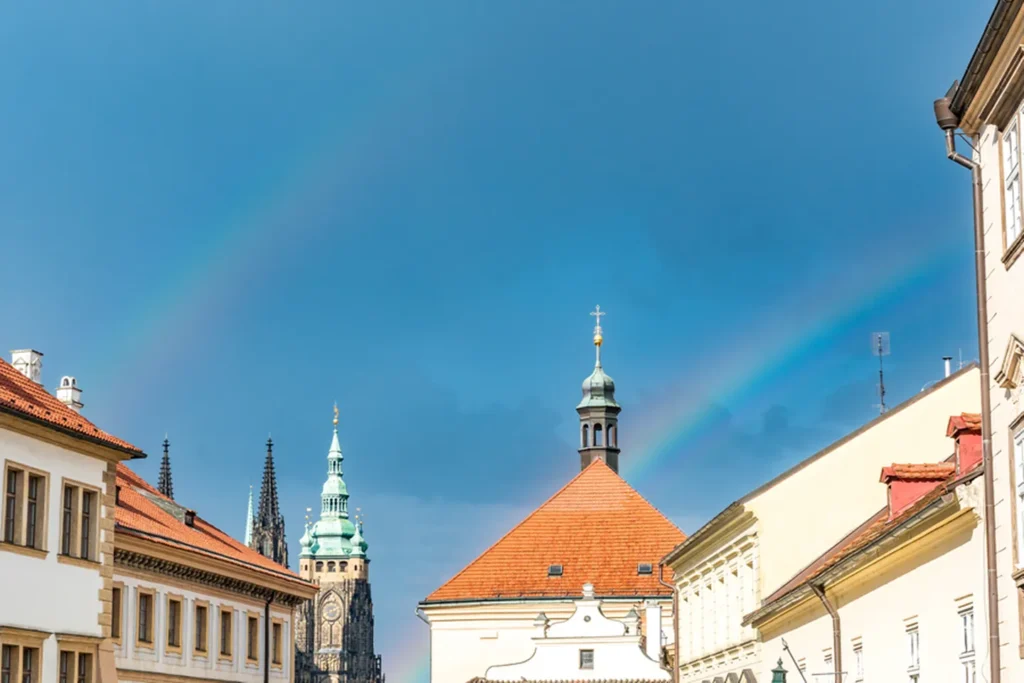
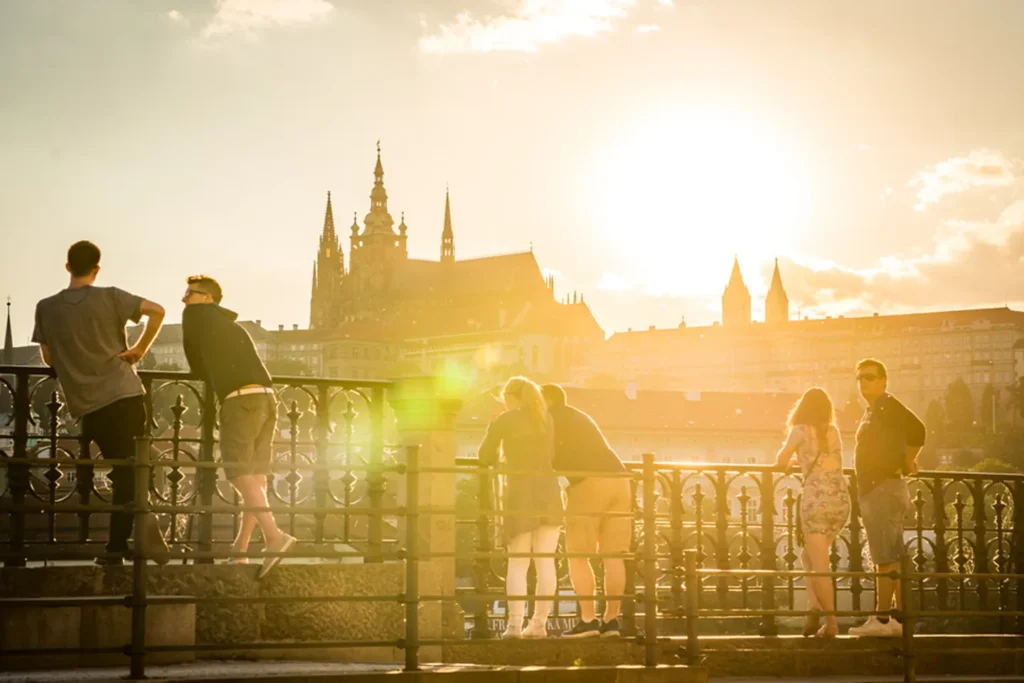
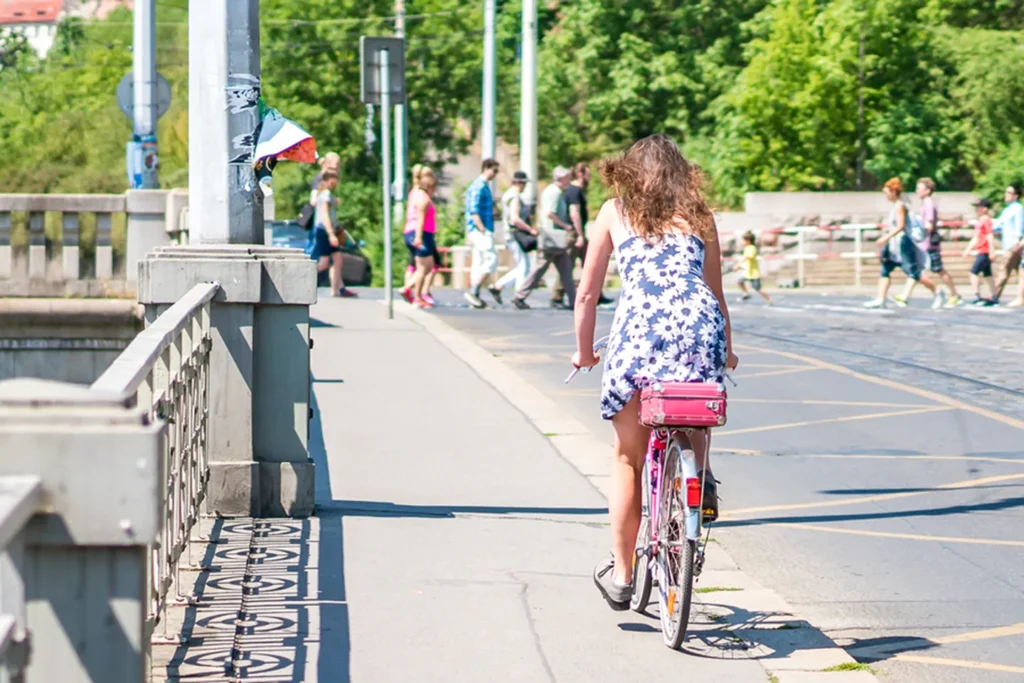
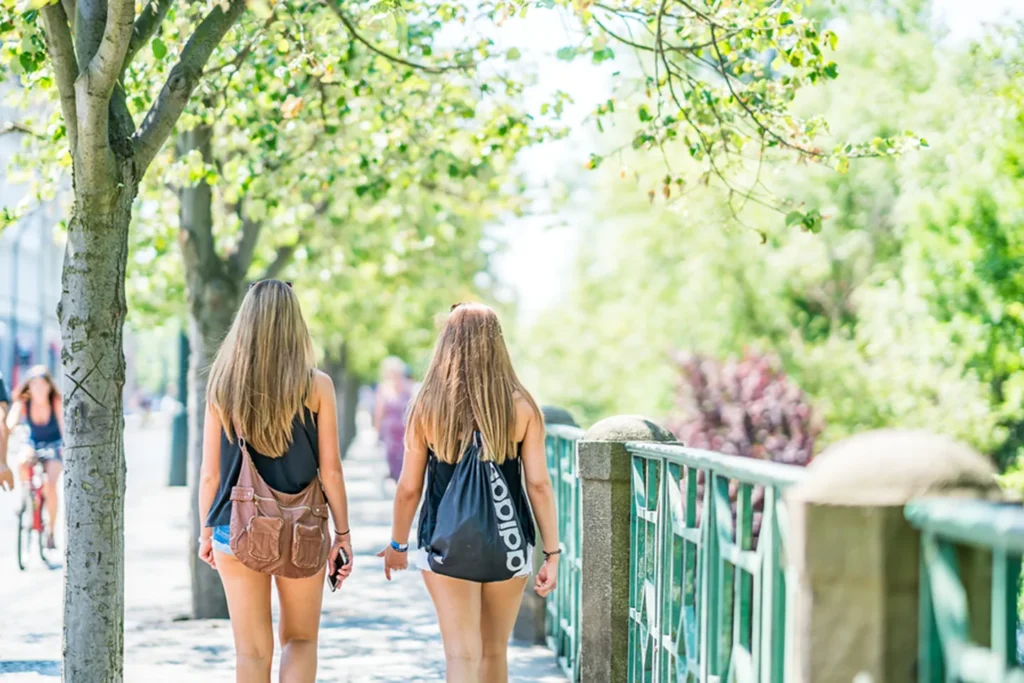
June marks the start of full summer.
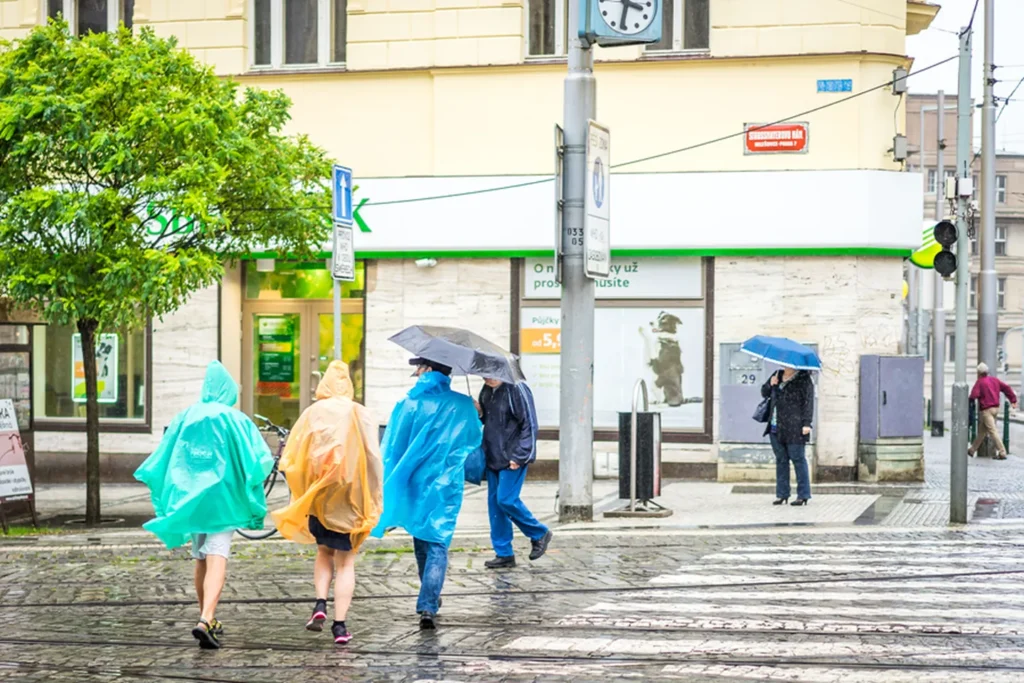
Spring flowers are gone, leaves are green and vigorous. Also, short, heavy showers are fairly common, but they often pass quickly, so don’t give up outdoor plans just because it’s raining — wait a bit.
From my outdoor shoots I noticed the chance of seeing a rainbow after a June shower in Prague is very high. After rain the air clears and the city appears crisper and more beautiful.
Over the past 10 years the average high has been about 25.4°C and the average low about 14.5°C, so expect large day–night swings. Wear short sleeves or shorts at midday, but bring a light jacket for after sundown.
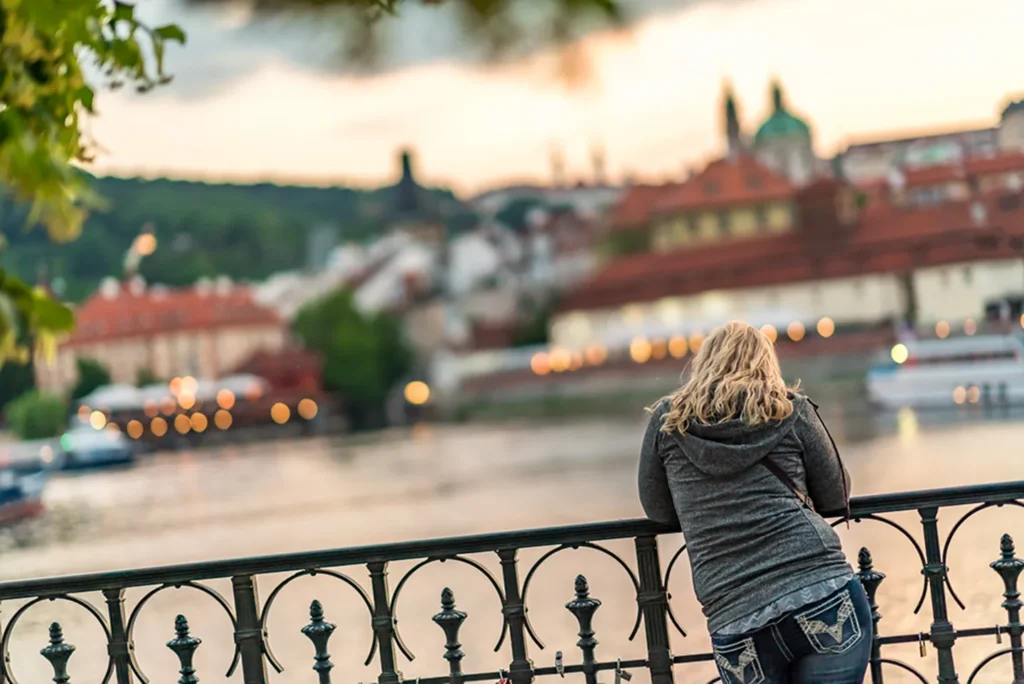
If rain doesn’t just fall briefly but lasts 3–4 hours, you should put on a coat — prolonged rain lowers the temperature considerably. In the photo above the woman with a coat is after about four hours of rain.
So for June bring a windbreaker, cardigan, or hoodie — at least one long-sleeved outer layer is essential. [Czech Prague weather: More on June]
July weather in Prague
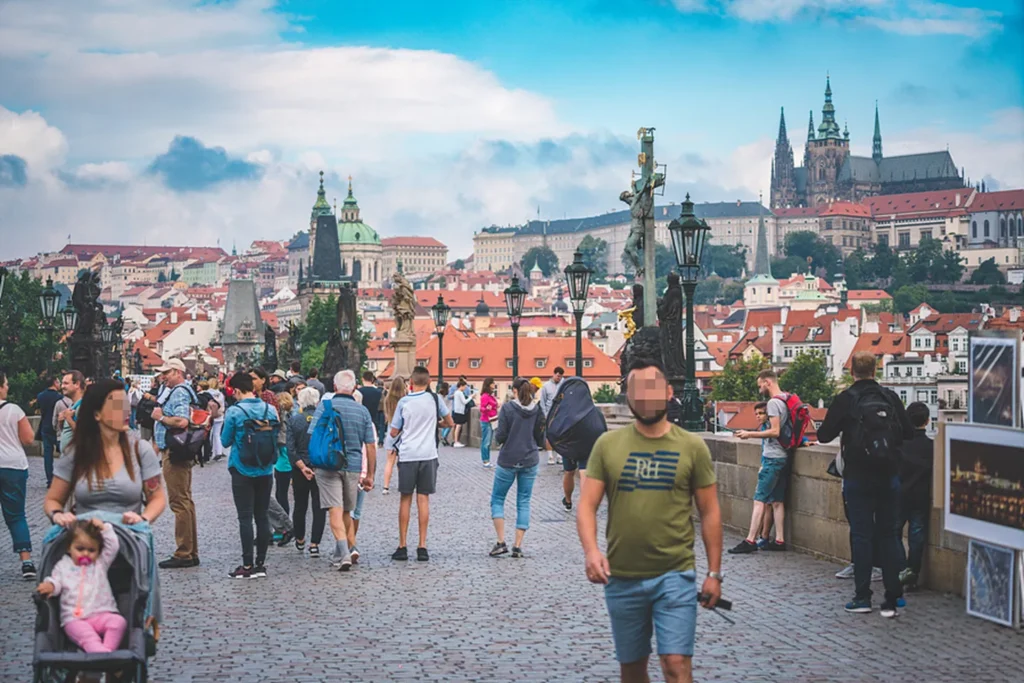
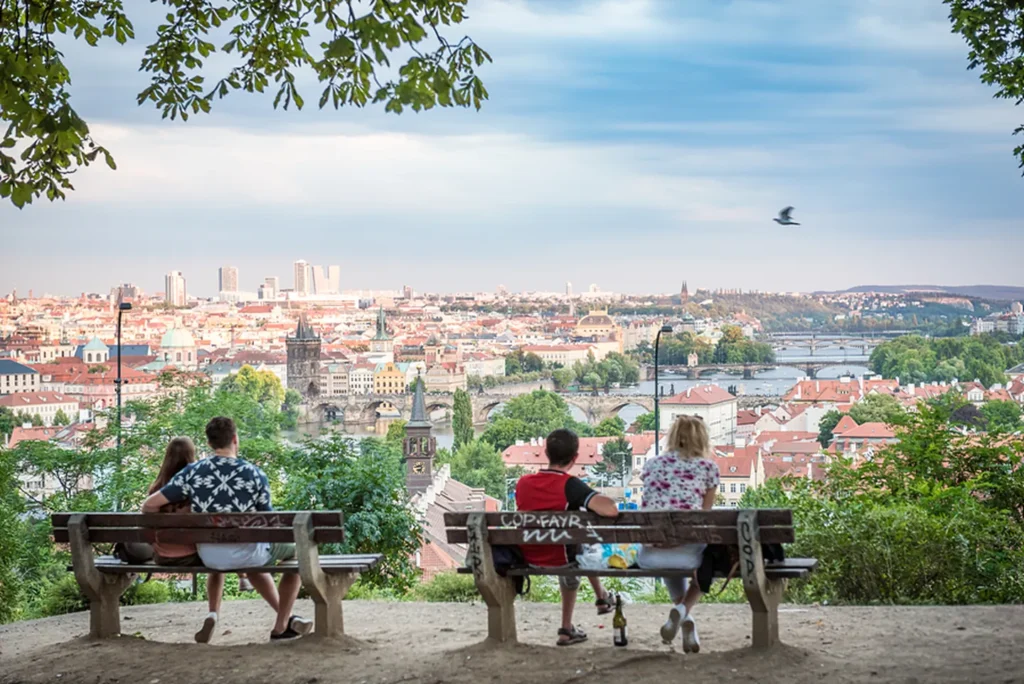
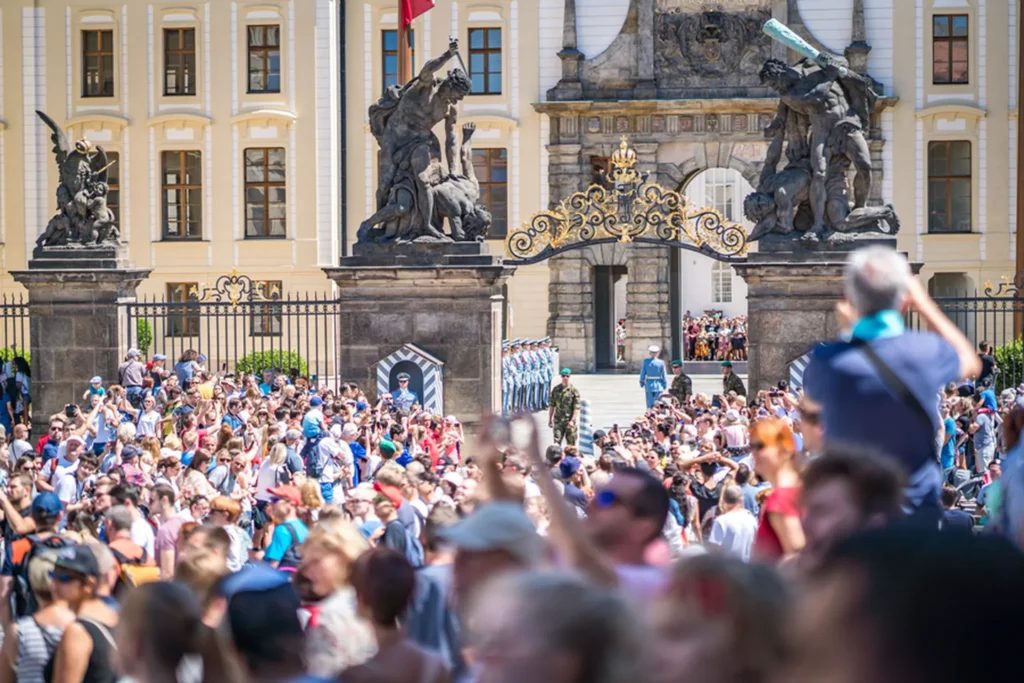
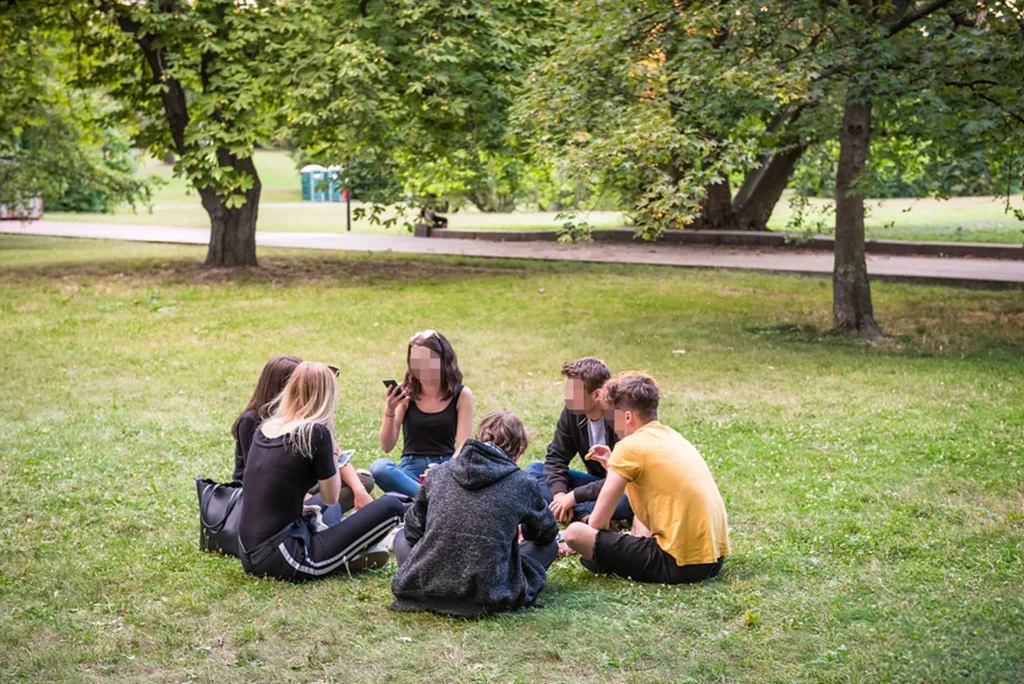
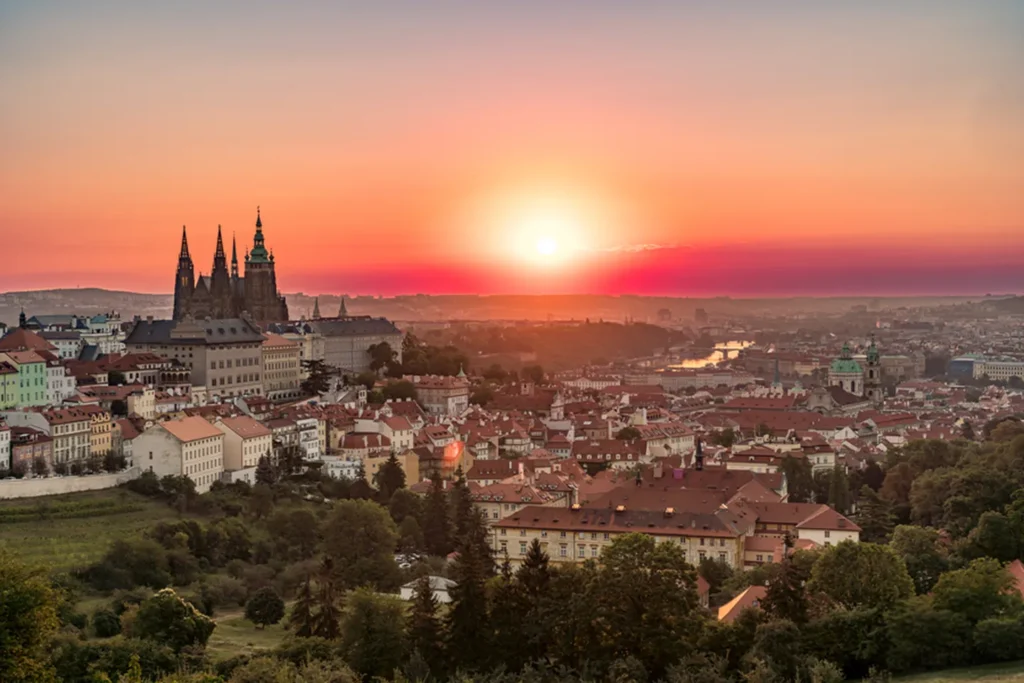
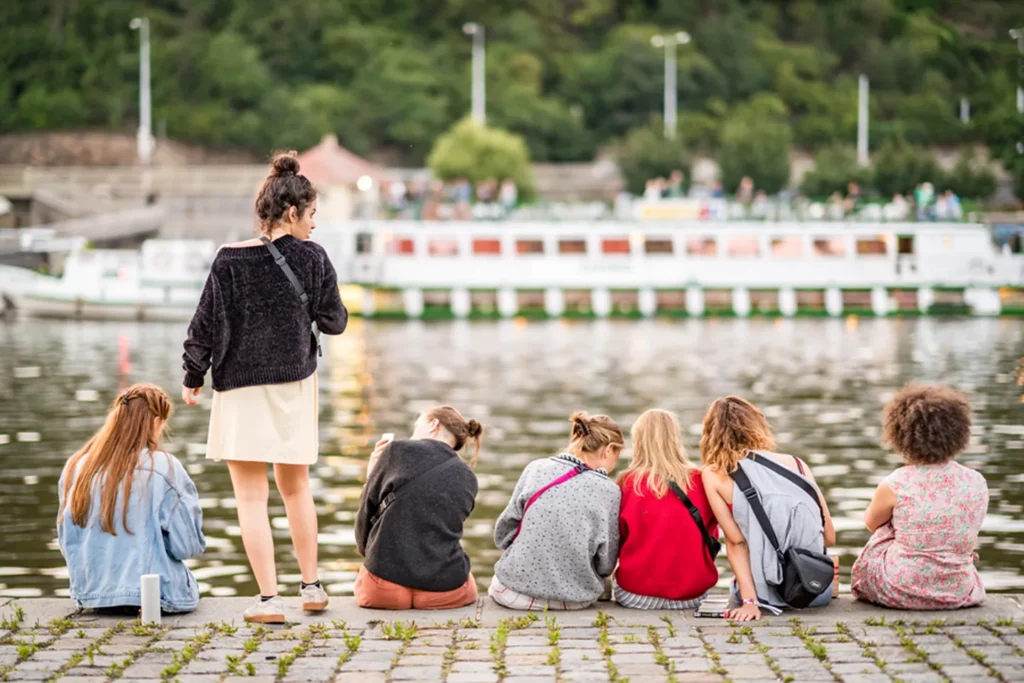
July is the hottest month of the year in Prague.
It’s also the season for heatwaves, especially from mid to late July. The 2026 heatwave occurred at the end of July, and in my daily weather notes from a decade of outdoor shoots I often recorded “hot” for late July. [NAVER Blog]
Over the past 10 years the average high has been about 26.1°C and the average low about 15.6°C. Compared with June the diurnal range is smaller, but if it doesn’t rain daytime temperatures are almost always hot.
Like June, if it rains for 3–4 hours the temperature drops a lot. If you plan late-night club tours or pre-dawn sunrises, of course bring a coat, cardigan, or windbreaker. The women in the lower-right of the photo are sitting by the Vltava after a few hours of rain. [Czech Prague weather: More on July]
August weather in Prague
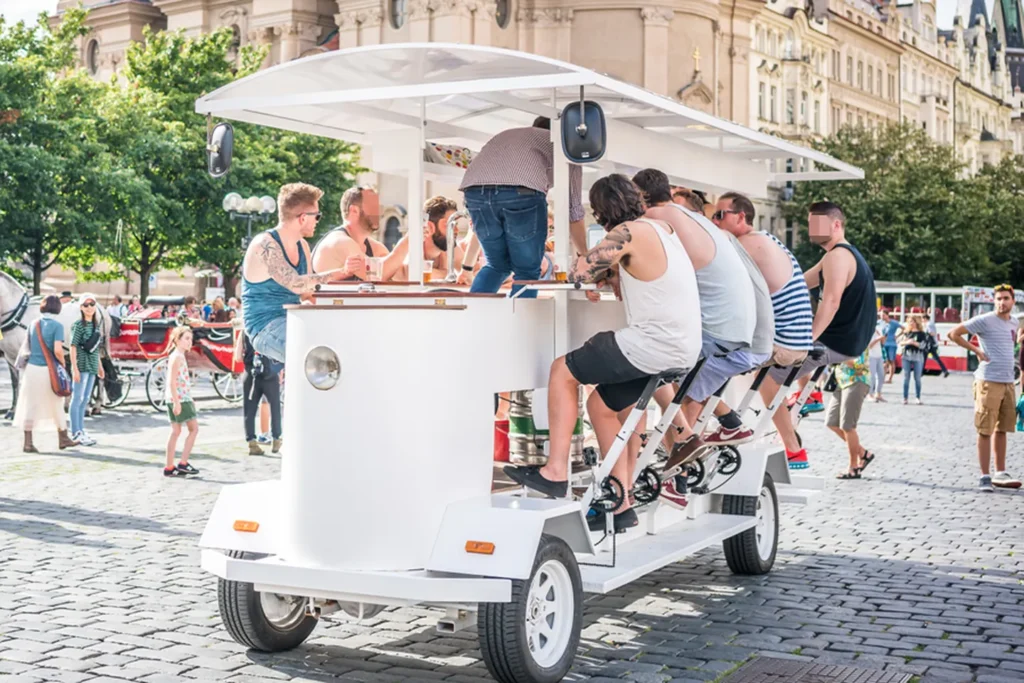
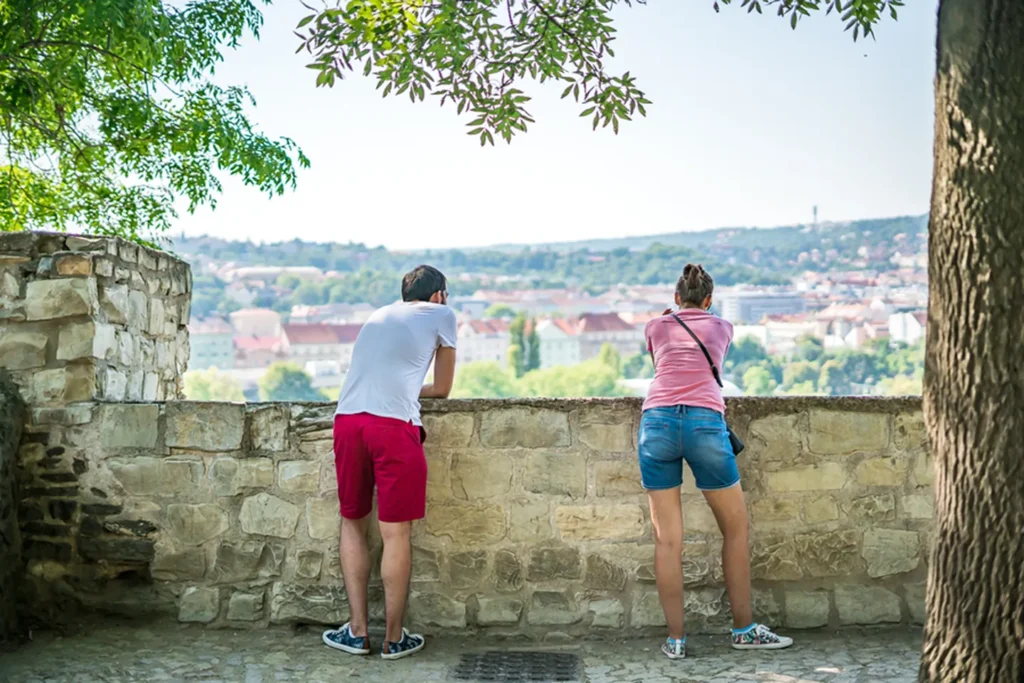
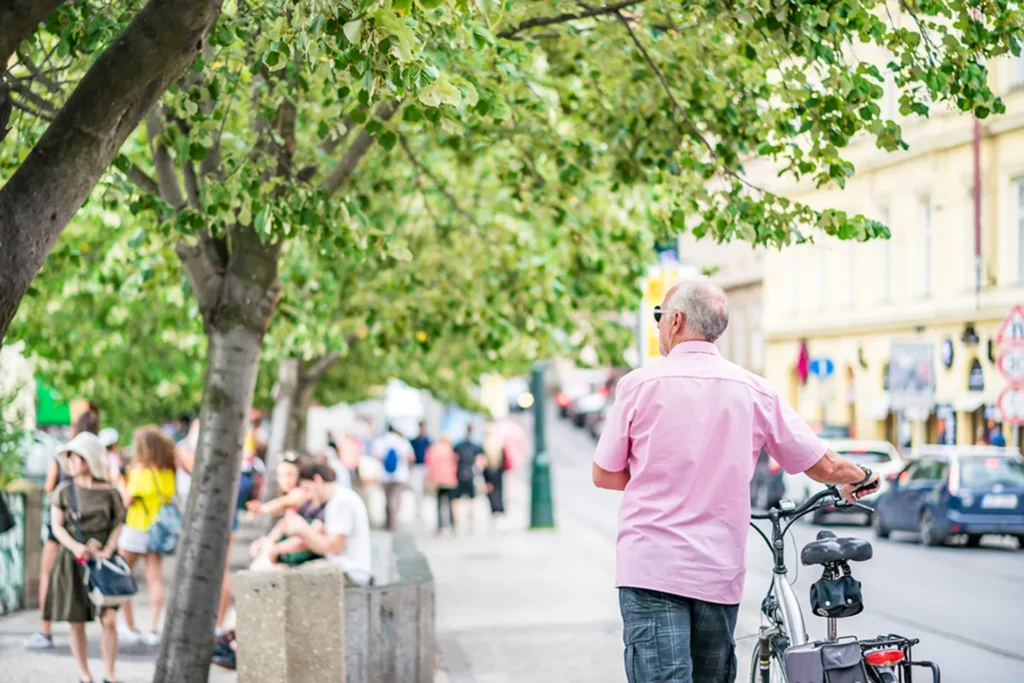
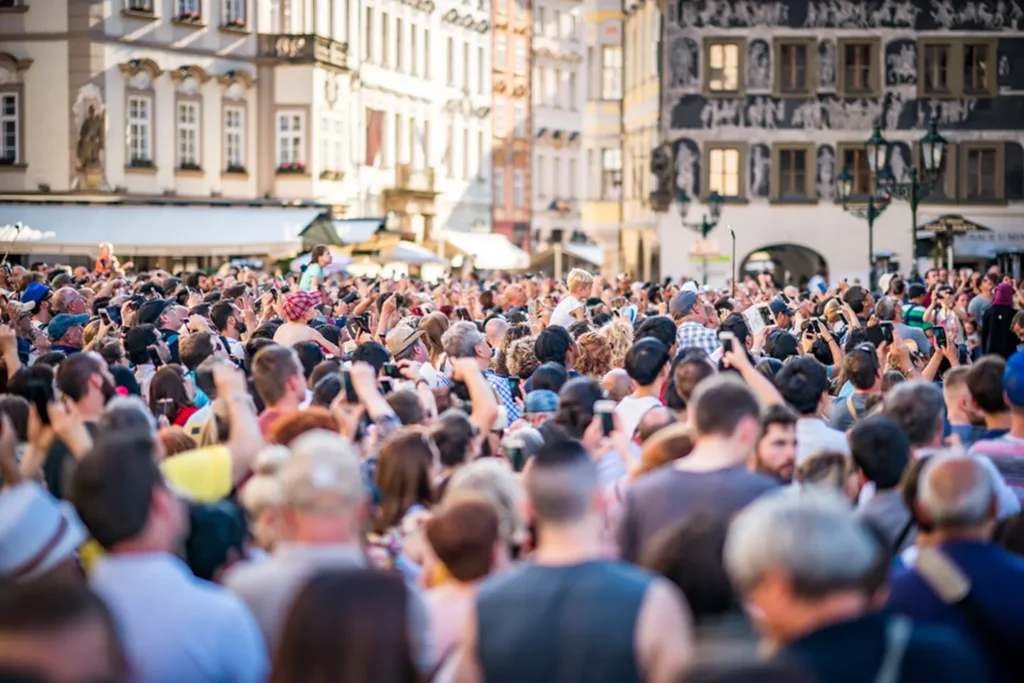
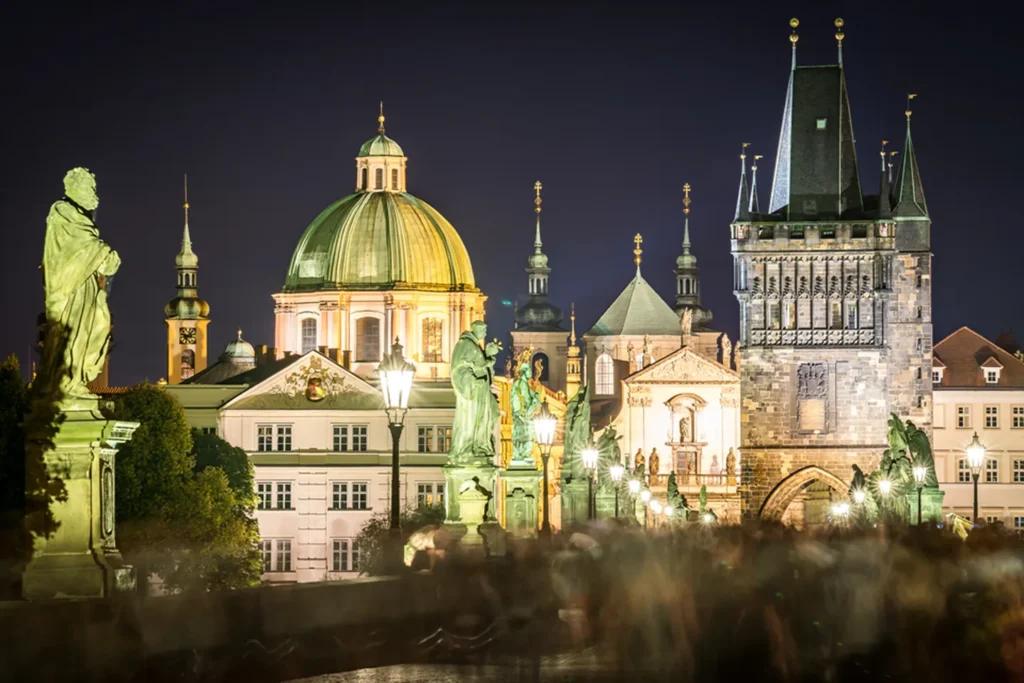
August remains warm but the heat gradually eases.
Early August 2026 had consecutive heatwave days, but by mid to late August daytime highs typically fall into the upper 20s °C and become more comfortable. Sudden very hot days can still appear, so continue to pack summer clothes and a light coat.
Over the past 10 years the average high has been about 25.7°C and the average low about 15.3°C, making August the second hottest month of the year in Prague.
Unlike July, August can occasionally be hit by a cold front from the west, causing thunder, violent gusts, and heavy showers for a day or two. Usually those intense storms mark the start of the gradual move into autumn. On such days dark clouds make you feel like it’s better to stay indoors — I recommend urban or indoor activities rather than wooded areas. [Czech Prague weather: More on August]
Autumn in Prague
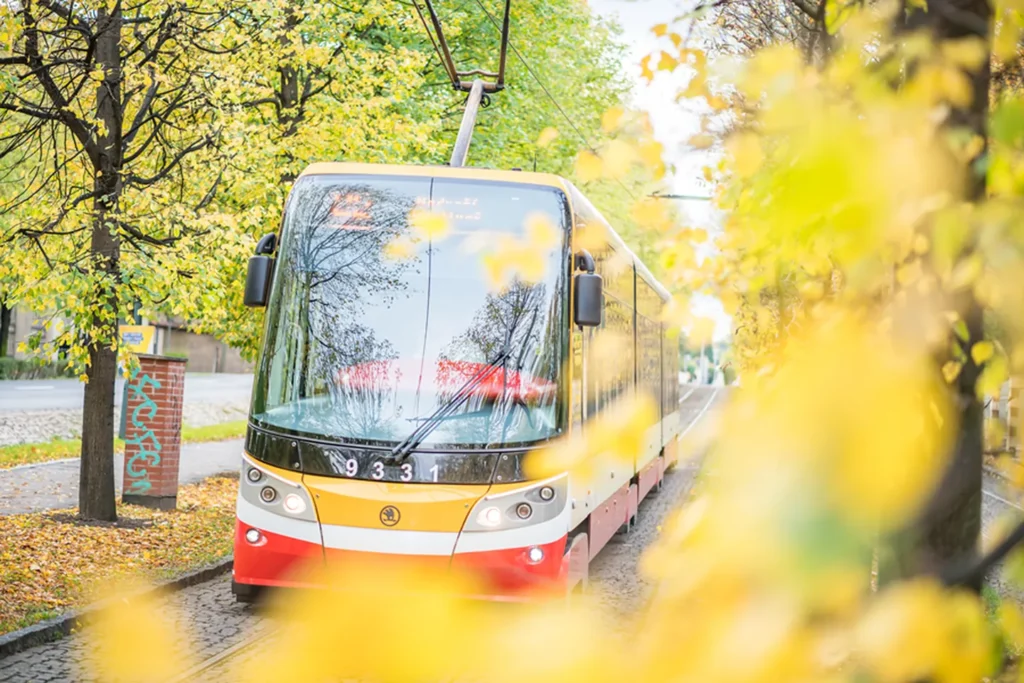
Autumn in Prague covers September, October, and November.
September is a mix of summer and autumn, and from October the leaves around Prague turn red and yellow. From mid-September you’ll start needing warmer outerwear. To enjoy Prague’s colorful scenery, aim to visit by late October at the latest; by early November most leaves have fallen and it becomes a less ideal time. Also, Prague Castle gardens close from the last day of October until the end of March, as mentioned in the April section.
Autumn requires a coat, but temperatures are more stable than in summer, making it a good season to travel with babies or older adults.
September weather in Prague
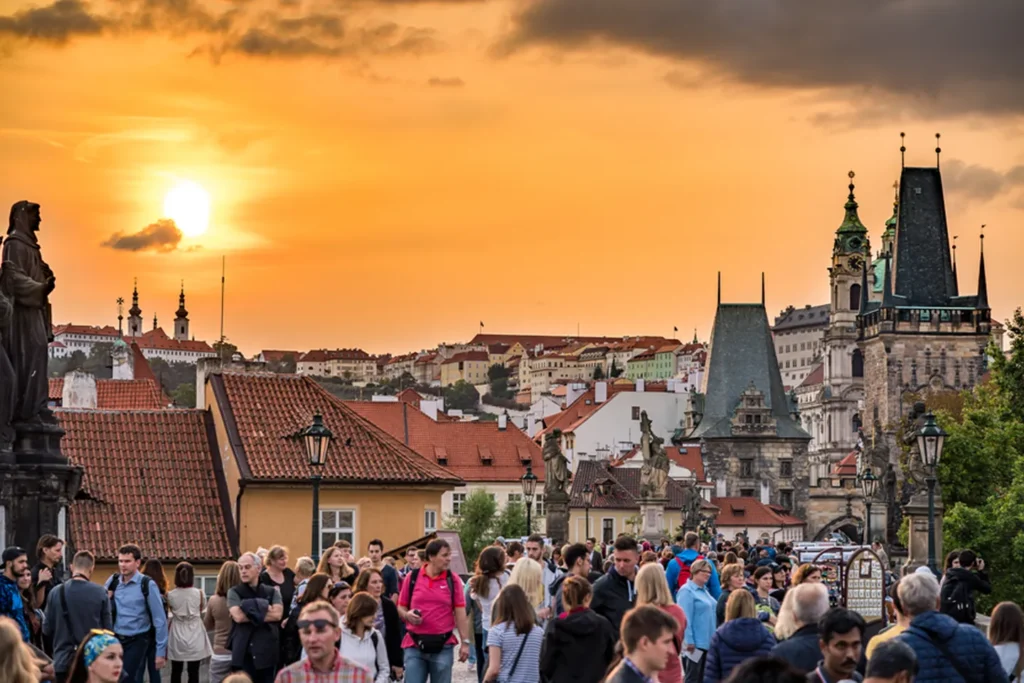
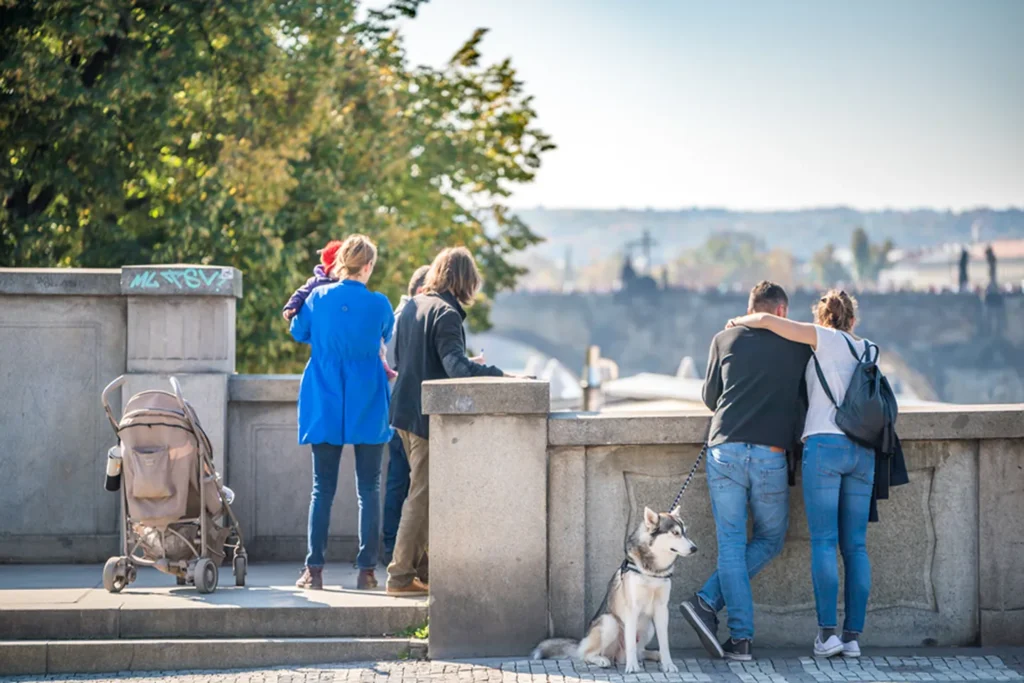
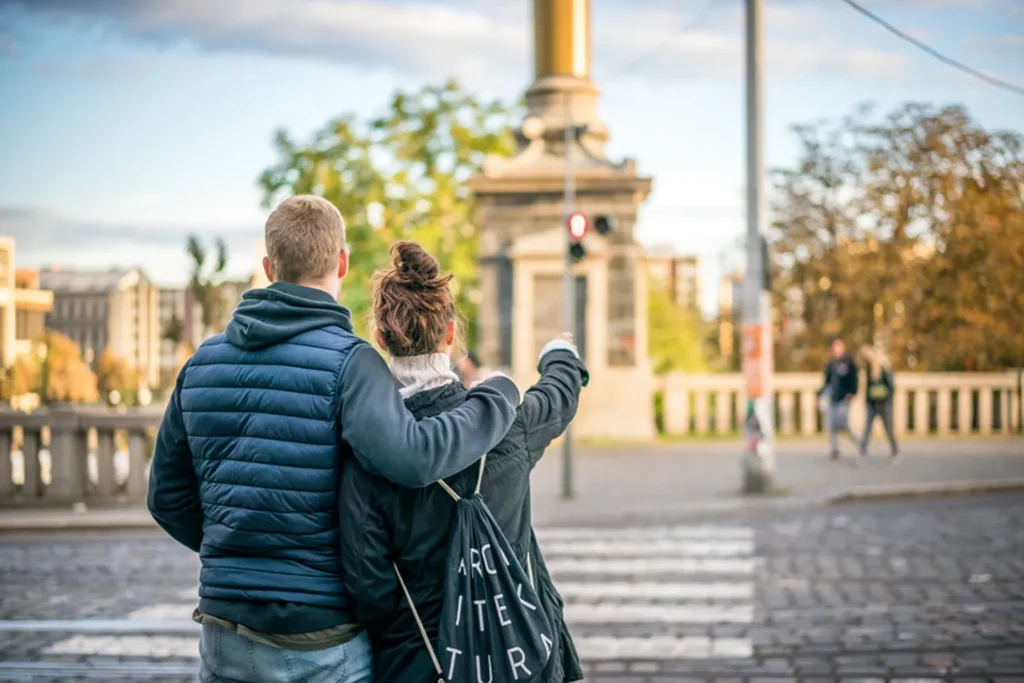
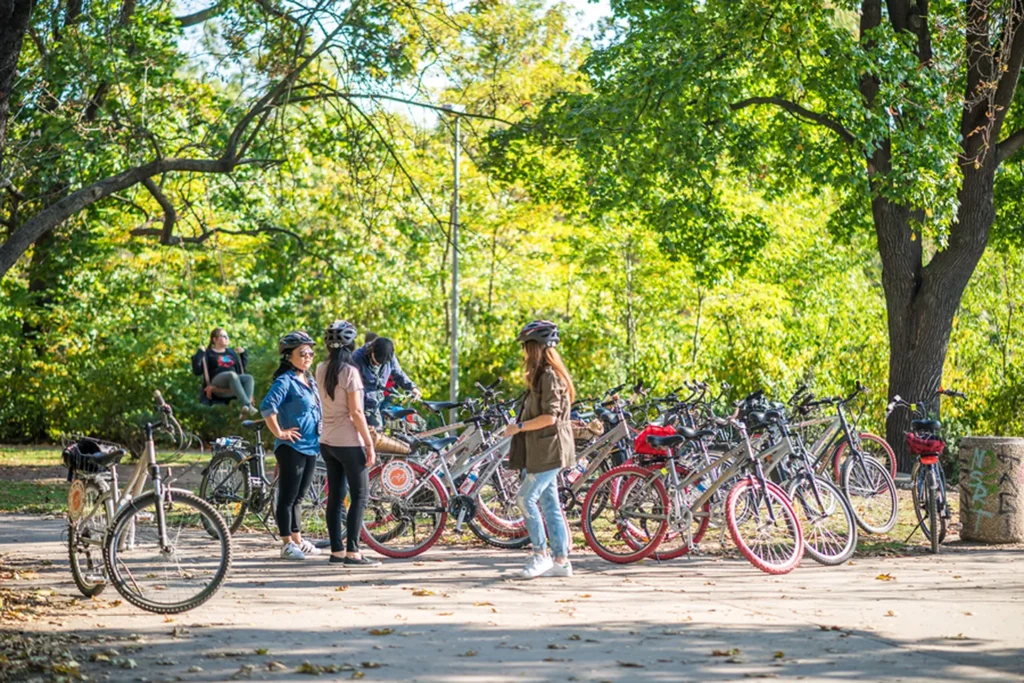
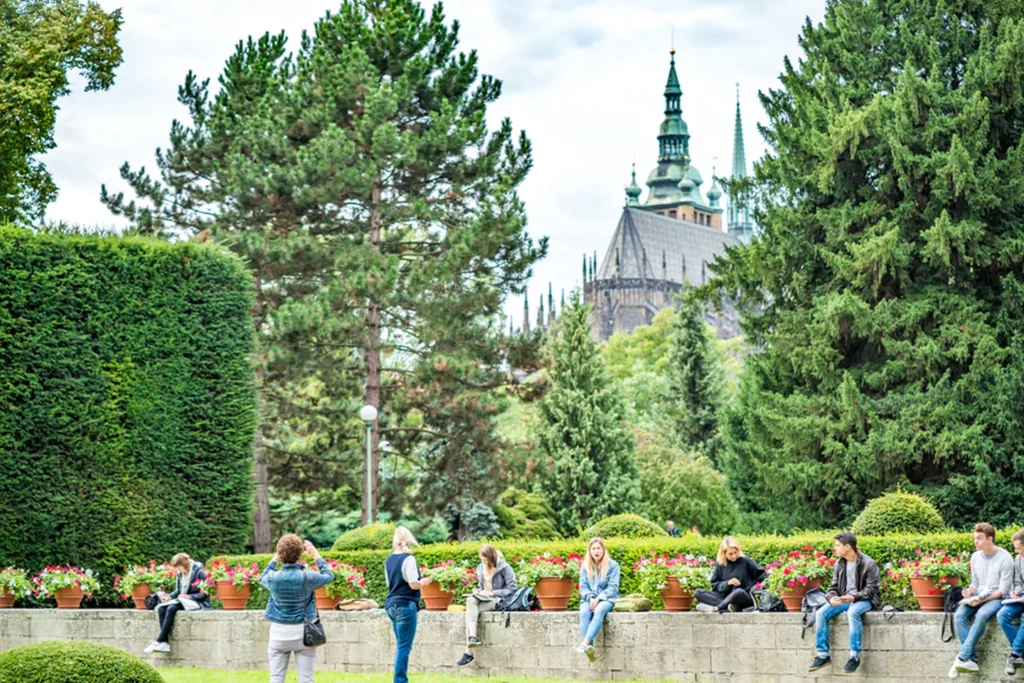
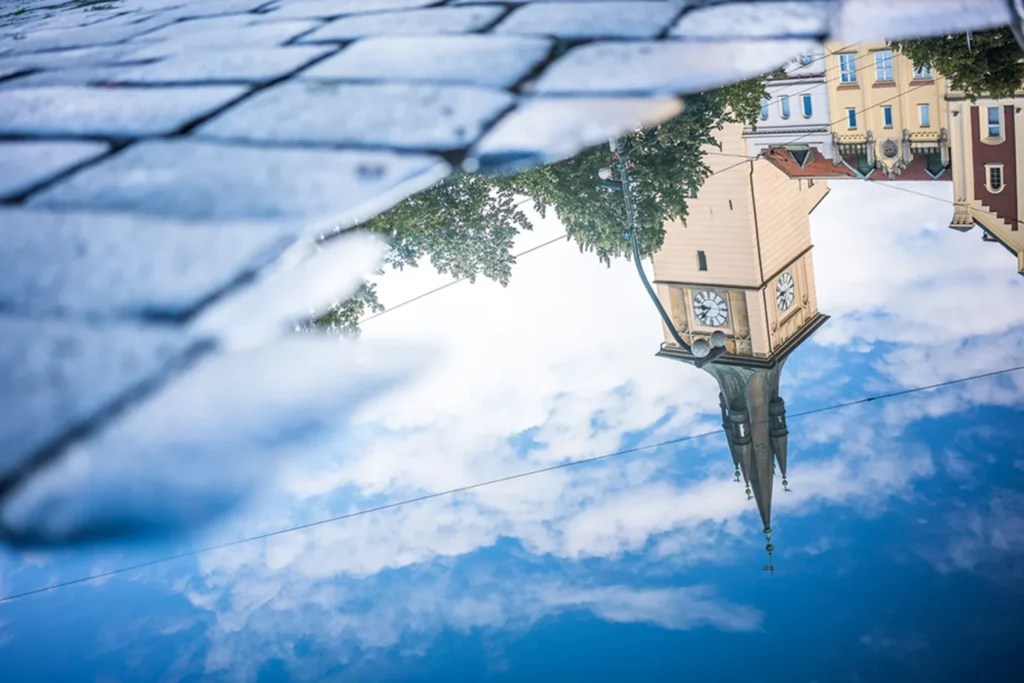
September combines summer and autumn.
Some days you can travel in shorts and short sleeves, while other days you’ll need a warm light down jacket. The trick is to wear summer clothes at midday and carry a light coat to put on when it cools.
Over the past 10 years the average high has been about 21.1°C and the average low about 11.4°C, slightly warmer than May.
Starting in September, a key feature is that after 3–4 hours of rain the temperature drops more sharply than in summer, so watch out for colds after rain. From September onward pack a few lightweight long-sleeved layers. [Czech Prague weather: More on September]
October weather in Prague
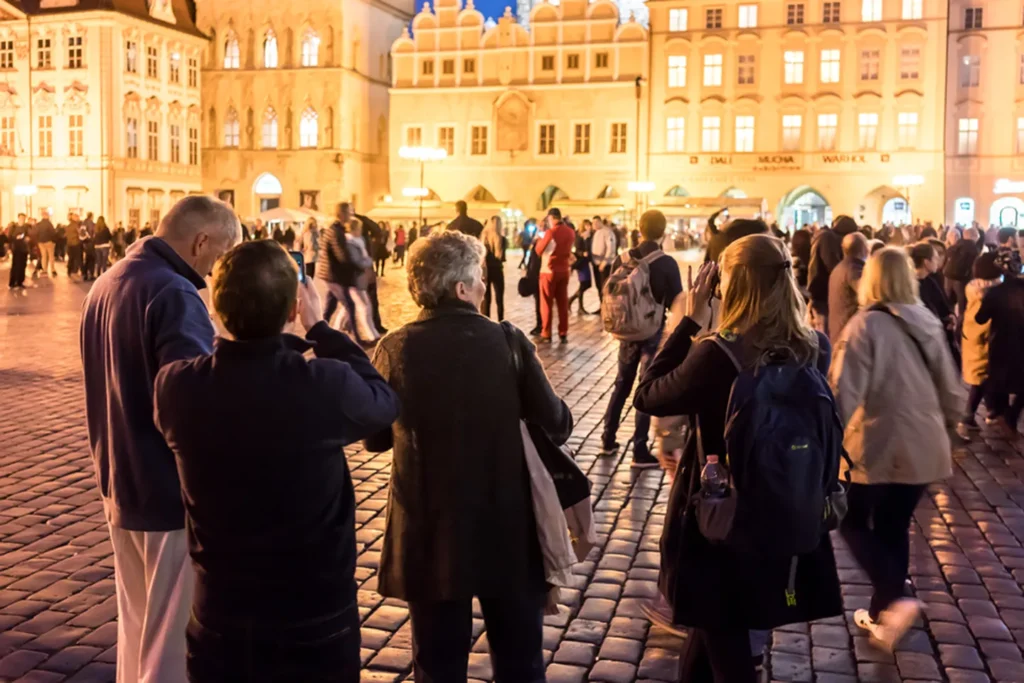
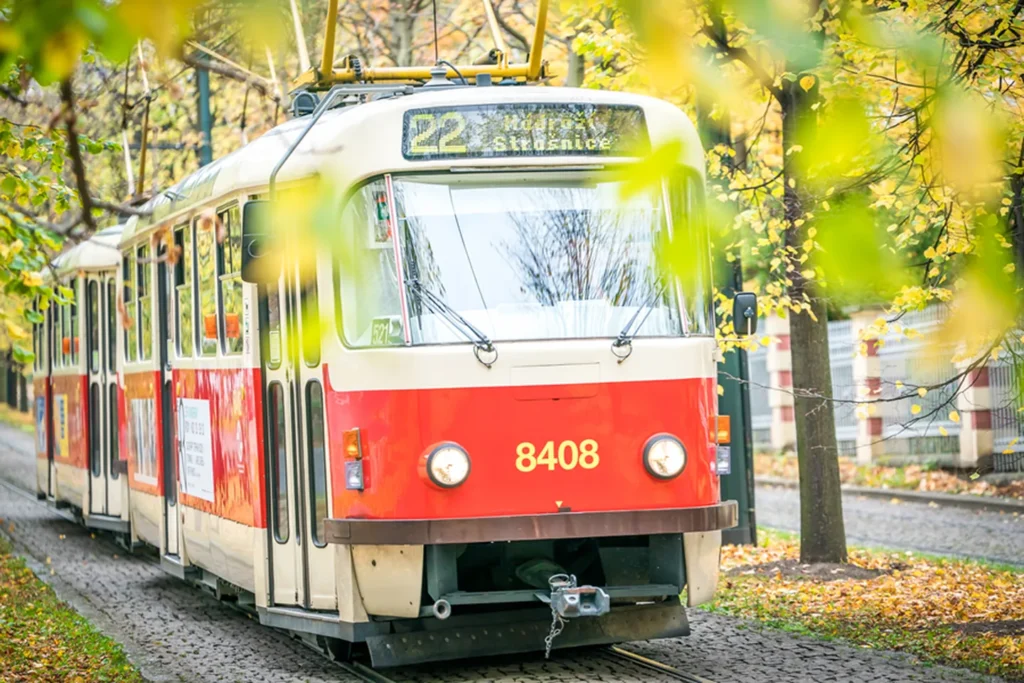
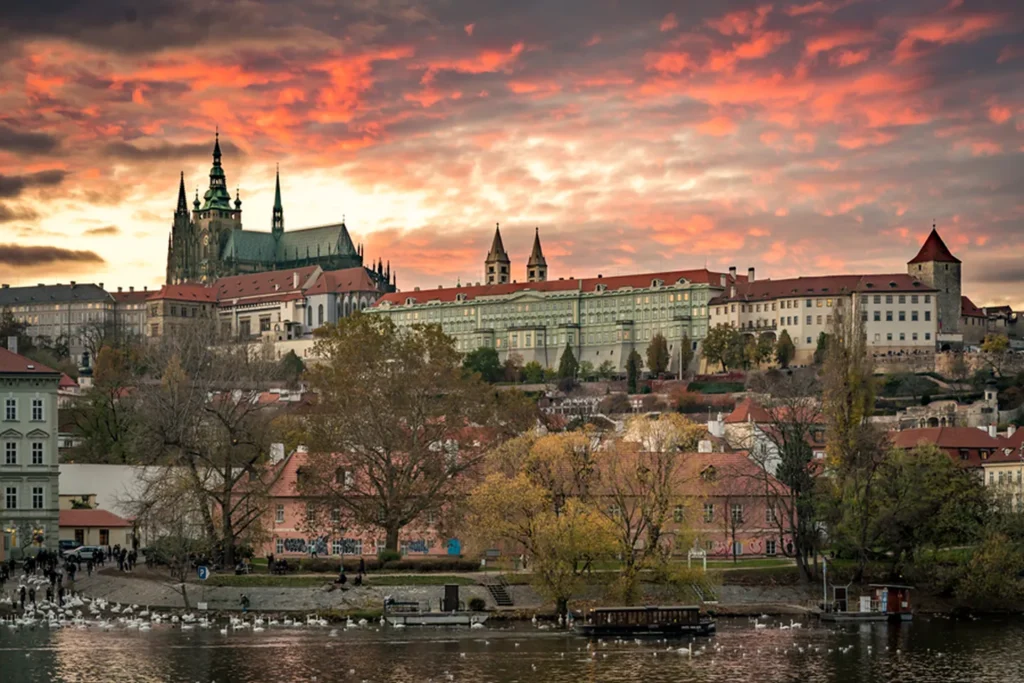
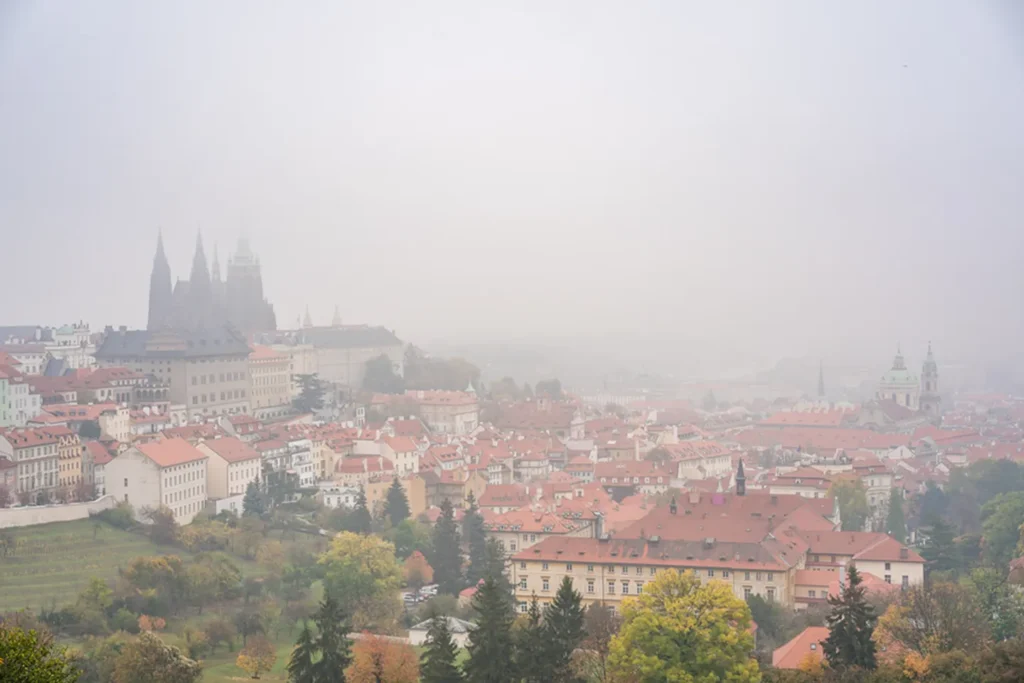
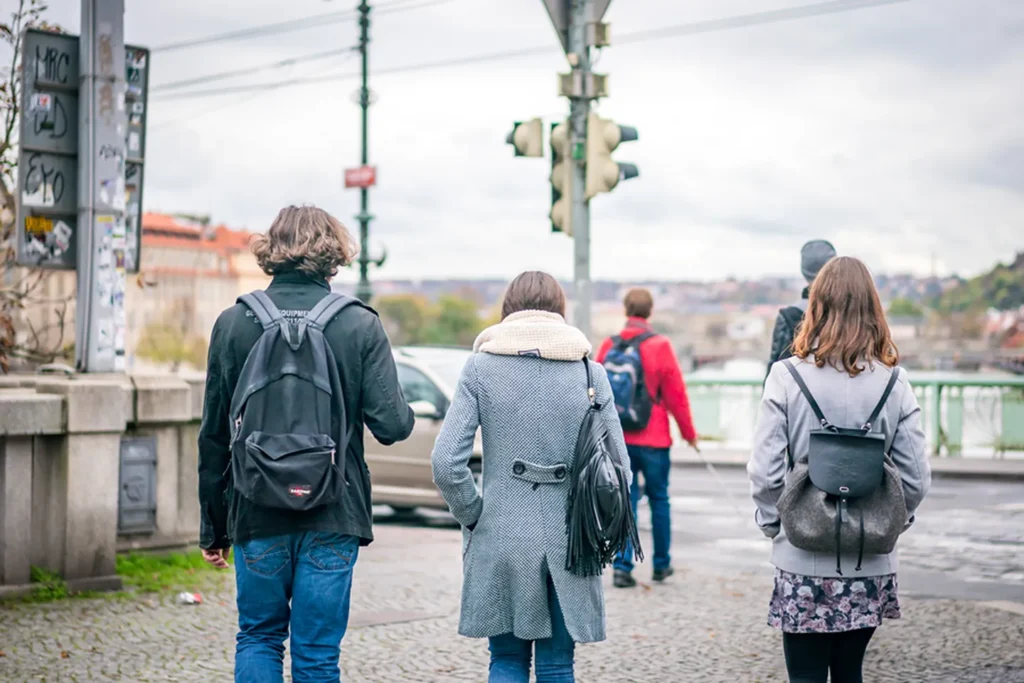
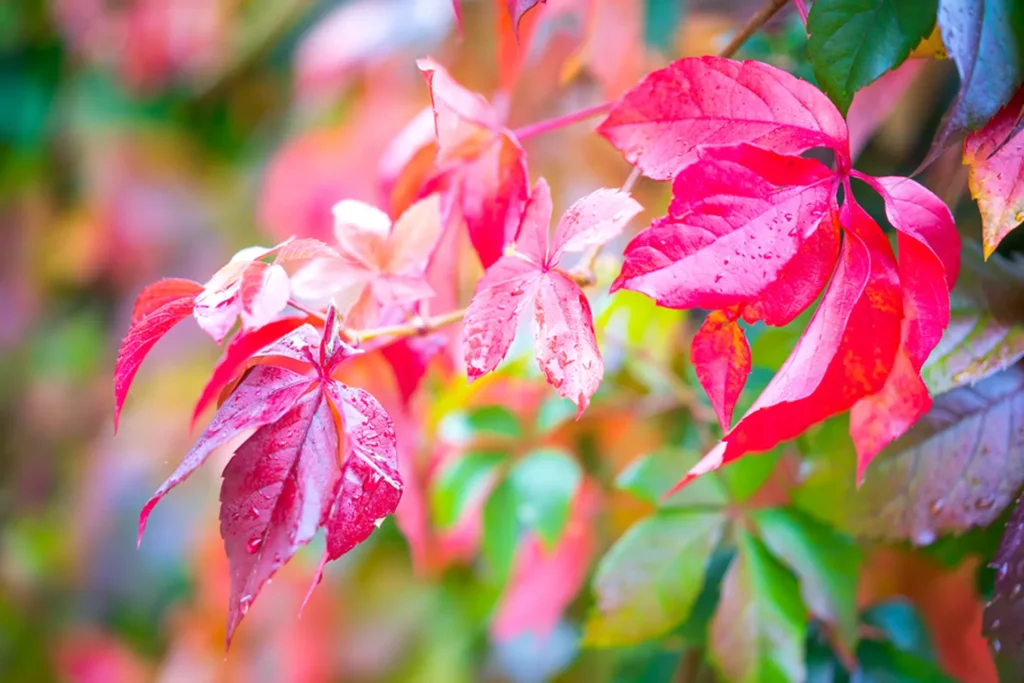
October is, along with May, one of the best months to travel.
Temperatures are stable, you can enjoy beautiful sunrises and sunsets, and the city’s trees turn yellow and red offering varied atmospheres. Many gardens in Prague are open only until October, so this is your last best chance to enjoy them in full.
Over the past 10 years the average high has been about 15.3°C and the average low about 7.2°C, making it the second most pleasant month after May.
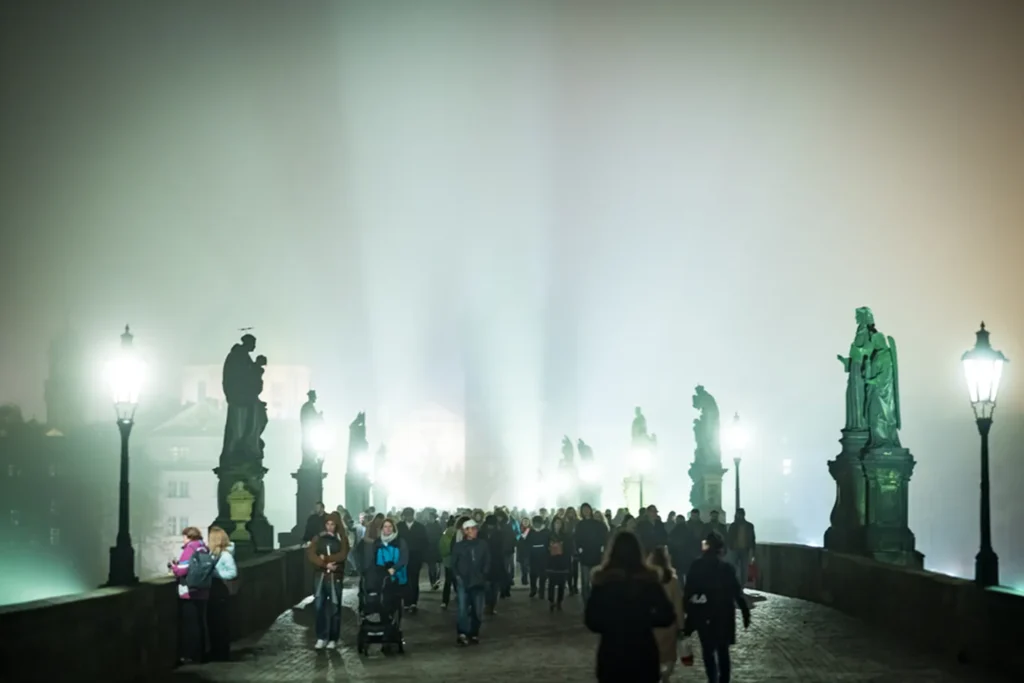
A notable feature of October is the frequent occurrence of fog. When fog appears it can ruin distant views of Prague Castle or the view from Strahov Monastery, which is disappointing. Still, fog usually forms early in the morning and clears by late morning, or forms 2–3 hours before sunset and disappears 1–2 hours after dusk. For clothing, a wool coat or light down jacket is appropriate, and if you get cold easily bring a scarf. [Czech Prague weather: More on October]
November weather in Prague

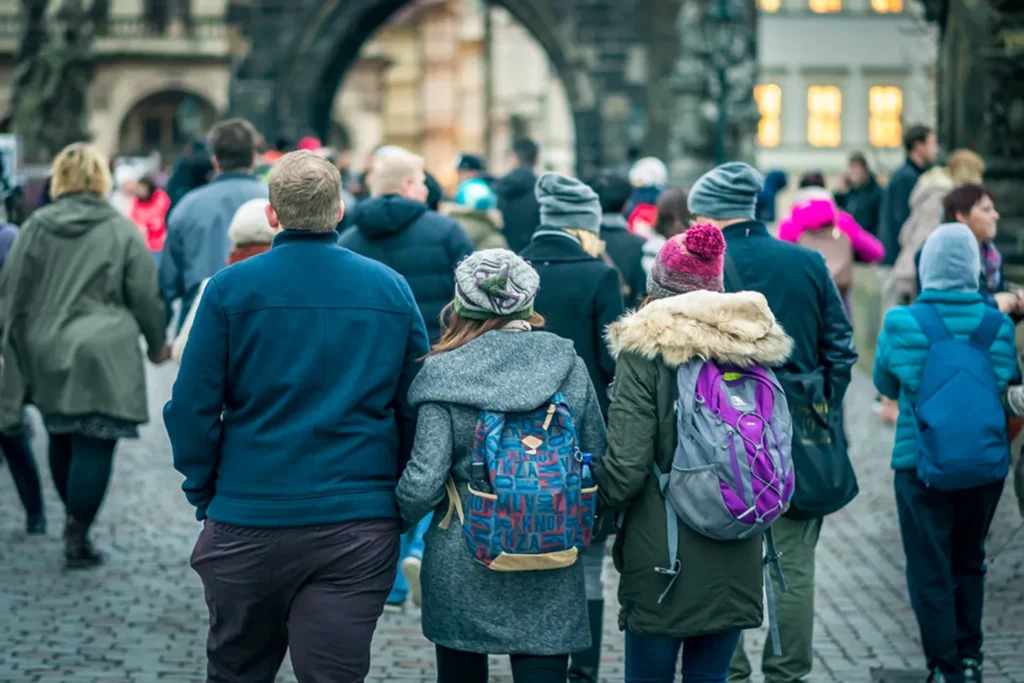
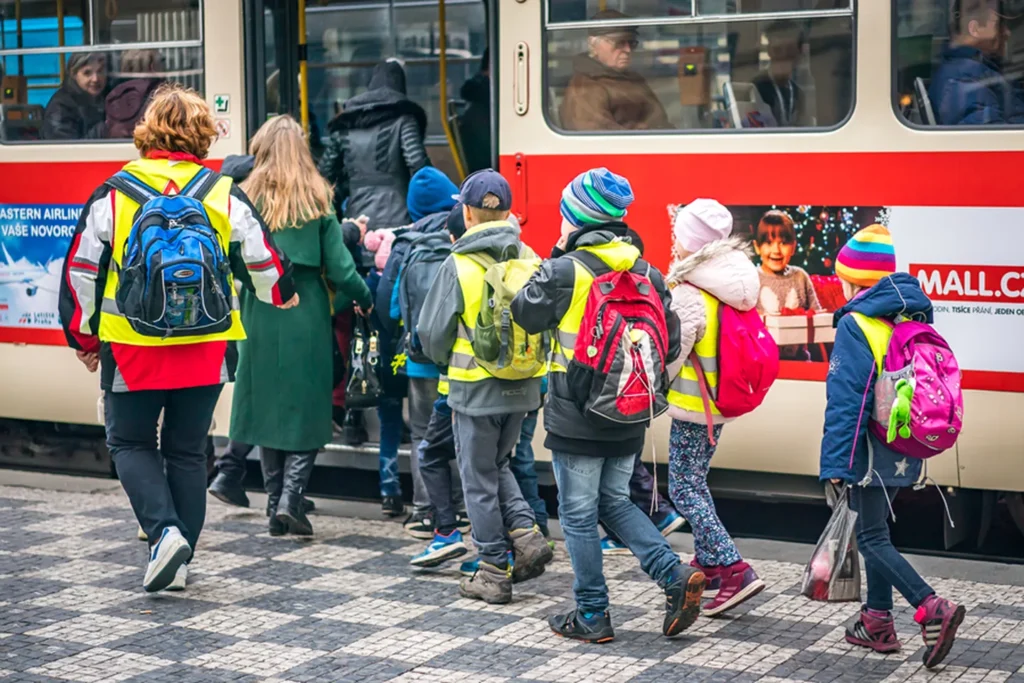
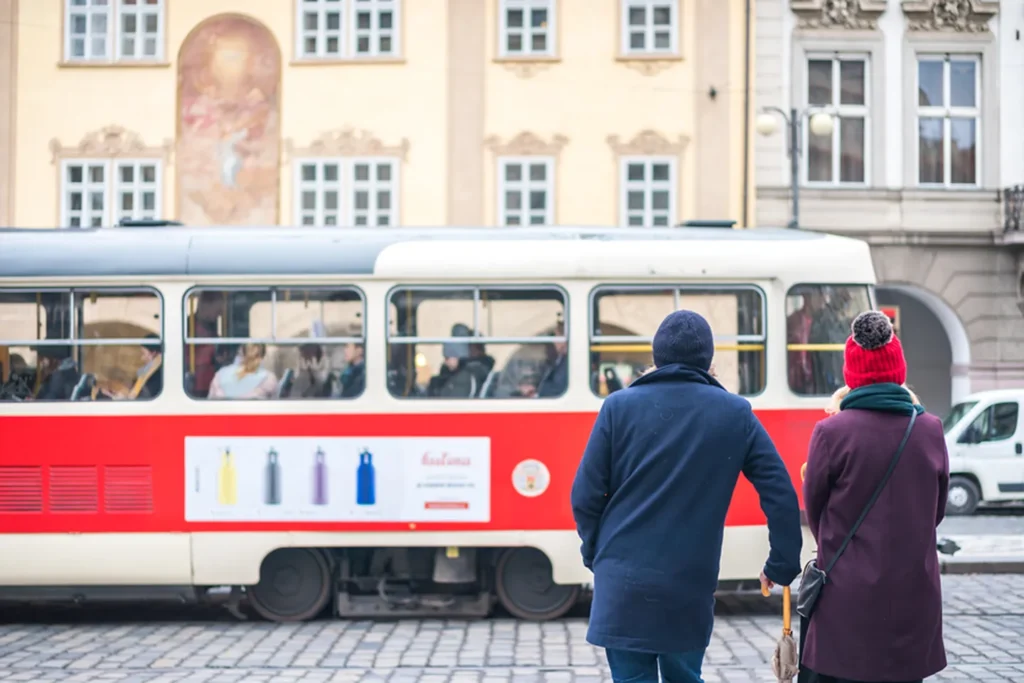
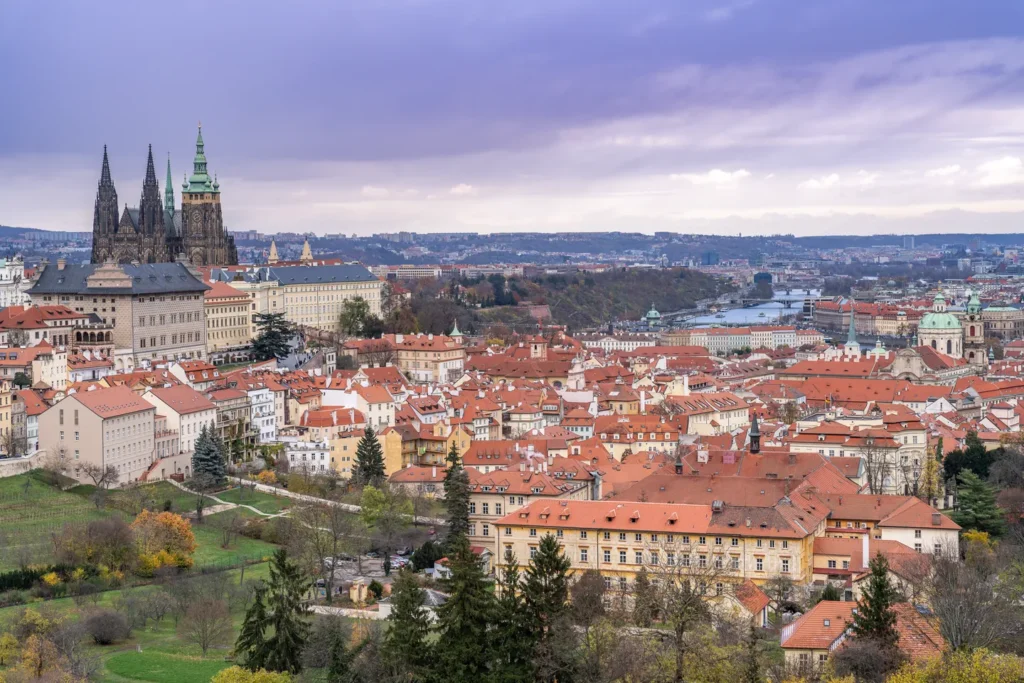
November is late autumn and colder.
The colorful leaves that decorated the city are mostly gone, temperatures fall further, and winds pick up, giving a sense that winter is approaching. Like October, fog can be strong during dawn to morning and again from late afternoon into night. Snow sometimes falls in late November, but usually temperatures are still high enough that snow doesn’t accumulate.
Over the past 10 years the average high has been about 8°C and the average low about 2°C, so you’ll need a warm coat.
It’s cold, but not extremely cold, so travel is still feasible. However, many pretty gardens and events finish by November, making it a somewhat in-between time. Still, the Christmas markets open on the last Saturday of November, so starting your trip then can be a good choice. [Czech Prague weather: More on November]
Winter in Prague
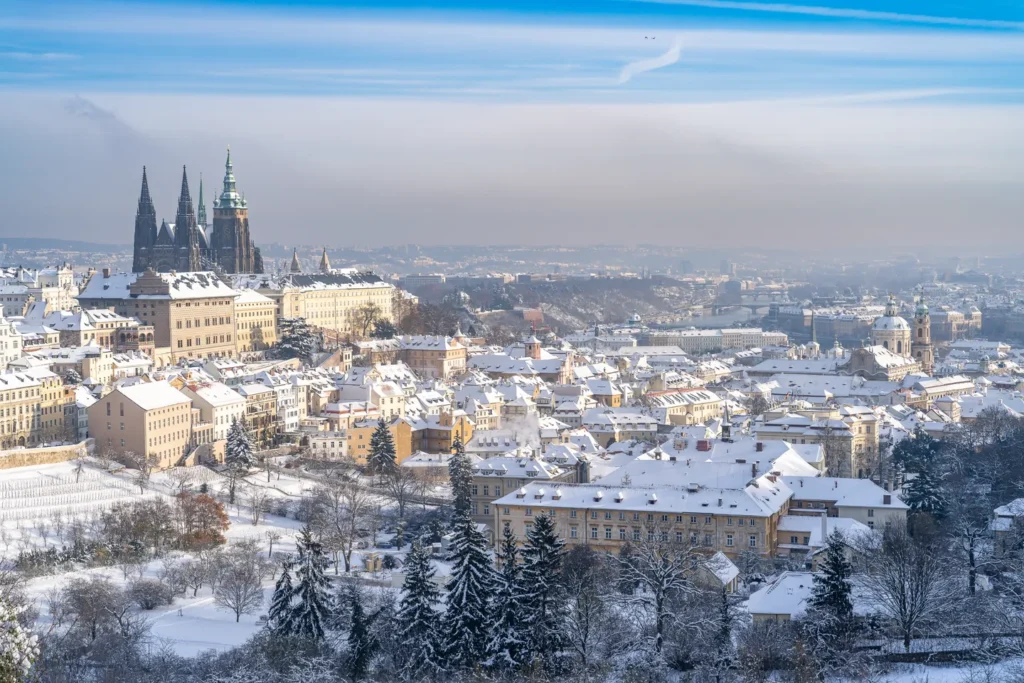
Winter in Prague covers December, January, and February.
December can have snow and is cold, but Christmas markets make the city festive and enhance the travel experience. January is the coldest month of the year, and February is simply cold without many attractions — so I generally do not recommend traveling to Prague in January or February.
If snow does accumulate you might get to build a snowman and see a “White Prague,” but city crews are quick to clear snow and daytime temperatures in December often rise above freezing so snow melts quickly.
December weather in Prague
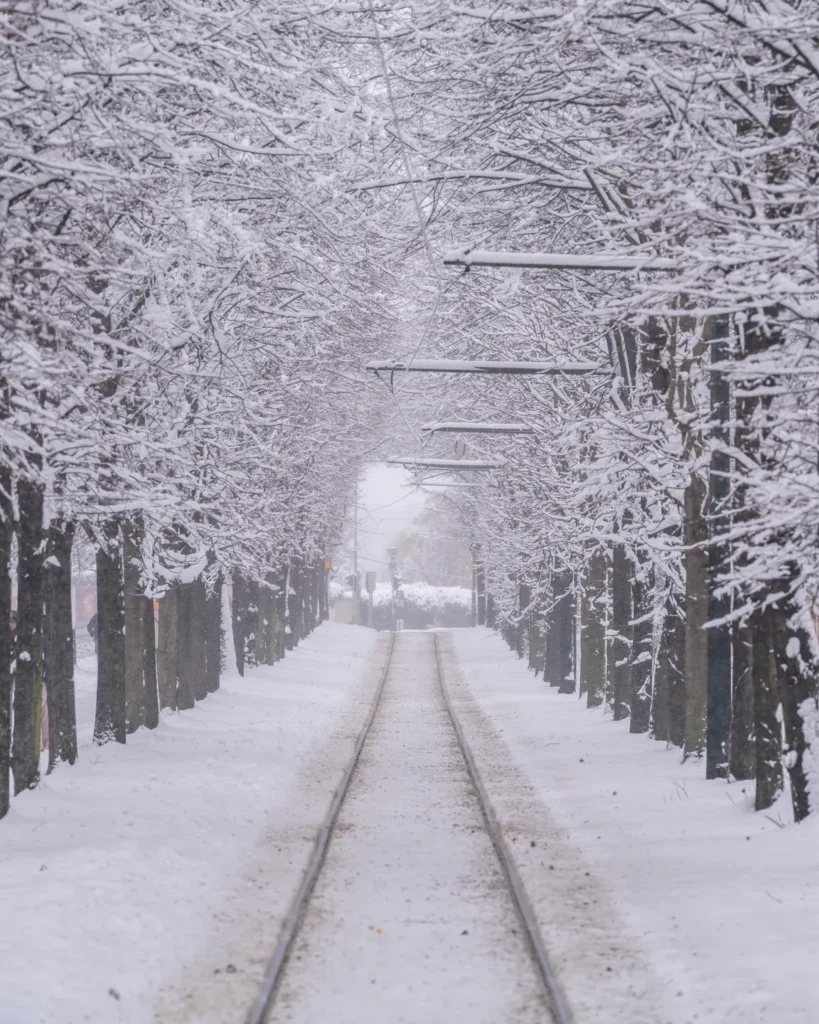
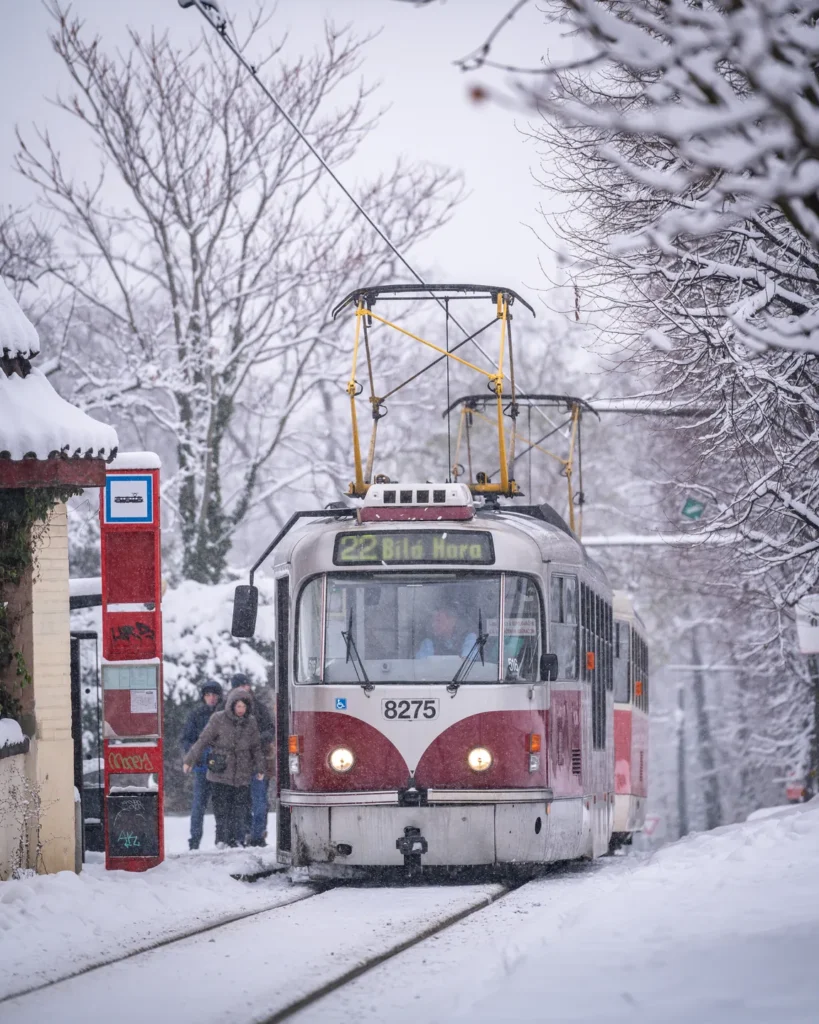
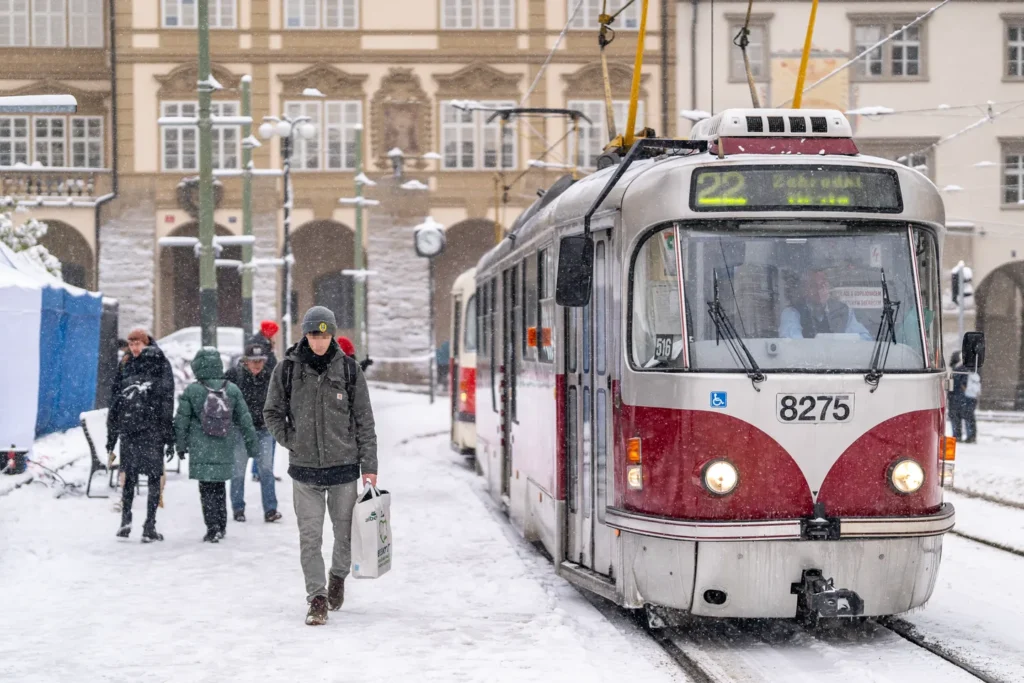
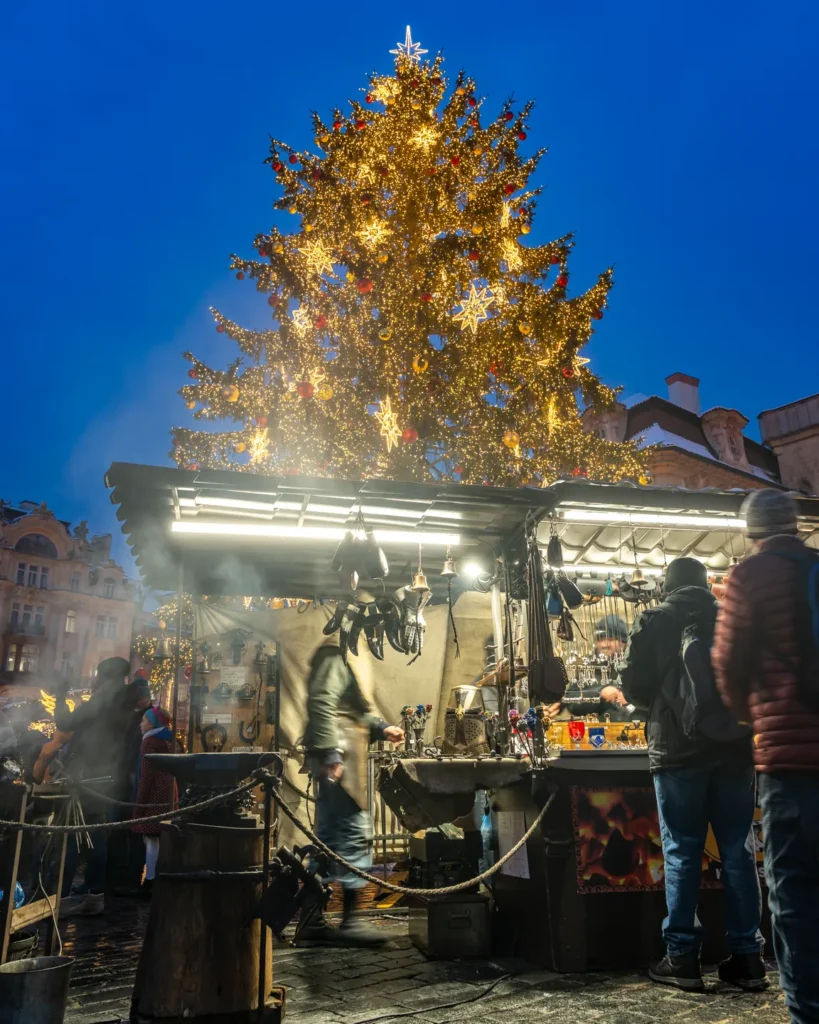
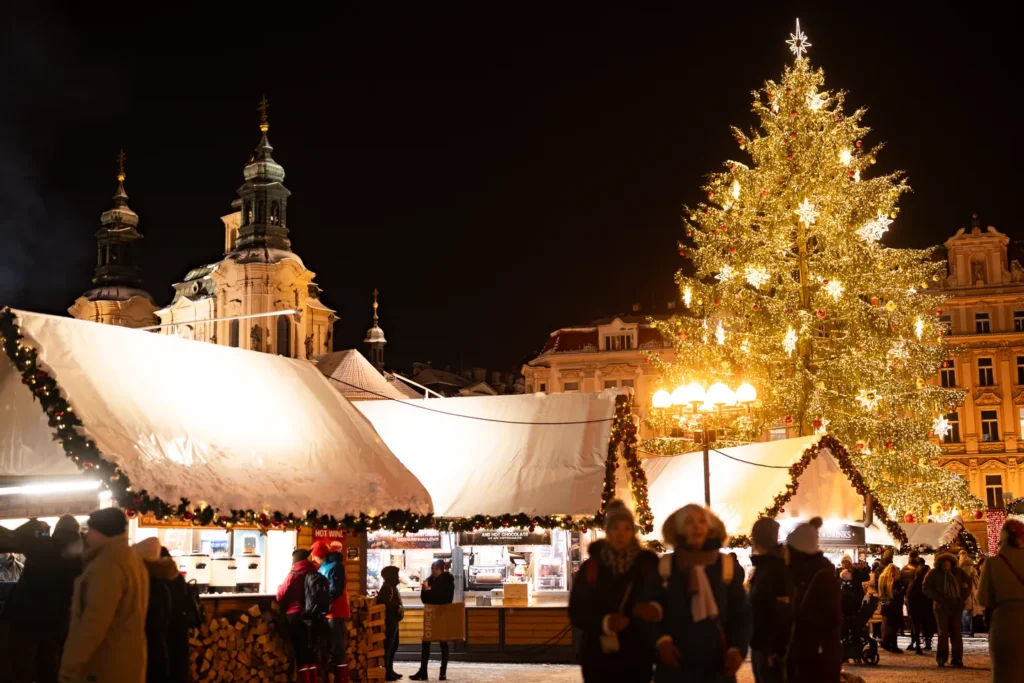
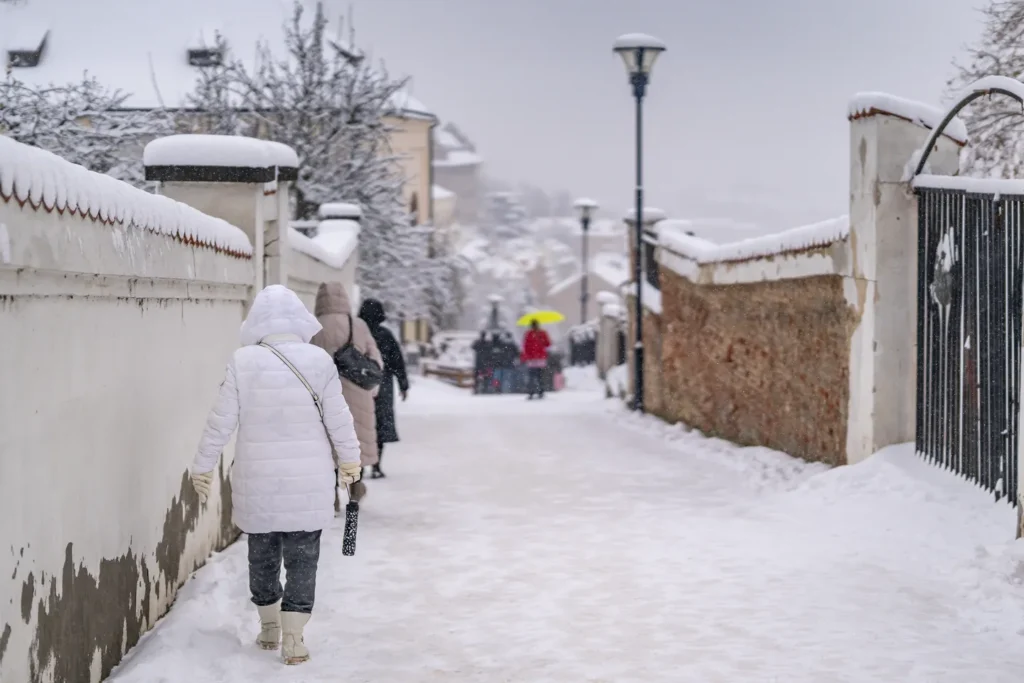
December often brings snow and is defined by Christmas markets.
The markets and large trees in central squares create a cozy year-end atmosphere, and you can enjoy hot mulled wine and sweet street snacks to warm up on cold Prague nights.
Over the past 10 years the average high has been about 4.8°C and the average low about 2°C, so subzero days are common.
Squares with Christmas markets, like the Old Town Square, are in lower-lying areas and aren’t as windy, but when you climb up to Prague Castle or Strahov Monastery you often face strong winds, so dress warmer. Long puffer coats, warm knit hats, insulated gloves, and warm shoes are recommended.
As mentioned, Prague’s snow-clearing is thorough, so major flight delays due to heavy snow are rare — Delays of a few hours are possible, but cancellations are uncommon. [Czech Prague weather: More on December]
January weather in Prague
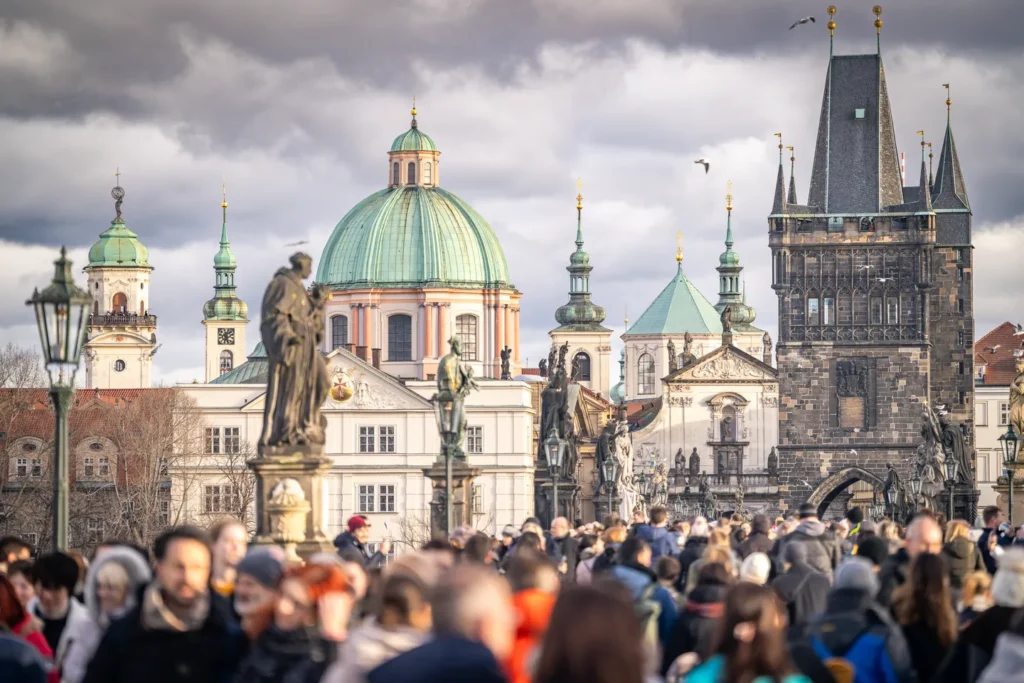

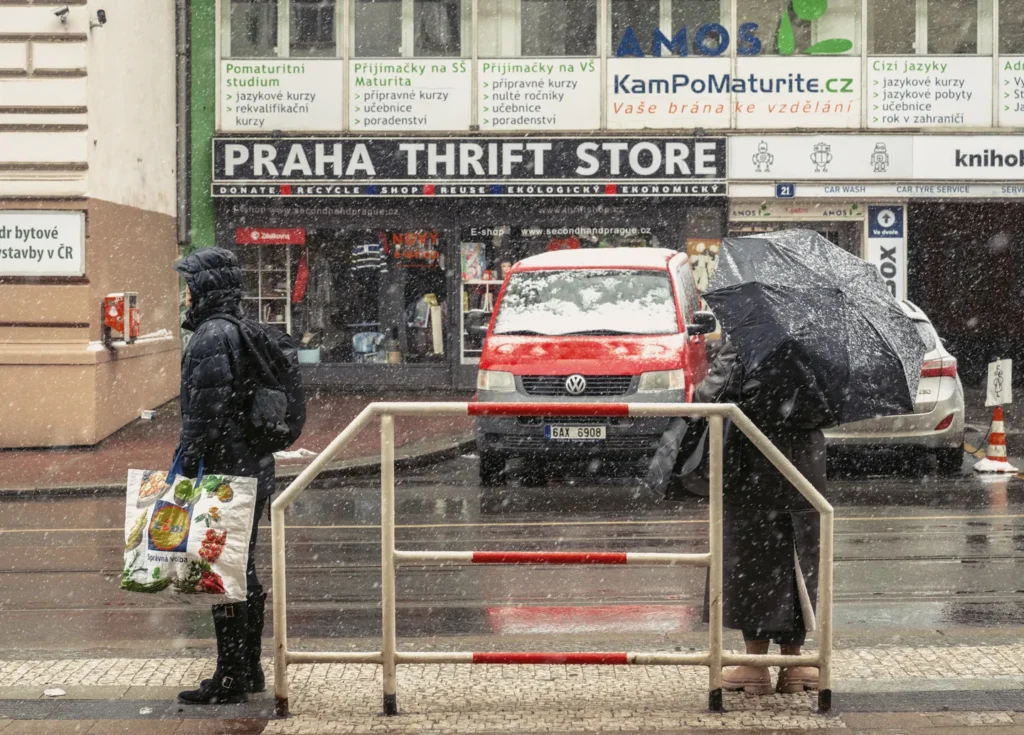
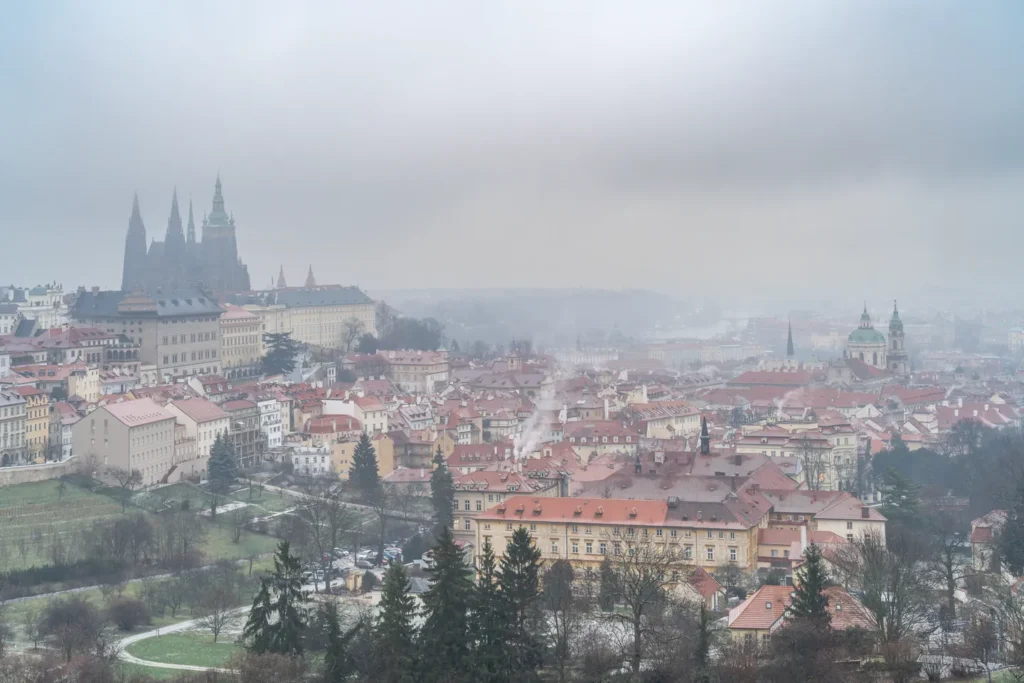
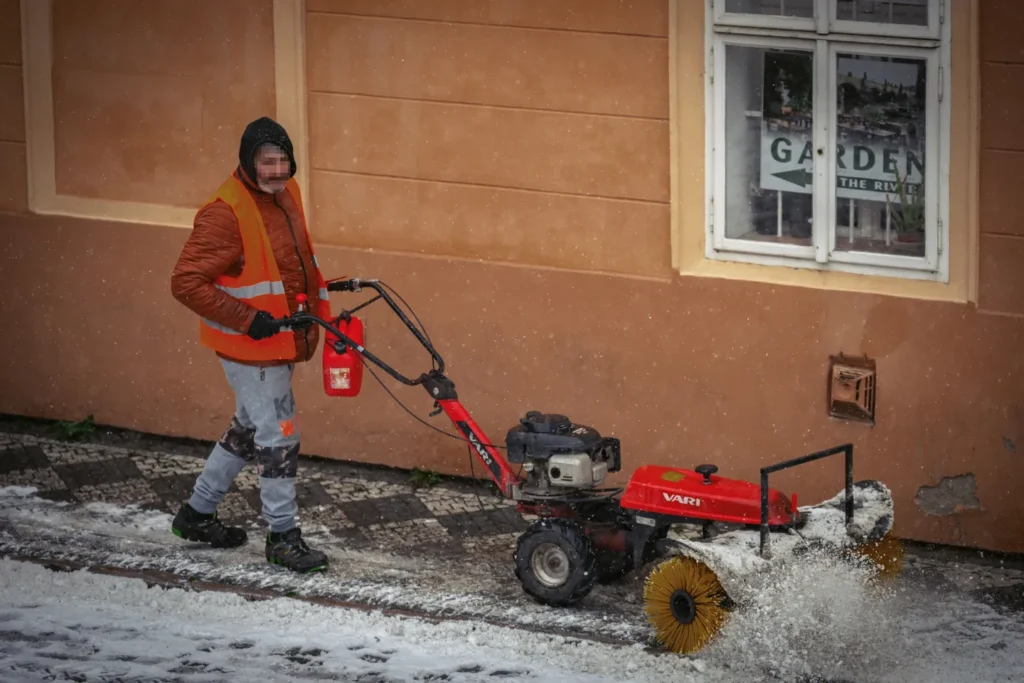
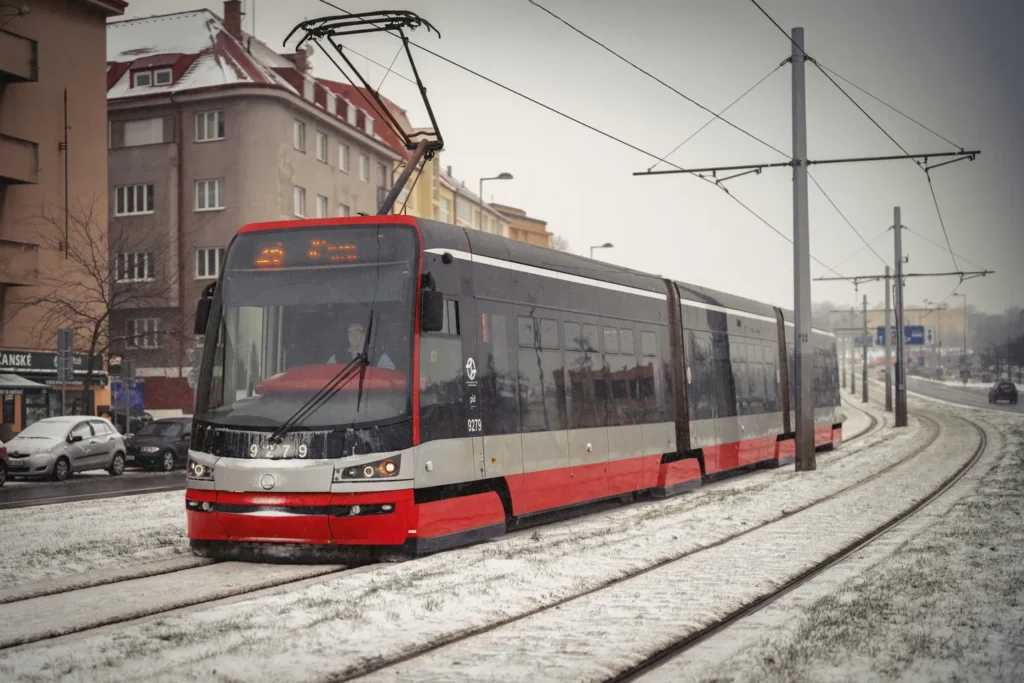
January is the coldest month in Prague.
Christmas markets may still be around in the first week, but they’re winding down and the festive mood fades. If snow accumulates and clearance is slow in some spots, icy sidewalks can form.
Also, going up to high points like Strahovský klášter (Strahov Monastery), Katedrála sv. Víta (St. Vitus Cathedral), or Vyšehrad greatly increases the chance of facing very cold winds.
Over the past 10 years the average high has been about 3.5°C and the average low about −2°C, and with strong winds the felt temperature drops quickly.
In January a long puffer coat, a warm knit hat, insulated gloves, and a scarf are essential — pack as warmly as possible. [Czech Prague weather: More on January]
February weather in Prague
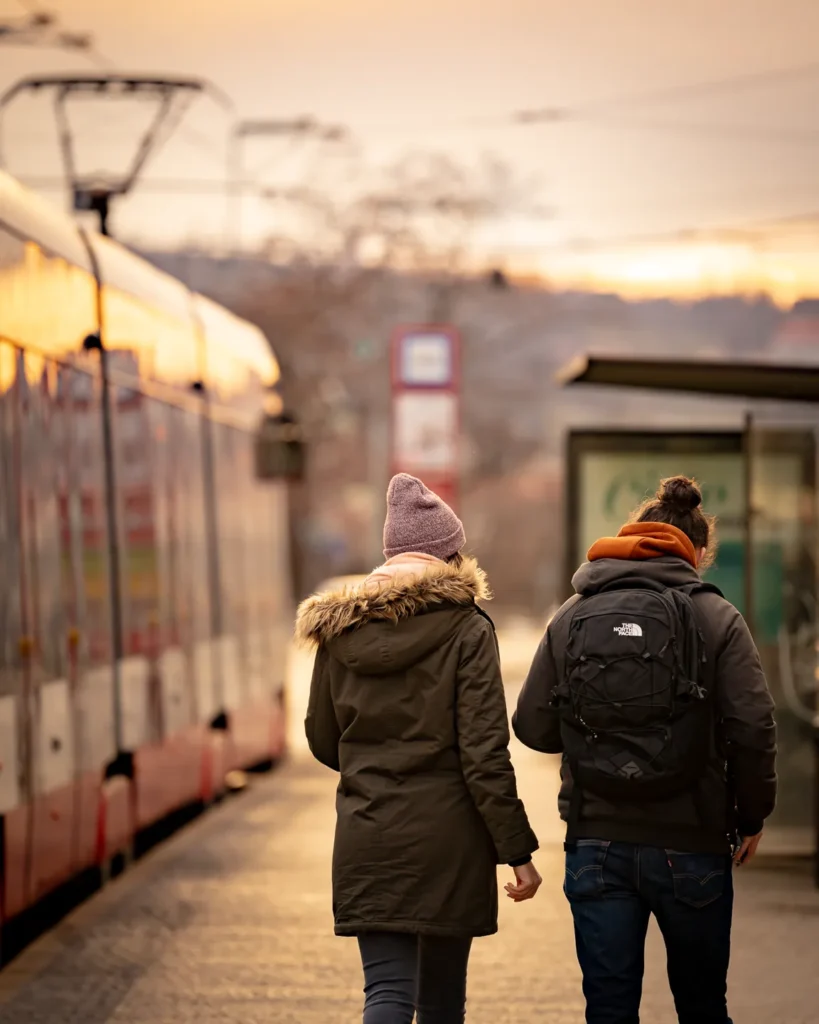
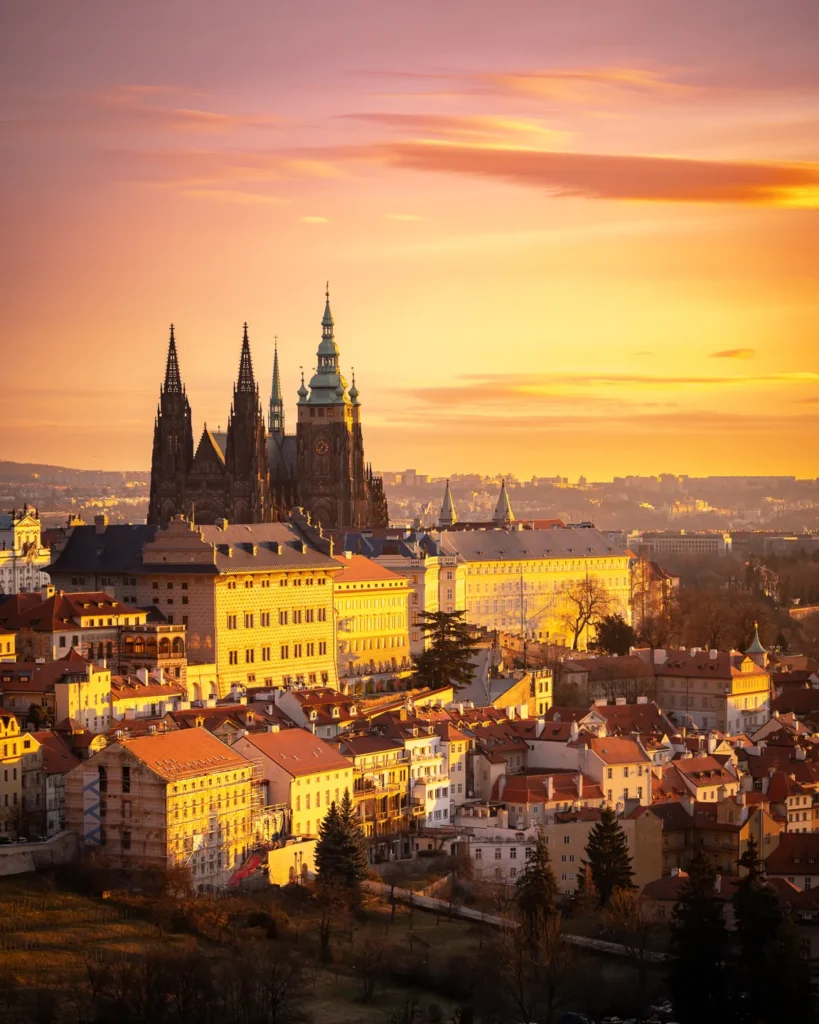
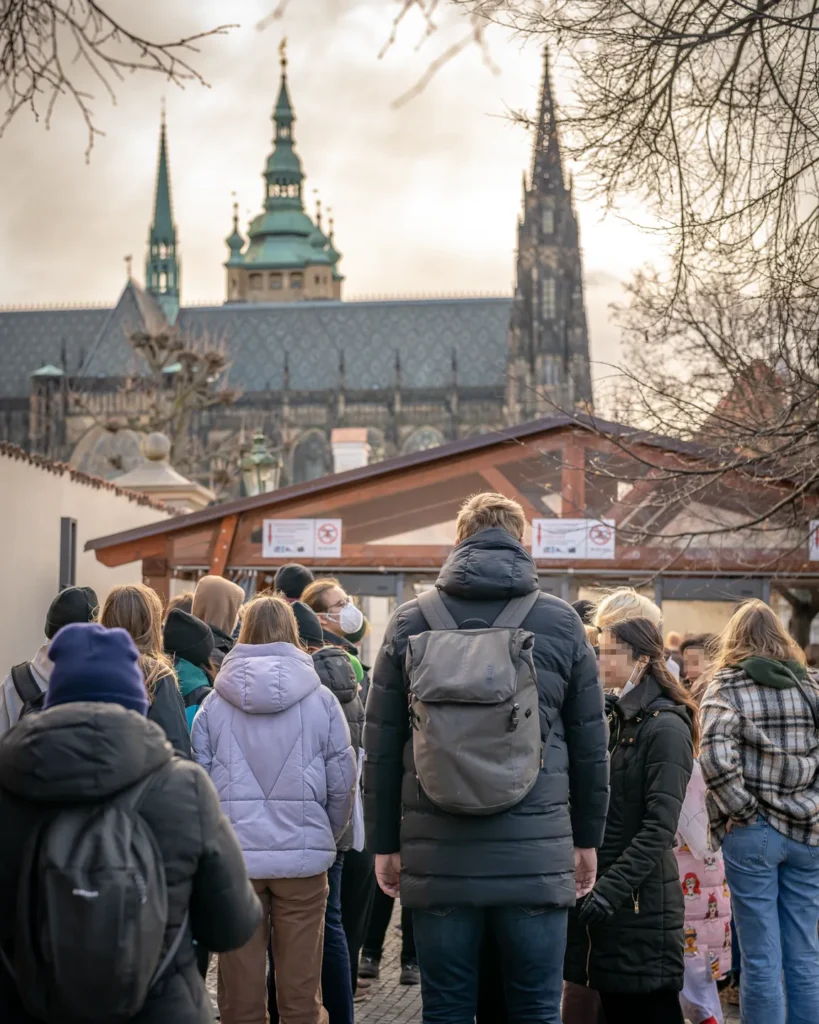
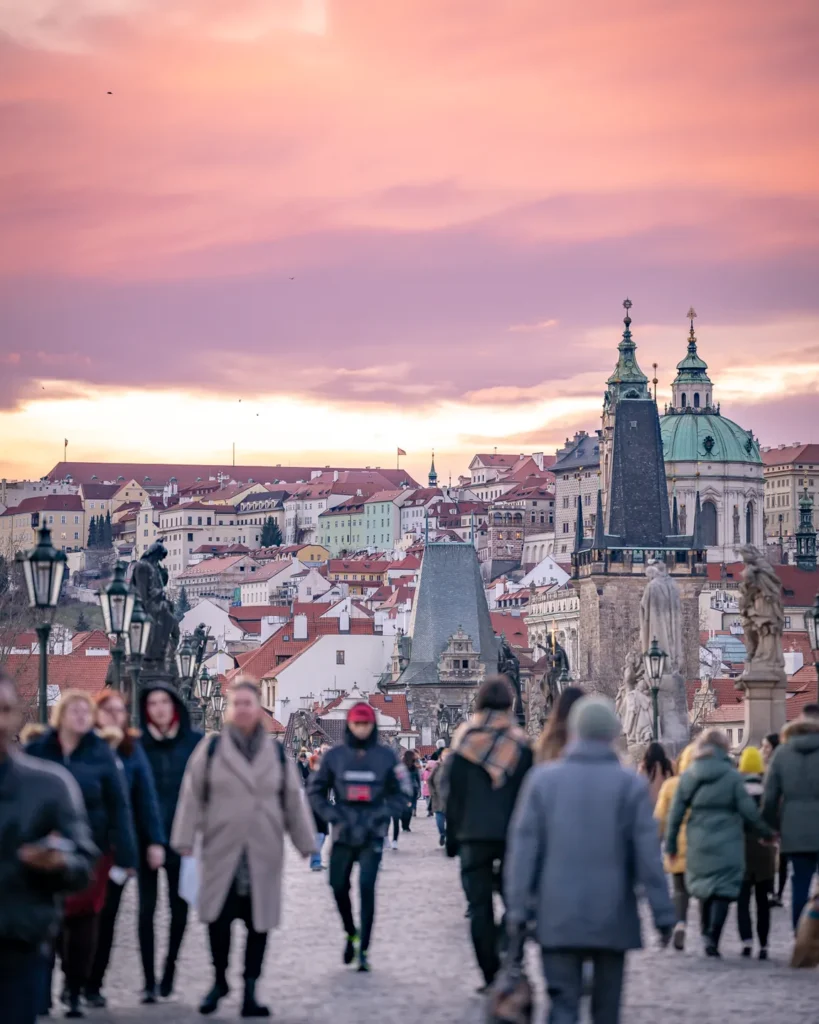
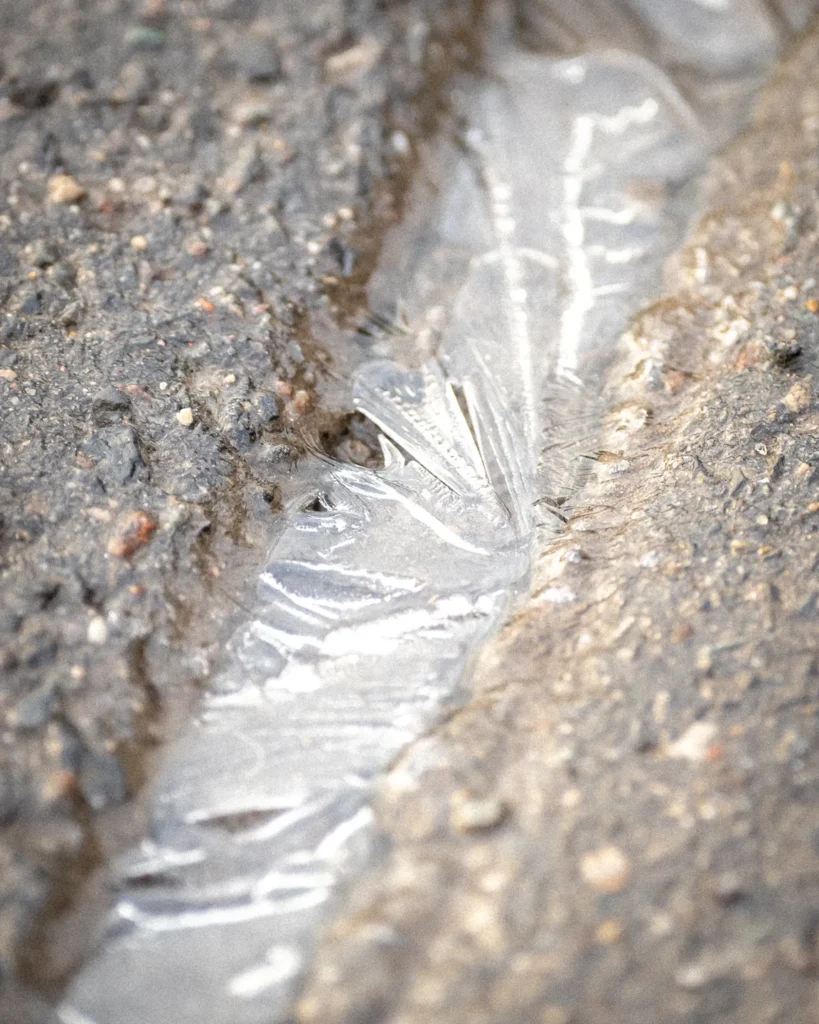
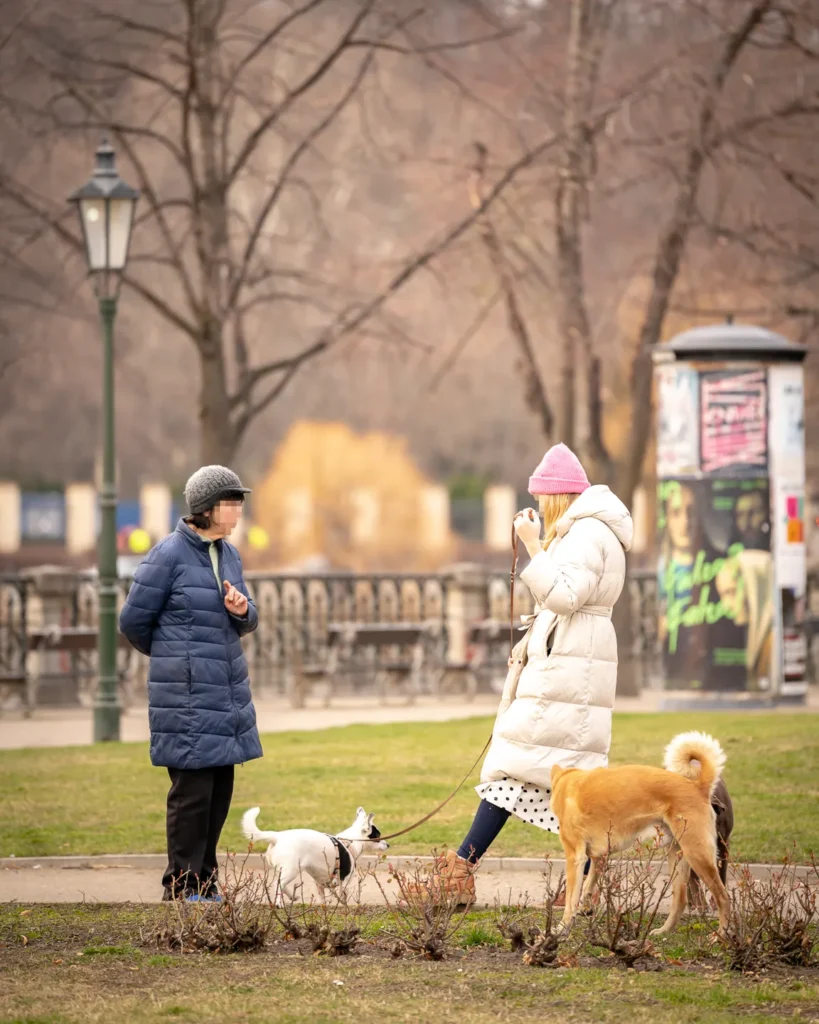
February is the second-coldest month of the year.
There aren’t many special events, and many famous Prague restaurants, cafés, and museums close for internal maintenance during this period. Tourist numbers are also among the lowest.
Over the past 10 years the average high has been about 6.2°C and the average low about −1.1°C, somewhat better than January but still prone to subzero temps.
As in January, pack a warm long puffer coat, a warm knit hat, insulated gloves, and scarf to stay as warm as possible. [Czech Prague weather: More on February]
- For traveling to Prague, May and October are the most ideal months—pleasant temperatures, festivals and performances, and many of the city's beautiful gardens opening.
- I think January and February each year are the least suitable. Temperatures are very low, so it’s cold, and tourist numbers drop sharply—many of Prague’s well-known restaurants, cafés, and museums close for maintenance during this period and don’t operate.
- Heat peaks around midday, and there’s still a noticeable day–night temperature difference after the sun goes down. Because the temperature can drop a lot in a short time and feel chilly, you should bring at least a thin long-sleeve shirt and long pants to cover your skin — you don’t need heavy clothing, but bring something.
- Even small cafés in Prague commonly serve iced drinks, so when a heat wave hits you can cool off with a cold drink at a nearby café. It hasn’t been many years since ice machines started appearing in small cafés, but they’ve spread very quickly.
- Prague in summer is definitely hot during the day, but temperatures drop quite a bit after the sun goes down. If you plan to sightsee late at night, it’s a good idea to bring a couple of lightweight long garments. If you’re traveling with older people, pack water and a handkerchief in your bag to guard against heatstroke.