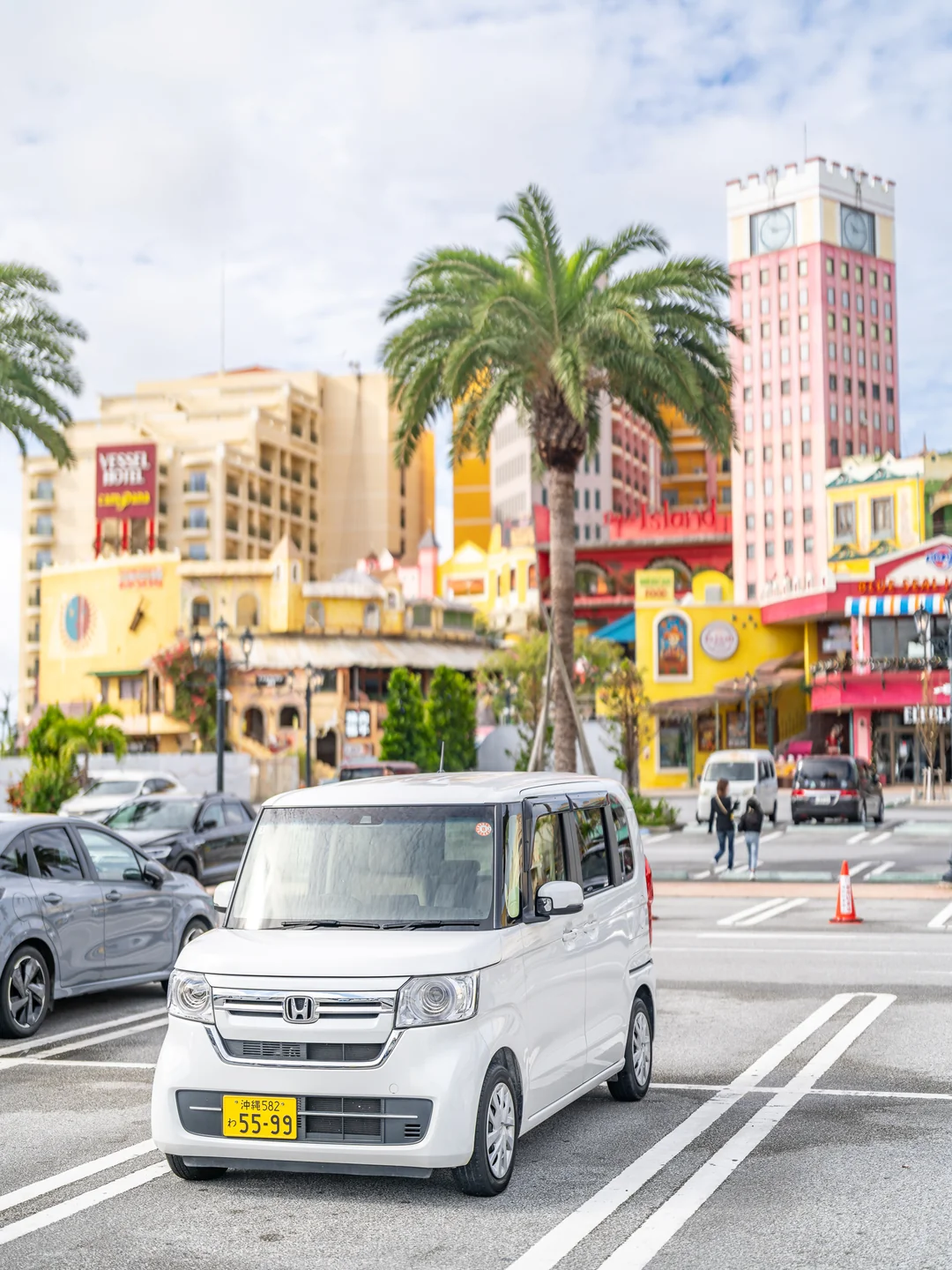
You-I Rent-a-Car: Okinawa in a White N-BOX
Taking it slow past Okinawa’s sea and palm trees in a white N-BOX
Haisai! I’m CULT.
It’s been a while since I last wrote about renting a car in Okinawa. This time it’s You-I Rent-a-Car. I have a personal connection with them, and when I was returning to Okinawa from Korea, I asked if they could lend me a car so I could write about their rentals while I was at it. They’ve done me a favor or two, but I always keep my reviews neutral.
I’ve used all sorts of rental companies in Okinawa and visited plenty of them, and each has its own clear strengths and weaknesses.
Some are a little far from the airport.. others take forever to get you on the road because their service is so inflexible.. When I used to wait for clients at American Village, they were often late. It was always the same story. If a client was late, I could guess which rental company they’d used.. There’s one company in particular. I’d be right about 95% of the time?
You-I Rent-a-Car, which I’m covering today, is fairly close to the airport. They’re also pretty quick at getting you through the paperwork and on the road. There’s a Korean employee I know personally who’s been there for almost 10 years, practically since the beginning. They’ll help you get everything sorted.
You-I Rent-a-Car at a Glance
I picked up the car via the airport shuttle, drove around town and returned it at the Kokusai-dori branch near home.
Details
How to Book
Book on the official website and add NOC insurance if you want peace of mind.
You can book on the website above. When I rented, the listed price for a kei car was 4,400 yen. That might look expensive compared with other companies, but it includes insurance. I’m familiar with how most rental companies in Okinawa price their cars, and You-I Rent-a-Car includes insurance in the rental price itself. If you’re worried, you can add NOC insurance. It covers the compensation you’d otherwise have to pay the rental company if an accident leaves the car unavailable for rental.
Catching the Airport Shuttle
Look for the You-I Rent-a-Car logo toward the middle right of the bus and give the driver your name.
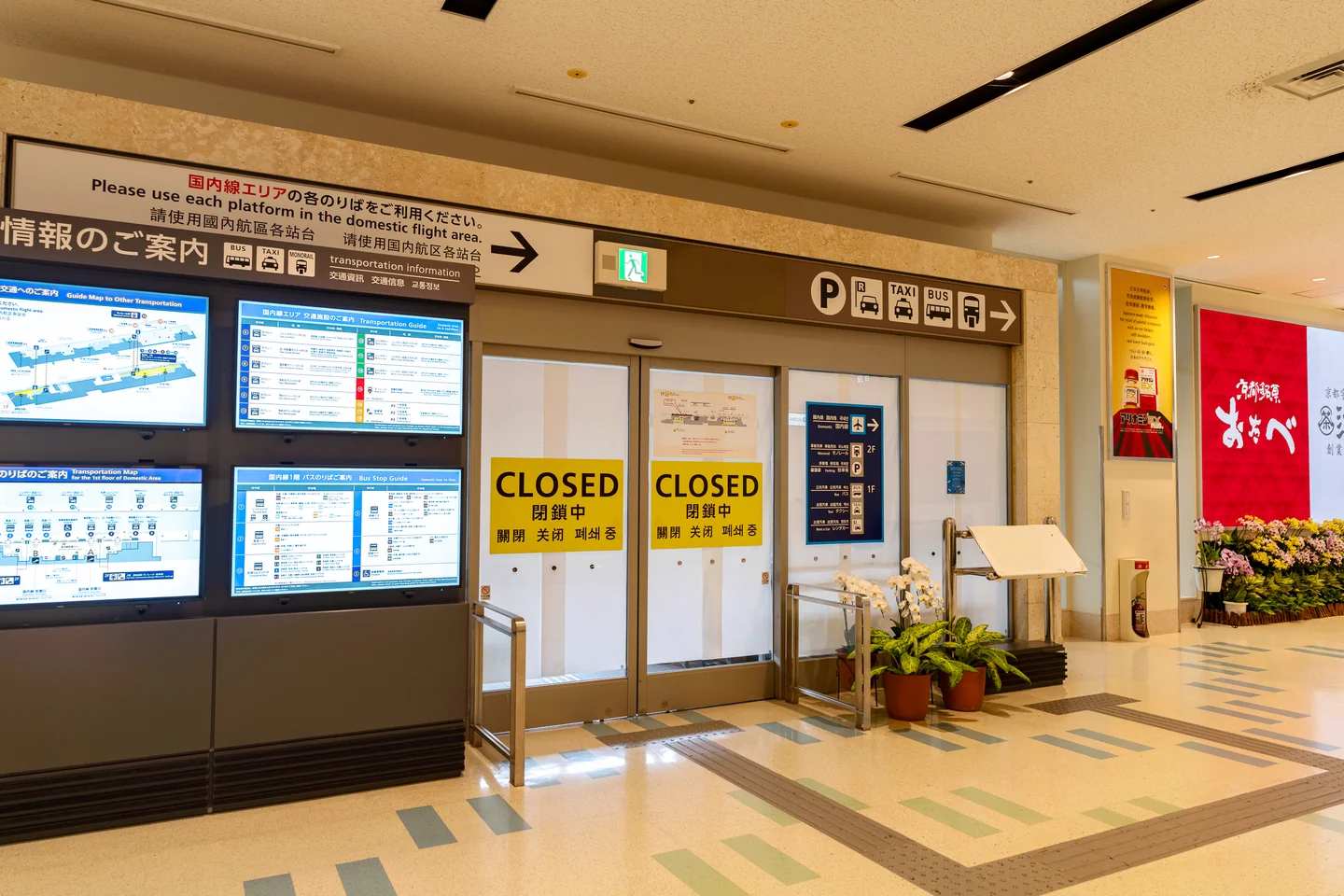
This is what you see after clearing immigration and coming through the final gate.
That blasted first-floor exit.. I don’t think the construction will be finished even by the time I leave Okinawa for good.. They’re resurfacing the road outside.. Will it ever end? Anyway, it’s blocked off, so you have to go around. Head up to the second floor, go across to the other side, then back down to the first floor and out through Exit 4.
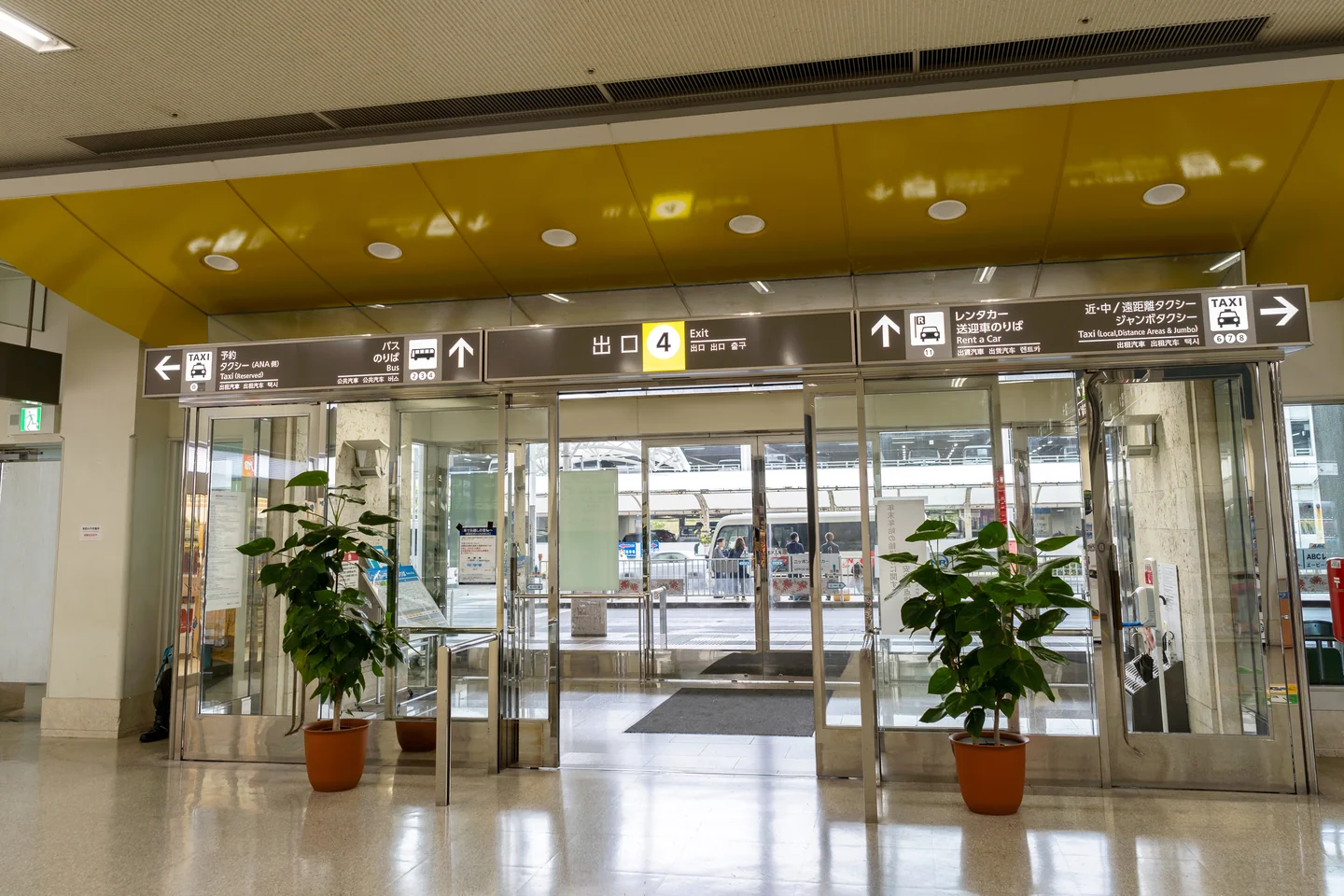
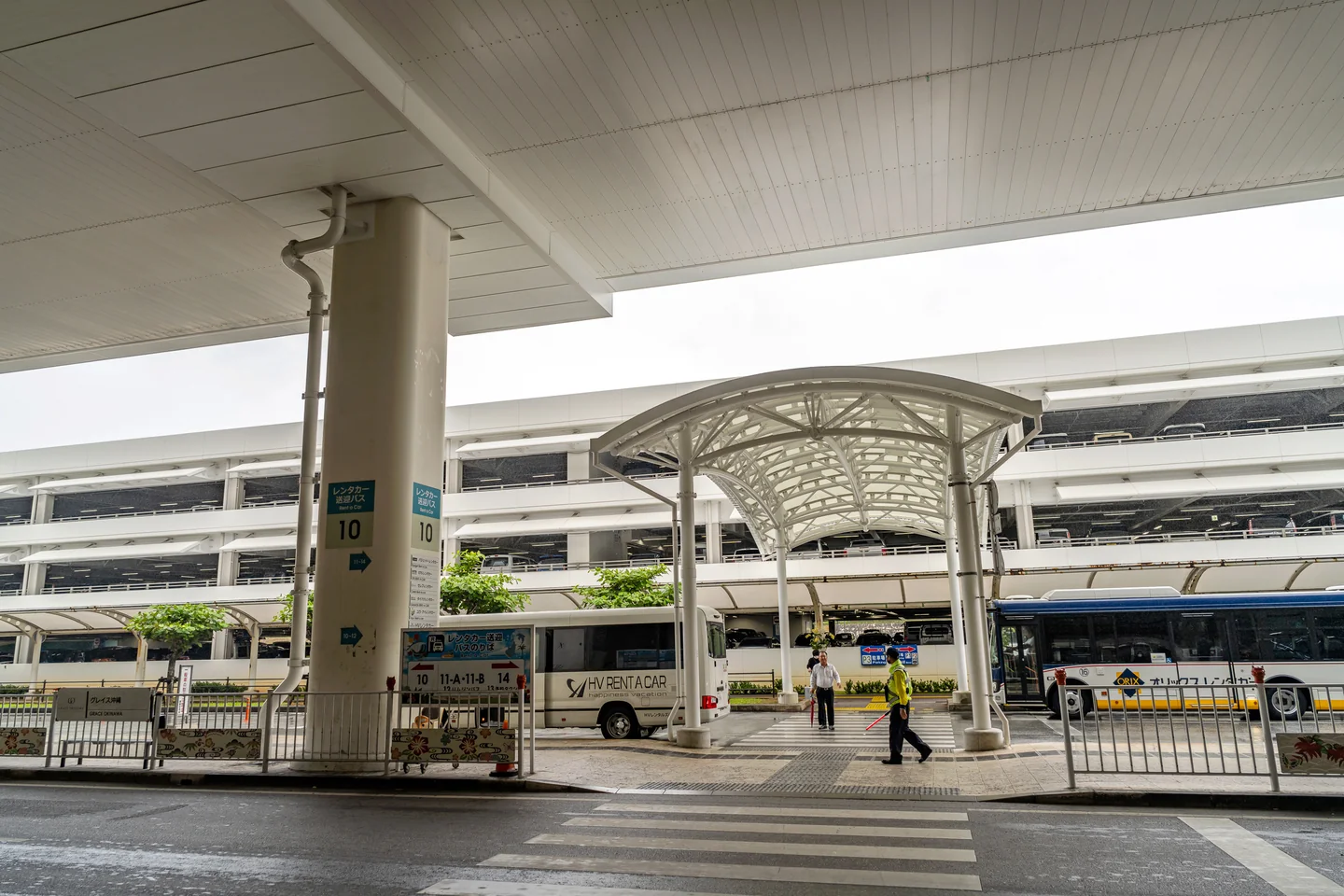
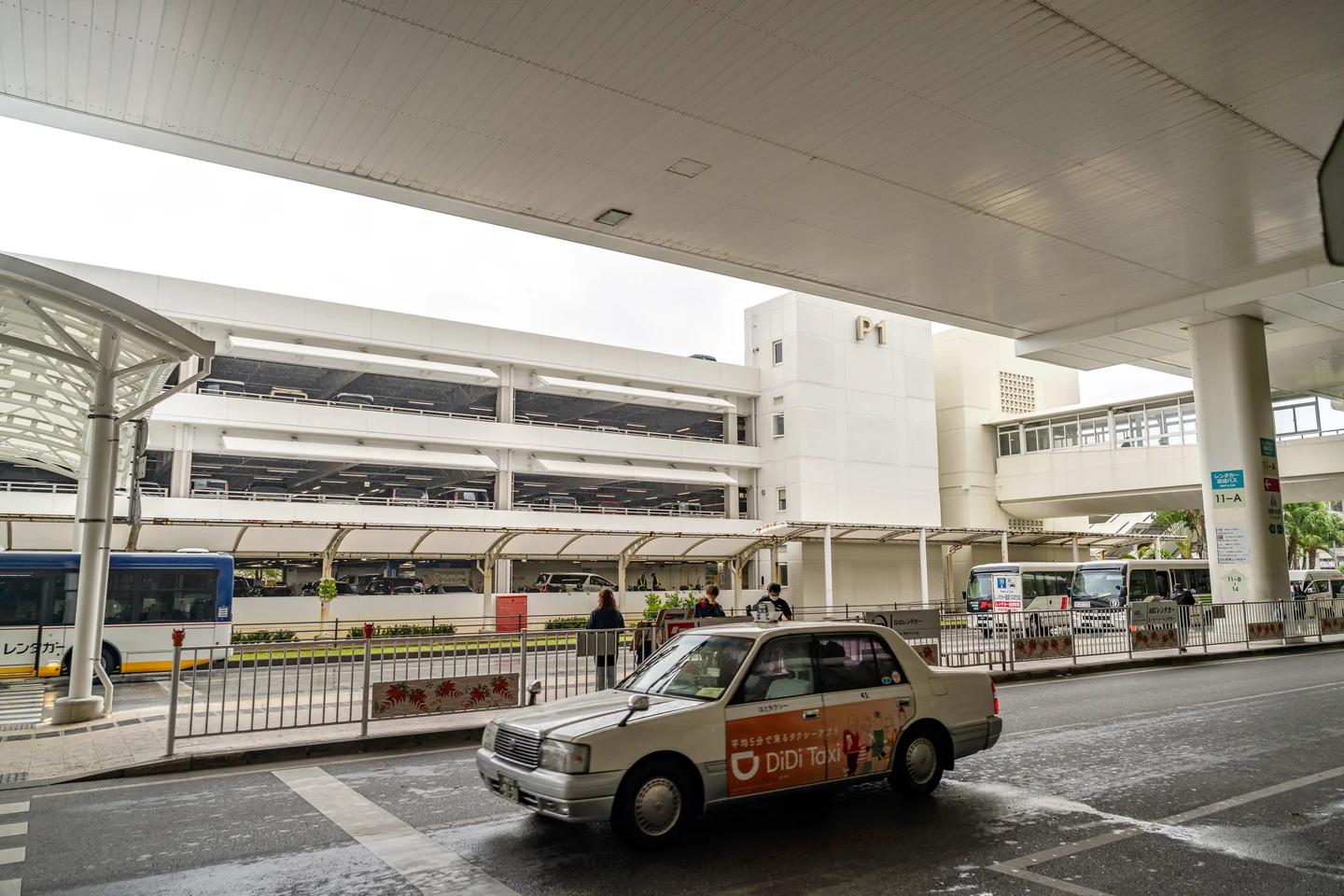
Go out through Exit 4 on the first floor and use the crosswalk to reach the vehicle waiting area in the middle. You’ll see vehicles from various rental companies parked there.
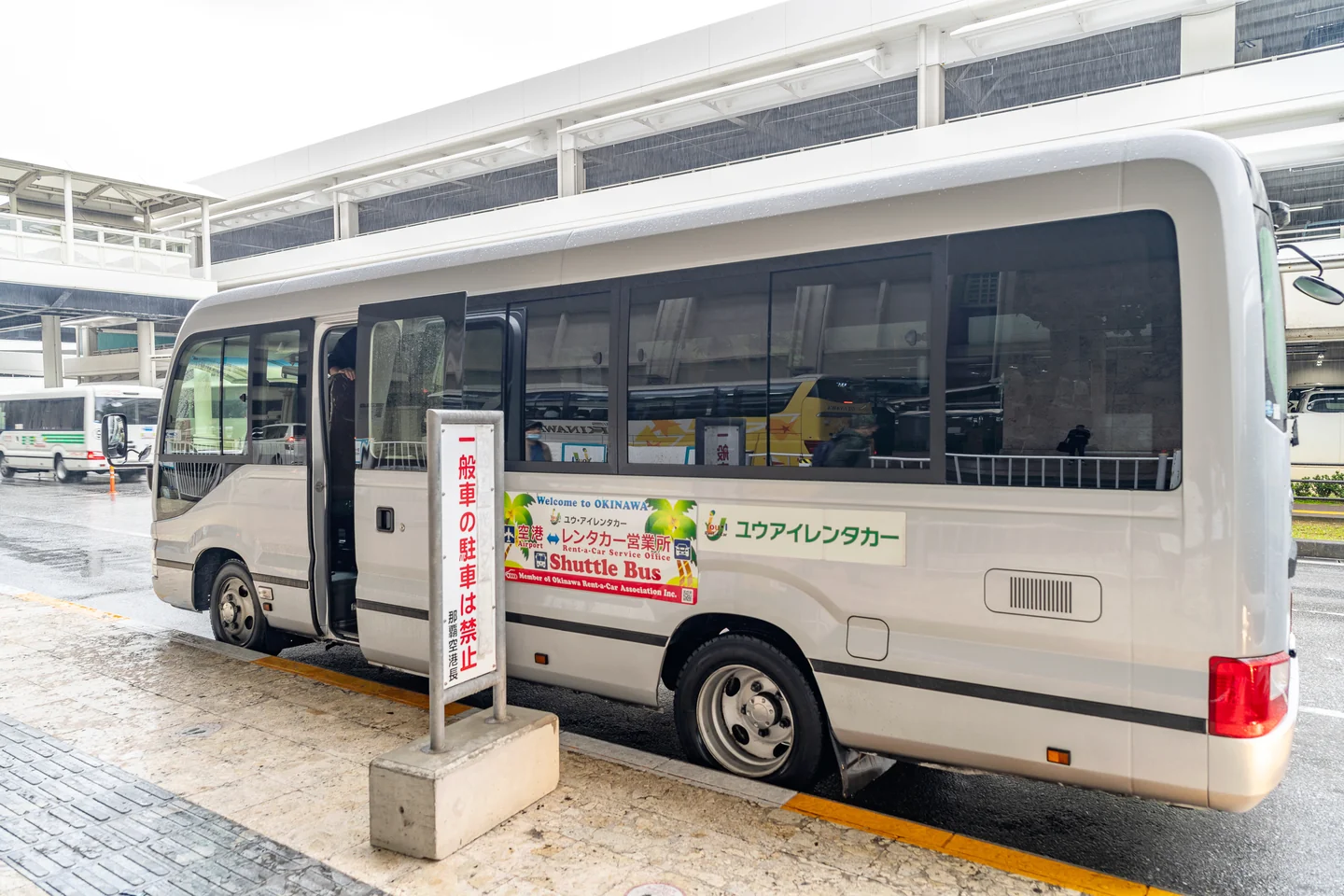
Look for the You-I Rent-a-Car logo toward the middle right of the bus, give the driver your name and hop aboard.
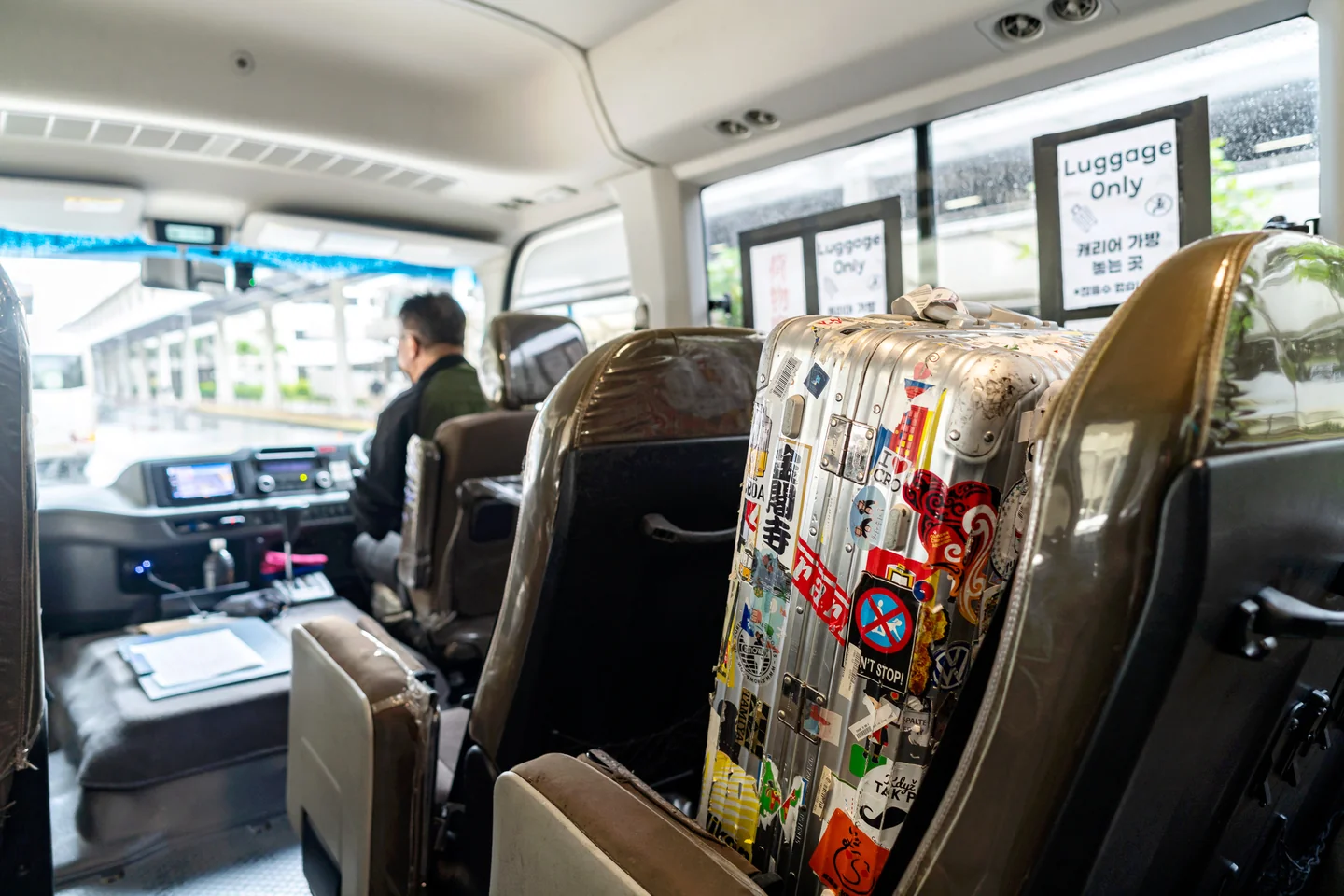
They’ll lift your luggage aboard like this too. Of course, that might be harder when they’re busy with lots of passengers.
As far as I know, You-I Rent-a-Car has two airport shuttle buses and two drivers. They were flat out through November, but things quietened down a little in December.. so I got the whole bus to myself.
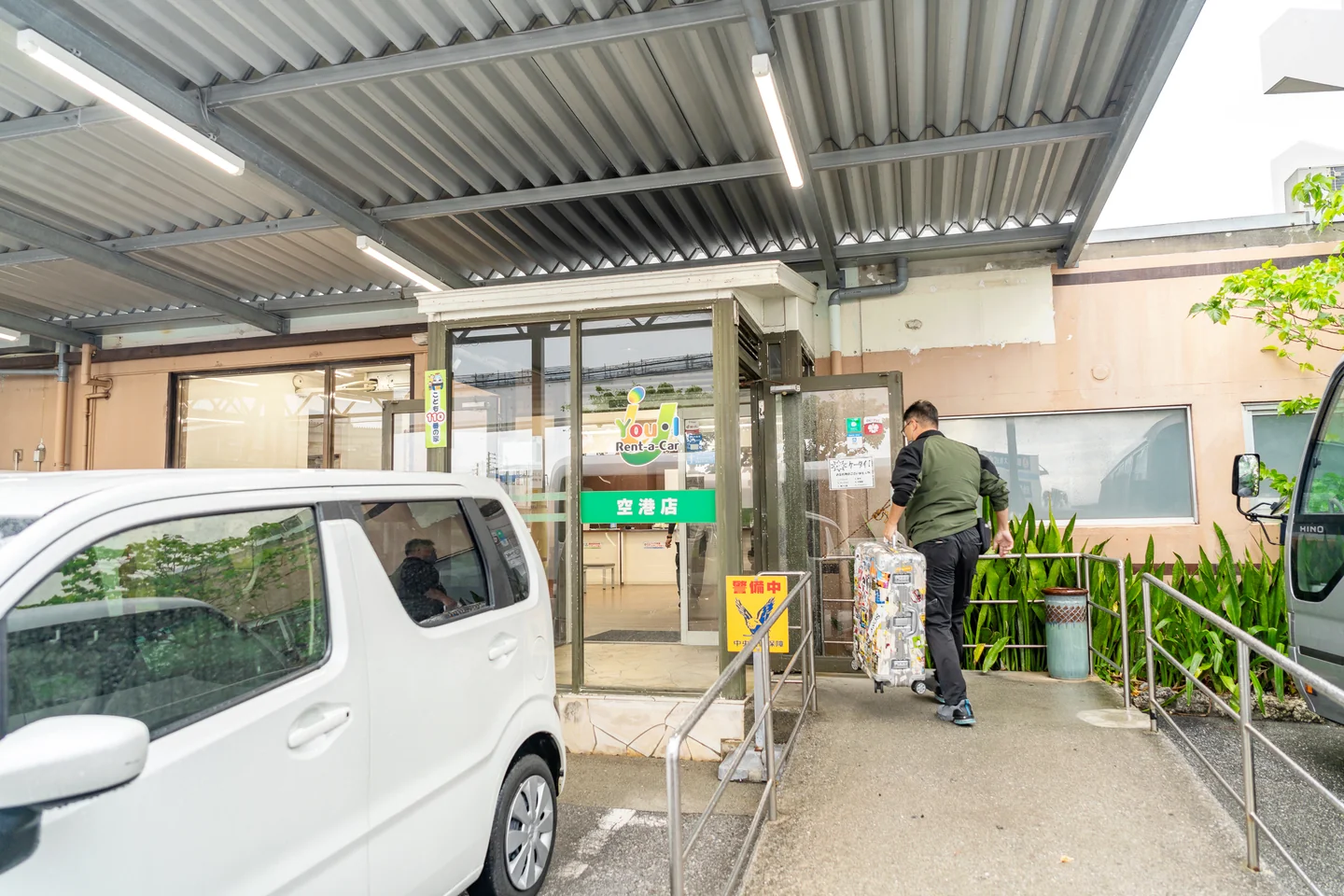
I’ve arrived at the airport branch. It’s about an 8-minute drive.
Companies like Toyota Rent a Car and ORIX are closer.. but they’re so expensive..
You-I Rent-a-Car
At the airport branch, I completed the paperwork and loaded my snack-filled suitcase into the car first.
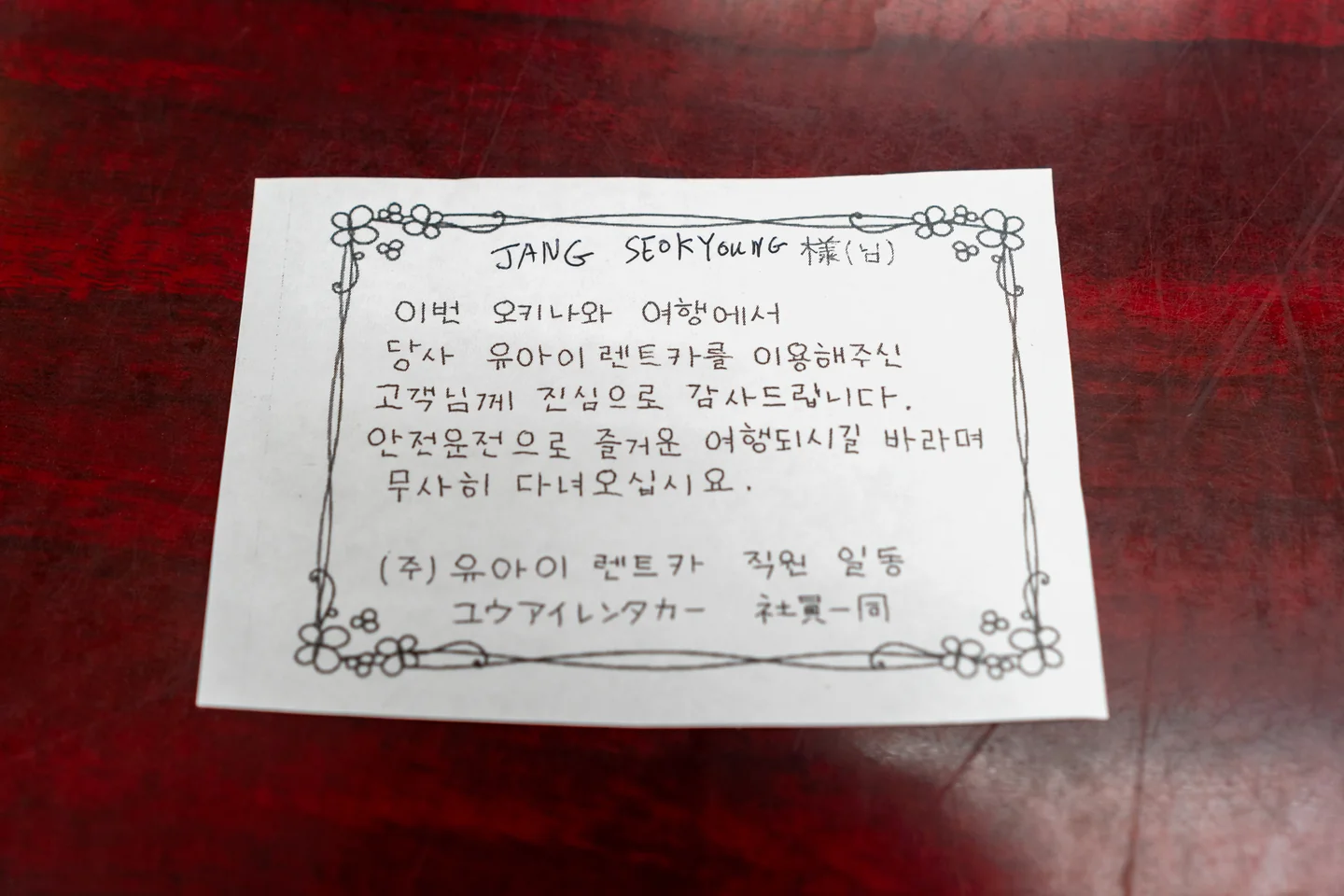
They give you these now. They didn’t have them in early 2025. Business seems to be doing pretty well. Apparently, they were scrambling for available cars in November too,
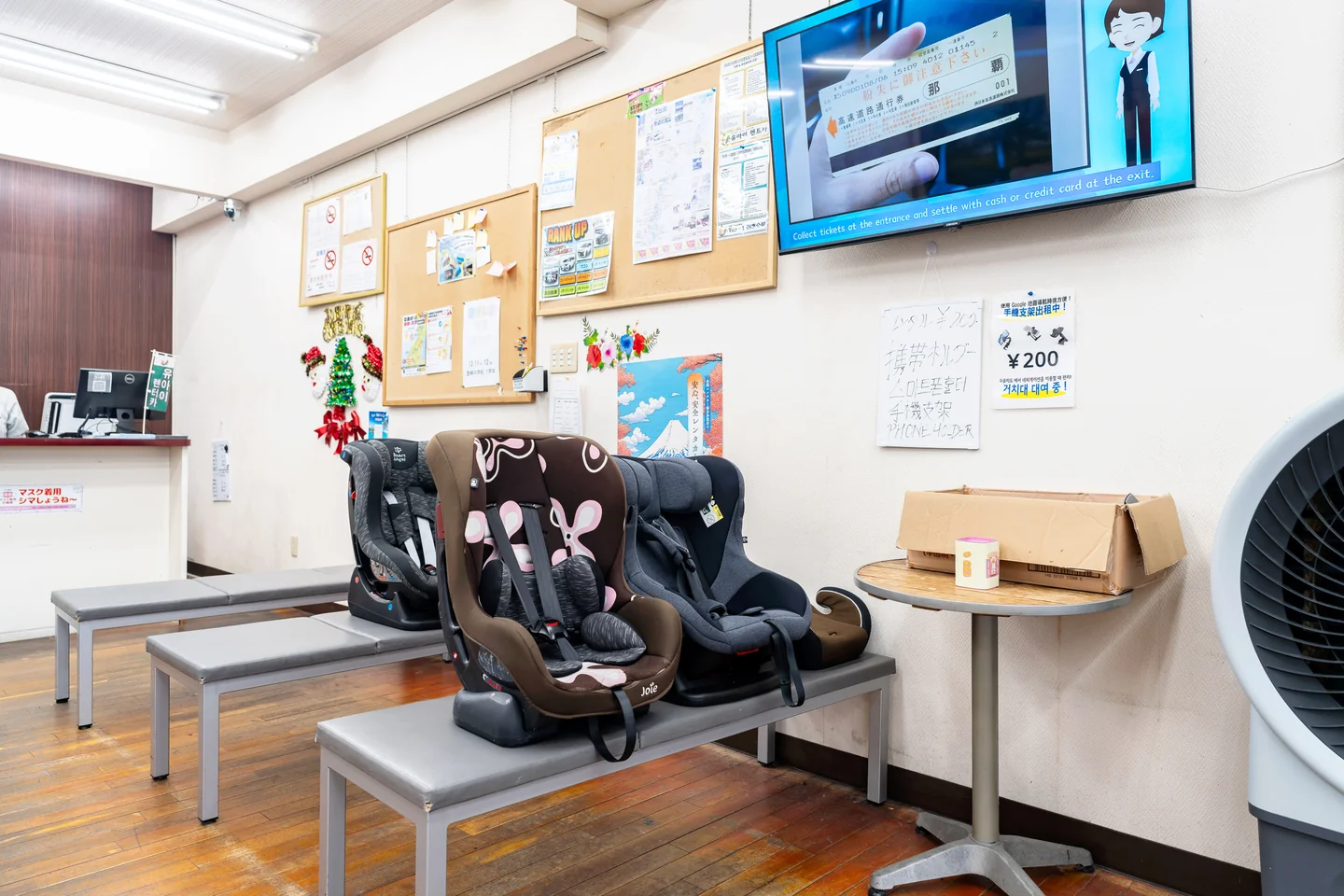
You can rent those car seats for a fee. Lots of people travel to Okinawa with children, right? You absolutely need one. It’s required by law. Koreans in particular should be careful about this. How can I put it.. the way we drive.. gives us away as Koreans.. and catches the police’s attention..
This is just something I’ve heard.. but apparently, when the police stop someone driving recklessly in a car with rental plates in Okinawa, nine times out of ten they’re Korean (…)
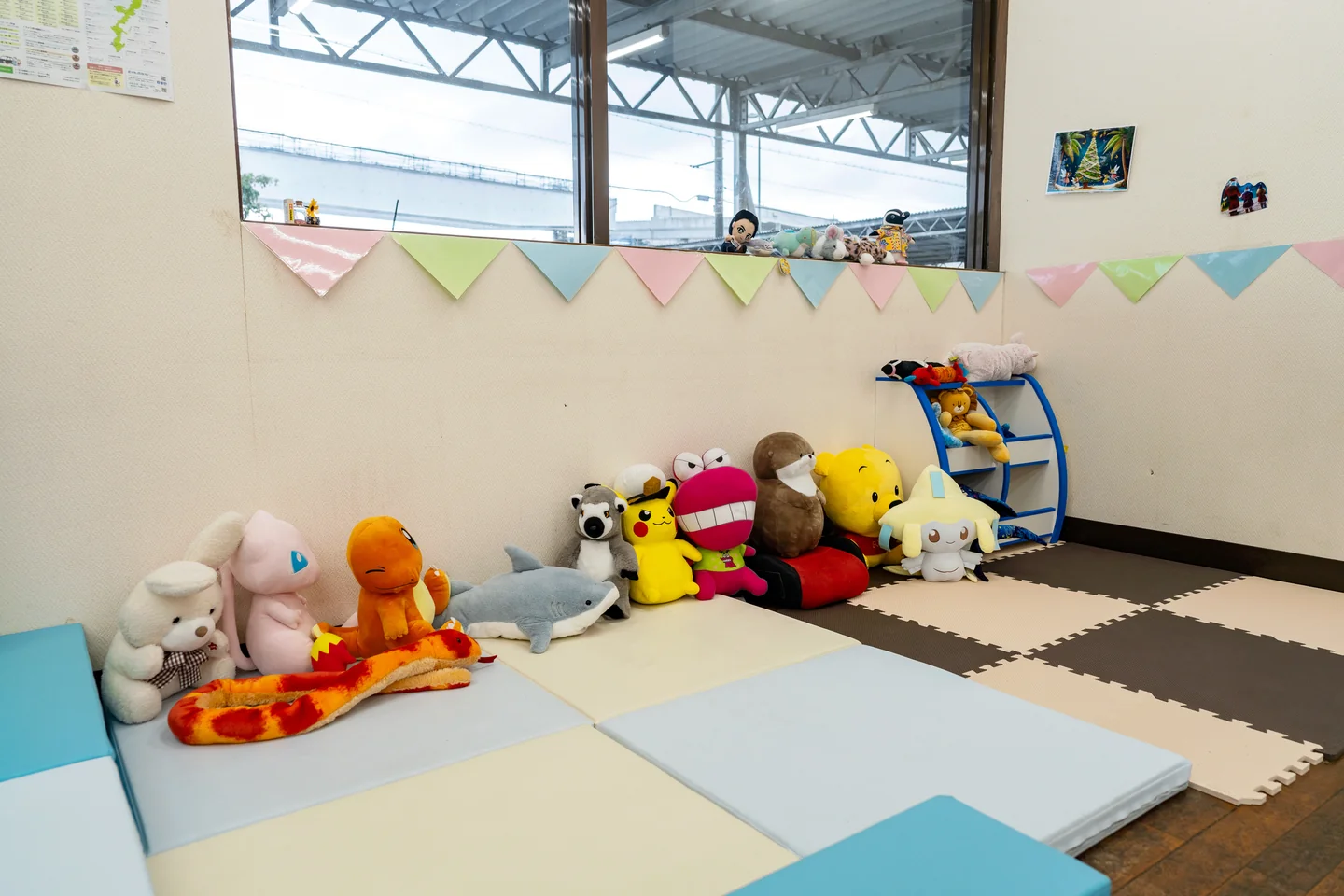
There’s also a space for children who are feeling cranky after the flight.
I had a quick look around the plane that day.. There were lots of families traveling with children, even though it was December. Babies aside, had the school holidays started already?
The paperwork usually doesn’t take long, but if it’s your first trip to Japan, you’ll need a little time to check the car over and get a rough idea of how everything works.
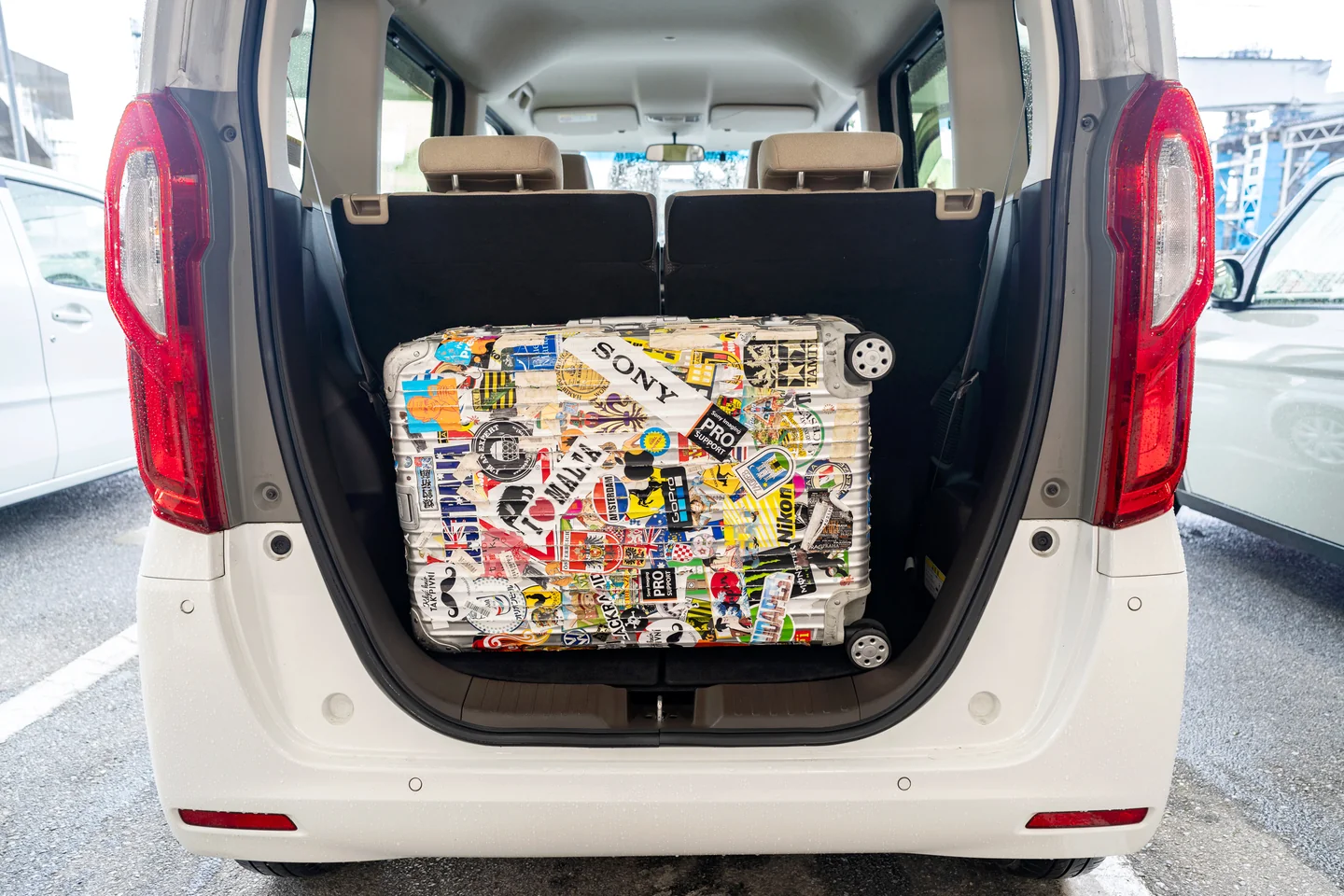
I chuck my luggage in the trunk. It’s a bit heavy this time. That suitcase is packed with snacks..
It looks like there’s only room for one suitcase, but this is an N-BOX. It’s a kei car with seats that fold completely flat, so you can sleep in it -_-;;
You can slide the seats a long way forward. Four 20-inch carry-on suitcases fit without a problem, but..
I wouldn’t recommend this car for a trip with four people. I feel that way about all Japanese kei cars. Three people at most.
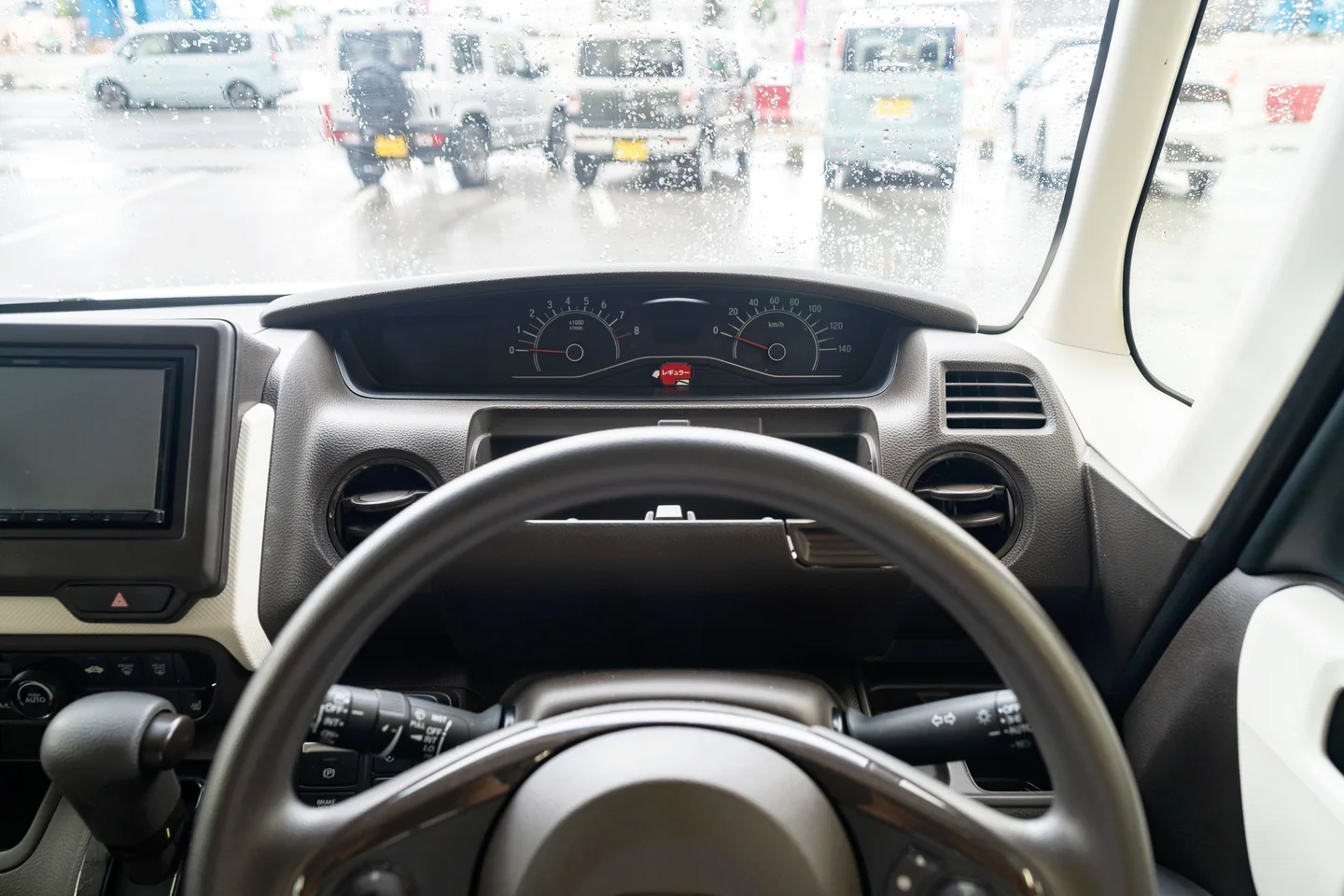
It’s worth taking a moment to figure out the controls before you set off.
I’ve driven a lot in Japan, and I’m always driving different cars, so I can get to grips with a car like this straight away. I’d just spent 8 days driving back and forth between Seoul and Busan every day, really putting in the miles.. Even I got a little mixed up about left and right.
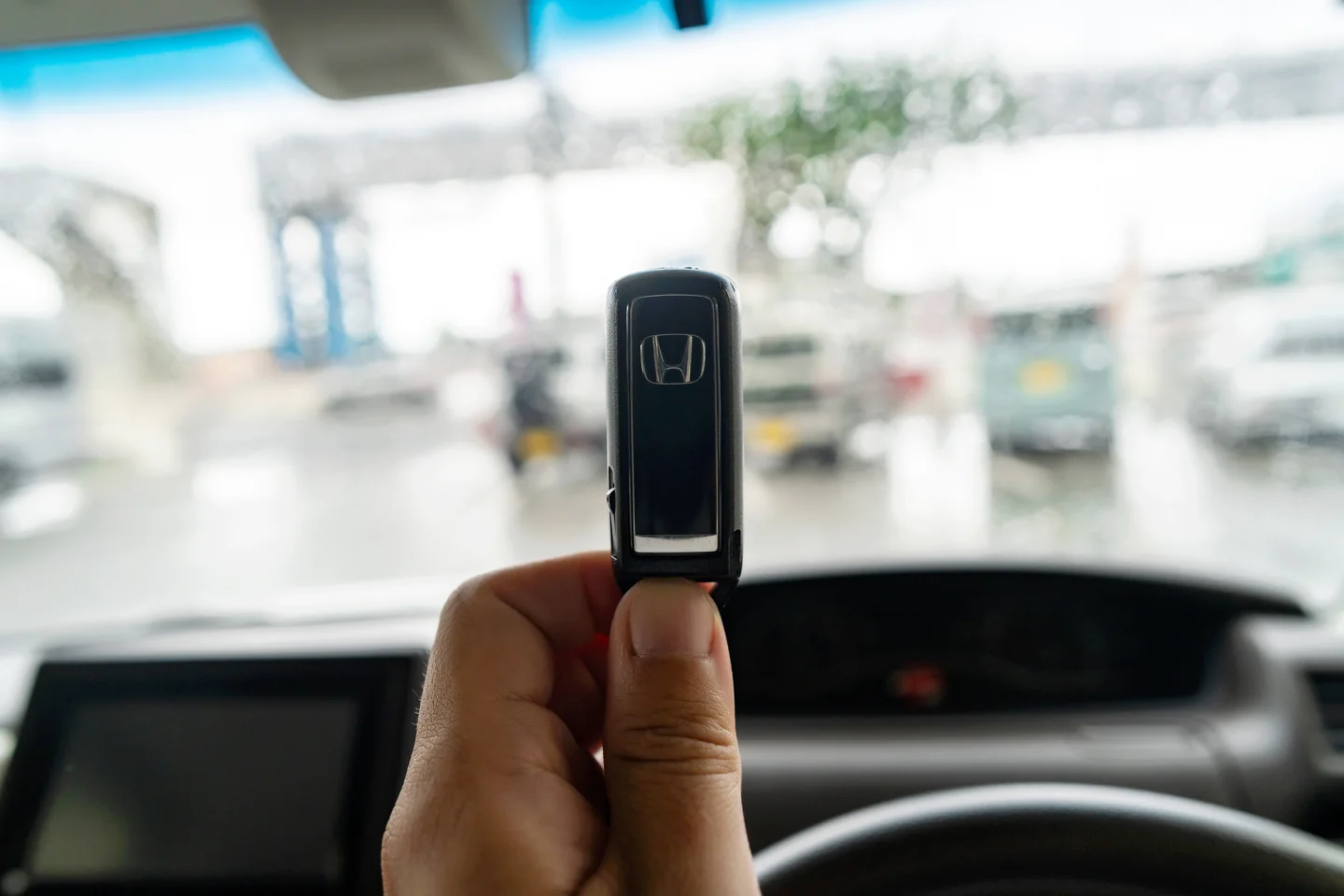
This is the smallest car key I’ve ever seen. It still does everything you need.
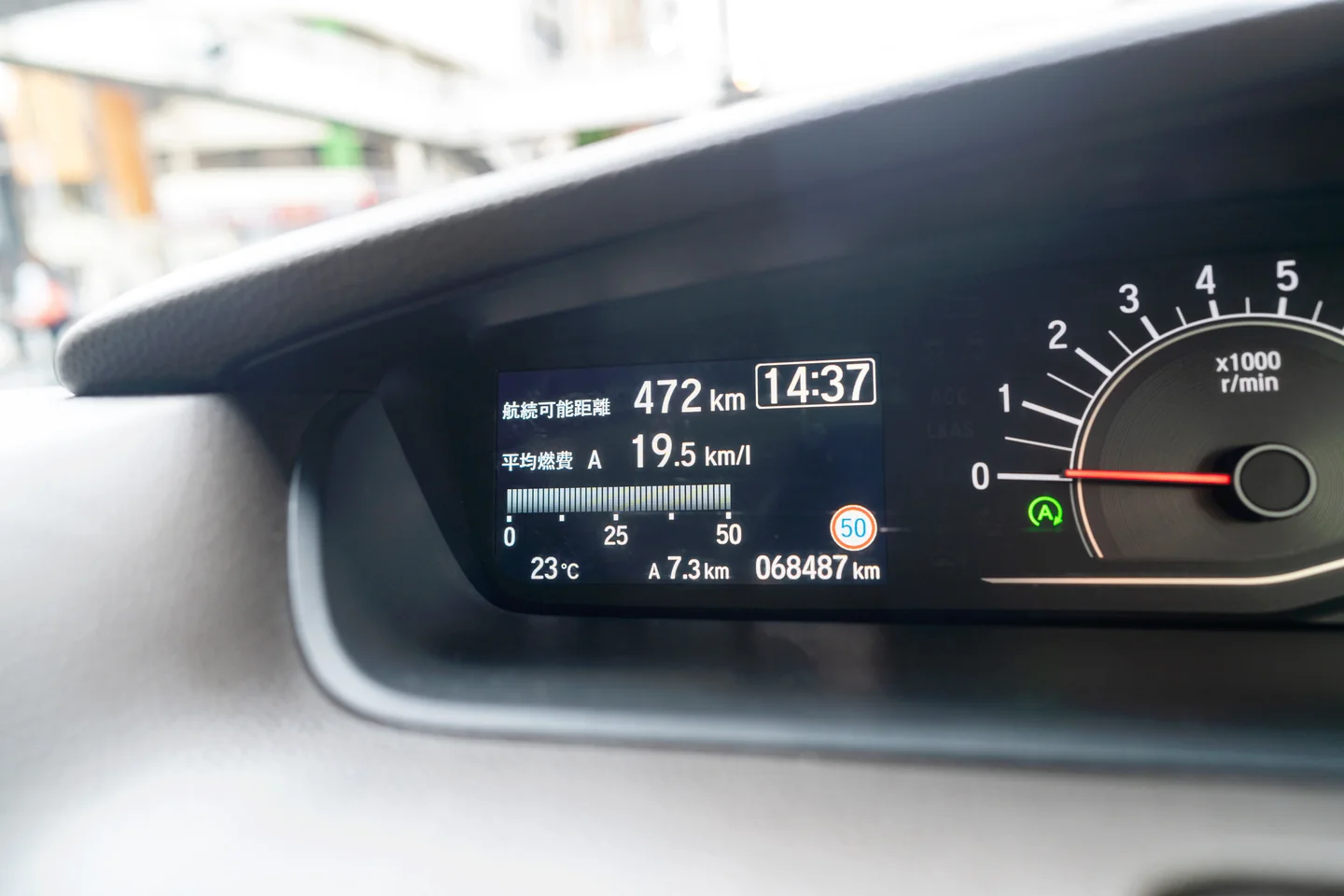
After a bit of driving around town.. I got 19.5 km per liter.
The N-BOX gets good fuel economy. Around town, at least. Take it onto the highway and that drops fast.
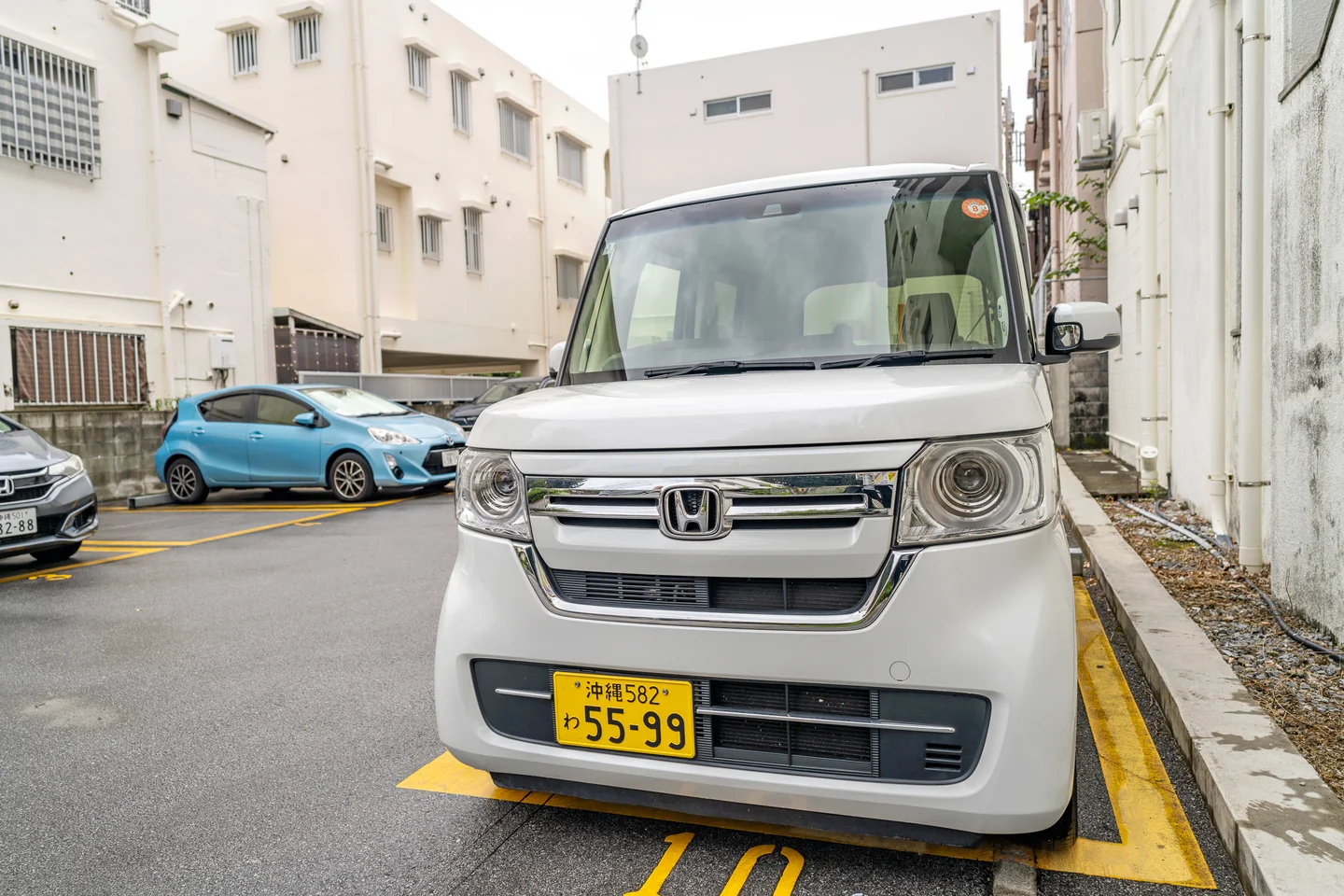
In Korea, kei cars get a 50% discount at public parking lots.. No such thing in Okinawa. There are cheaper parking lots reserved for kei cars, but they’re tucked away in places you’d never find unless you lived here, so that’s not much use to you..

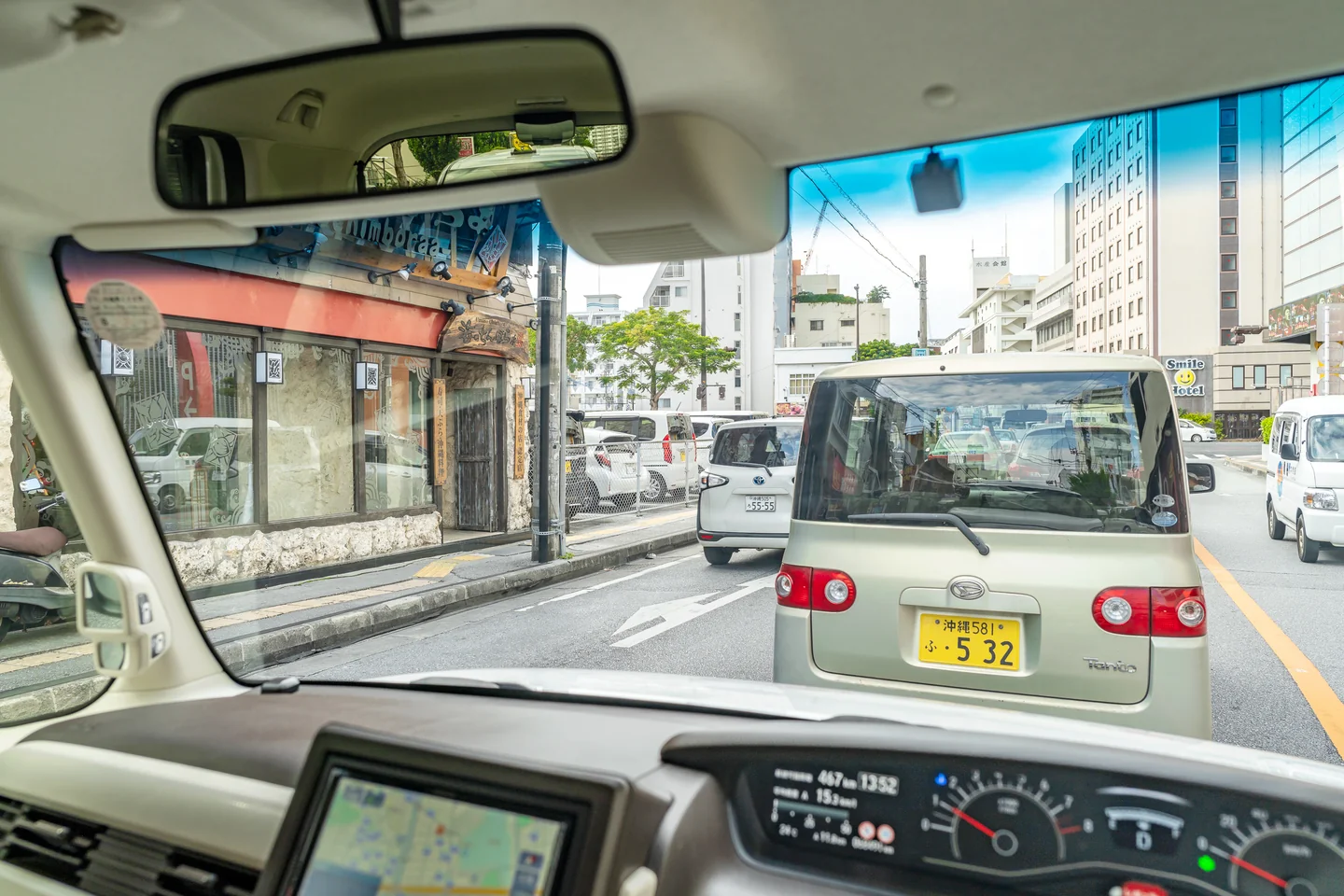
The Tanto feels a little bigger.. but its fuel economy is pretty poor for a kei car.. It’s Japan’s equivalent of Korea’s Ray. The N-BOX is roomy and fuel-efficient, so I think it might be the Japanese kei car Koreans know best.
Of course.. if you book a kei car, you’re assigned a model at random.. but you can always ask. If they have an N-BOX, could you have that one? There are plenty of other appealing kei cars too. The Hustler, for example?
A Look Inside
Sliding the seats forward makes more room for luggage, but I wouldn’t recommend it for four travelers.
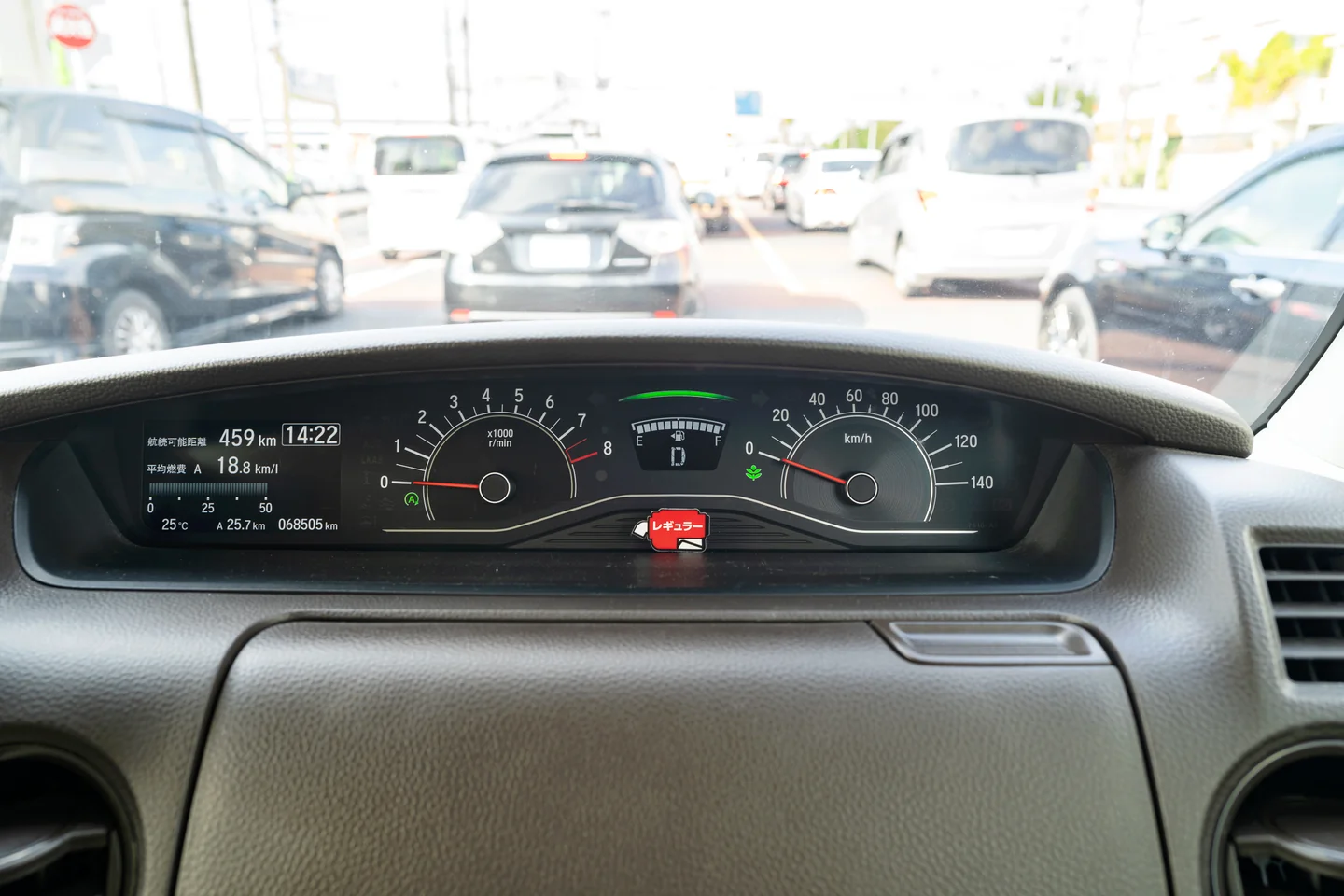
Let’s have a look inside.
Very simple. Personally, I think the Casper and Ray perform better as kei cars.. but Korean kei cars also cost more than Japanese ones. I’ve been looking into this in great detail lately because I’m buying a car in Korea. Korean cars cost more, so naturally they perform better.
Of course.. performance isn’t all that important in Okinawa. Everyone drives gently. Relax, take it slow.. drive safely.. Nobody’s going to tailgate you or cut you off like a complete idiot.
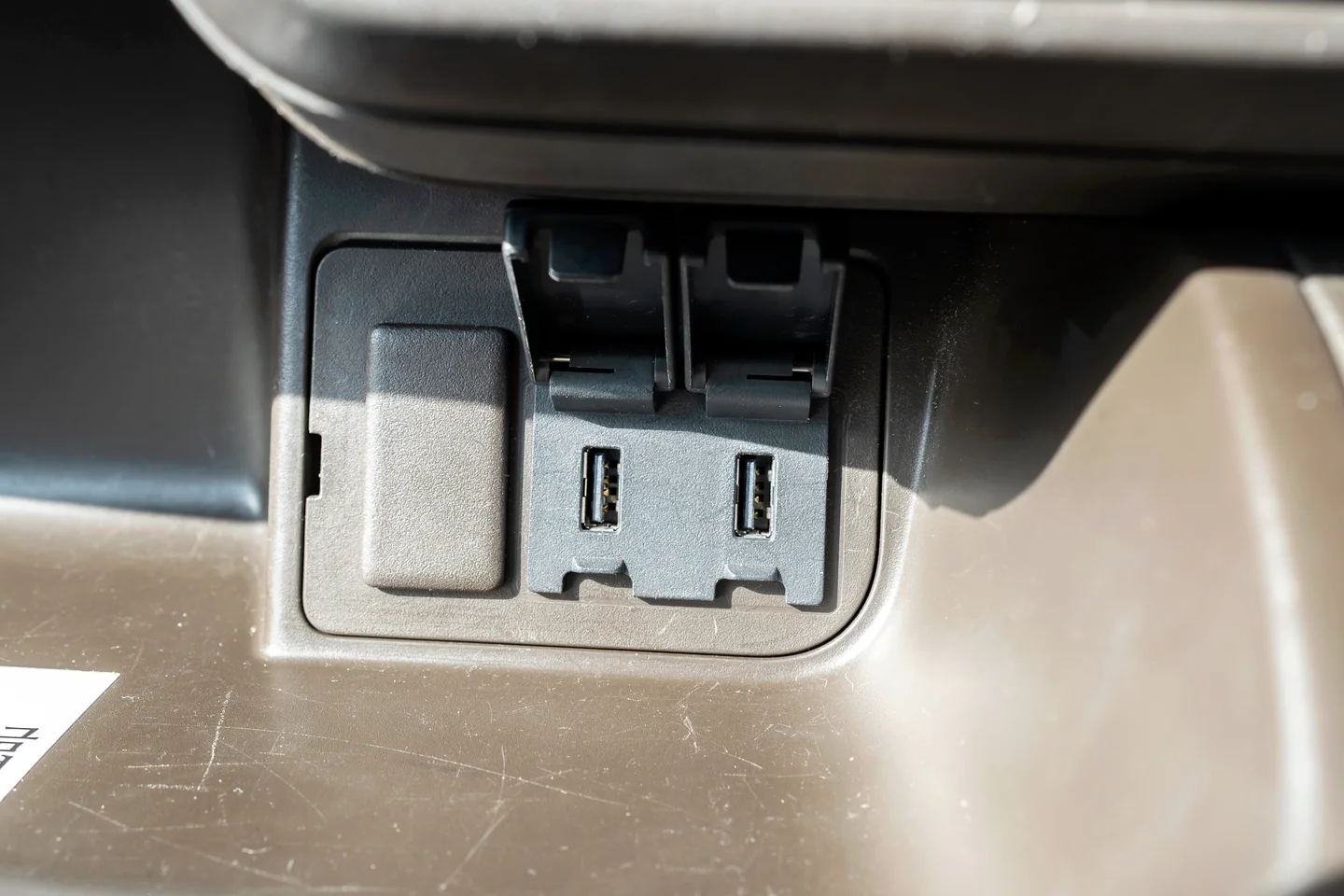
Two USB A ports come as standard.
You-I Rent-a-Car’s vehicles aren’t too old and have a decent level of equipment, so the standard features are pretty good. They keep adding plenty of new cars too.
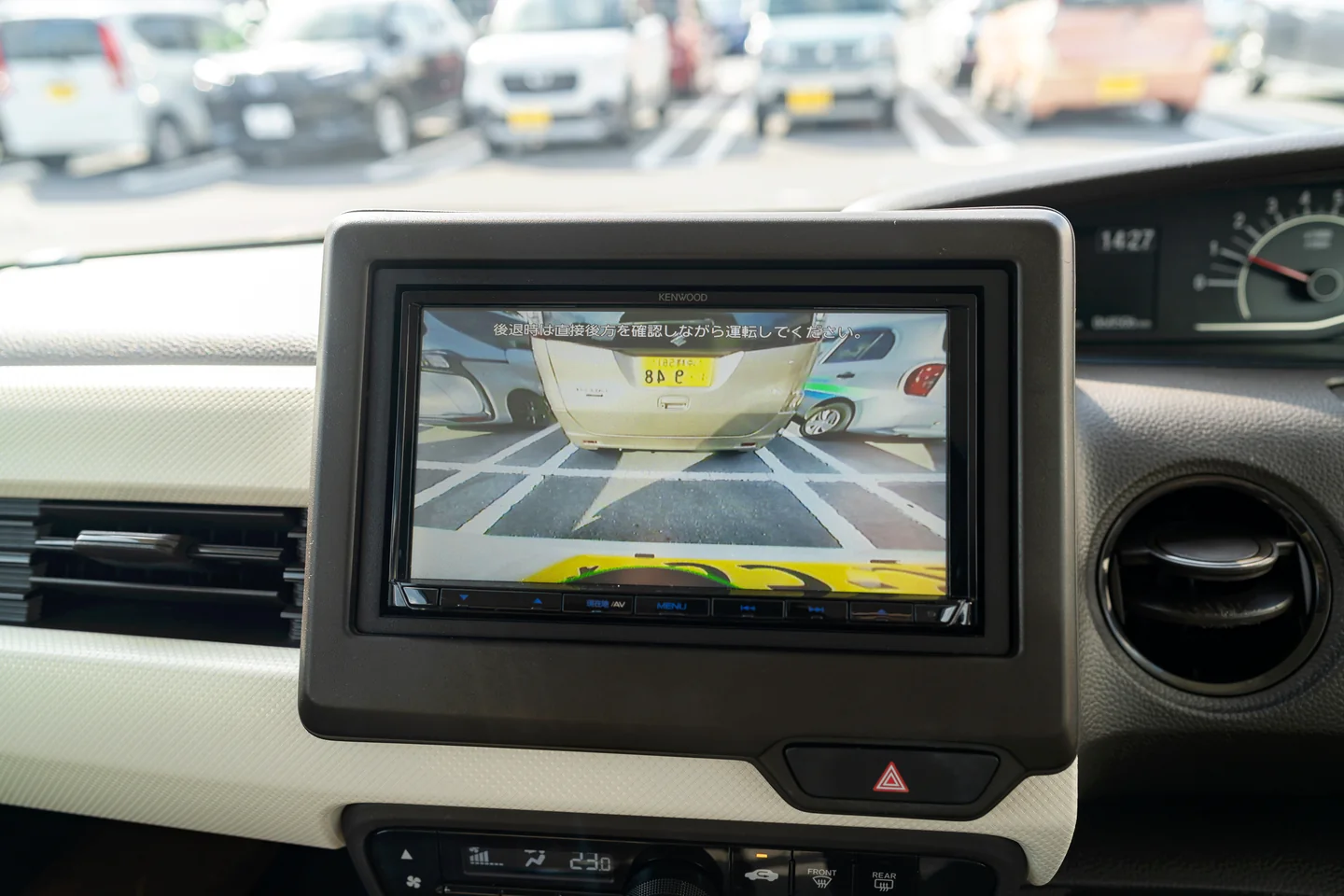
All their cars have a rear camera.
I drove a car without a rear camera or parking sensors for 10 years.. so I don’t look at the rear camera much. I didn’t feel I needed one in the Ray or Casper either.. But after 8 days of constantly going in and out of parking lots in Korea and watching for a bit.. I saw so many people parking badly.. Ah.. now I see why a rear camera is essential..
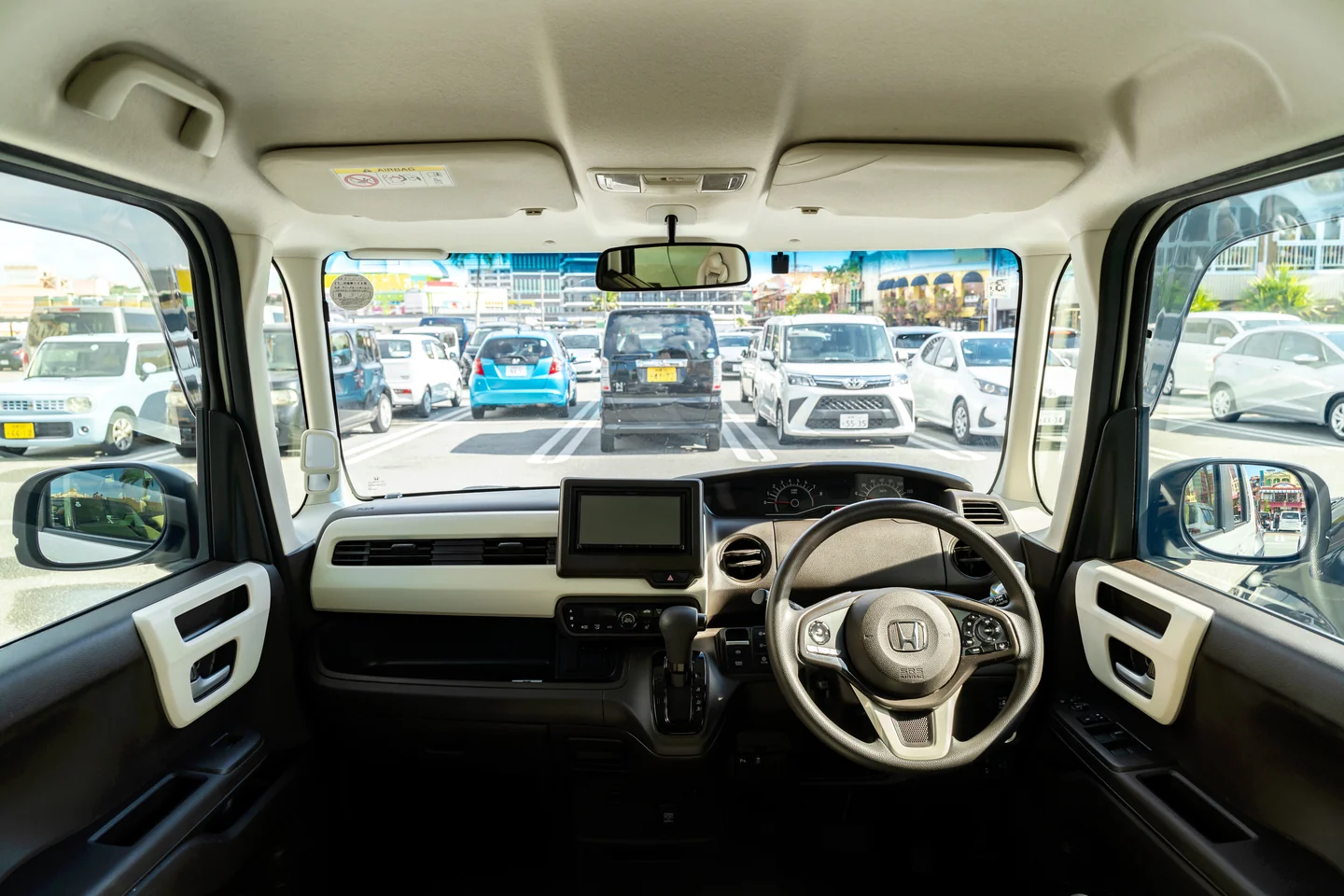
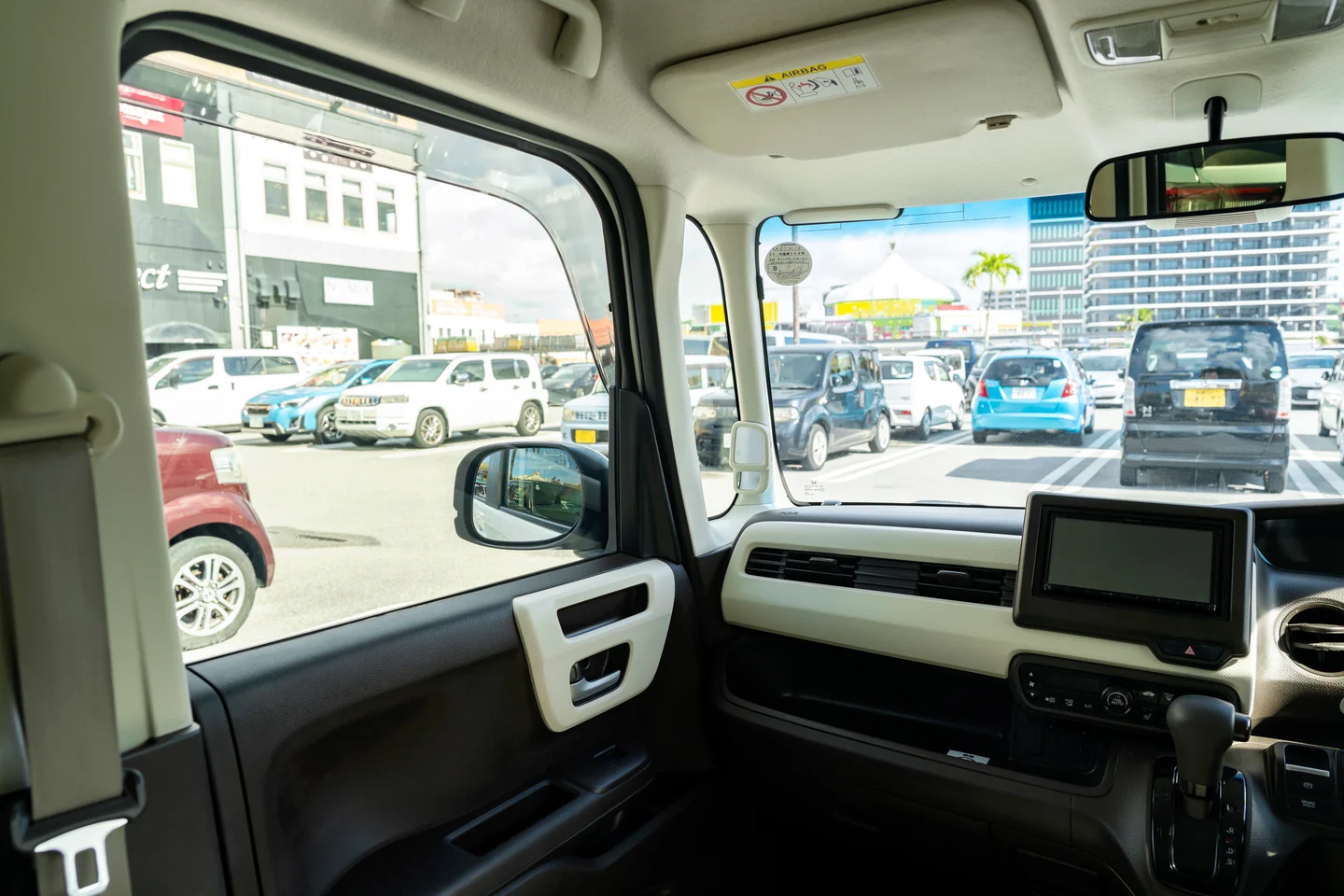
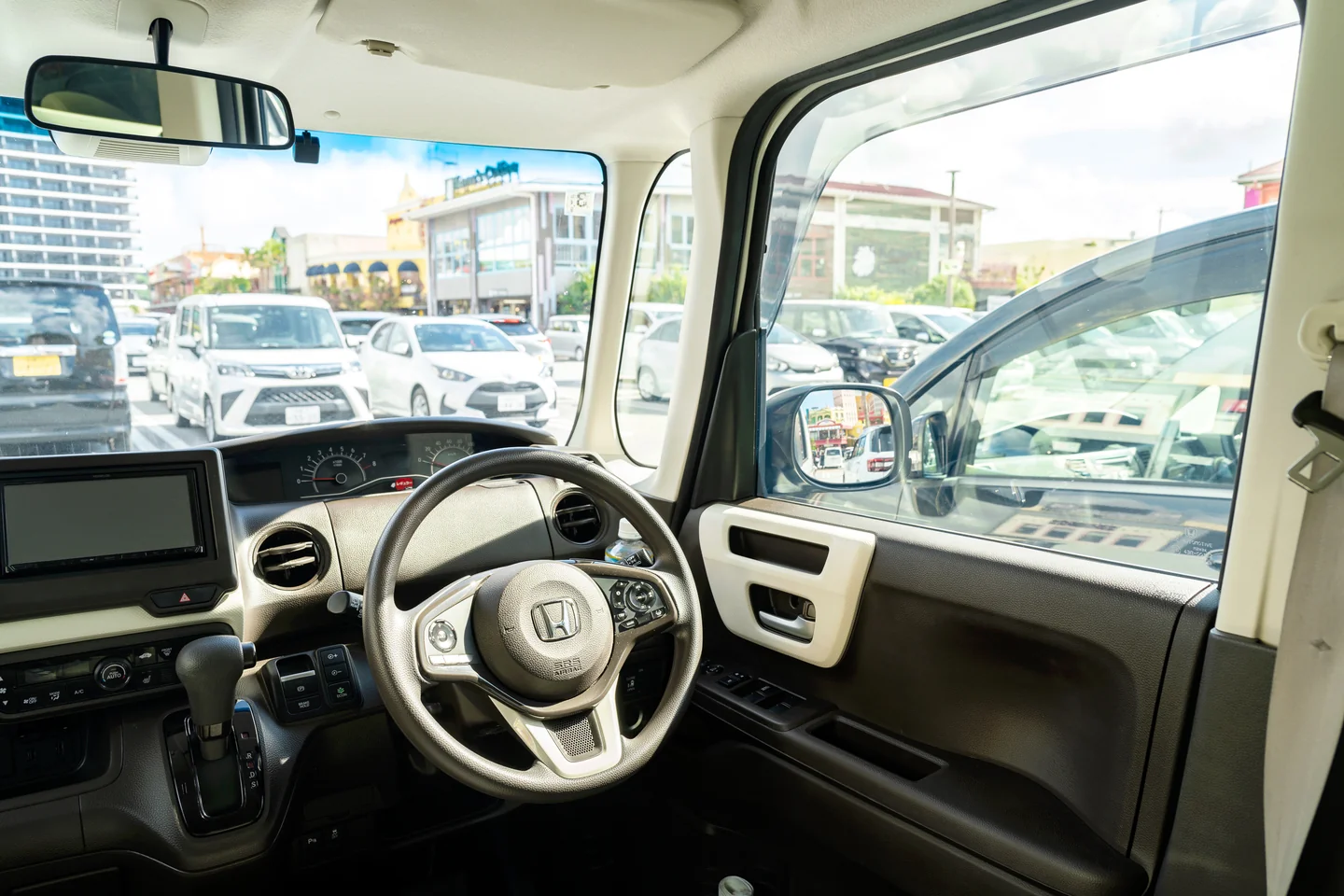
The size and performance are just right for a trip around Okinawa.
Before you get too caught up in all the car’s features.. just get going.. and enjoy Okinawa’s sea and palm trees.
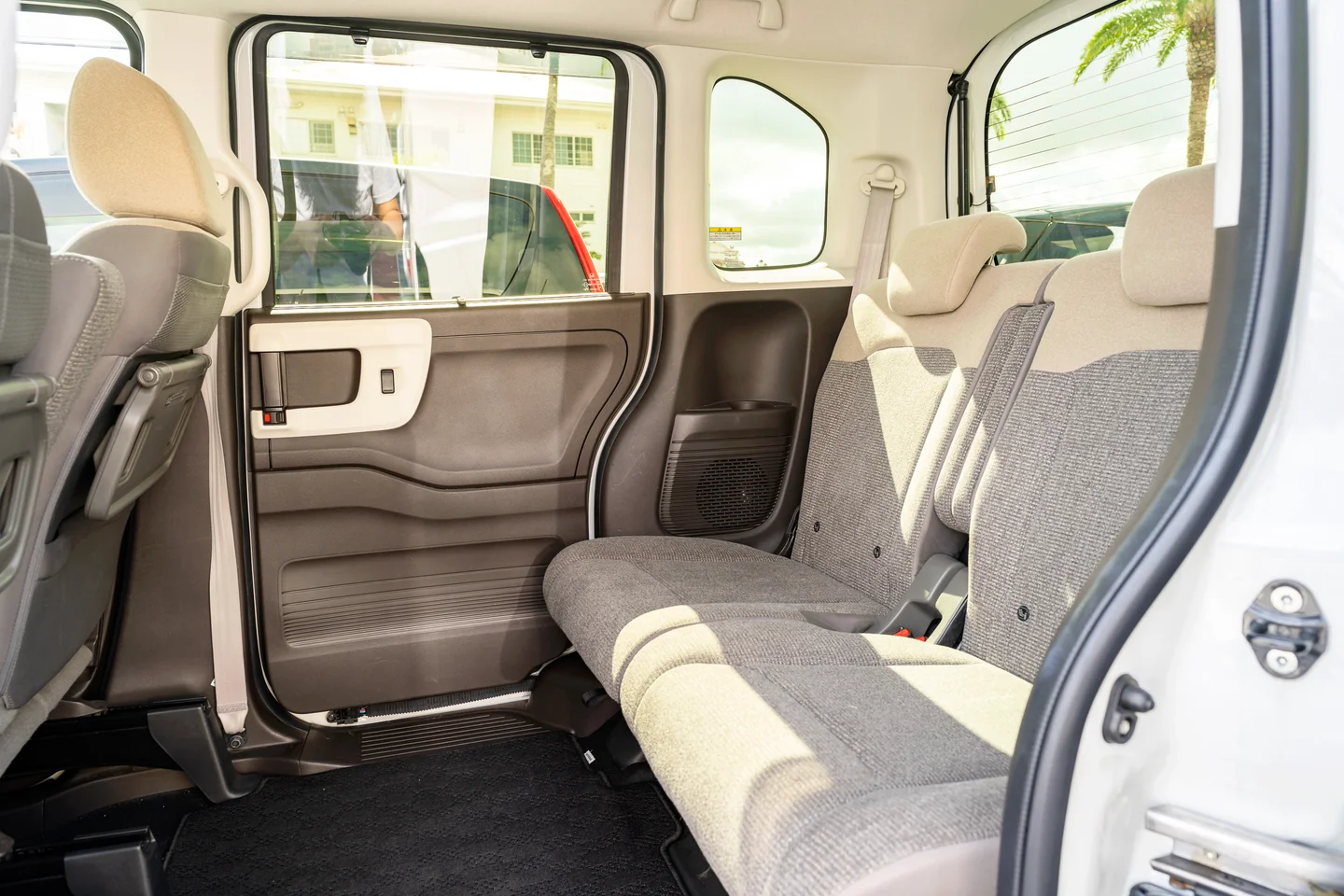
This is with the cabin at its roomiest. The seats are slid all the way back, but there’s still plenty of room if you push them forward. That gives you more luggage space.
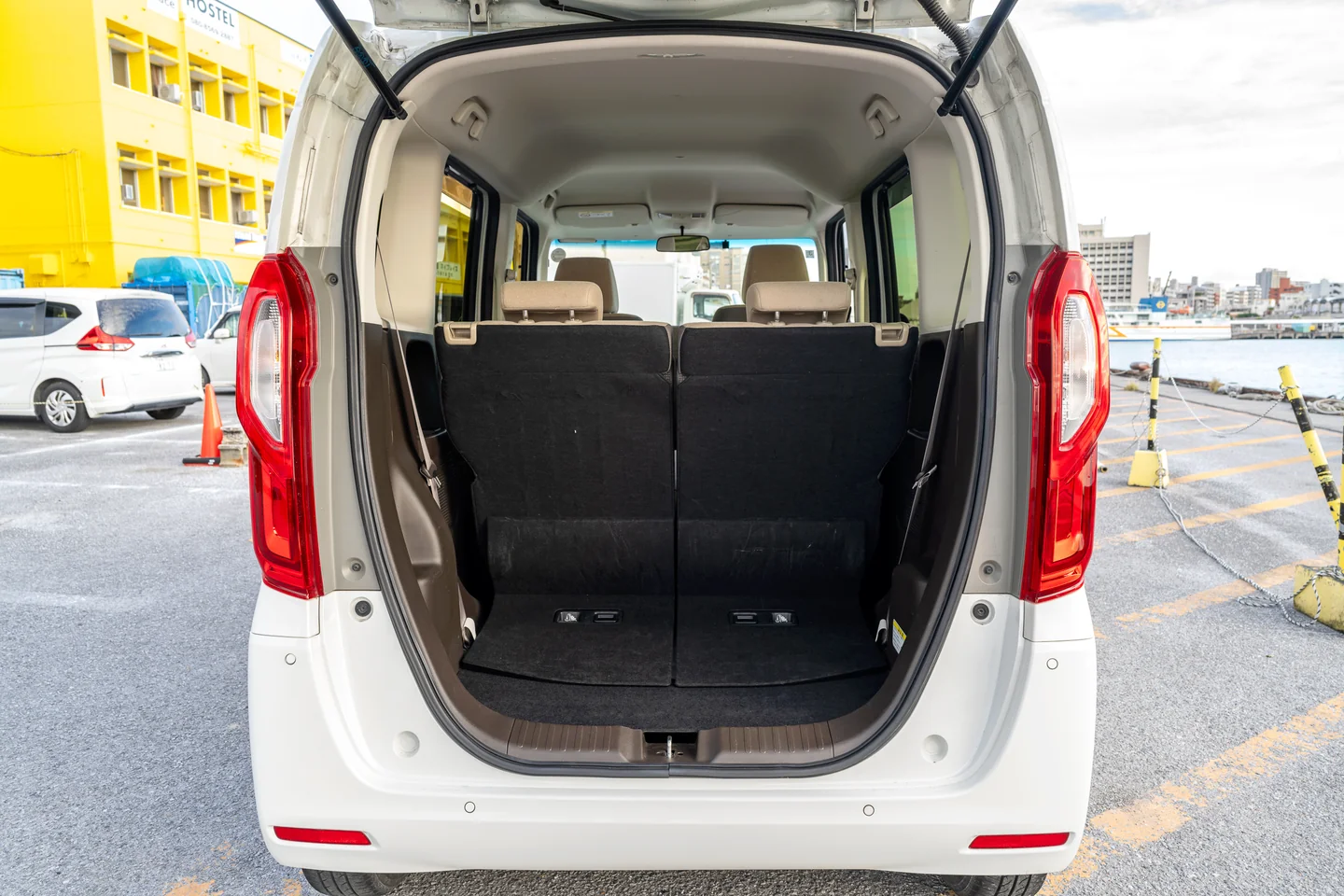
You can fit about four 20-inch carry-on suitcases. Any more would be a stretch..
If four people are riding, you can’t bring any luggage besides carry-on suitcases. Even backpacks have to sit in front of you..
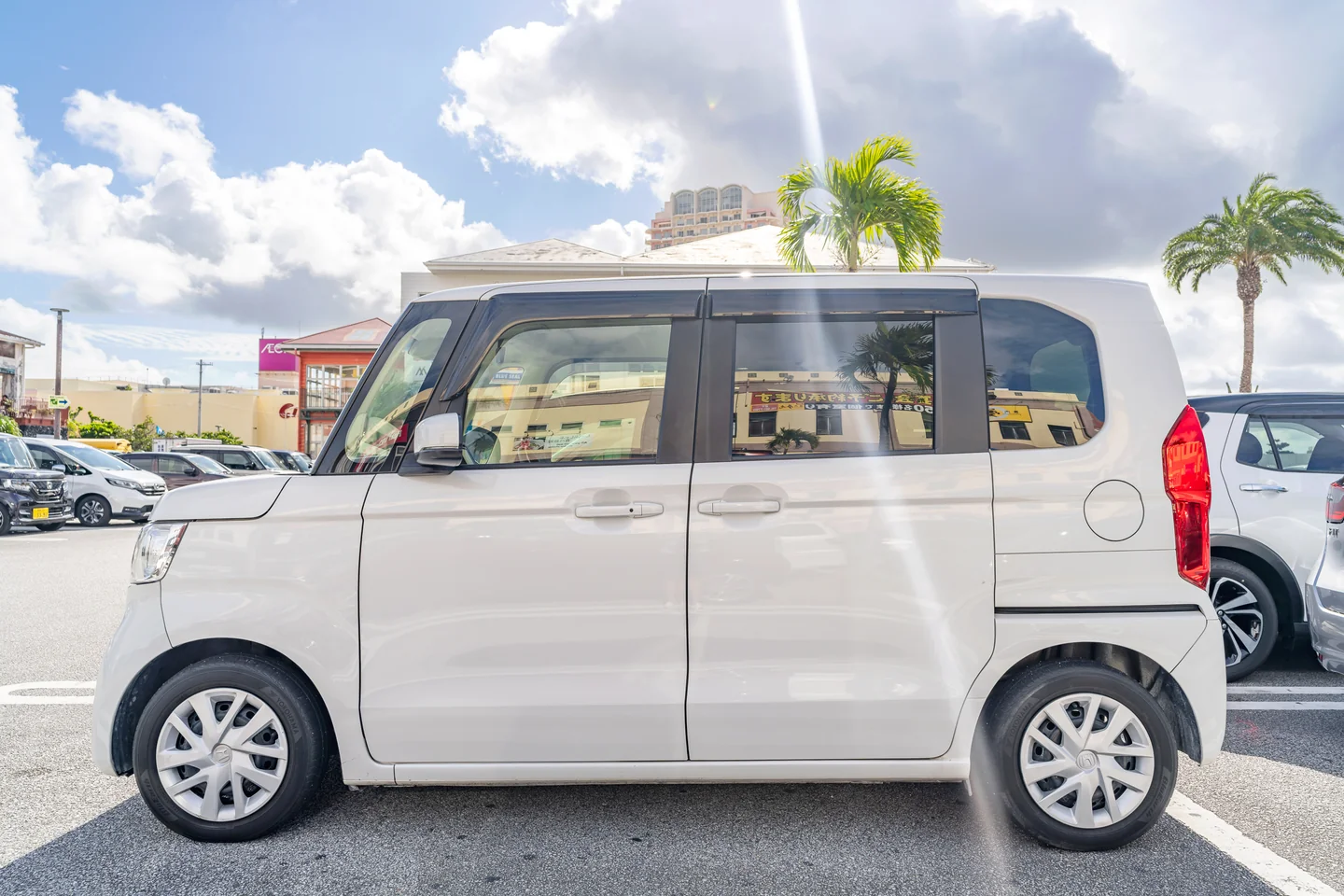
The side door is a power sliding door. You can open it with the key. Only the left one.. the sidewalk side.
I doubt most Koreans would use it much? You’d need to be picking someone up.. I haven’t actually had a look at a Korean car with power sliding doors yet.. Do cars like the Carnival have them? The Ray’s doors were manual,
And if the door isn’t fully shut, it pulls itself closed. I don’t need a power sliding door, but I really liked that feature..
On the Road
If it’s your first time driving in Japan, take it slowly and enjoy the view.
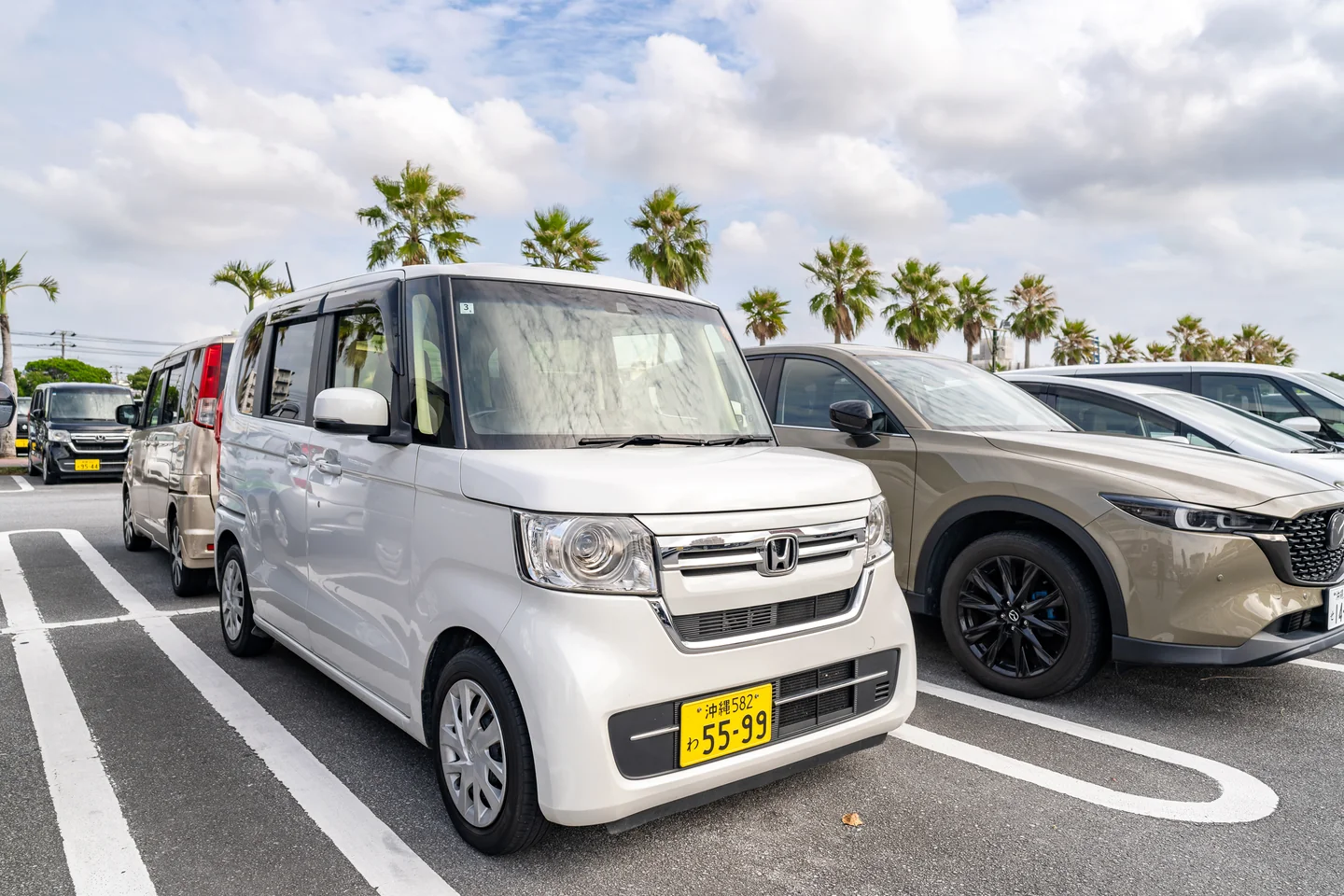
This is Chatan’s public parking lot.
This was my second day driving it. It definitely feels smaller than the Ray. It’s narrower too, and width matters.
I liked how roomy and comfortable the parking spaces were in Korea. The width does seem to vary rather randomly from one municipality to another, but I find Korean parking spaces wider than Japanese ones. Japanese cars are narrower than Korean cars, though, so I don’t think parking is much harder.
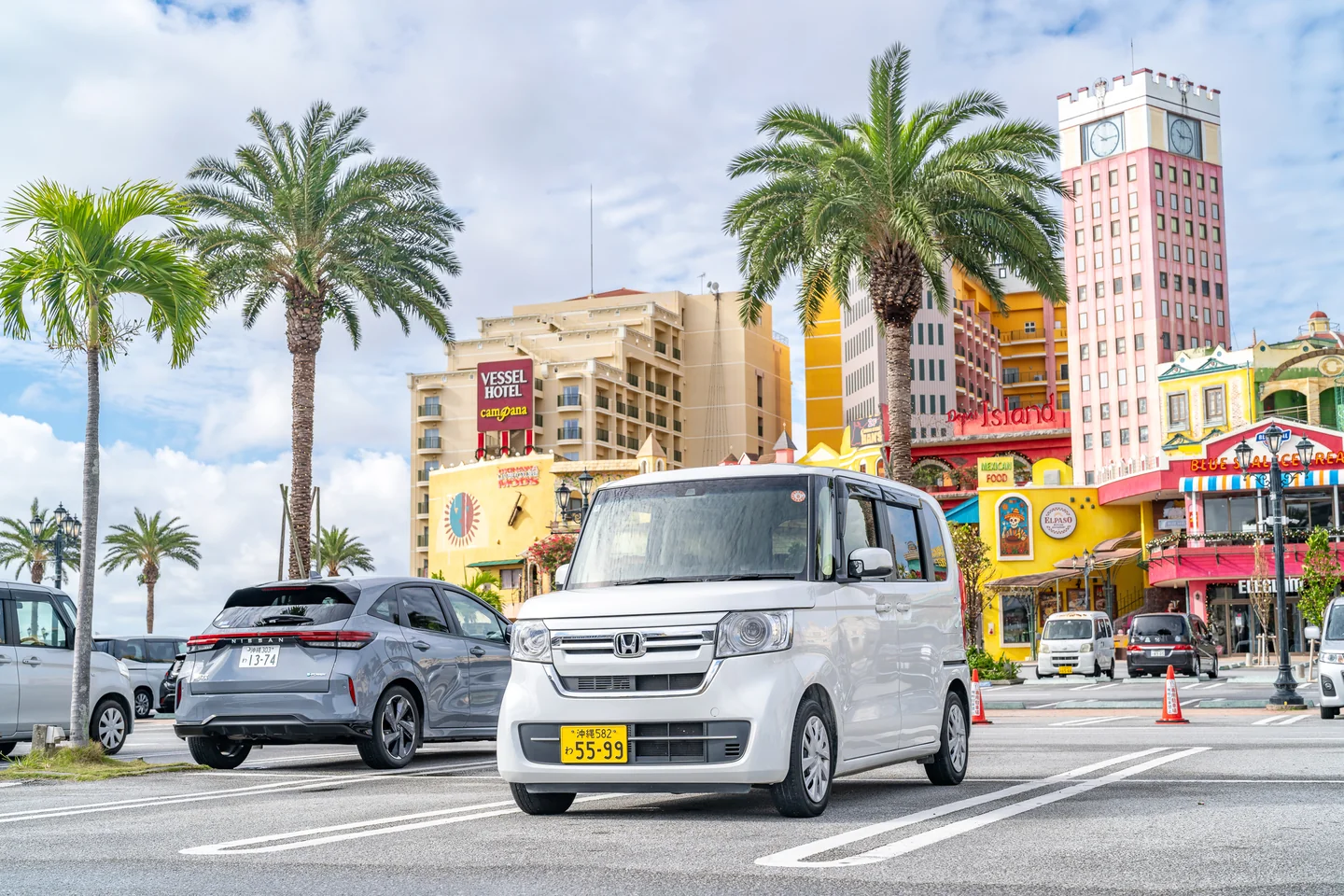
I recommend taking Route 58 at around 60 km/h and enjoying the Japanese scenery along the way. Getting there quickly is nice.. but if it’s your first trip to Japan, taking it slowly is nice too. Nobody gets angry with you for driving at 60 km/h.
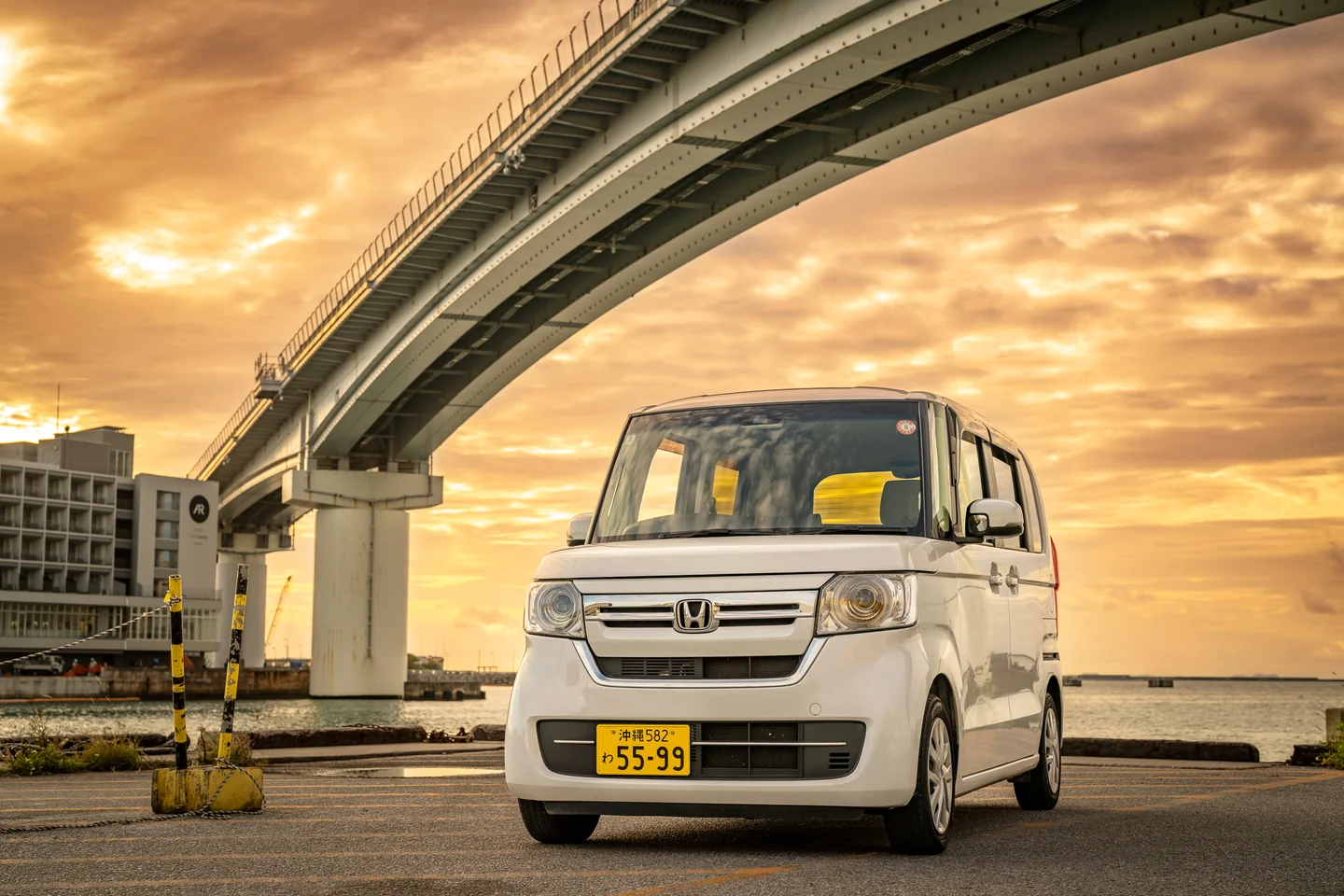
I felt I was a little short on photos, so I went to Tomari Bridge for another shot.
Looks like I left the front window open..
Refueling and Returning the Car
Keep your fuel receipt and park in the return area. A staff member will come over to check the car.
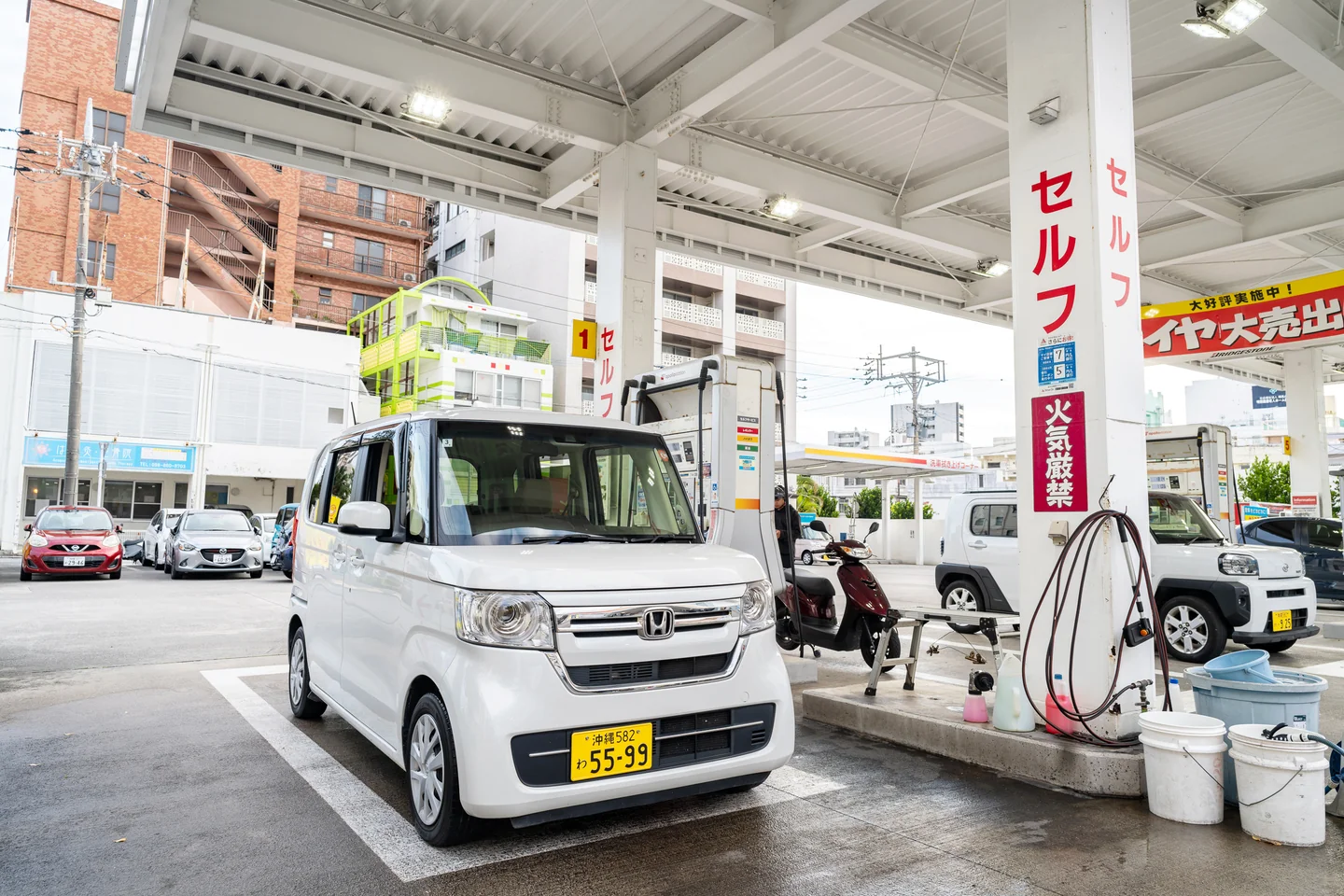
I took the airport shuttle to pick up the car, but arranged to return it at the Kokusai-dori branch. That suited me better, since I lived right by Kokusai-dori. The person handling my rental knew where I lived, so I think they arranged that for me.
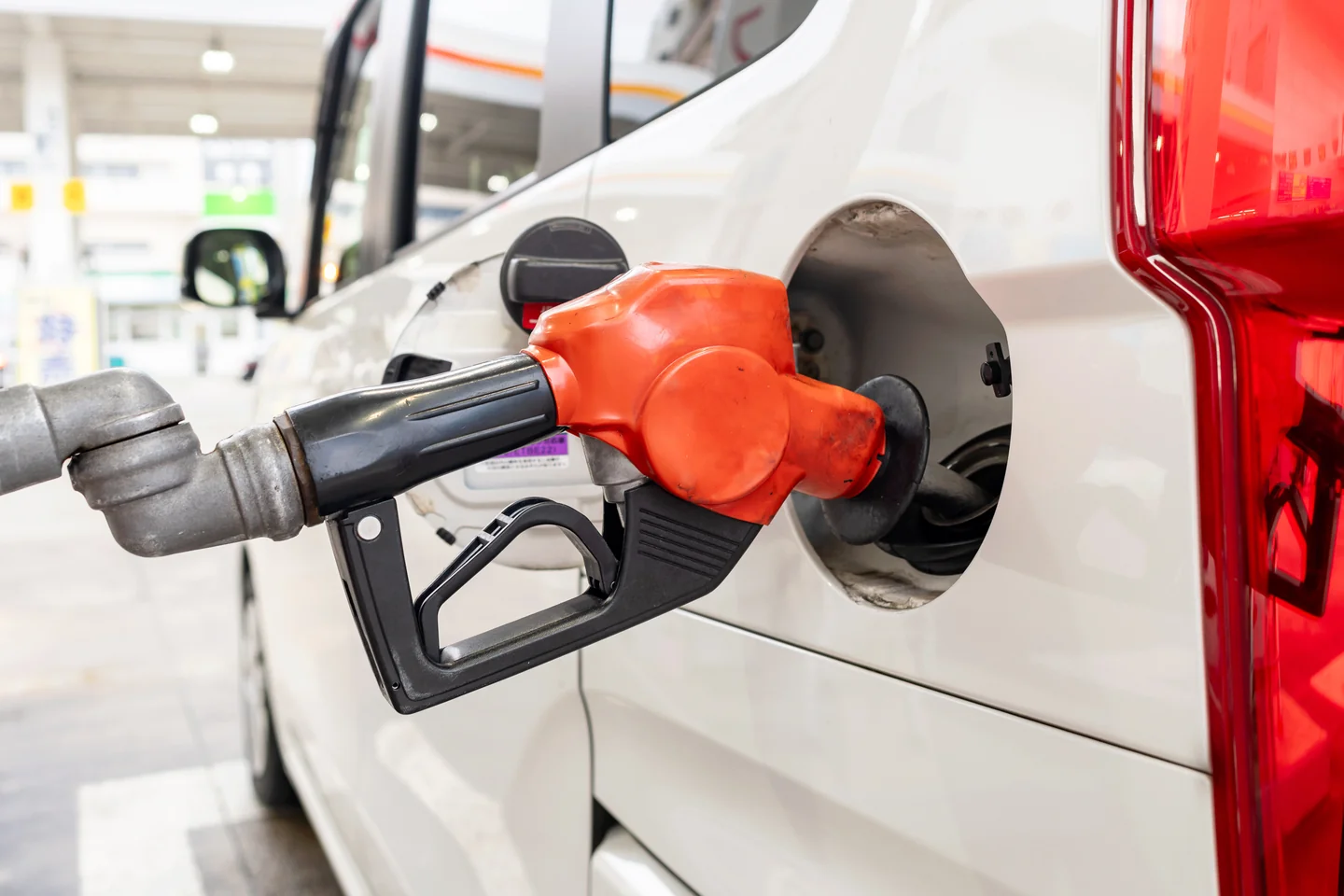
You need regular gasoline. That’s the gasoline we use in Korea. Was the nozzle yellow in Korea? In Japan, it’s red.
When you rent the car, the office will tell you which fuel to use. They’ll also give you a brief guide to the car that specifies the fuel type.

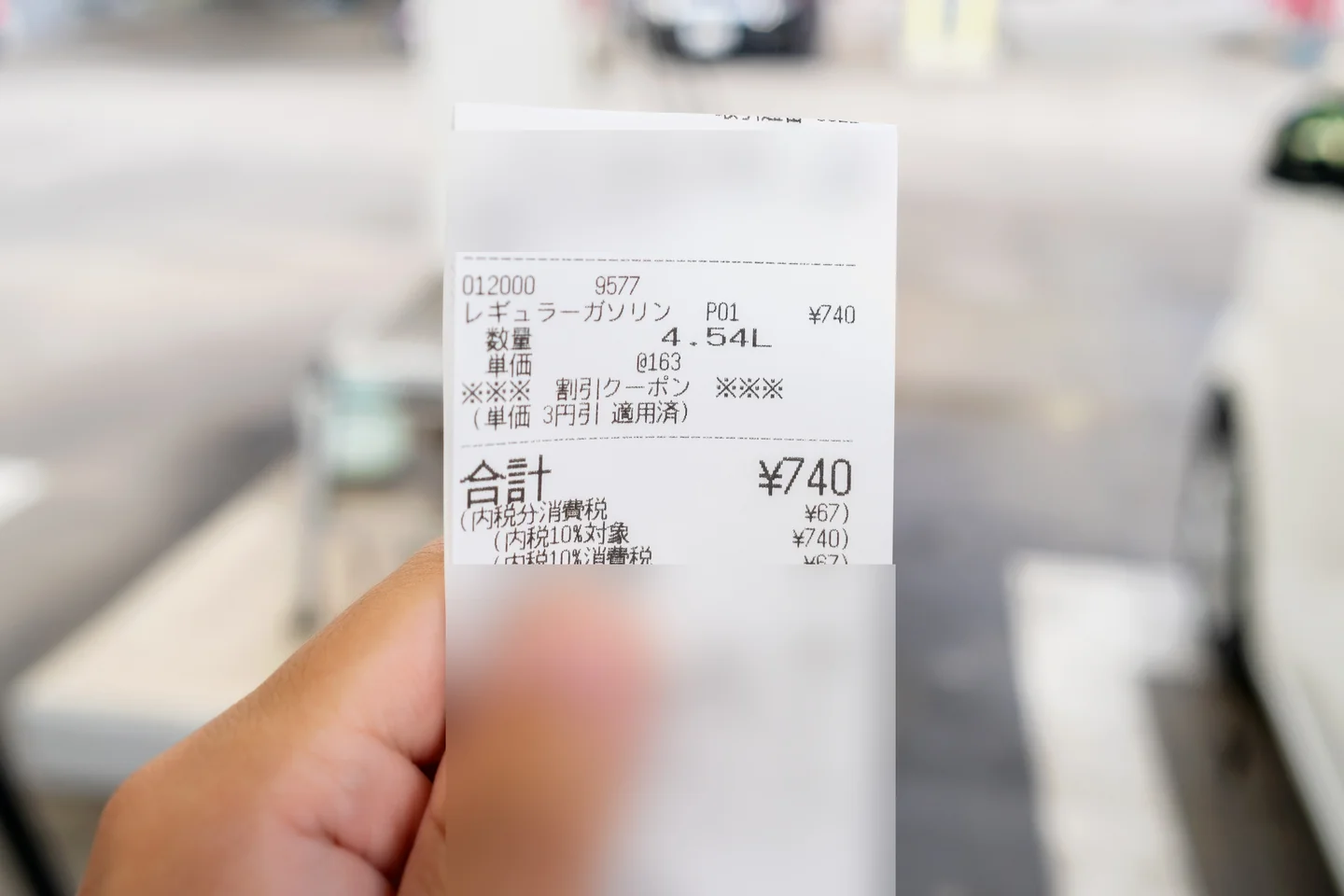
They check the receipt when you return the car, so be sure to keep it.
Mine came to.. 740 yen. That fuel economy.. -_-;;
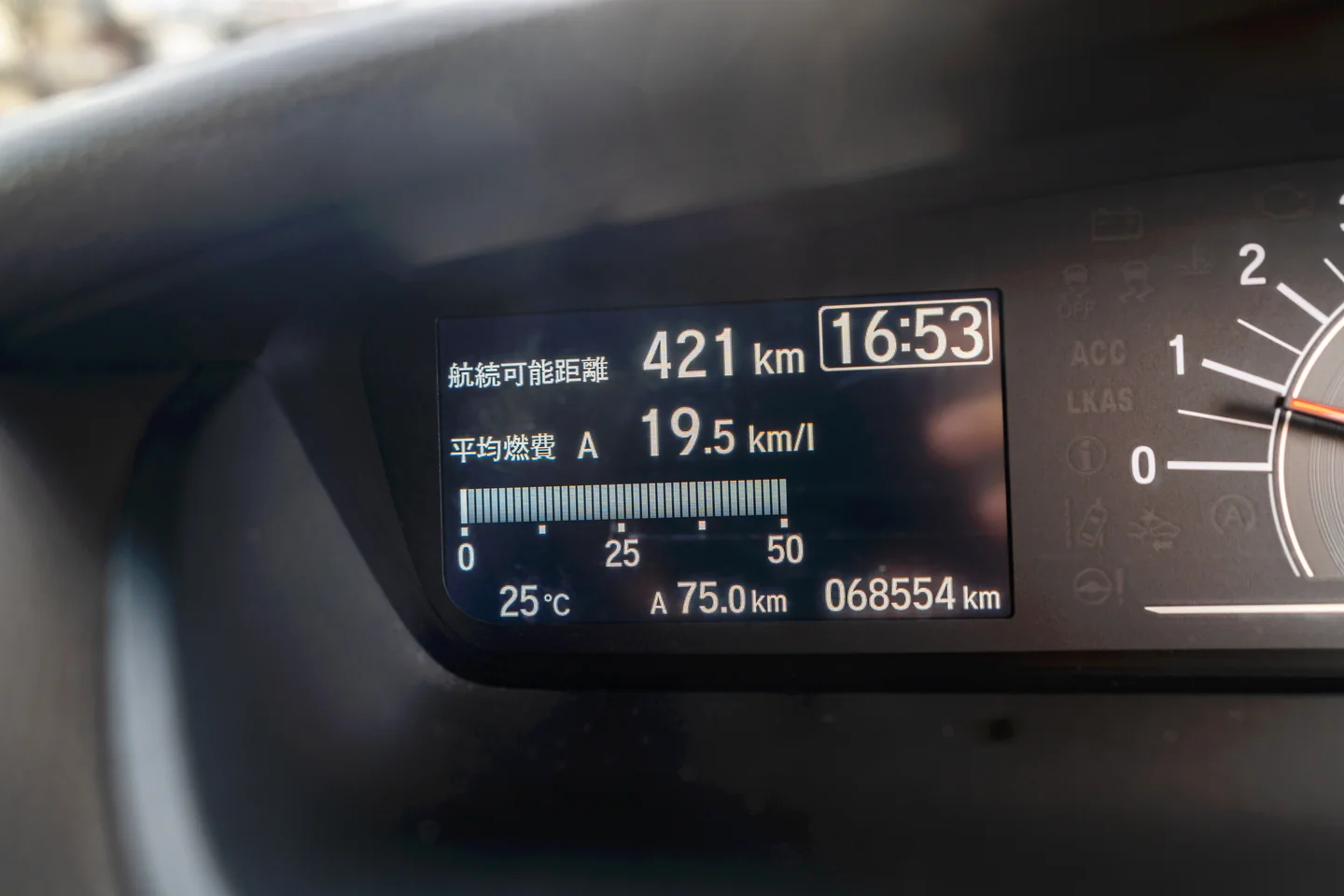
I only drove 75 km in total. No highway driving at all, just national roads and city streets. Fuel economy was 19.5 km per liter,
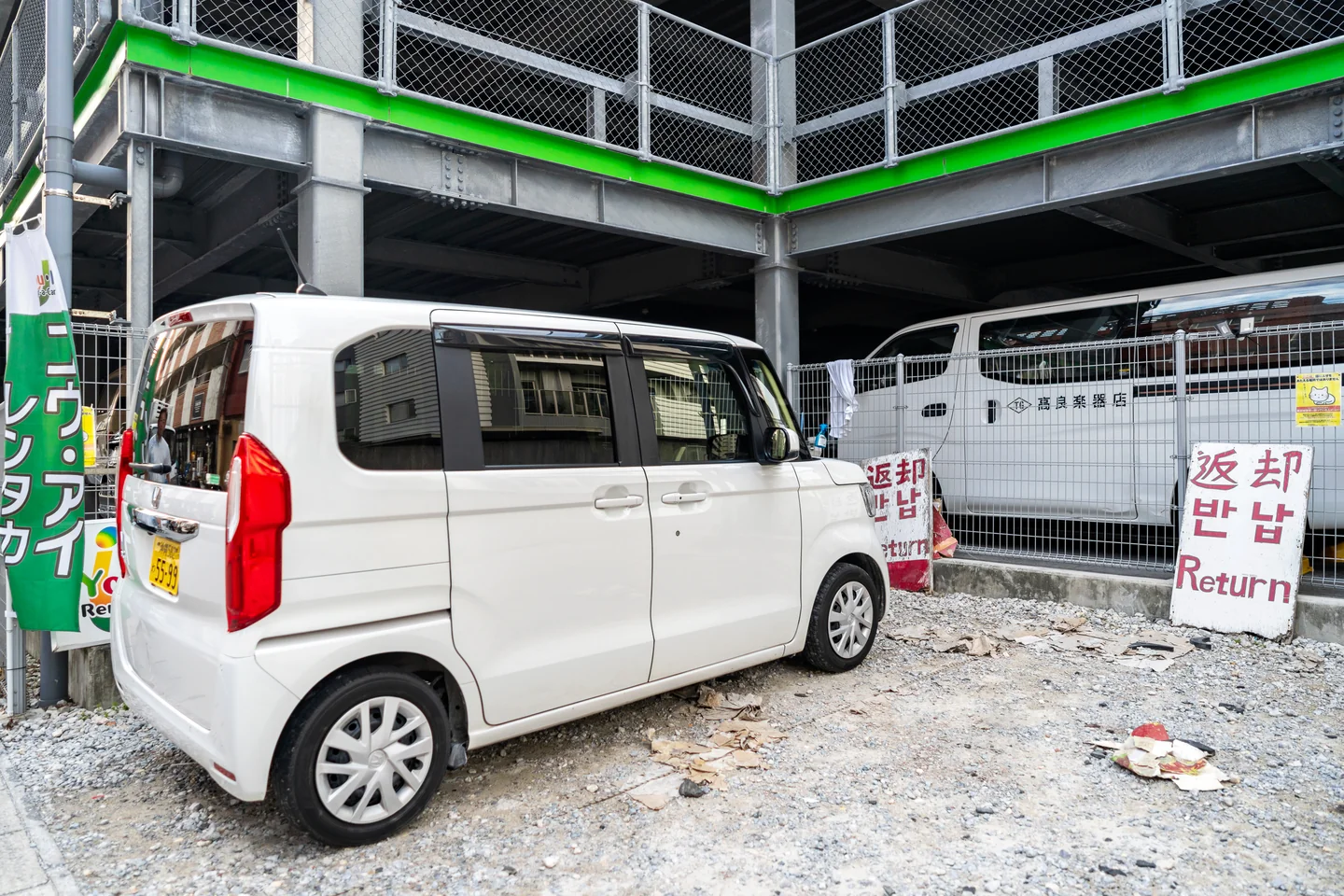
The Kokusai-dori branch has a return area like this. The office monitors it on CCTV, so when you park here, a staff member will quietly come out to check the car. They’ll check the fuel level and the car’s condition, so just show them your receipt. The return process is pretty straightforward.
Of course, if you’re heading straight to the airport, you can return the car at the airport branch and take their shuttle bus to the airport.
Returning the car at the Kokusai-dori branch is an option for people who still have time left in Okinawa. Maybe you’re staying another day to relax before leaving, that sort of thing. Well.. Okinawa’s monorail is very convenient, so from here, taking it to the airport is faster than driving.
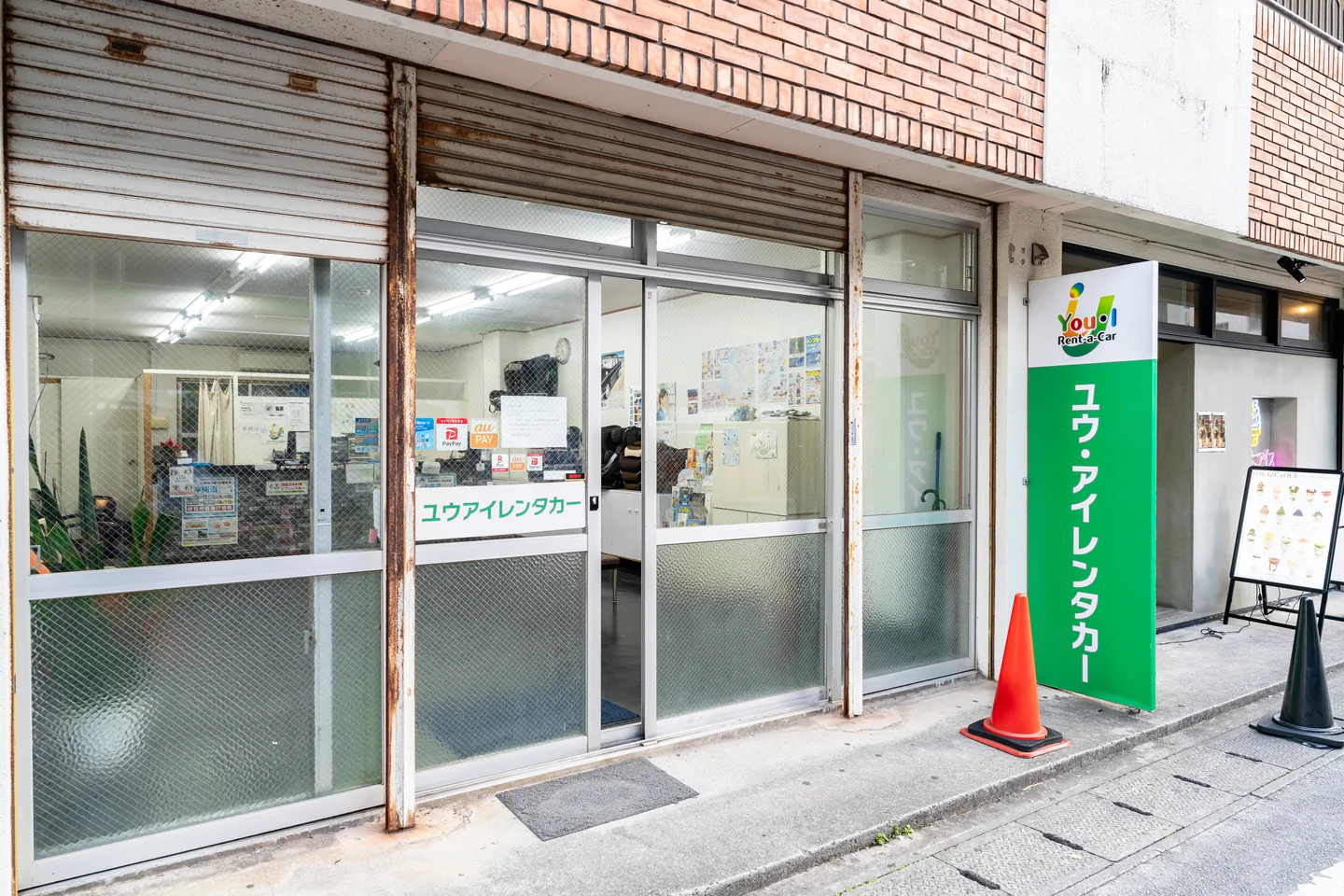
This is the office at the Kokusai-dori branch.. but there’s no real need to go inside. You can complete the return process outside.
I’ve also rented cars through airport rental services in Korea, and found it just as easy as in Okinawa. Book, land at the airport, take the bus to collect the car, enjoy your trip and return it. It’s really easy. At the time, the dollar exchange rate was soaring.. but the yen still hadn’t risen much.. so I wondered whether there was anywhere as good as Japan for an overseas trip.
I’m not sure how many more Okinawa rental car reviews I’ll write, but the system is well organized and easy for Koreans to use, so I hope this helps when you’re planning a trip to Okinawa.
- If you choose a kei car, the model is assigned at random. You can ask whether they have an N-BOX and, if so, whether you can have one.
- It fits up to four 20-inch carry-on suitcases. With four people aboard, though, even backpacks have to sit in front of you, so I recommend kei cars for no more than three people.
- When I used it, construction at the first-floor exit meant going around via the second floor, then out through Exit 4 on the first floor. Cross the crosswalk to the vehicle waiting area in the middle and look for the bus with the You-I Rent-a-Car logo. Give the driver your name and board. The airport branch is about an 8-minute drive away.
- You can add a child car seat when booking. You can also pay for one when you arrive at the You-I Rent-a-Car office, but seats may run short during peak season, so I recommend adding one to your booking in advance. The office also has a separate play area for children.
- All their cars have rear cameras. The N-BOX I rented also had two USB A ports.
- On the car I rented, only the left door, on the sidewalk side, was a power sliding door. You can open it with the key, and it pulls itself closed if it isn't fully shut.
- They check the fuel level when you return the car, so be sure to keep your receipt. At the Kokusai-dori branch, park in the return area and a staff member will come over to check the car's condition too.
- Return the car at You-I Rent-a-Car's airport branch, then take the shuttle bus to the airport. The car stays at the branch; only the passengers travel to the airport by bus.